In the quiet city of Emporia, Kansas, the intersection of rapid technological expansion and local governance has produced an unlikely flashpoint for civil liberties. Lux Claridge, a local teacher, found themselves at the center of a national firestorm after being arrested for the act of clapping—a simple gesture of support during a public hearing regarding a massive, gigawatt-scale AI data center project.
What began as a routine municipal meeting has spiraled into a complex legal battle, forcing the community to grapple with the boundaries of public discourse, the rights of citizens in local government settings, and the immense pressure placed on small towns by the global hunger for AI-ready infrastructure.
A Chronology of the Arrest
The incident occurred during a contentious city commission meeting, where tensions regarding a proposed, high-energy-demand data center had reached a boiling point. Commissioners, reportedly weary of the heated atmosphere, had issued explicit warnings to the public at the start of the proceedings, characterizing clapping or other vocal reactions as "disruptive" and explicitly prohibiting them.
As the meeting progressed, a speaker took the floor to voice strong opposition to the data center project. Upon the conclusion of their remarks, Claridge, who was in attendance, offered five polite claps in solidarity. This brief moment of public engagement was met with swift, heavy-handed intervention.
According to reports, an official present at the meeting signaled for law enforcement to remove the next person who clapped. Multiple police officers immediately converged on Claridge. When asked to vacate the room, Claridge stood their ground, asserting, "I have a right to speak." The standoff concluded when the officers forcibly removed the teacher, cuffed them, and transported them to the Lyon County Jail. Claridge was held for eight hours before being released on charges of disorderly conduct and interference with a law enforcement officer.
The Legal Aftermath: Charges Dropped, But Not Cleared
In a recent development, the path to resolution has begun, though the conclusion remains uncertain. The Emporia assistant city attorney informed Claridge’s legal counsel that the charges filed in municipal court have been dismissed without prejudice. While this is a victory for the defense, the legal reality is nuanced.
"Today, I was informed by my attorney that the city has dropped my charges and has passed my information along to the county," Claridge stated in an interview with 404 Media. "As far as I know, I’m in the clear unless the county is feeling froggy."
The dismissal "without prejudice" is a critical legal distinction. It signifies that the prosecution has opted to drop the current charges but retains the right to refile them or escalate the matter to a higher jurisdiction—in this case, the County Attorney’s office. This keeps the possibility of prosecution alive, leaving the teacher in a state of legal limbo.
The Infrastructure Gold Rush: Why Emporia?
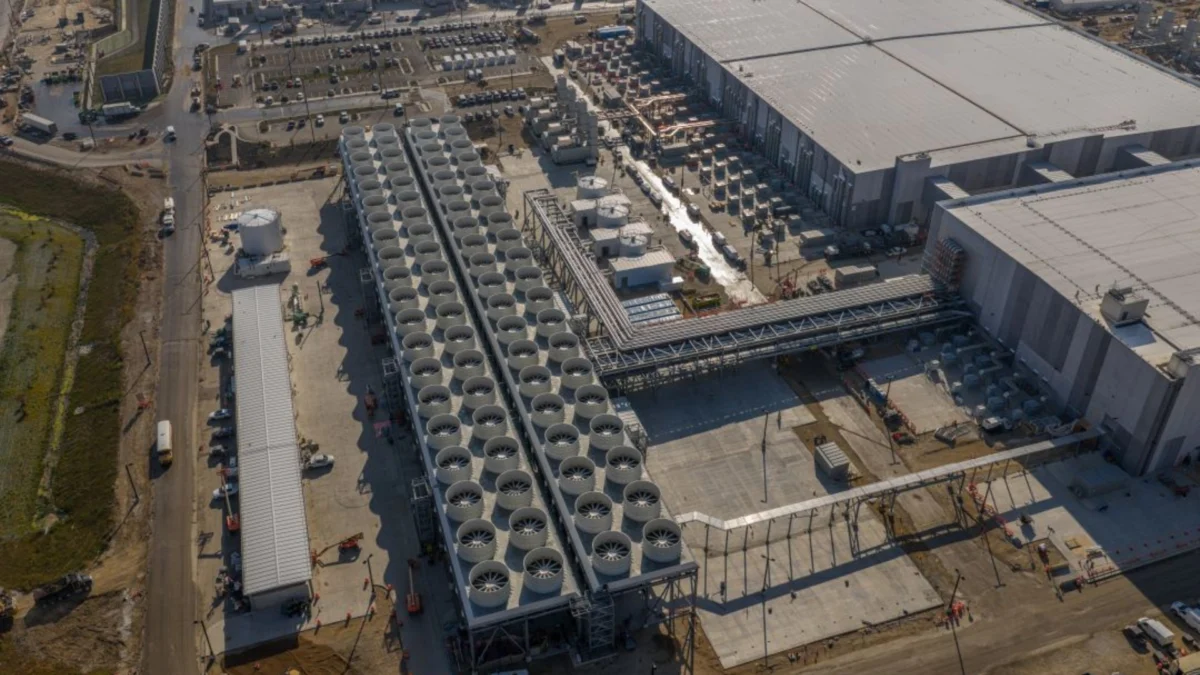
To understand the intensity of the friction in Emporia, one must look at the macro-economic forces driving the project. The tech industry is currently in a "gold rush" phase regarding AI infrastructure. Massive language models and generative AI systems require immense amounts of computational power, which in turn demands data centers that consume staggering amounts of electricity.
For small municipalities like Emporia, the prospect of a gigawatt-scale data center is often presented as a transformative economic boon. Proponents cite job creation, increased tax revenue, and the modernization of the local power grid. However, these benefits are frequently balanced against significant concerns: the strain on local water resources, the massive power requirements that could hike utility rates for residents, and the industrialization of previously quiet areas.
The tension in Emporia is not an isolated event. Across the United States, rural and suburban communities are finding themselves unprepared for the speed and scale at which tech giants and infrastructure developers are moving to acquire land and secure energy contracts.
Official Responses and the Shift to Digital Governance
In the wake of the arrest and the resulting public outcry, the city of Emporia took drastic measures to manage the fallout. Public meetings scheduled for August 5 and August 19, 2026, were summarily canceled and moved to a virtual, online-only format.
The city cited a surge in "death threats" directed at commissioners from external, non-resident sources as the primary justification for the shift. By moving to a virtual environment, officials argued, they could ensure the safety of the proceedings. However, this transition came with a significant caveat: the suspension of live public comment.
While the city offered citizens the opportunity to submit concerns via phone, the move was widely criticized by transparency advocates as a strategy to muzzle dissent. The optics of a government body silencing its constituents—following the physical removal of a teacher for applauding—drew condemnation from free speech organizations and civil libertarians nationwide.
Emporia Mayor Becky Smith has since attempted to bridge the divide, suggesting that the city is "willing to give us another shot to act like grown-ups." The city intends to return to in-person, open-comment meetings, though the damage to the local social fabric may take significantly longer to repair.
Implications: A Precedent for Public Participation?
The case of Lux Claridge raises fundamental questions about the nature of the "public forum." When a government body invites the public to a meeting to discuss a project of immense public interest, what are the limits of the citizens’ conduct?
1. The Erosion of Democratic Norms
The criminalization of clapping serves as a chilling example of how administrative convenience can override constitutional protections. When "decorum" is used as a tool to suppress the expression of public opinion, the legitimacy of the entire deliberative process is undermined.
2. The Power Imbalance
The incident highlights the growing disparity between individual citizens and the combined interests of multinational corporations and local governments. When the machinery of the state is deployed to silence an individual at a meeting where a multi-billion dollar infrastructure project is being rubber-stamped, it fosters deep-seated distrust.
3. The Future of Local Ballot Measures
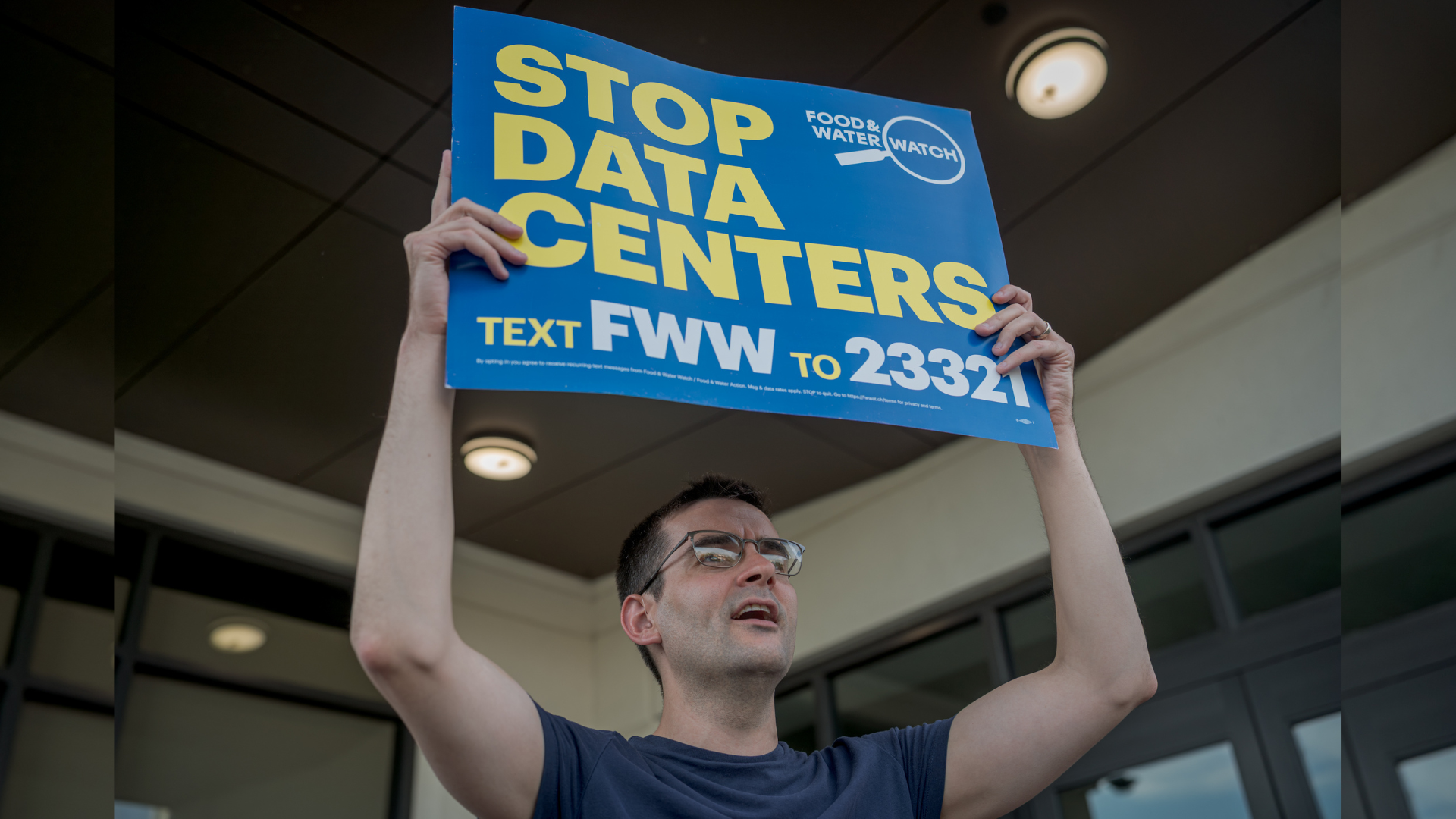
Emporia is set to host a public vote in November regarding a potential ban on the data center. This ballot measure represents a critical test of democracy in the AI age. However, even this process is fraught with complications; the city has noted that even if voters pass an ordinance to block the facility, its legal standing—and whether the petition itself is valid—remains a matter for future litigation.
The battle in Kansas is a microcosm of a broader national struggle. As the demand for AI infrastructure continues to grow, more communities will face the pressure to trade their local autonomy for the promise of technological progress.
Conclusion: The Road Ahead
For Lux Claridge, the ordeal is far from over. The referral of the case to the County Attorney’s office suggests that the authorities are not yet ready to abandon their pursuit of the matter. For the citizens of Emporia, the upcoming November vote will serve as a referendum not just on a data center, but on the type of community they wish to inhabit—one where dissent is silenced, or one where the voices of residents, however disruptive they may seem to officials, are protected as a cornerstone of the democratic process.
The "Emporia Incident" serves as a stark warning to other municipalities: transparency and public engagement cannot be treated as optional inconveniences. When the government attempts to gatekeep the public’s right to react, it risks turning a local planning dispute into a lasting symbol of institutional failure. As the legal process continues to unfold, the nation watches, waiting to see whether the right to clap for one’s beliefs is protected under the First Amendment, or if it remains a liability in an era of corporate-driven development.