Pevita Pearce
By [Your Name/Journalistic Desk]
Updated: June 25, 2026
The gaming industry is facing a period of unprecedented economic turbulence. In a move that has sent shockwaves through the consumer electronics market, Microsoft announced on June 25, 2026, that it will be significantly increasing the retail price of its Xbox console lineup. Effective August 1, 2026, gamers looking to enter the Xbox ecosystem will be met with a steep hike: $100 added to the price of 512GB models and a $150 increase for 1TB variants.
This decision, while framed by Microsoft as a necessary response to global supply chain volatility, underscores a grim reality for the gaming sector: the era of affordable, mass-market console hardware may be coming to a permanent close.

A Chronology of Increasing Costs
This latest adjustment marks the second time within a year that Microsoft has altered its pricing structure. In October 2025, the company implemented a modest $20 to $70 increase across various SKUs—a move that, at the time, was seen as a manageable adjustment to inflation. However, the June 2026 announcement suggests that the economic conditions affecting the tech sector have deteriorated far more rapidly than analysts anticipated.
The timeline of these price hikes mirrors the broader struggles of the semiconductor and storage industries. Since early 2026, reports have consistently signaled that the costs for high-density memory and advanced processing units—the lifeblood of modern gaming consoles—have been trending upward. What was a minor correction in late 2025 has now snowballed into a significant fiscal challenge, forcing hardware manufacturers to choose between operating at a loss or passing the burden onto the consumer.
The Economics of Hardware: A Losing Battle
To understand why Microsoft is taking such an unpopular step, one must look at the unique business model of console gaming. Unlike the smartphone or PC industries, where manufacturers typically realize a profit margin on each unit sold, consoles are often treated as "loss leaders." Historically, companies like Microsoft, Sony, and Nintendo have sold hardware at a break-even point or at a loss, betting that they will recoup their investments through software sales, subscription services like Game Pass, and digital storefront commissions.

However, the margin for error in this model has vanished. In its official statement, Microsoft explicitly noted that "console storage and memory prices have increased by more than 2.5x," with forecasts predicting a further doubling of these costs by the fall of 2027.
"Unlike phones, computers, speakers, and other consumer devices, consoles are typically not sold at a profit, but instead for less than they cost to make," the company stated. When the cost of production—specifically the NAND flash memory and high-speed RAM required for modern 4K gaming—skyrockets, the traditional "loss leader" strategy becomes mathematically unsustainable.
A Wider Industry Trend: The "Price Creep"
Microsoft’s move is not an isolated incident; it is a symptom of a systemic shift across the entire technology landscape. The hardware market is currently grappling with a "perfect storm" of AI-driven demand for data centers, which is gobbling up the global supply of high-end chips, and a general cooling of the consumer electronics sector.

The evidence of this trend is visible across the industry:
- Valve’s Steam Machine: The upcoming high-performance hardware from Valve has been priced at a staggering $1,049 for the base 512GB model—a price point that excludes the controller, further emphasizing the rising cost of entry.
- The Software Tax: It is not just the hardware that is becoming expensive. The industry standard for "AAA" titles has shifted to $79.99, with "Ultimate Editions" often breaching the $100 mark. The upcoming release of Grand Theft Auto 6 is the most prominent example of this new pricing floor.
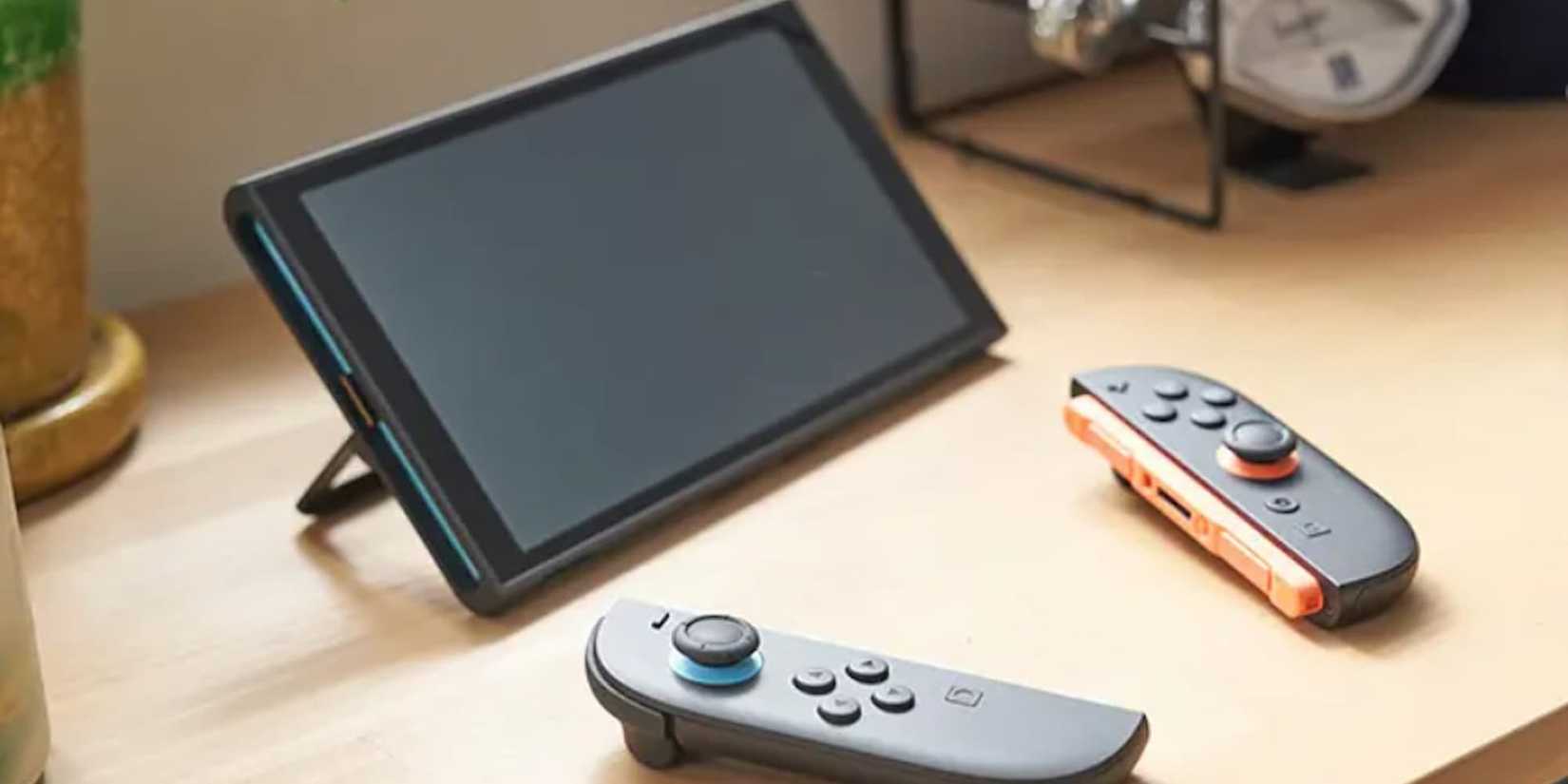
- Competitor Shifts: Both the Nintendo Switch 2 and the PlayStation 5 have seen price adjustments or high-end pricing tiers that reflect the same inflationary pressures Microsoft is citing.
The "Buy Now, Pay Later" Pivot
In an attempt to soften the blow for consumers, Microsoft has confirmed that it will be integrating "Buy Now, Pay Later" (BNPL) services directly into the Microsoft Store for hardware purchases. While this provides an immediate financial stop-gap for some, it has drawn criticism from industry observers. By encouraging debt-based consumption for hardware, the company is attempting to keep the barrier to entry low in appearance while the actual price of the hardware rises.
This strategy signals a shift in how Microsoft views its hardware base. If consumers cannot afford the upfront cost of a machine, the company is willing to facilitate financing to keep them within the Xbox ecosystem—a move that prioritizes long-term service revenue over the one-time sale of a box.

The Implications: A Stagnant Future?
The most pressing question for the industry is what this means for the next generation of consoles. We are currently six years into the lifecycle of the PlayStation 5 and Xbox Series X|S. Usually, by this point in a cycle, manufacturers would be heavily investing in the development and marketing of "mid-gen" refreshes or teasing the next generation.
However, the current economic climate is creating a "prohibitive barrier" scenario. If a mid-range console costs nearly $700 or $800, what will the next generation cost? If a console launch price hits $900 or $1,000, will the average consumer be willing to pay it?
This pricing reality may lead to a significant extension of the current console generation. If manufacturers cannot justify the cost of producing new hardware that the market can afford, we may see a future where the current hardware remains the standard for far longer than in previous decades. This, however, comes with a trade-off: developers are limited by the aging hardware, and the "wow factor" of new releases may diminish as the hardware remains static.

The Human Cost: Layoffs and Strategy
It is impossible to discuss the rising cost of hardware without mentioning the human cost currently being felt across the gaming sector. The recent layoffs at companies like Compulsion Games and Bungie paint a grim picture of an industry attempting to cut costs wherever possible.
When companies are forced to choose between the high cost of R&D for new hardware and the payroll of their development teams, the results are often devastating. The industry is currently in a state of consolidation and contraction. As hardware becomes more expensive to build, the pressure to produce "guaranteed hits" increases, which often leads to the cancellation of experimental projects and a reduction in staff.
Conclusion: The New Normal
The August 1st price hike is more than just a line-item adjustment on a balance sheet; it is a defining moment for the gaming industry. It signals the end of the "subsidized console" era and forces consumers to confront the true, rising cost of high-performance technology.
For the average gamer, the path forward is uncertain. We are entering a period where hardware will be more expensive, games will be more costly, and the frequency of "new" tech will likely slow down. As the industry battles the dual pressures of supply chain inflation and the massive, resource-heavy demands of modern software development, one thing is clear: the cost of play has never been higher, and the industry is still searching for a way to make that cost sustainable for the millions of fans who drive it.
As we look toward 2027 and beyond, the industry’s ability to innovate will be tested not just by its creative output, but by its ability to provide value in a world where the hardware itself is becoming a luxury item. Whether the market will continue to support these price points remains the industry’s most critical, and as-yet-unanswered, question.


 Asro
Asro
 Muslim