Ammar Sabilarrohman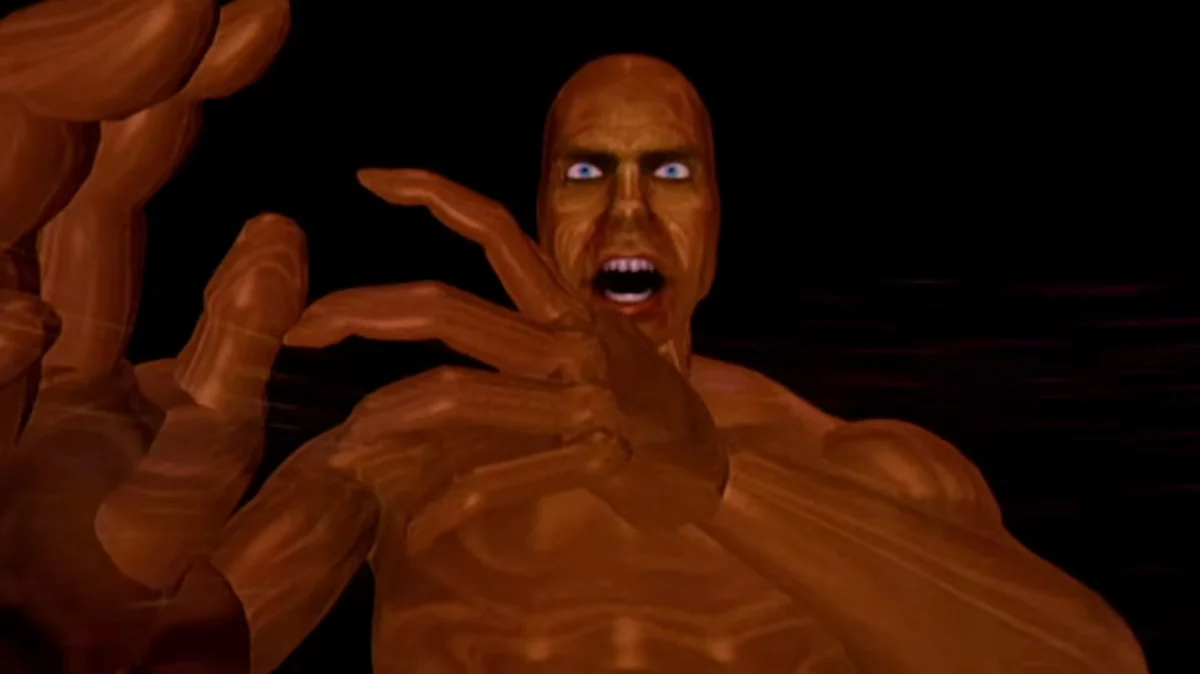
In the vast, sprawling cinematic landscape of Stephen King adaptations, few stories are as bizarre, litigious, or historically significant as the 1992 film The Lawnmower Man. Currently available to stream on Prime Video, the film stands as a fascinating, if unintentionally comical, artifact of early 1990s digital optimism. However, beneath its neon-soaked, primitive computer-generated imagery (CGI) lies a bitter legal battle that pitted the world’s most successful horror author against a major studio, resulting in a landmark ruling that forever changed how creative rights are managed in Hollywood.
Main Facts: A Tale of Two Stories
To understand the animosity Stephen King harbored toward the film, one must first look at the source material. King’s short story, "The Lawnmower Man," was first published in the May 1975 issue of Cavalier magazine and later collected in his 1978 anthology, Night Shift.
The original story is a grotesque, satirical piece of folk horror. It follows Harold Parkette, a suburban man who hires an eccentric, grass-eating, Pan-worshiping landscaper to tend to his lawn. The story culminates in a surreal, bloody ritual that leans into the pagan, primal horror King mastered in his early career. It is brief, unsettling, and distinctly grounded in the macabre.
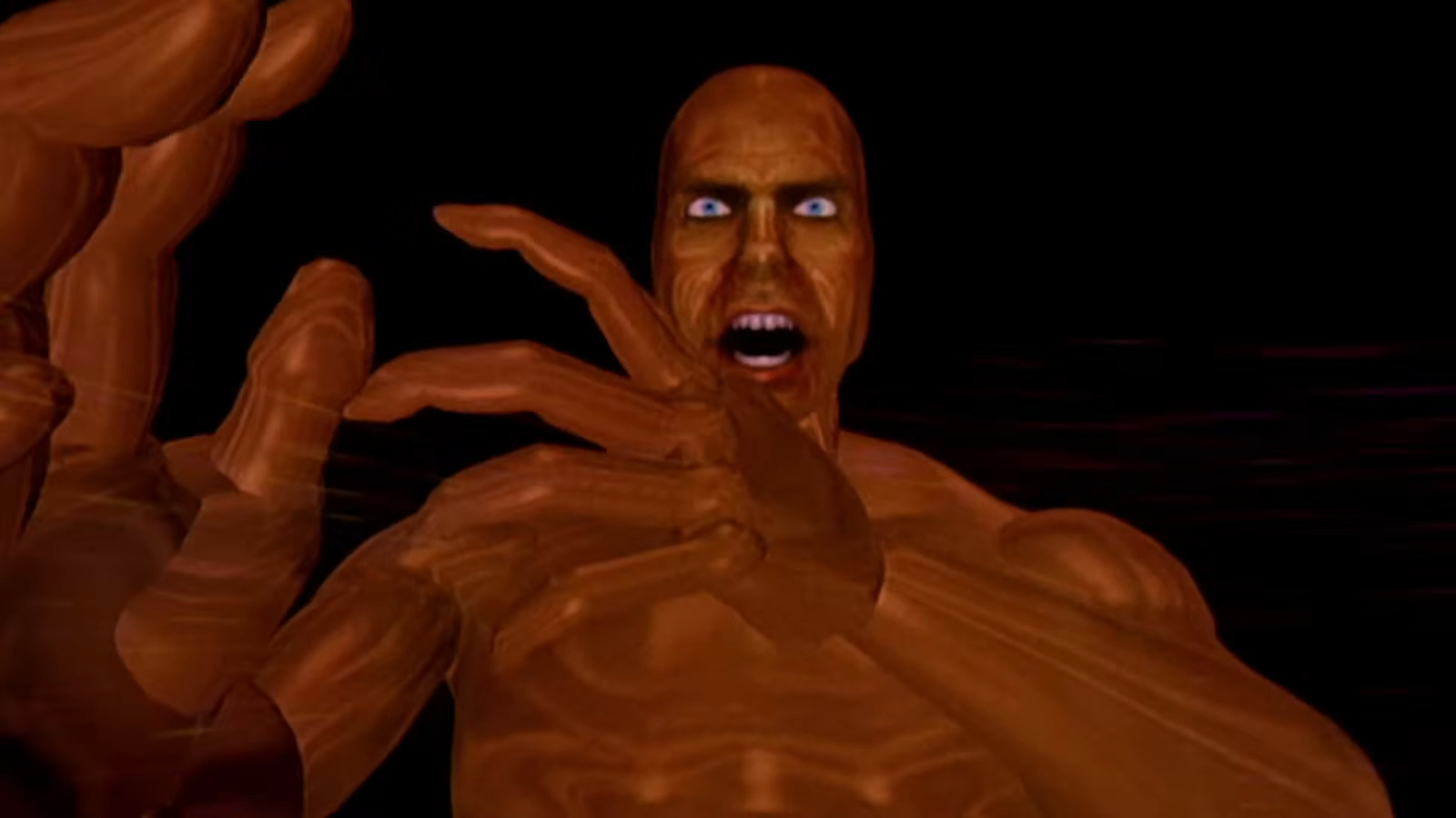
Conversely, the 1992 film directed by Brett Leonard is a techno-thriller that shares almost nothing with the source material beyond the title. Starring Pierce Brosnan as the ambitious Dr. Lawrence Angelo and Jeff Fahey as Jobe Smith, the intellectually disabled man he transforms into a digital god, the film serves as a cautionary tale about the dangers of unchecked artificial intelligence and virtual reality. It is a story of neuro-augmentation, government conspiracies, and psychic evolution—themes that bear zero resemblance to the lawn-mowing, goat-sacrificing gardener of King’s prose.
A Chronology of the Disconnect
The journey of The Lawnmower Man from script to screen is a cautionary tale of corporate branding versus artistic integrity.
- 1975–1978: Stephen King publishes "The Lawnmower Man." The story gains a modest cult following within his Night Shift collection.
- 1991: New Line Cinema enters production on a film initially titled Cyber God. The studio, looking to capitalize on the growing popularity of King’s brand, opts to rebrand the film as Stephen King’s The Lawnmower Man.
- 1992: The film premieres. King, having viewed the finished product, is reportedly horrified by the complete lack of thematic alignment between his work and the final cut.
- 1992 (March): King files a lawsuit against New Line Cinema. He demands his name be removed from the title, marketing, and credits, arguing that the studio was "strip-mining" his reputation to sell a film that had no creative connection to his writing.
- 1994: Following a protracted legal battle, a federal court rules in King’s favor. New Line is ordered to pay damages, and while they are permitted to keep the title, they are forced to remove King’s name from all marketing materials and the film’s credits.
Supporting Data: Box Office vs. Critical Reception
Despite the controversy, The Lawnmower Man was a financial success that defied expectations. Produced on a modest budget of approximately $10 million, the film grossed $32 million at the domestic box office. When factoring in international distribution and home video rentals, the total revenue reportedly climbed toward the $250 million mark, making it one of the most profitable independent films of 1992.
Director Brett Leonard, speaking in a 2016 retrospective with /Film, defended the film’s success as a reflection of its forward-thinking technological themes. "People call it a ‘cult film,’" Leonard noted. "It’s a cult film in its concept, but it was very much a mainstream independent film from a financial standpoint."
However, from a critical and legacy standpoint, the film has fared poorly. Critics at the time were baffled by the juxtaposition of its high-minded, pseudo-scientific dialogue and its rudimentary, polygonal graphics. Today, the film serves as a time capsule of "cyber-hype"—the early 90s obsession with the internet and VR that feels laughably dated to modern audiences.
Official Responses and The Author’s Fury
Stephen King’s reaction to the marketing of the film was swift and unsparing. His ire was not directed at the existence of the movie itself, but at the deceptive use of his name as a marketing tool to lure in his established fanbase.
In a 1992 interview with the Los Angeles Times, King did not mince words: "It’s the biggest rip-off that you could imagine because there’s nothing of me in there. It just makes me furious. My name shouldn’t be on it… They’re interested in exploiting me. My work is being strip-mined by the same studio that gave us the ‘Ninja Turtles.’"
King viewed the situation as a moral issue. For an author who has been adapted more than almost any other in history, the sanctity of his name is his primary commodity. By branding a film as "Stephen King’s" when it contained none of his signature horror, psychological depth, or narrative style, the studio was effectively committing consumer fraud. The court’s decision to award King $2.5 million in damages underscored the legal precedent that an author’s name carries significant brand equity and cannot be used in bad faith.
Implications: The Legacy of the Lawsuit
The fallout from The Lawnmower Man lawsuit had profound implications for how studios approach adaptations.
1. Contractual Safeguards
Following the 1994 ruling, studios became significantly more cautious about attaching author names to projects that deviated sharply from the source material. It led to more stringent "approval rights" clauses in author contracts, ensuring that creators have a say in how their work is marketed and how much of their brand is applied to a project.
2. The Definition of "Adaptation"
The case forced a legal conversation about what constitutes an "adaptation." If a studio buys the rights to a story, do they own the right to use the author’s name on a completely different script that happens to share a title? The ruling established that there must be a tangible, identifiable link between the source material and the finished product to justify the use of the author’s brand.
3. The Digital Afterlife
Despite the lawsuit and the subsequent removal of his name, The Lawnmower Man remains inextricably linked to King in the public consciousness, even if only as a trivia footnote. The film’s presence on Prime Video serves as a reminder of an era where "VR" was the buzzword of the century, and where Hollywood’s hunger for brand-name recognition often outweighed the artistic reality of the films they produced.
Why It Matters Today
Watching The Lawnmower Man in the modern era is a surreal experience. Pierce Brosnan, appearing just before his tenure as James Bond, delivers a performance that oscillates between earnest and absurd. The visual effects, which were once cutting-edge, now look like a screensaver from the mid-90s.
Yet, the film is worth watching—not because it is a great adaptation of a Stephen King story, but because it is a fascinating piece of pop-culture history. It represents a collision between the literary world and the burgeoning digital age, a moment in time when a studio thought they could use a famous name to dress up a low-budget tech-thriller as a literary masterpiece.
Stephen King was right to be furious. By forcing the hand of New Line Cinema, he protected the integrity of his bibliography and set a standard for creative ownership that still resonates today. While you won’t find the soul of a King story in this film, you will find a strange, neon-colored cautionary tale about what happens when commerce tries to rewrite an author’s legacy. If you have a penchant for 90s kitsch and want to see the movie that caused one of the most famous legal spats in literary history, it is waiting for you on Prime Video—just don’t expect to find any lawnmowers.

 Lina Hope
 Azzam Bilal Chamdy