Lina Hope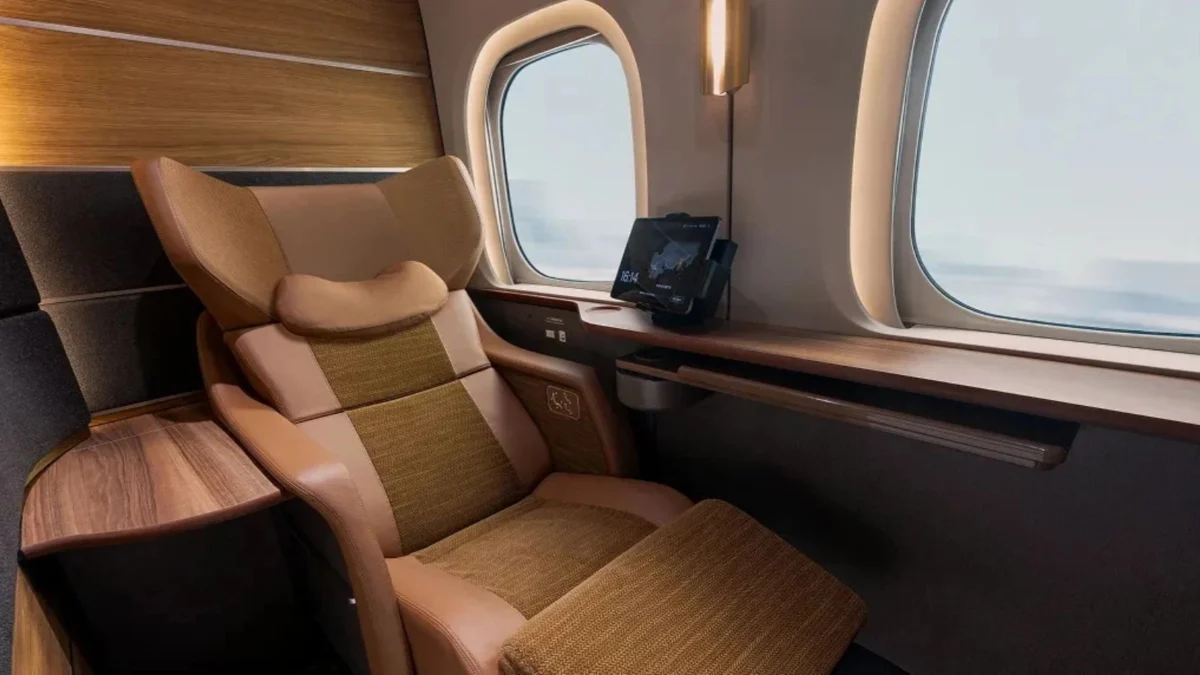
For decades, Japan’s Shinkansen—the legendary "bullet train"—has stood as the global gold standard for public transportation. Renowned for its almost surgical precision, whisper-quiet operation, and a punctuality record that makes the rest of the world’s rail networks look amateurish, the Shinkansen has long been a source of national pride. However, while the service has mastered efficiency, it has historically remained an egalitarian experience, with even the premium “Green Car” carriages adhering to an open-plan seating arrangement.
That is about to change. On October 1, JR Central and JR West will officially launch a new, ultra-exclusive tier known as “Supreme Class.” Marking a departure from the traditional communal nature of Japanese high-speed rail, this upgrade introduces private, lockable cabins that promise a level of seclusion and luxury previously reserved for first-class international aviation or high-end hotel suites.
The Evolution of the Bullet Train: A Chronology of Innovation
To understand the magnitude of the “Supreme Class” launch, one must look at the trajectory of the Shinkansen since its inception in 1964.
- 1964: The Beginning: The Tōkaidō Shinkansen opened just in time for the Tokyo Olympics, revolutionizing travel between Tokyo and Osaka.
- The Mid-Career Peak: Over the decades, the trains became faster, quieter, and more frequent. Services like the Nozomi and Hikari became the arteries of Japanese commerce, allowing for a 1,400km journey from Tokyo to Kagoshima to be completed in roughly seven hours with near-zero deviation from the schedule.
- 2020s: The Shift to Personalization: Recognizing a post-pandemic shift in consumer demand—where travelers are increasingly willing to pay a premium for personal space and isolation—rail operators began exploring the concept of the “private mobile office.”
- 2024-2025: Development: JR Central and JR West began retrofitting select N700S series trains. The design philosophy shifted from "maximum capacity" to "maximum comfort."
- September 15, 2026: The booking window officially opens at 5:30 AM JST via the Smart EX digital platform.
- October 1, 2026: The official inaugural service for Supreme Class cabins commences on the Tokaido and Sanyo lines.
The Architecture of Seclusion: What “Supreme Class” Offers
The “Supreme Class” is not merely a seat upgrade; it is a fundamental redesign of the passenger experience. Positioned well above the existing Green Car tier, these cabins are limited in number, creating an immediate sense of exclusivity and scarcity.
Each retrofitted train will feature only two private rooms:
- The Solo Suite (Car 10): Designed for the high-powered executive or the solitary traveler seeking complete tranquility.
- The Duo Suite (Car 7): A more spacious room designed for pairs, even featuring a sofa to facilitate relaxation or collaborative work.
High-Tech Comforts
The cabin experience is governed by a dedicated tablet interface. Passengers function as their own concierges, with full control over ambient lighting, climate control, and connectivity. Notable features include:
- Acoustic Engineering: Integrated speakers within the headrest ensure that audio from devices or internal entertainment systems remains isolated, maintaining the cabin’s silence.
- Connectivity: High-speed, dedicated Wi-Fi ensures that despite the train reaching speeds of up to 300 km/h, the passenger remains seamlessly tethered to the digital world.
- Ergonomics: Large, fully reclining seats replace the standard train chairs, designed for long-distance comfort that mimics a bed-like position.
Financial Implications and Pricing Structure
The transition to luxury comes with a significant price tag. JR Central has clearly positioned this service for business travelers on expense accounts and affluent tourists looking to indulge.
According to data reported by Time Out, the pricing is as follows:
- Tokyo to Shin-Osaka (Solo): ¥42,100 (approx. $262 USD).
- Tokyo to Shin-Osaka (Duo): ¥60,500 (approx. $376 USD).
When compared to a standard reserved seat, which costs roughly ¥14,000 to ¥15,000 for the same route, the “Supreme Class” represents a nearly threefold increase in cost. However, analysts suggest that for those who value privacy, the ability to work uninterrupted, or the novelty of a private rail suite, the price is competitive with domestic air travel—particularly when considering the time saved by not having to travel to and from airports.

Official Perspectives and Market Strategy
JR Central and JR West have remained characteristically understated about the launch, framing it as a response to evolving lifestyle needs. A spokesperson for the rail operator noted that the project is a pilot to test the viability of “on-board privacy.”
Industry analysts suggest that this move is a strategic hedge against the rise of remote work. By transforming the train into a "moving private office," the Shinkansen effectively competes with the convenience of a home office. Furthermore, by limiting the number of suites to just two per train, the operators ensure that the product maintains an aura of prestige, preventing the cannibalization of their traditional business-class and economy-class revenue streams.
The Broader Implications for Rail Travel
The introduction of private cabins into the Shinkansen ecosystem is a bellwether for the future of mass transit. As high-speed rail networks expand globally, the competition between airlines and trains is intensifying.
1. The "Luxury Rail" Trend
Japan is following a global trend where rail travel is being repositioned as a luxury experience rather than a utilitarian one. By providing lockable, private spaces, the Shinkansen is effectively blurring the lines between a high-speed train and a private jet, potentially drawing passengers away from domestic short-haul flights.
2. Digital Integration
The use of the Smart EX system for exclusive online booking indicates a move toward a more digitized, frictionless passenger journey. The fact that tickets cannot be purchased at a physical station window reinforces the "elite" status of the cabin and streamlines the boarding process.
3. Future Scaling
The news that a "semi-private" seat option is slated for fiscal 2027 suggests that the "Supreme Class" is only the first phase of a broader rollout. If the initial private suites prove successful, travelers can expect to see these configurations expanded across the network, potentially democratizing a form of privacy that is currently limited to the ultra-wealthy.
Conclusion: A New Era of Travel
While the Shinkansen has always been the gold standard for getting from A to B as quickly and reliably as possible, the "Supreme Class" cabins suggest a shift in priority: the journey is no longer just about the destination. For the passenger who values their solitude, the ability to lock a door, adjust their lighting, and watch the Japanese landscape blur past from the comfort of a private suite is a transformation that few could have imagined a decade ago.
As Japan continues to embrace high-tech solutions—from AI-driven robotics to these hyper-modern rail cabins—the message is clear: the future of travel is not just fast; it is personal, private, and exceptionally comfortable. Whether or not this luxury tier will eventually see widespread adoption across the fleet remains to be seen, but for the lucky few who secure a booking starting this September, the Shinkansen experience is about to become a whole lot more exclusive.


 Nana Wu