Rifan Muazin
The release of Supergirl this weekend marks a pivotal moment for the DC Universe (DCU). Following the successful, albeit high-stakes, introduction of James Gunn’s Superman (2025) last summer, the franchise is officially moving beyond its inaugural chapter. With Milly Alcock stepping into the iconic role of Kara Zor-El—joining a storied legacy of actresses like Sasha Calle and Melissa Benoist—the DCU is beginning to weave a complex, multi-generational tapestry of history, space-faring adventures, and grounded heroism.
However, the launch of Supergirl has been met with a polarized reception. Currently sitting at a 57% approval rating on Rotten Tomatoes, the film has sparked intense debate among critics and fans alike. While the performances have been largely praised, criticisms have been leveled at the film’s pacing, its reliance on specific source-material villains like Krem of the Yellow Hills, and perceived inconsistencies in tone. As the DCU navigates its infancy, Supergirl stands as both a necessary expansion of lore and a cautionary tale regarding the challenges of building a shared cinematic universe.

The Genesis of the DCU: A Historical Foundation
To understand where the DCU is heading, one must look at where it began. The opening crawl of Superman (2025) established that the presence of metahumans on Earth is not a new phenomenon. According to the film’s lore, these super-powered beings first arrived on our planet roughly three centuries ago, placing their debut in the 1700s. This revelation fundamentally alters the historical trajectory of the DCU’s Earth, suggesting a world that has been living in the shadow of the extraordinary for hundreds of years, rather than reacting to the sudden arrival of gods and monsters.
This long-standing history provides a rich sandbox for future storytelling, allowing the studio to pivot between period pieces and modern-day conflicts. It also explains the public’s varied reaction to Superman’s arrival: the world is not necessarily surprised by the concept of "power," but rather by the specific, benevolent nature of this particular Man of Steel.

A Chronological Breakdown: From Krypton to the Stars
The events of Supergirl serve to flesh out the timeline established by Superman. By dissecting the sequence of events across these two films, we gain a clearer picture of the DCU’s internal clock.
1995: The Fall of Krypton
The destruction of Krypton remains the anchor point for the DCU’s emotional stakes. In 1995, the planet’s destabilization—a crisis identified by Jor-El but ignored by his peers—led to the extinction of almost all Kryptonians. Flashbacks in Supergirl provide a more intimate look at this tragedy, introducing us to Kara’s father, Zor-El (played by David Krumholtz), who serves as a tragic mirror to his brother, Jor-El.

2003: The Argo City Interlude
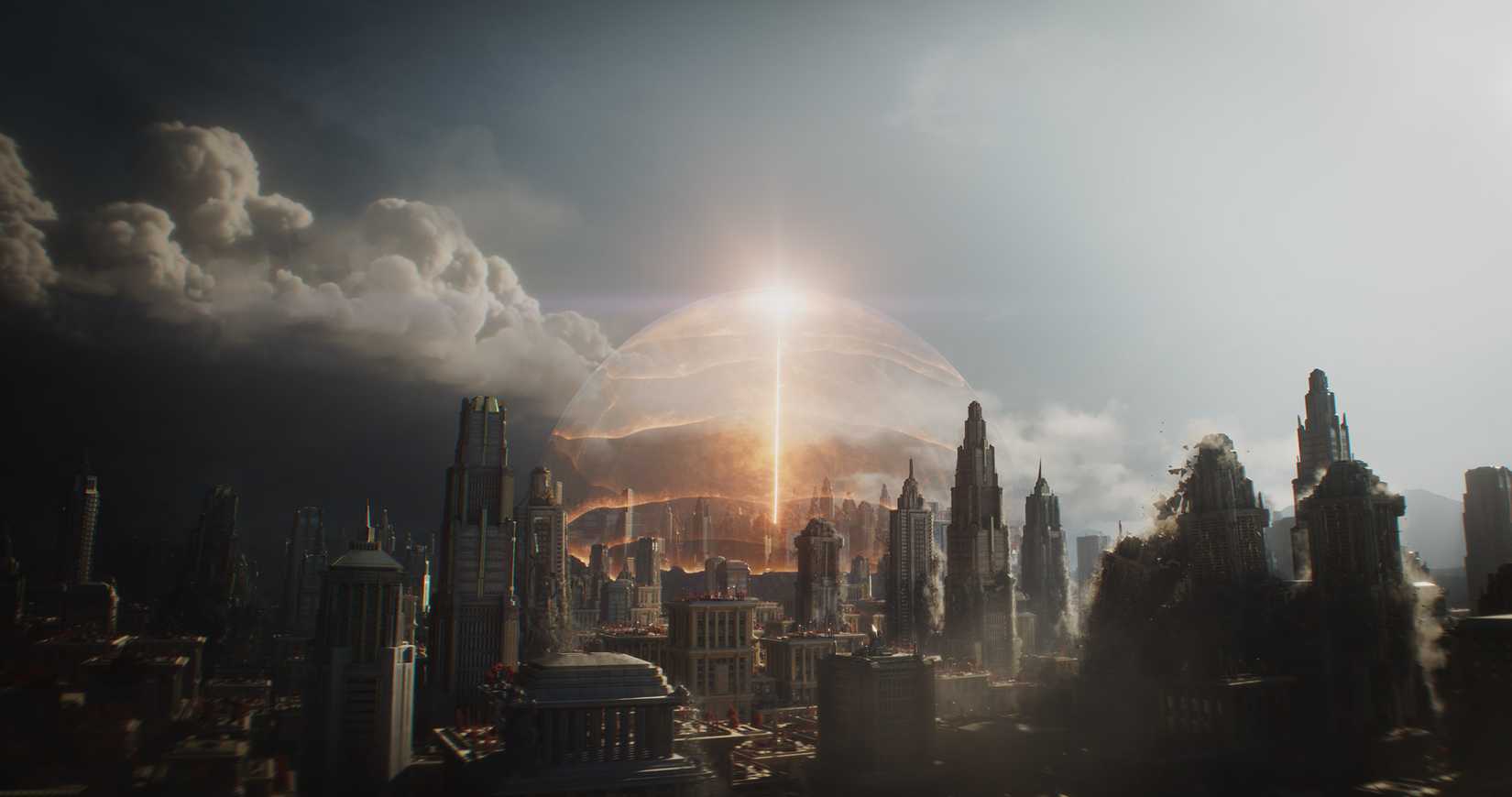
Supergirl expands the mythology significantly by detailing the survival of a group of Kryptonians in the remnants of Argo City. For eight years following the planet’s destruction, these survivors attempted to maintain their society in the stars. It was here, in 2003, that Kara Zor-El was born. This period of her life, spent in the relative isolation of space, provides the necessary contrast to Kal-El’s upbringing in the heart of the American Midwest.
2021: Tragedy and Departure
The narrative tension of Supergirl kicks into gear in 2021. As the Kryptonians on Argo City fall ill due to the proliferation of Kryptonite—a toxic mineral found on the city’s surface—Kara’s mother, Alura In-Ze, tragically passes away. This moment serves as the catalyst for Kara’s departure. Unlike the narrative of Kal-El, who was sent to Earth to preserve a legacy and potentially rule, Kara is sent by a desperate father who simply wants her to survive and, eventually, to show the universe the best of what Krypton could have been.

2022–2025: The Rise of the Man of Steel
The year 2022 saw the public unveiling of Superman. Unlike his parents’ original intentions—which sought to use him as a figure of authority—Clark Kent chose to integrate himself into humanity. This choice defined his character arc, leading directly into the events of the 2025 Superman film.
In May 2025, the world watched as Lex Luthor (Nicholas Hoult) attempted to manipulate global politics by leaking the colonialist rhetoric of Superman’s Kryptonian heritage. During this period, Superman not only thwarted Luthor’s schemes in the nation of Jarhanpur but also battled a clone—Ultraman—designed by Luthor to serve as the ultimate antithesis to the hero.
2026: Kara’s Odyssey
The current film, Supergirl, picks up shortly after these events. Kara’s arrival on Earth brings her into contact with her cousin, Kal-El. The film’s emotional core is her journey to recover an antidote for her companion, Krypto, after they are targeted by the lethal Krem of the Yellow Hills. The introduction of Lobo (Jason Momoa) adds a layer of cosmic unpredictability to the DCU, suggesting that the franchise is unafraid to lean into the weirder, more violent aspects of DC Comics lore.
Official Responses and Industry Reception
The mixed reception to Supergirl has prompted discussions among industry insiders regarding the creative direction of the DCU. Supporters of the film point to the stellar performance of Milly Alcock, who brings a distinct, world-weary grit to the role that sets her apart from previous iterations. The production design, particularly the visual representation of Argo City, has been lauded for its alien aesthetic and high-concept ambition.

However, the "Rotten" status on review aggregators cannot be ignored. Critics have specifically pointed to the decision to utilize "Krem of the Yellow Hills" as a primary antagonist—a character deep in the weeds of comic lore that may have alienated casual viewers. Furthermore, the humor has been described by some as "jarring" when juxtaposed with the darker, more somber themes of Kryptonian extinction and loss.
James Gunn, serving as producer, has maintained a stance of long-term vision. In recent press interactions, he has emphasized that the DCU is a marathon, not a sprint. The intention is to introduce a wide variety of characters and tones, meaning that not every film will cater to the same audience or strive for the same aesthetic.

Implications for the Future of the DCU
The implications of Supergirl’s performance are significant. For a nascent universe, the second film is often the "make or break" moment that determines whether a shared franchise has momentum.
- Tone Balancing: The studio must now determine how to balance the "Gunn-esque" humor—which worked for Superman—with the more dramatic elements of the Supergirl narrative.
- Character Integration: The successful crossover of Superman and Supergirl serves as a blueprint for future team-ups. The DCU has successfully established that its heroes are connected, but it must now ensure those connections feel earned rather than forced.
- Villain Selection: The backlash to the film’s villain suggests that the DCU may need to be more strategic about which antagonists it pulls from the comic pages. While niche characters provide fan service, the broader audience may require more recognizable threats to ground the stakes of these larger-than-life narratives.
Ultimately, Supergirl is a film of immense ambition. It attempts to juggle a complex intergalactic backstory, a new emotional dynamic between two of the world’s most powerful beings, and the introduction of cosmic mercenaries like Lobo. Whether or not it succeeds in the long run will depend on how future installments retroactively utilize the foundations laid here. For now, the DCU remains a work in progress—a bold, messy, and undeniably exciting experiment in modern blockbuster filmmaking.

As the credits roll on Supergirl, fans are left with one certainty: the DCU is committed to expanding its map, and it is willing to take risks, even if those risks occasionally lead to a bumpy landing. With the stage set for the future, all eyes will now turn to the next chapter to see how these pieces—Kryptonian, human, and cosmic—continue to coalesce.


 Layla Zulfa
 Sagoh
Sagoh