

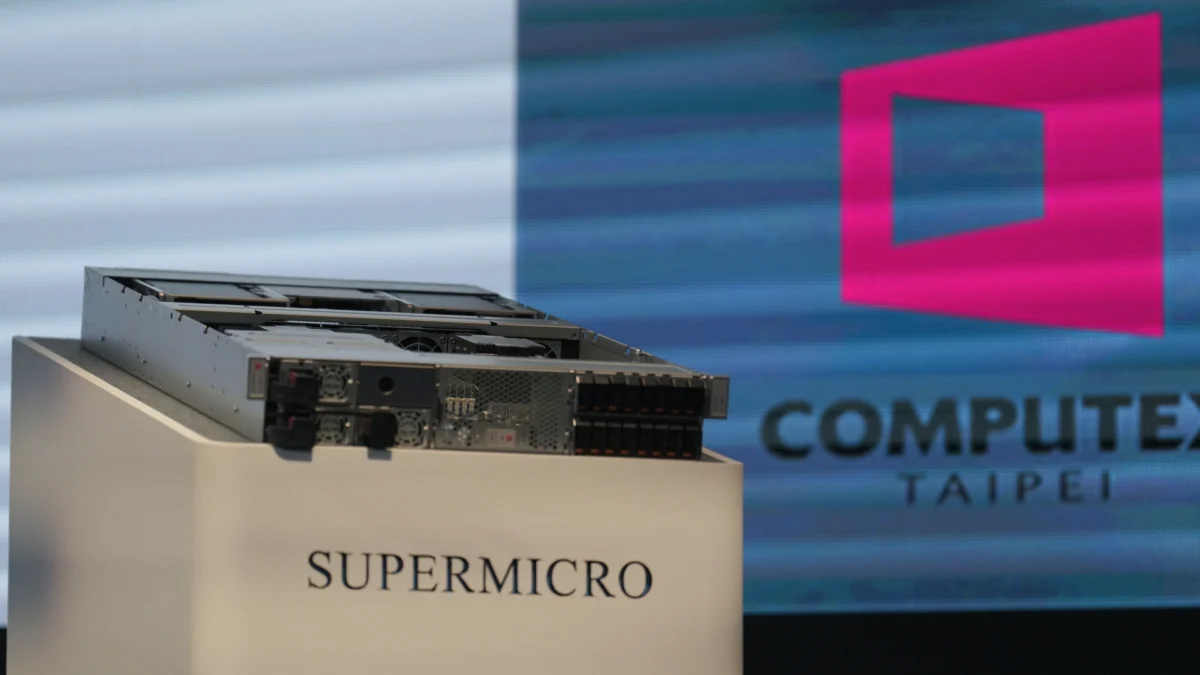
In an escalating global effort to enforce stringent export controls on advanced semiconductor technology, Taiwanese authorities recently executed a significant operation, seizing 50 high-performance servers from Super Micro Computer, Inc. (Supermicro). The raid, which resulted in the arrest of three individuals, is the latest chapter in a high-stakes geopolitical drama involving the illicit diversion of powerful AI hardware into the restricted Chinese market.
As the demand for generative AI capabilities surges, the hardware required to train large language models—specifically Nvidia’s high-end GPUs—has become the new "strategic oil." With the U.S. government tightening its grip on the flow of this technology to China, the secondary market has become a battleground for international intelligence, corporate compliance, and law enforcement.
The Chronology of Compliance and Conflict
The recent seizure in Taiwan serves as a microcosm of a much broader, systemic issue facing the tech industry. To understand how these servers ended up in the hands of suspected smugglers, one must look at the timeline of mounting pressure on hardware manufacturers.
The Escalating Regulatory Landscape
The U.S. government’s push to restrict China’s access to advanced computing power began in earnest with the goal of slowing the advancement of the Chinese military-industrial complex. However, as export controls became more granular, the task of tracking hardware through complex global supply chains became increasingly difficult.
- Mid-2024: Reports surfaced regarding widespread attempts to bypass U.S. export controls by using intermediaries in Southeast Asia and Japan to "launder" hardware destined for mainland China.
- August 2024: U.S. federal prosecutors filed charges against Yih-Shyan "Wally" Liaw, a co-founder of Supermicro, alleging involvement in a massive scheme to smuggle roughly $2.5 billion worth of servers to China. Liaw entered a plea of not guilty, but the indictment sent shockwaves through the industry.
- Late 2024: Nvidia CEO Jensen Huang publicly pressured partners, including Supermicro, to tighten compliance measures, signaling that the chip giant was unwilling to tolerate reputational damage stemming from the diversion of its products.
- November 2024: The Taiwanese authorities, acting on intelligence, intercepted a shipment of 50 Supermicro servers, arresting three suspects who allegedly planned to use Japan as a transshipment point to evade detection before forwarding the goods to Hong Kong.
The Anatomy of the Smuggling Operation
The logistics of the intercepted shipment reveal a sophisticated attempt to exploit loopholes in international trade. According to investigators, the servers were not stolen from a warehouse or hijacked in transit. Instead, they were purchased through legitimate, authorized channels.
The "Authorized Reseller" Loophole
Supermicro has maintained that the servers in question were sold to a pre-vetted, authorized reseller. This highlights a critical vulnerability in the global supply chain: the "last mile" of distribution. Once a manufacturer hands over equipment to a third-party distributor, their direct oversight is diminished.
Smugglers often leverage these authorized relationships to acquire hardware legally, then promptly divert the shipment before the final delivery is verified by the manufacturer. By routing these shipments through countries like Japan, where customs protocols for certain electronic components may be less stringent or where documentation can be falsified to obscure the ultimate destination, the illicit network successfully bypassed the strict "end-user" certifications required by U.S. law.
Official Responses and Corporate Strategy
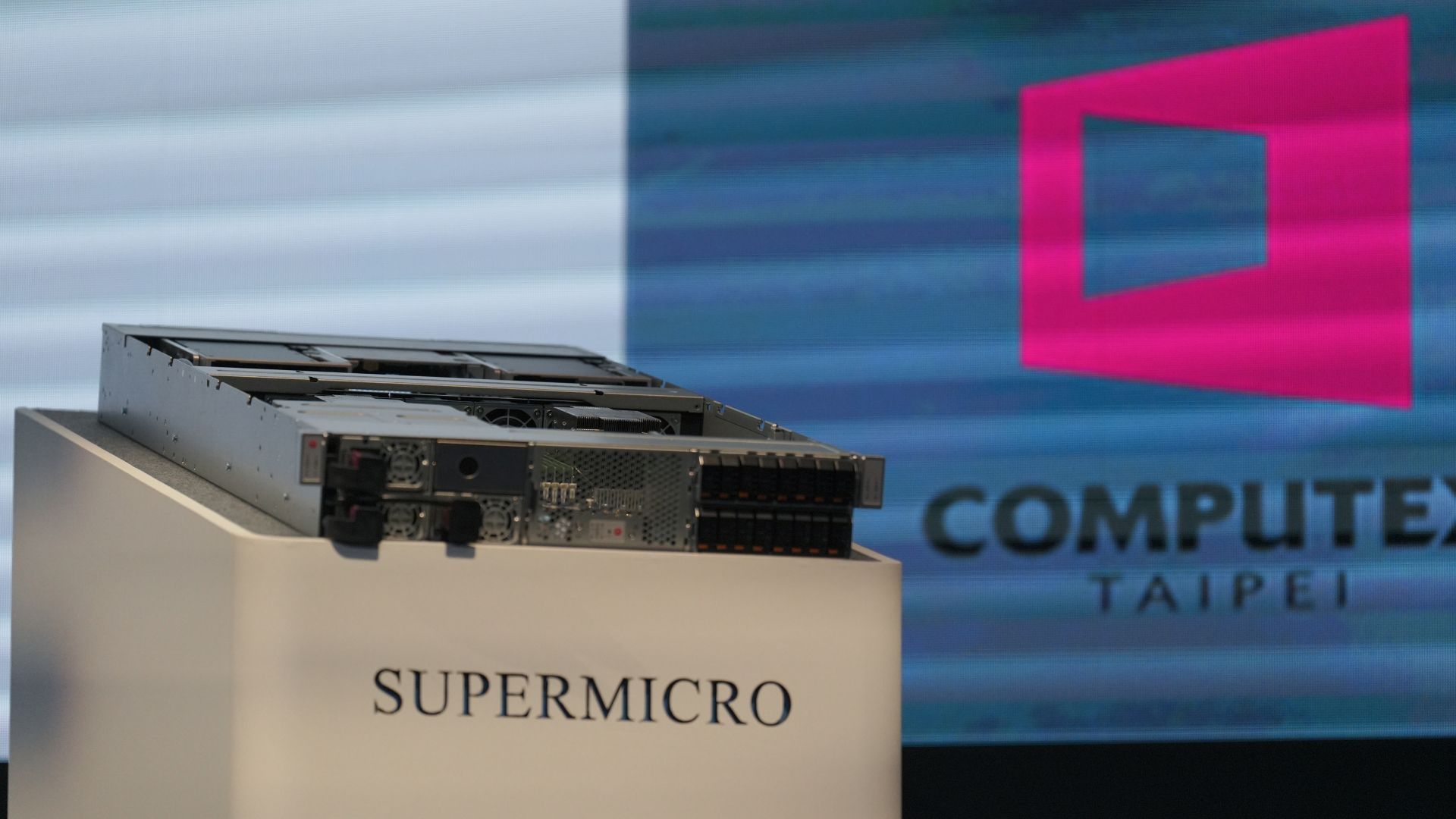
Supermicro’s public response to the Taiwan incident has been one of damage control and proactive collaboration with law enforcement. In a formal statement released following the seizures, the company sought to distance itself from the illicit activities of the downstream actors.
"Supermicro is committed to protecting our advanced technologies and intellectual property," the company stated. "We are proud to have worked closely with Taiwanese authorities on the recent event, helping to prevent the illicit diversion of our highly sought-after systems into the restricted China market."
The company further emphasized that its initial sale followed a "rigorous vetting and review process that exceeded applicable government requirements." By framing the incident as a failure of downstream parties rather than a failure of internal corporate controls, Supermicro is attempting to insulate itself from further regulatory scrutiny. However, the recurring nature of these incidents suggests that both Supermicro and its partner, Nvidia, are under immense pressure to adopt more intrusive tracking measures, such as embedded hardware-level geofencing or real-time diagnostic reporting.
Implications for the AI Hardware Market
The ripple effects of this smuggling crackdown are being felt far beyond the boardroom. For the tech industry, the implications are profound, touching on everything from stock market volatility to the future of global hardware distribution.
Market Volatility and Investor Sentiment
When news of the U.S. charges against Supermicro co-founder Wally Liaw broke earlier this year, the company’s stock valuation plummeted by nearly 30% in a single trading session. Investors are increasingly wary of "compliance risk." In an era where a company’s market cap is heavily tied to its ability to capture the AI boom, any disruption in supply chains or potential for heavy fines from the Department of Commerce acts as a major drag on valuation.
The Push for Radical Transparency
Some U.S. senators are now advocating for a wholesale ban on export licenses for Nvidia hardware to not only China but also to regions like Malaysia, Thailand, and Vietnam—countries that have frequently appeared as nodes in transshipment networks.
If such legislation passes, it would create a massive logistical hurdle for global data centers. Companies building AI infrastructure in Southeast Asia might be forced to prove, with extreme granularity, that their hardware is not being diverted. This would essentially shift the burden of proof from the manufacturer to the end-user, potentially stifling the growth of the AI industry in emerging markets.
The Future of Export Controls
The Trump administration’s proposal for a strict, centralized licensing system represents a shift toward a "guilty until proven innocent" model for high-performance computing hardware. Under this system, the government would have the power to block any sale that it deems carries a high risk of diversion, regardless of whether the buyer is a legitimate entity.
This creates a paradox for companies like Nvidia and Supermicro: they must sell at record volumes to satisfy the insatiable hunger for AI compute, but they must simultaneously act as the "policemen" of their own supply chains.
Conclusion: A New Era of Hardware Geopolitics
The seizure of 50 servers in Taiwan is a reminder that the digital infrastructure of the 21st century is as susceptible to geopolitical maneuvering as the oil pipelines of the 20th. As the divide between the West and China regarding AI capabilities continues to widen, the hardware that powers these systems will remain at the center of the conflict.
For manufacturers, the path forward is clear but costly. They must invest in deeper supply chain visibility, more stringent vetting of authorized resellers, and perhaps even hardware-based mechanisms that verify location and usage. Failure to do so will likely result in more than just seized servers; it could lead to the loss of their most lucrative market and a permanent transformation of how technology is distributed globally.
As law enforcement agencies in the U.S. and Taiwan continue their investigations, the industry will be watching closely. The era of frictionless global trade for high-performance computing hardware is coming to an end, replaced by an era of strict oversight, national security concerns, and the constant threat of regulatory intervention. For Supermicro, Nvidia, and their peers, the task is no longer just to innovate—it is to ensure that their innovations stay within the borders they are intended for.









No comments yet. Be the first to join the conversation!