

In the rapidly shifting landscape of digital communications, a new paradigm is emerging. While established giants like X (formerly Twitter) and Threads continue to battle for dominance through massive scale and algorithmic curation, a quieter, more intentional evolution is taking place on Bluesky. Built on the AT Protocol, Bluesky is positioning itself as a community-first network where transparency, user agency, and authentic dialogue replace the traditional "broadcast-at-all-costs" marketing model.
For modern brands, the question is no longer whether they should be on social media, but whether their current strategy accounts for the shift toward decentralized, interest-driven platforms. Bluesky is not simply another social app; it is a fundamental redesign of how digital communities connect.
The Evolution of the Decentralized Network: Main Facts
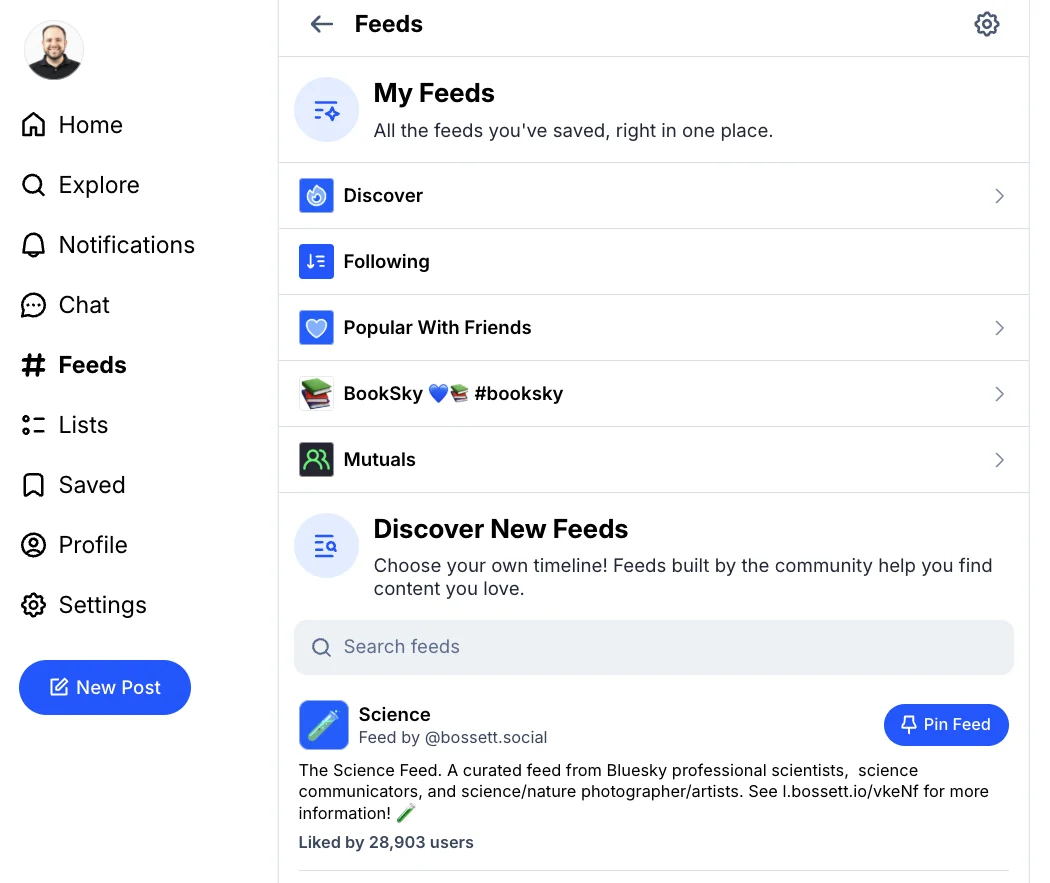
Bluesky represents a departure from the "walled garden" approach of legacy platforms. At its core, the platform operates on the AT Protocol—a federated, decentralized network architecture. This means that no single corporate entity maintains total control over the discovery process. Instead, users own their experience, selecting from a variety of community-built "Custom Feeds" that dictate how content surfaces.
This architectural shift has profound implications for marketing. On traditional platforms, visibility is often determined by a black-box algorithm designed to maximize time-on-site through sensationalism or paid amplification. On Bluesky, visibility is a byproduct of relevance. If a brand contributes meaningfully to a niche community, the decentralized structure rewards that participation by surfacing it within those specific interest clusters.
Chronology: From Experimental Protocol to Brand Haven
The rise of Bluesky has been a calculated, steady ascent rather than a sudden explosion.
- The Inception (2021-2022): Initially conceived as a project within Twitter to explore decentralized social protocols, Bluesky transitioned into an independent public benefit corporation.
- The Invitation Era (2023): The platform spent much of this period in a private beta, carefully curating its initial user base. This fostered a culture of tech-savvy early adopters, journalists, and researchers who prioritized platform stability and ethical design.
- The Public Pivot (2024-2025): Following the opening of public registration, Bluesky saw a surge in migration from users seeking alternatives to the high-friction environments of legacy platforms.
- The Brand Integration Phase (2026-Present): Brands began moving from "observer" status to active participants, leveraging features like custom domain verification to cement their digital identity within the federated ecosystem.
Supporting Data: Why the Shift is Significant
The move toward Bluesky is backed by shifting user sentiment. According to the 2024 Fire on the Hill survey, which analyzed the digital habits of professional journalists and media practitioners, Bluesky reported significantly higher adoption and engagement rates than its competitors.

While raw user numbers may appear smaller compared to legacy giants, the "quality of interaction" metric is where Bluesky excels. Data suggests that B2B entities, particularly those in SaaS, cloud software, and strategic communications, are finding higher conversion rates in terms of genuine lead nurturing. Because the platform is currently ad-free, the competitive noise is significantly lower, allowing organic, helpful, and transparent content to gain visibility that would be prohibitively expensive on other networks.
Official Responses and Platform Philosophy
The leadership at Bluesky has consistently emphasized that their goal is to provide a "protocol, not a platform." By allowing organizations to verify their identity through custom domains (e.g., @yourbrand.com), they have provided the gold standard for trust and authenticity in a decentralized space.
Brands like NPR and various public institutions have already adopted this standard. The official stance from the platform is that discovery should be a human-driven, opt-in experience. When a brand posts, they are not competing against a sponsored ad placement; they are participating in a conversation that users have actively sought out. This creates a "trust-first" environment that is difficult to replicate in high-volume, ad-saturated streams.

Strategic Implications: Building Your Bluesky Roadmap
A brand strategy on Bluesky requires a departure from traditional social media marketing. It is a transition from "broadcasting" to "contributing."
1. Goal Setting for an Organic-Only Environment
Because Bluesky lacks a traditional paid advertising infrastructure, performance metrics must evolve. Success should be measured through relationship-building indicators: the frequency of relevant replies, the inclusion of brand content in community-curated Feeds, and the depth of sentiment within your target niche.
2. Identifying Your Niche
Custom Feeds are the heartbeat of the platform. Brands must identify the specific Feeds where their target audience resides. Whether it is a feed dedicated to "Cloud Architecture" or "Sustainable Fashion," the goal is to align your content pillars with these existing digital hubs.

3. The Power of Custom Domains
Verification is a strategic imperative. By linking your brand identity to your official domain, you eliminate the threat of impersonation and signal to the community that you are an official, stable entity. This is a technical step that pays long-term dividends in brand equity.
4. Listening as a Competitive Advantage
Before posting, brands must engage in a period of active social listening. Understanding the specific vocabulary, humor, and pain points of your target community on Bluesky is essential. Utilizing tools like Sprout Social, which now integrates listening and monitoring for the platform, allows teams to catch emerging narratives and industry debates long before they hit the mainstream.
Navigating the Future of Decentralized Engagement
As the ecosystem continues to grow, the role of the marketer will shift from content creator to community facilitator. The ability to curate your own "brand-led" Custom Feed, for instance, allows companies to act as curators of industry expertise, further positioning themselves as thought leaders.

Sustaining Momentum
The sustainability of your Bluesky presence depends on a consistent, low-friction publishing rhythm. The platform favors conversational, human-centric posts over polished, corporate marketing collateral. A successful calendar blends evergreen industry insights with real-time participation in live discussions.
The Role of Integrated Tooling
Managing a Bluesky strategy alongside other social channels requires a unified dashboard. Relying on manual workflows or disjointed apps is a recipe for burnout. Using enterprise-grade management platforms ensures that your team can schedule content, monitor sentiment, and report on performance with the same rigor applied to established networks.
Conclusion: A New Era of Authentic Connection
Bluesky represents a maturation of social media. It is a return to the roots of the internet: a place for discovery, conversation, and community-driven knowledge sharing. For brands, the barrier to entry is not financial, but intellectual. It requires the willingness to engage as a peer rather than a monolith.

The brands that succeed on Bluesky over the next five years will be those that prioritize transparency and value-add contributions. As the network matures, the early adopters who have spent this time building trust and community will be the ones who define the norms of this decentralized future.
By leveraging predictive monitoring, committing to a transparent brand voice, and utilizing the robust verification tools provided by the AT Protocol, your organization can move beyond the "reach" metrics of the past and into an era of deep, resonant community engagement. The frontier is open—it is time to build.











