

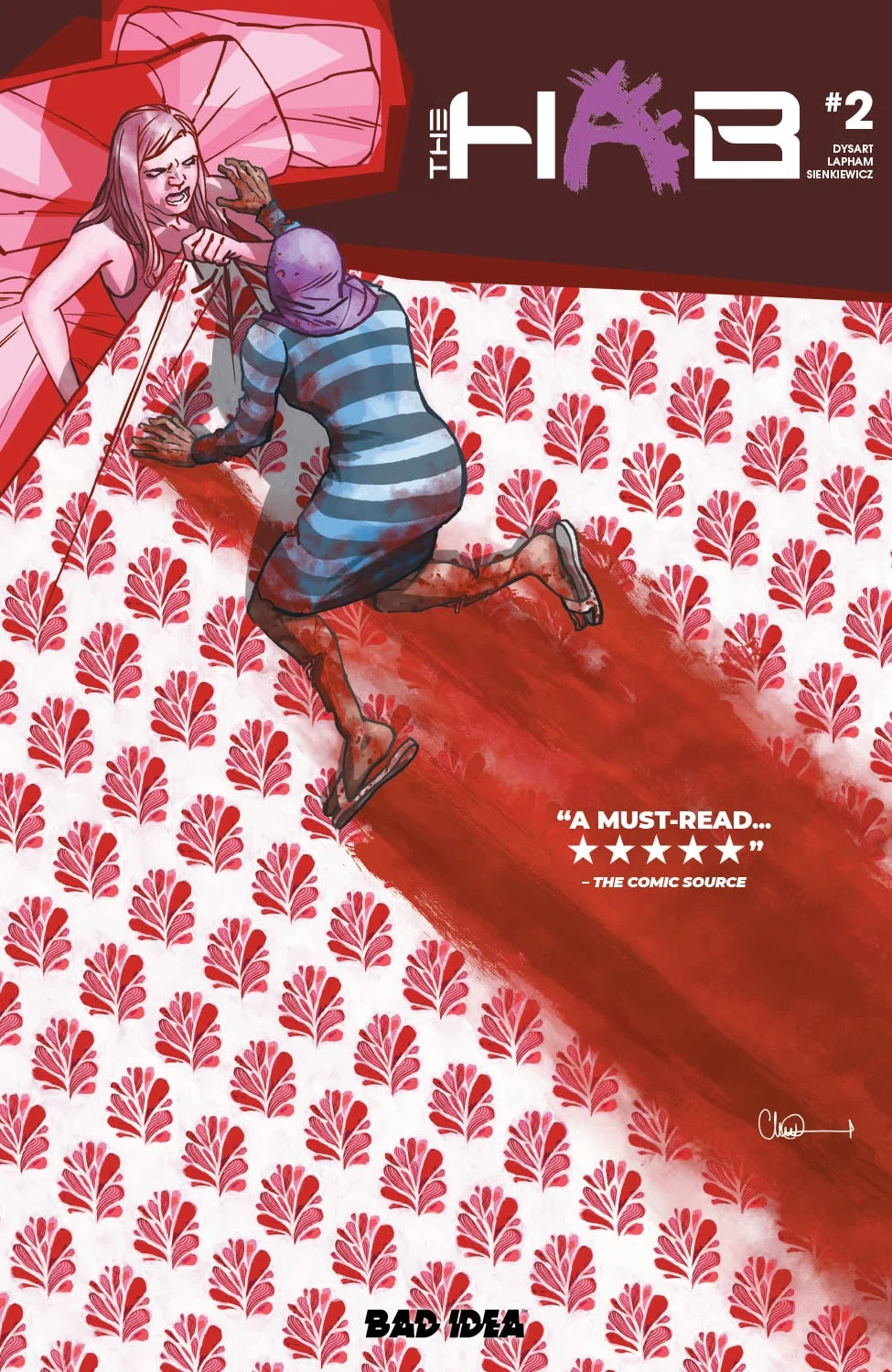
The landscape of modern horror comics is set to be redefined as The Hab #2 hits the shelves. Following the gripping introduction in the debut issue, this second installment from the creative powerhouse of Bad Idea Comics plunges readers deeper into a claustrophobic nightmare. Written by the critically acclaimed Joshua Dysart, the series promises a psychological descent that challenges the boundaries of survival, sanity, and the secrets buried beneath the earth.
Main Facts: A Convergence of Creative Titans
The Hab has quickly garnered attention not just for its premise, but for its unparalleled creative assembly. The second issue features a unique collaborative art effort, blending the distinct visual styles of industry legends David Lapham and Bill Sienkiewicz, with additional artistic contributions from Jacob Phillips.
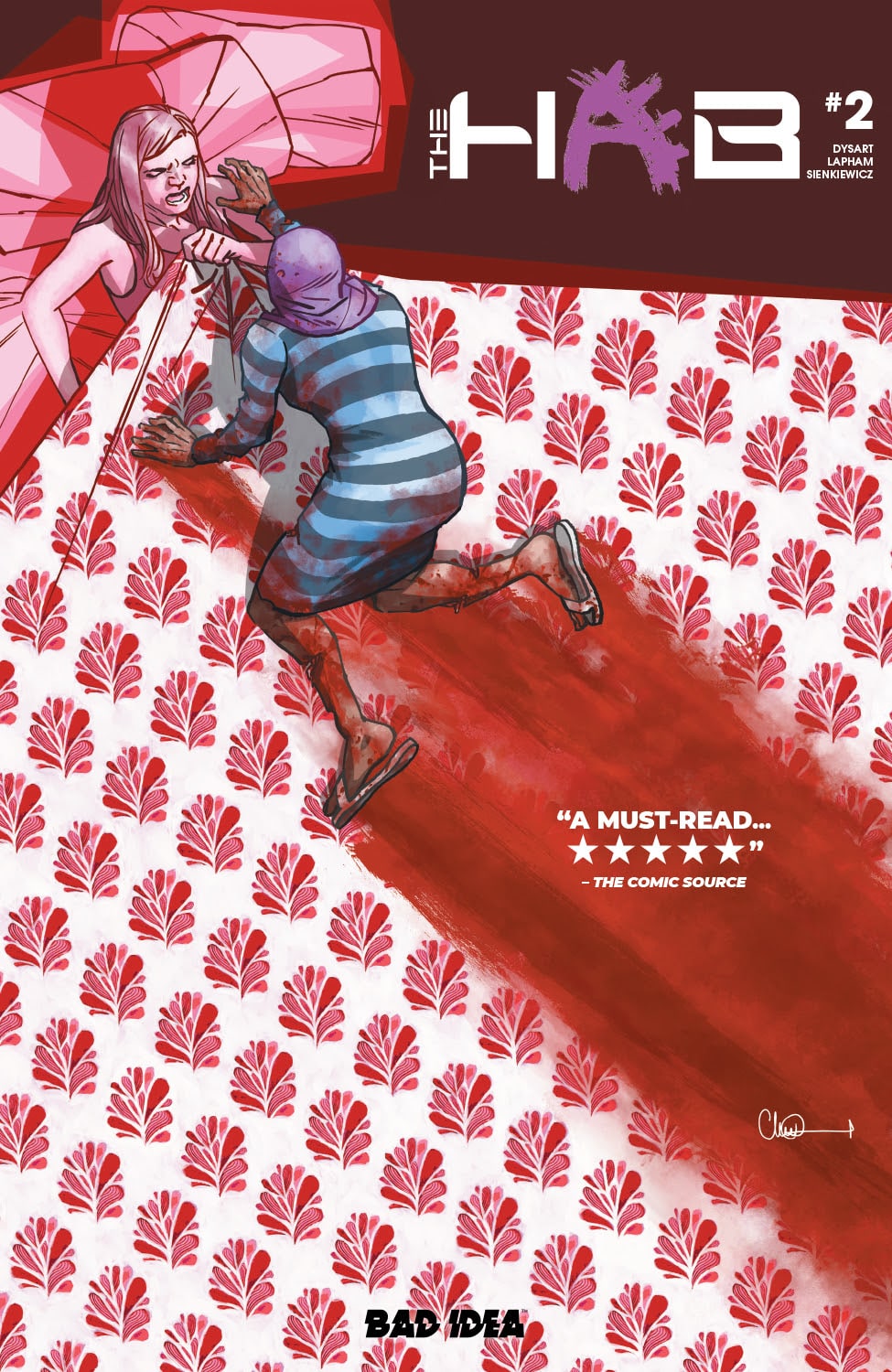
The color palette, which oscillates between sterile, clinical coldness and the visceral, jarring hues of hallucination, is masterfully handled by Bill Crabtree and Matt Hollingsworth. The technical polish of the issue is rounded out by the lettering work of Simon Bowland, whose stylistic choices heighten the tension of the dialogue.
At its core, the story follows Tuttle Barrows and his handpicked group of survivors. Having sought refuge within "The Hab" to escape a world that is effectively dying, the group finds that their sanctuary is anything but safe. As the world outside continues to decay, the internal structure of their refuge begins to fail—not through mechanical breakdown, but through a systematic collapse of the human mind.
Chronology: The Anatomy of a Breakdown
The narrative progression in The Hab #2 serves as a masterclass in pacing. To understand the gravity of the situation, one must look at the sequence of events that have defined the survivors’ current state:
- The Initial Retreat: The survivors secure themselves within The Hab, believing they have outrun the catastrophe plaguing the surface.
- The Onset of Hallucinations: As the isolation deepens, the first cracks appear. Survivors begin to experience vivid, terrifying visions that blur the line between reality and memory.
- The Manifestation of Trauma: The hallucinations are not random; they are deeply tied to the past. Scars, both physical and emotional, are "violently gouged open," forcing characters to confront long-buried secrets.
- The Attrition: Dr. Farooqi, the resident physician, finds herself in an impossible position. She is not merely treating physical ailments; she is attempting to stem a tide of psychological instability as crew members are picked off one by one by an unseen or perhaps internal threat.
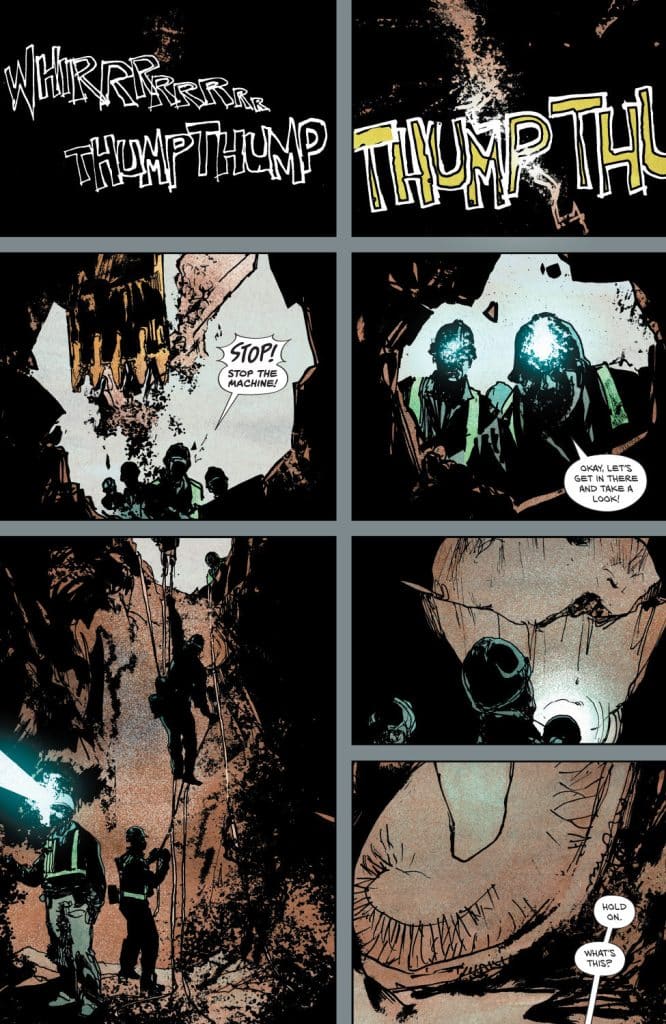
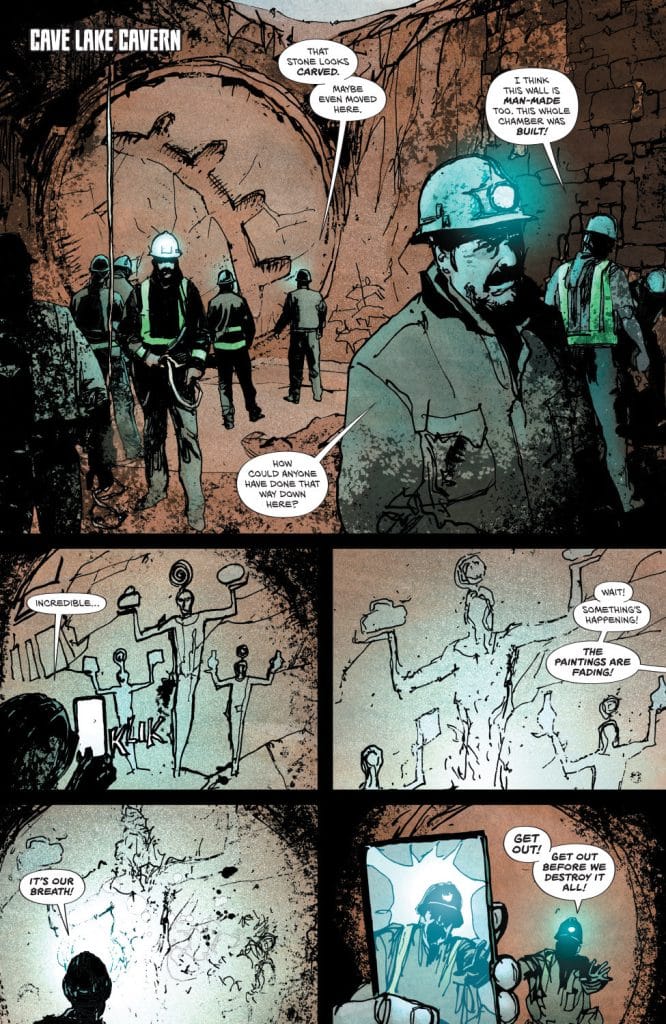
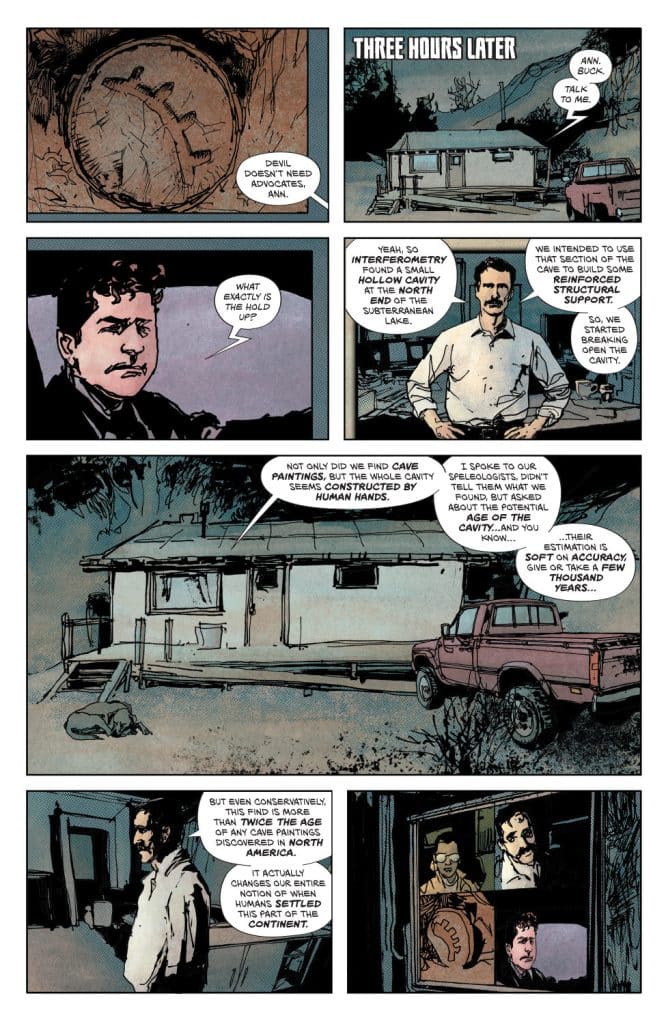
- The Desperate Discovery: The issue concludes by establishing the necessity of the "ancient cave" buried beneath the facility—a potential font of salvation or a catalyst for total destruction.
Supporting Data: The Creative Team and Their Impact
The collaboration on this project is arguably its strongest selling point. By bringing together creators like Joshua Dysart—known for his ability to weave complex, character-driven narratives—with visual artists of such high caliber, the series avoids the common pitfalls of the "trapped-in-a-bunker" trope.
- Joshua Dysart (Writer): His track record of exploring the darkest corners of the human condition suggests that the madness in The Hab is not merely supernatural, but a reflection of the characters’ own moral failings.
- The Art Team: The inclusion of Bill Sienkiewicz, an artist whose work is synonymous with abstract, expressionist horror, suggests that the visuals in The Hab #2 will rely heavily on distorted perspectives and non-linear storytelling. This is vital for a comic dealing with the subjective experience of hallucination.
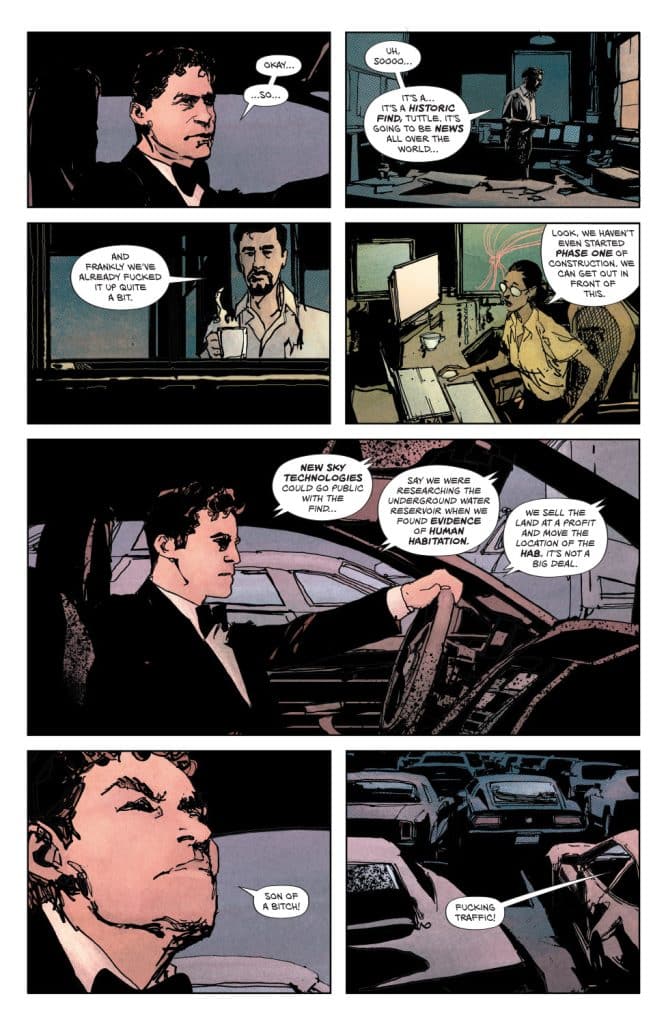
The visual data provided by the early previews shows a heavy reliance on shadow and high-contrast lighting. This aesthetic choice emphasizes the isolation of the characters, effectively trapping the reader within the panels alongside the survivors.
Official Responses and Editorial Vision
While Bad Idea Comics is known for its selective distribution and often unconventional marketing, the buzz surrounding The Hab has been palpable. Early critical reactions emphasize the "macabre reality" that Dysart and his team have constructed.
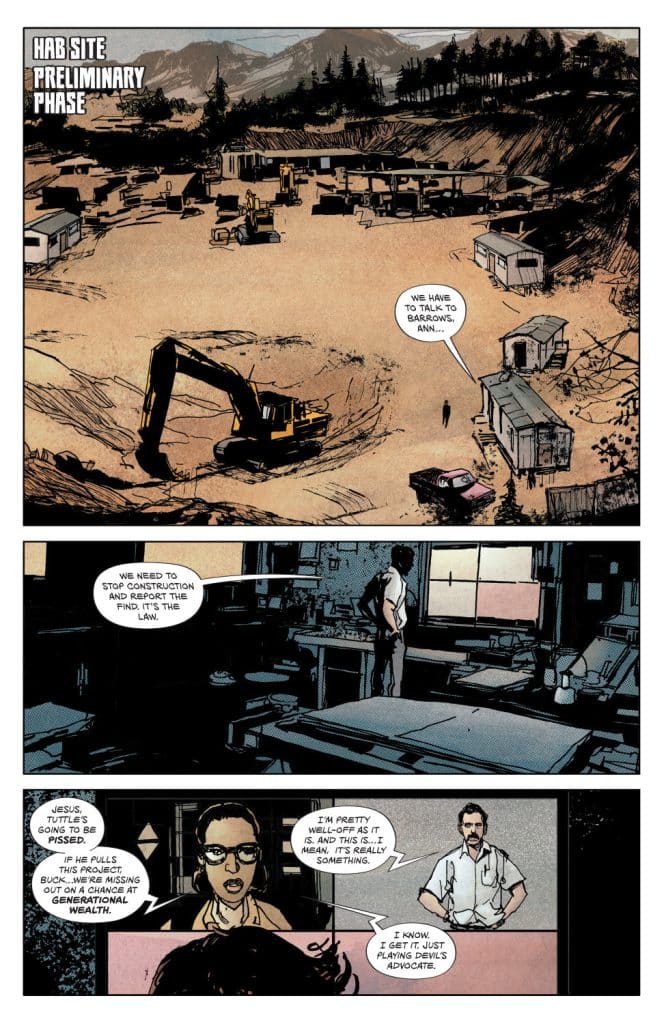
Industry analysts point out that this project signifies a shift in how horror is presented in the medium. Rather than relying on jump-scares or gore, The Hab utilizes the slow, agonizing erosion of trust. In a recent press release, the creative team hinted that the "secret" buried beneath the facility is intended to recontextualize everything the reader thought they knew about the first issue. The goal is to ensure that the reader feels as disoriented and desperate as the characters themselves.
Implications: Why This Matters to the Genre
The significance of The Hab #2 extends beyond the immediate plot. It represents a resurgence of high-concept, existential horror in comics. As the industry moves toward more diverse storytelling, the "contained thriller" remains a staple, yet it requires a high degree of execution to remain relevant.
The Psychological Element
By making the characters’ own memories the primary antagonist, the story forces the audience to engage in a deeper analysis of the narrative. We are no longer watching a group of people fight a monster; we are watching a group of people fight their own pasts. This elevates the genre from simple "survival horror" to "psychological drama."
The "Mystery Box" Factor
The introduction of the "ancient cave" serves as the central hook. By anchoring the survival of the group to an enigma, the writers are setting up a stakes-driven narrative that necessitates a conclusion. It avoids the aimless nature of long-running horror series, suggesting that The Hab is a finite, intentional story designed to leave a lasting impact.
Market Positioning
For collectors and enthusiasts, the involvement of such a prestigious creative roster makes this a "must-have" title. The combination of industry veterans working in a medium that allows for such experimental storytelling ensures that The Hab will be a subject of discussion long after the final issue is released.
Conclusion: The Path Forward
As The Hab #2 hits the market, the questions surrounding the nature of the survivors’ reality are only beginning to surface. Dr. Farooqi’s struggle to keep the group intact acts as the narrative anchor, but as the body count rises, it becomes increasingly clear that the threat is not just external—it is existential.
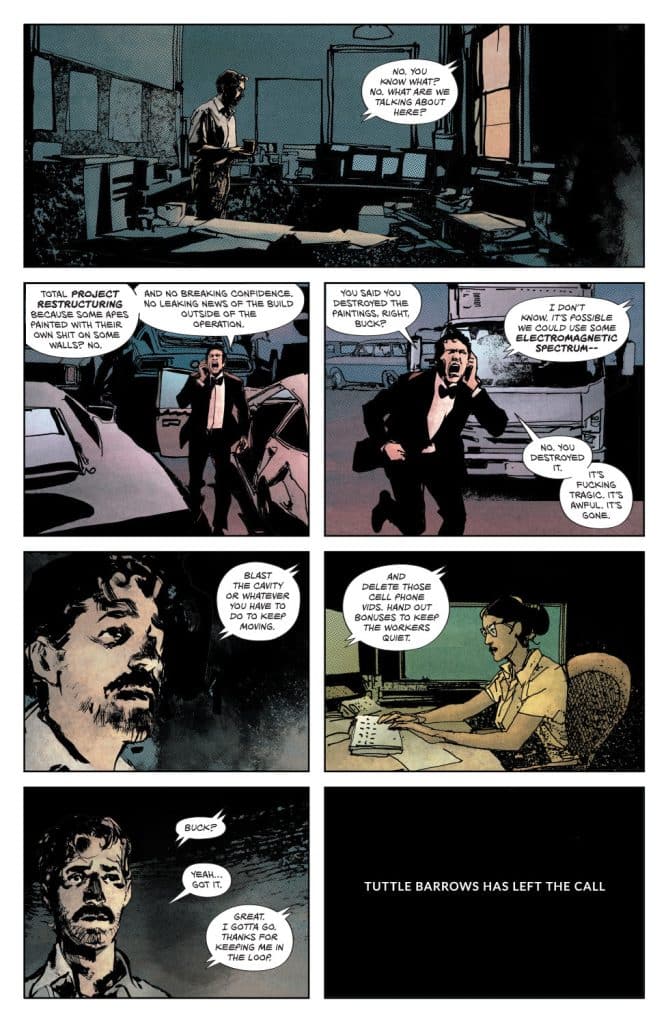
Readers are invited to bear witness to the unraveling of the team and the potential discovery of a secret that could either be the ultimate salvation or the final nail in the coffin of their existence. Whether the truth lying in the depths of the earth is a miracle or a curse remains to be seen, but one thing is certain: in the world of The Hab, there is truly nowhere left to run.
As the series progresses, the focus will undoubtedly remain on the interplay between the encroaching insanity and the desperate need for clarity. For those following the series, The Hab #2 is not just a chapter in a story; it is the point where the true terror begins to take shape.










No comments yet. Be the first to join the conversation!