
 Lina Hope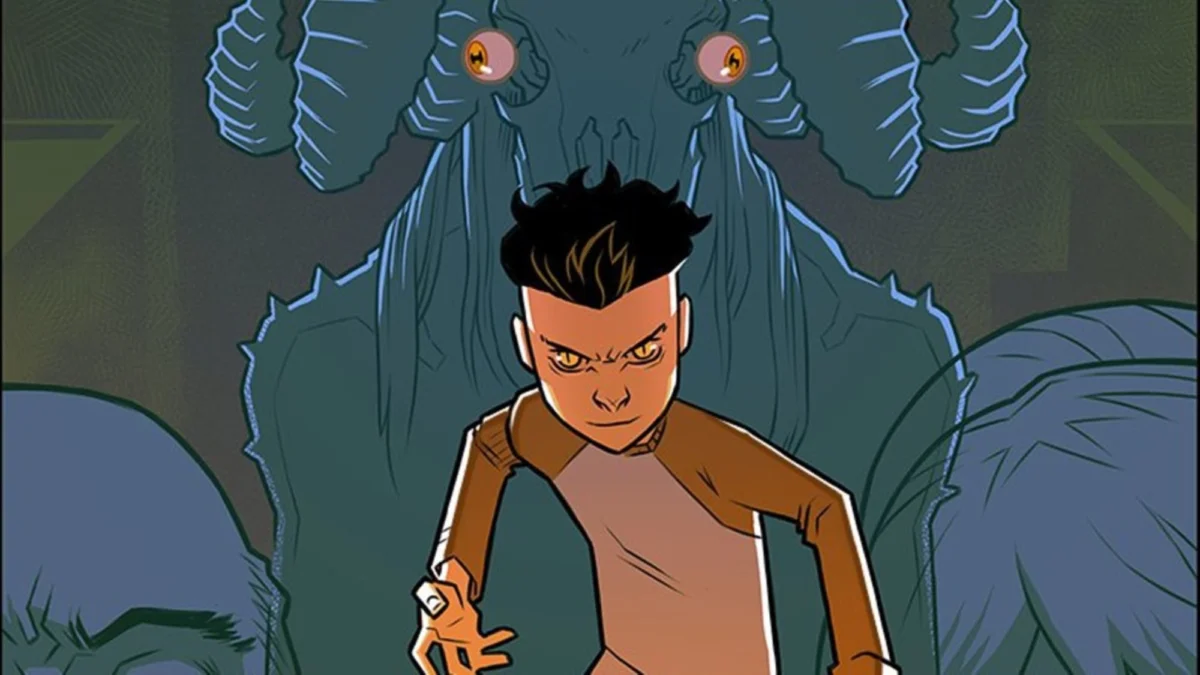
In the rapidly evolving landscape of 21st-century storytelling, the traditional "direct market" model of comic book publishing—long dominated by monthly pamphlet sales through specialty shops—is facing a digital challenge. While industry analysts often fixate on the fluctuations of print sales at local comic shops, a silent revolution has been occurring on platforms like Webtoon. At the forefront of this shift is veteran comic creator Justin Jordan, whose series Urban Animal has quietly amassed a staggering readership that dwarfs the numbers seen in traditional monthly print runs.
The Disconnect Between the Direct Market and Modern Readership
Justin Jordan is a household name for many in the comics industry. With an impressive resume that includes DC titles such as The Curse of Brimstone, Sideways, and Superboy, alongside critical hits like Luther Strode and Spread for Image Comics, Jordan is no stranger to the mechanics of the direct market. However, he is the first to admit that his most successful venture is not found on a pull-list at a local store, but on a smartphone screen.
"I have a bad habit of saying ‘comics’ when what I am actually talking about is ‘direct market comics,’" Jordan notes. "We talk about comics being in trouble based on what’s happening in the direct market. But while the direct market has its ups and downs, comics, sequential storytelling, is enormously popular."
To illustrate his point, Jordan points to the broader publishing ecosystem. Dav Pilkey’s Dogman series, for instance, routinely commands print runs in the millions. Meanwhile, the manga industry in the United States continues to post consistent, high-volume sales that put many Western superhero titles to shame. Webcomics, however, operate on a scale that is difficult for traditionalists to fathom, with platforms like Webtoon acting as the primary hub for a new generation of readers.
Chronology of a Digital Success Story
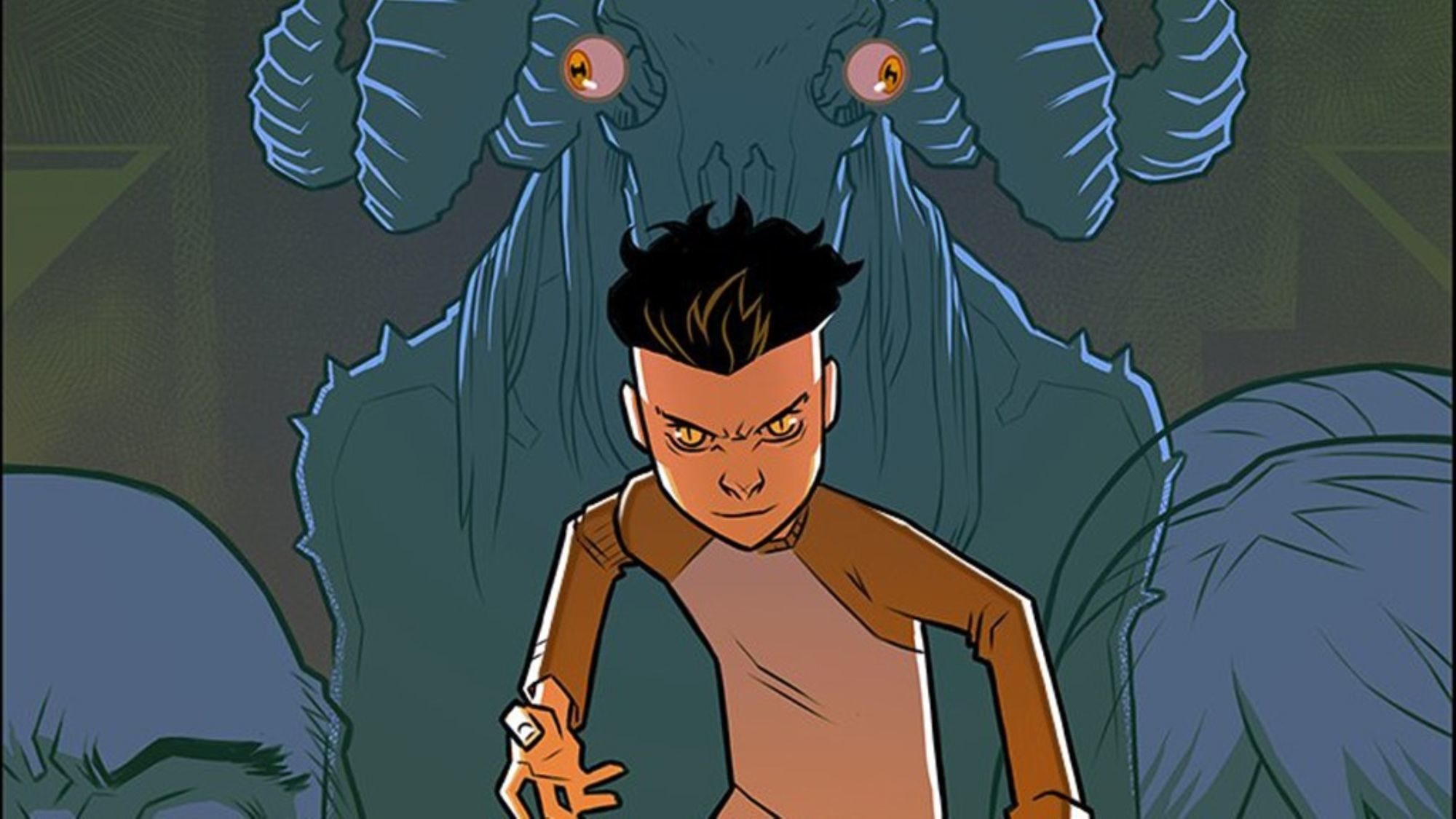
Urban Animal, created by Jordan alongside artists John Amor and colorist/letterer Micah Myers, follows the journey of Joe Gomez, a high schooler who discovers he is a Chimera—a shape-shifting nature spirit capable of turning into a saber-toothed tiger. The series hit the ground running, and within its first year, it secured a dedicated weekly readership of approximately 100,000 people.
As of the latest reports, the series boasts over 465,000 subscribers on the Webtoon platform. In the context of digital comics, this is not an outlier but a testament to the platform’s reach. Other heavy hitters on the service, such as Let’s Play, have surpassed 3.7 million subscribers. For Jordan, the most striking aspect is that these are not just casual clicks; they are a consistent, engaged audience that returns every week to continue the narrative.

Supporting Data: By the Numbers
To understand the financial viability of Urban Animal, one must first dismantle the misconception that "free to read" equates to "unprofitable." While the series is accessible to the public at no cost, the platform utilizes a "Fast Pass" system—a micro-transaction model that allows readers to pay roughly 50 cents per episode to access content before it is released to the general public.
"I can’t talk publicly about the exact amount of money that brings in, but I can say that the minimum number of paying people, based on what we do make from Fast Pass and our split with Webtoons, is 4,000 people a week," Jordan explains.
While 4,000 may seem modest in comparison to the massive print runs of major Marvel or DC titles, it represents a high-conversion, recurring revenue stream that is independent of shipping costs, distribution markups, and the risks of unsold inventory. When aggregated with the licensing fees paid by Webtoon to feature the series, Jordan’s income from the project has proven to be competitive with—and often superior to—the page rates offered for standard work-for-hire gigs in the direct market.
The Shift in Ownership Models
One of the most compelling aspects of Jordan’s move to digital is the shift in intellectual property (IP) rights. In the traditional direct market, creator-owned work often involves complex negotiations regarding who owns the characters and the future potential for film or television adaptations.
Urban Animal functions differently. The contract operates more akin to the professional prose market, where the creator licenses the work for a specific period of time. This allows the creative team to maintain ownership of the property while benefiting from the platform’s massive promotional machine. Furthermore, because the creators retain the rights, they are free to pursue ancillary revenue streams—such as merchandise and, crucially, print collections—independently.
Implications for the Future of Crowdfunding and Print
The success of Urban Animal is not just a digital phenomenon; it is a springboard for physical distribution. Recognizing the demand for physical copies, Jordan has partnered with Rocketship Entertainment—a publisher that has successfully translated several popular webcomics into print formats—to launch a Kickstarter campaign for a collected volume of the series’ first season.
"Kickstarter is also new territory for me," says Jordan. "I suspect crowdfunding is going to take an increasingly prominent place in direct market comics, especially if industry giants are anything to go by."
The transition from a digital, hyperserialized format to a "meaty" 200-page print collection represents a new hybrid model for comic creators. By building a massive, loyal audience on a free platform, creators are effectively de-risking their print editions. They know the audience exists, they know the story resonates, and they have a direct line of communication with the consumers via the platform’s comment sections and notification systems.

Conclusion: A Blueprint for the Next Decade
The story of Urban Animal is a case study in adaptation. By embracing the digital-first format, Justin Jordan has bypassed the gatekeepers of the traditional comic industry to reach half a million readers. His experience suggests that the future of comics does not lie in choosing between print or digital, but in leveraging the strengths of both.
As the industry continues to grapple with shifting consumer habits, the success of creators like Jordan proves that if the content is compelling, the audience will find it—and they will support it, whether through weekly digital micro-payments or the eventual purchase of a premium print collection. The era of the "direct market" as the sole arbiter of success is ending, and in its place, a more diverse, global, and digitally integrated ecosystem is rising.

For those looking to understand where the medium is heading, Urban Animal is not just a story about a shape-shifting teenager; it is a masterclass in how to thrive in the modern creator economy.

 Pevita Pearce
 Neng Nana





