Sagoh
Sagoh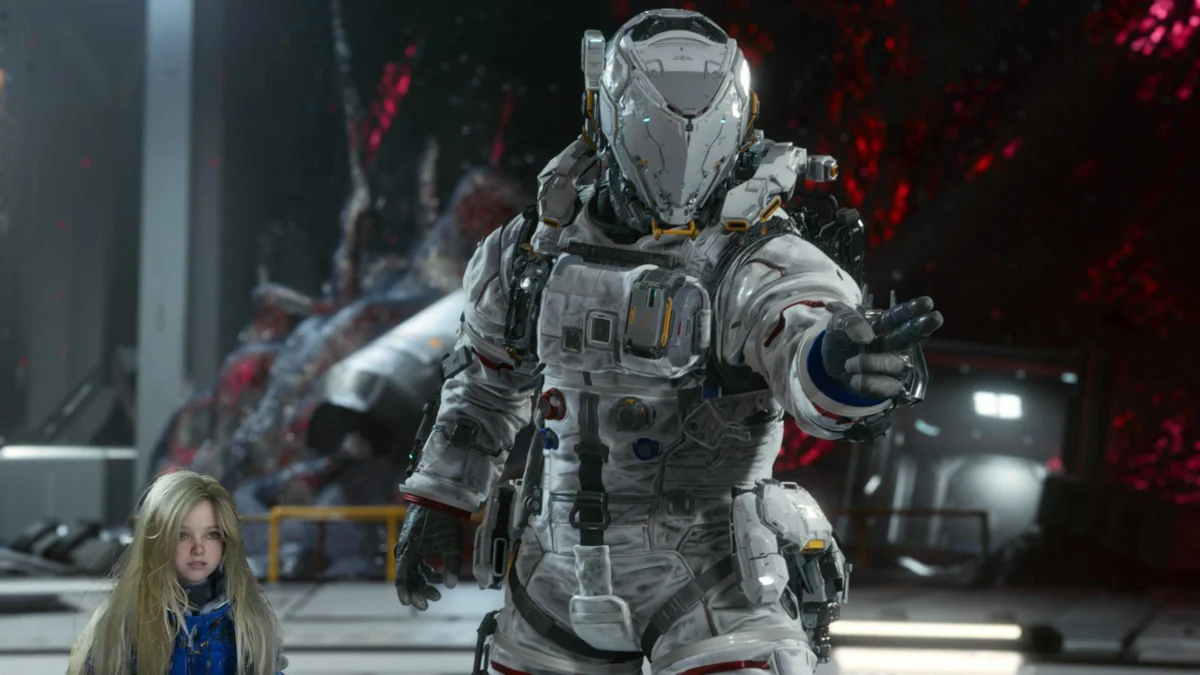
By Giovanni Colantonio
Updated Jun 19, 2026, 8:00 AM EDT
As the calendar approaches its midpoint, 2026 has firmly established itself as a landmark year for the video game industry. Months before the year even commenced, an electric anticipation hummed through the gaming community, fueled by the promise of colossal releases like Grand Theft Auto 6, Resident Evil Requiem, and Marvel’s Wolverine. This trio alone seemed poised to define a generation. Yet, as the first six months have unfolded, the true brilliance of 2026 lies not just in its high-profile blockbusters, but equally in the cascade of unexpected gems that have captivated critics and players alike. These surprising titles, both large and small, have woven a rich tapestry of experiences, proving that truly special gaming years are defined by their breadth of quality and capacity for innovation.
Main Facts: 2026’s Unprecedented Gaming Half-Year
The gaming landscape of 2026 has been nothing short of extraordinary, delivering a relentless stream of critically acclaimed titles across a diverse spectrum of genres and platforms. From intricate indie darlings to expansive AAA productions, the first half of the year has surprised and delighted, setting an incredibly high bar for what’s yet to come. This period has seen a remarkable balance, with highly anticipated releases living up to their hype while lesser-known projects have soared, often defying expectations and offering fresh perspectives on established mechanics.
This article, updated as of June 19, 2026, aims to provide a comprehensive overview of the standout titles that have defined the year so far. Our selection criteria are rigorous: each game must have been released for at least three weeks to allow for initial player reception and sustained critical evaluation. Furthermore, titles are chosen based on widespread acclaim, not only from their primary reviewer but also through a consensus of appreciation across our diverse editorial team. This ensures that the games highlighted represent a broad appeal and lasting impact, rather than a fleeting "flash in the pan." As we stand at the precipice of the latter half of 2026, the industry is buzzing with the notion that we could assemble a definitive year-end list today and be thoroughly satisfied with its caliber.
A Chronological Journey Through 2026’s Gaming Highlights
Here, we delve into the best games of 2026 so far, presented in reverse-chronological order of their release, offering a snapshot of the innovation and excellence that has characterized the year.
Mina the Hollower – May 29
Platforms: PS5, Switch, Windows PC, Xbox Series X
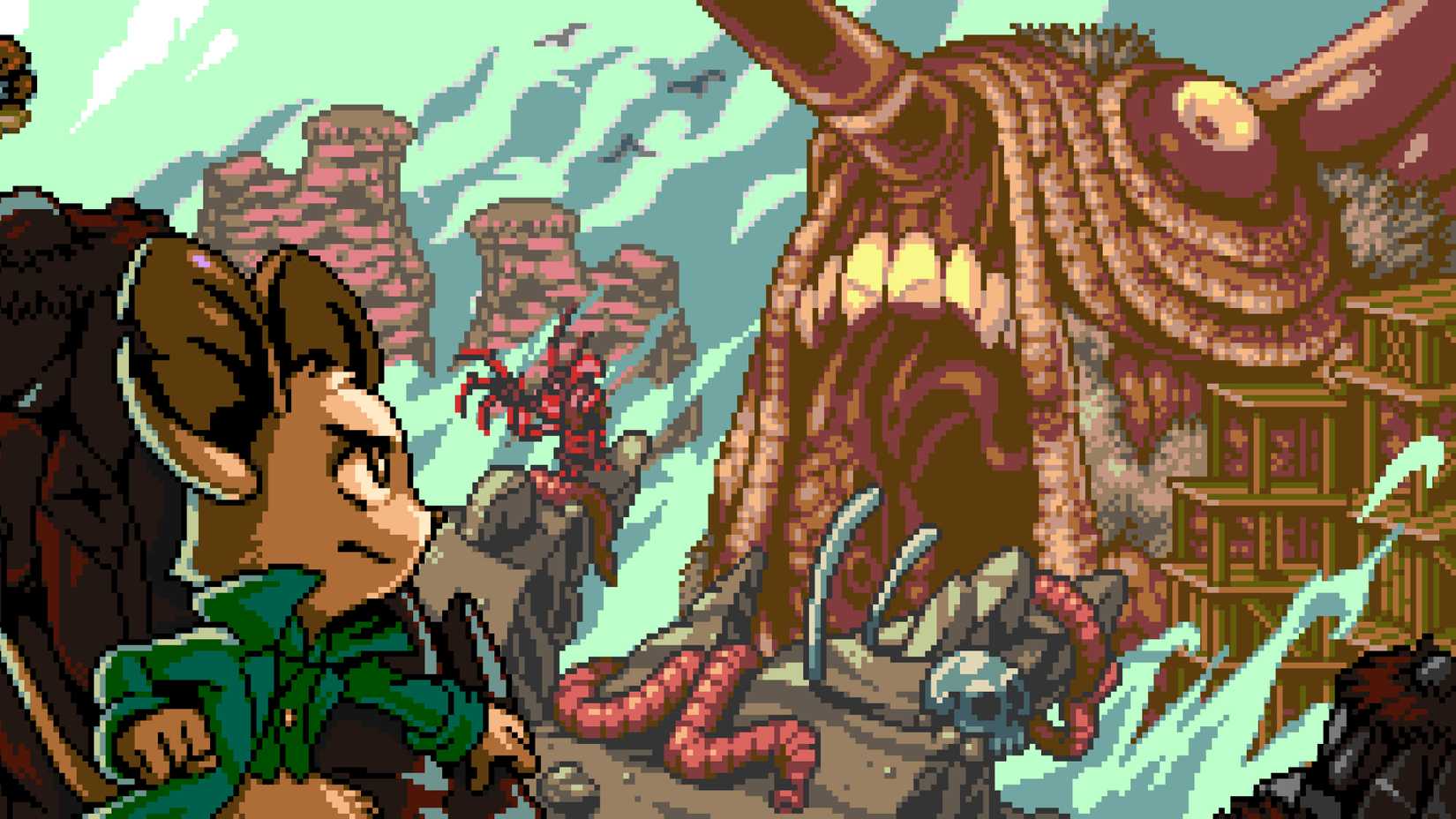
Yacht Club Games, celebrated for their pixel-perfect retro revivals, has once again achieved something remarkable with Mina the Hollower. Far from merely indulging in Game Boy nostalgia, this top-down Zelda-era homage deftly reimagines the retro adventure format, infusing it with contemporary design sensibilities. Its most striking innovation lies in the perfectly integrated Bloodborne inspiration, a mechanic that, in less capable hands, might have felt forced or frustrating. However, Yacht Club Games executes this fusion with exquisite finesse, demonstrating a profound understanding of how forty years of video game history can naturally intersect and enrich one another. As I noted in my review, “FromSoftware’s games draw on foundational game design principles that powered ’80s adventure games. Mina the Hollower is just the link between worlds.” This title stands as a testament to the power of thoughtful evolution, proving that genuine reverence for the past can pave the way for groundbreaking new experiences.
007 First Light – May 27
Platforms: PS5, Windows PC, Xbox Series X

The drought of truly exceptional James Bond video games has been long and arduous, but IO Interactive, the masterminds behind the critically acclaimed Hitman series, has unequivocally ended it with 007 First Light. This game is a spectacular fulfillment of its assignment, seamlessly blending the cinematic grandeur and thrilling set-pieces reminiscent of the Uncharted franchise with the intricate immersive sim brilliance that defines Hitman. At its core, First Light is anchored by Patrick Gibson’s compelling portrayal of a young, nascent James Bond, lending gravitas and relatability to this origin story premise. Ford James, in his enthusiastic review, praised Gibson’s performance, stating, “He’s exactly as you’d expect a younger, bright-eyed, bushy-tailed Bond to be. Far more talkative than his jaded, older self, but with the perfect amount of defiance for authority, back-chat, and quick-wittedness, alongside enviable levels of suavity.” 007 First Light not only revitalizes a beloved IP but also establishes a new gold standard for spy-thriller gaming.
Titanium Court – April 23
Platforms: Windows PC
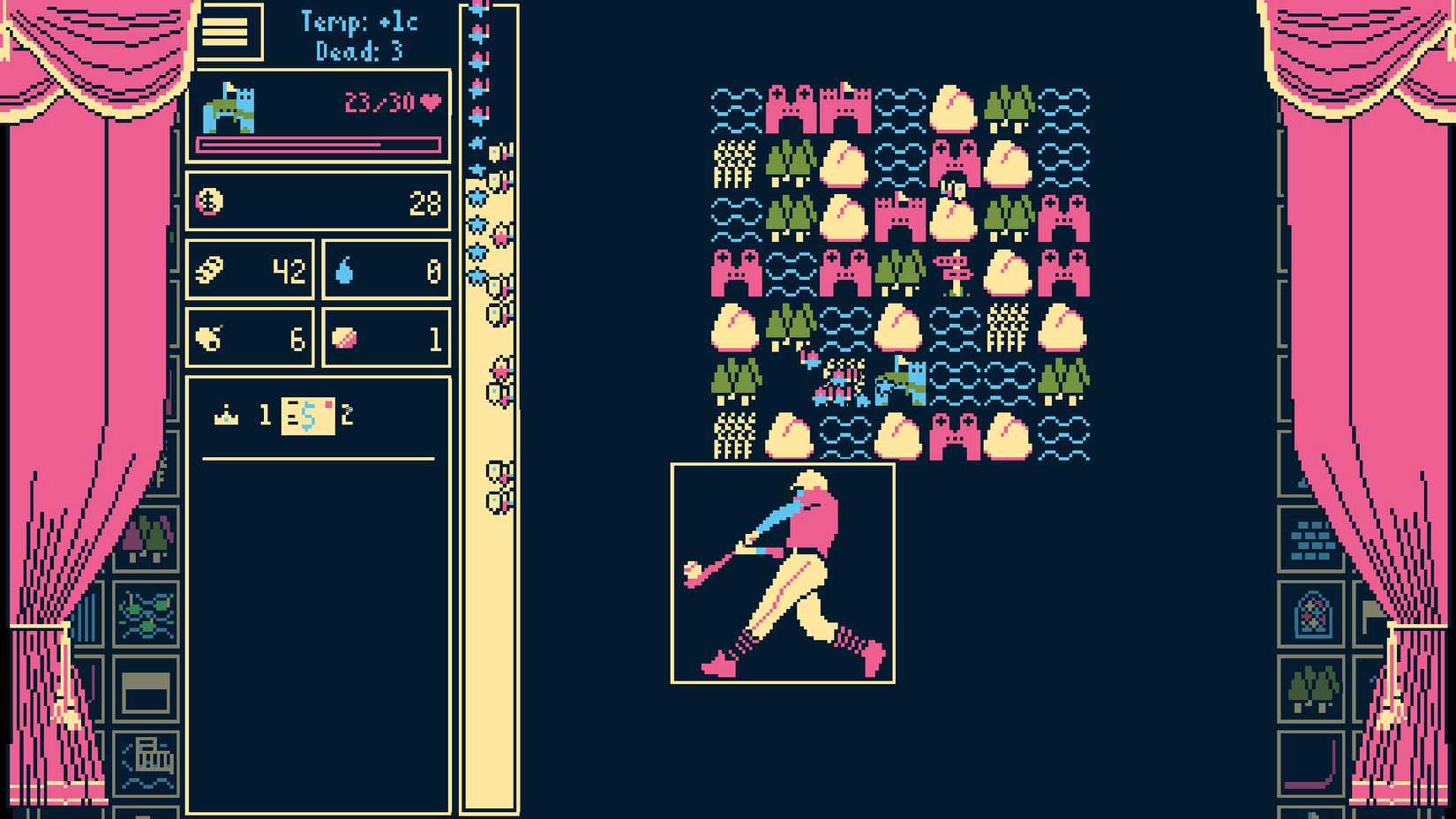
Titanium Court is a game best approached with minimal prior knowledge, allowing its ingenious layers of unpredictable absurdism to unfold organically. This year’s recipient of the prestigious Seumas McNally Grand Prize at the Independent Games Festival is a masterclass in genre fusion, weaving together match-three mechanics, roguelike progression, and tower defense strategy into an experience that constantly subverts expectations. The game thrives on its ability to playfully challenge a player’s established understanding of game design. As I articulated in my Titanium Court review, “It might seem like it’s just screwing with you at first, testing your game design literacy, but play along with it and you’ll discover an inventive work of comedy that’s a joy to outwit.” My concise, yet evocative pitch remains: Titanium Court is what would emerge if Shakespeare, while penning A Midsummer Night’s Dream, became utterly absorbed in Candy Crush. It’s a truly singular and uproariously clever creation.
Pragmata – April 17
Platforms: PS5, Switch 2, Windows PC, Xbox Series X
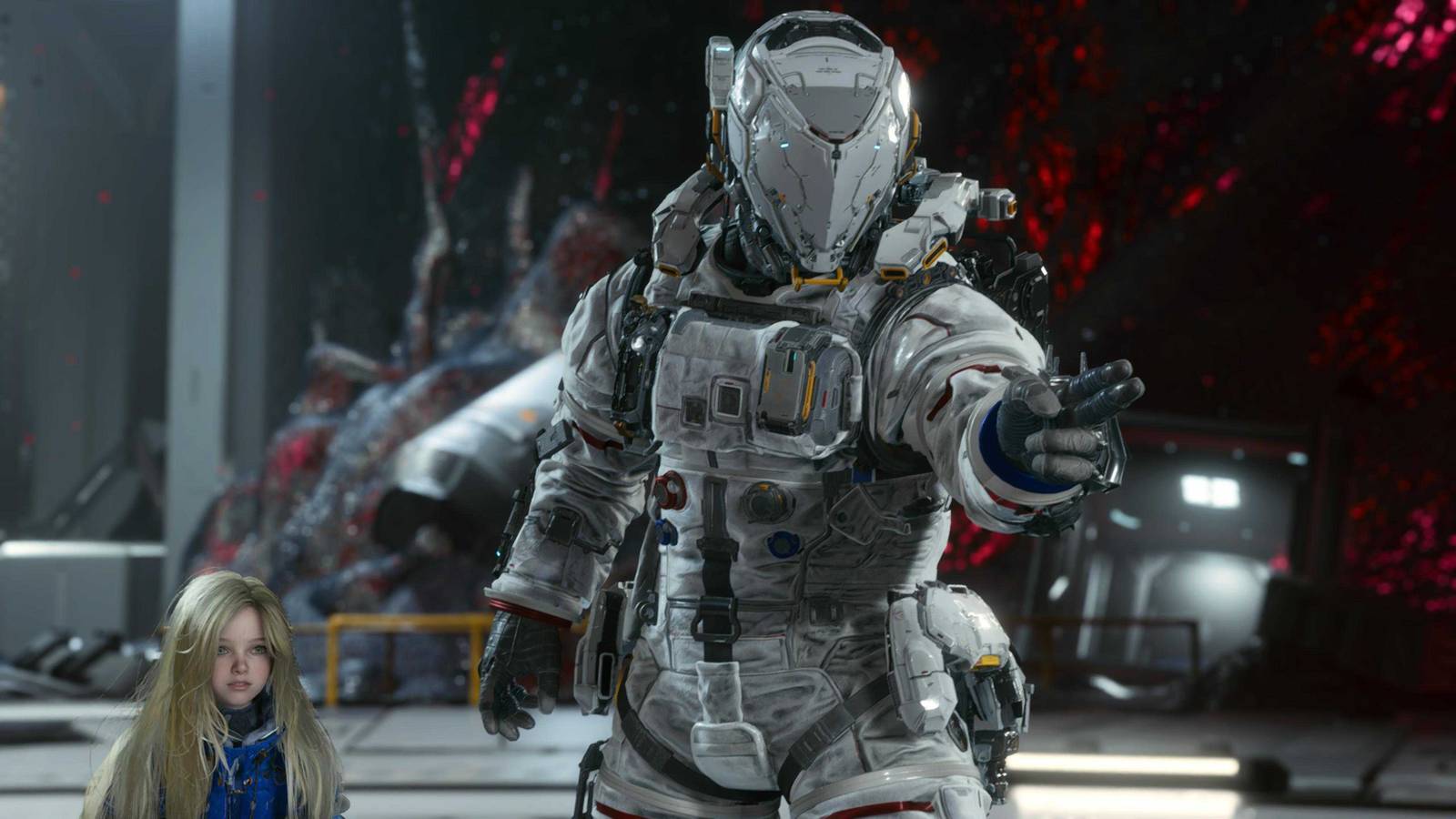
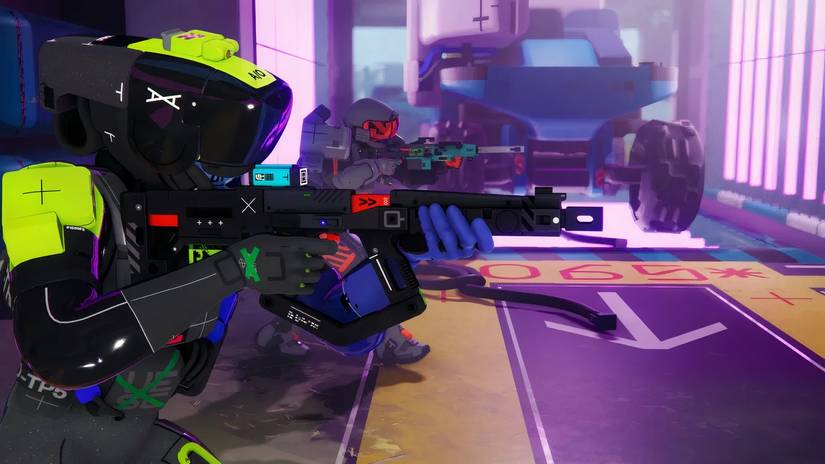
Capcom continues its phenomenal run in 2026, with Pragmata serving as yet another resounding testament to the publisher’s innovative prowess. While it might superficially resemble a generic sci-fi shooter, Pragmata quickly distinguishes itself as a delightfully inventive take on the genre, imbued with a surprising depth of heart. Its central innovation lies in a unique bot-hacking twist, which requires players to complete a rapid maze puzzle while aiming, before being able to inflict substantial damage on enemies. Austin Manchester, in his review, lauded this system and its seamless integration with the game’s robust and weighty shooting mechanics: “While these two elements may seem trite on their own, together, in the flow and intensity of combat, they make Pragmata feel like nothing I’ve ever played before.” This title solidifies Capcom’s reputation not just for polished experiences, but for pushing creative boundaries within familiar frameworks.
Tomodachi Life: Living the Dream – April 16
Platforms: Switch
Nintendo’s Tomodachi Life: Living the Dream truly shines when players approach it not as a conventional life simulation akin to Animal Crossing, but rather as a fantastical, interactive reality television show. This whimsical life sim empowers players with an abundance of creative tools, enabling them to transform anyone they desire into a Mii and immerse them in a living, breathing Mad Libs scenario. The sheer, unadulterated joy derived from drawing a pack of Marlboros and then watching in bemused delight as your digital newborn baby playfully waves them around is absurdly hilarious. As I highlighted in my review regarding the game’s "filterless fun," “Tomodachi Life is a program to be outsmarted, not controlled. Every funny screenshot you can snap is a point scored against the machine.” It’s a game that celebrates the unpredictable, the bizarre, and the wonderfully unexpected narratives that emerge from its freeform system.
Marathon – March 5
Platforms: PS5, Windows PC, Xbox Series X
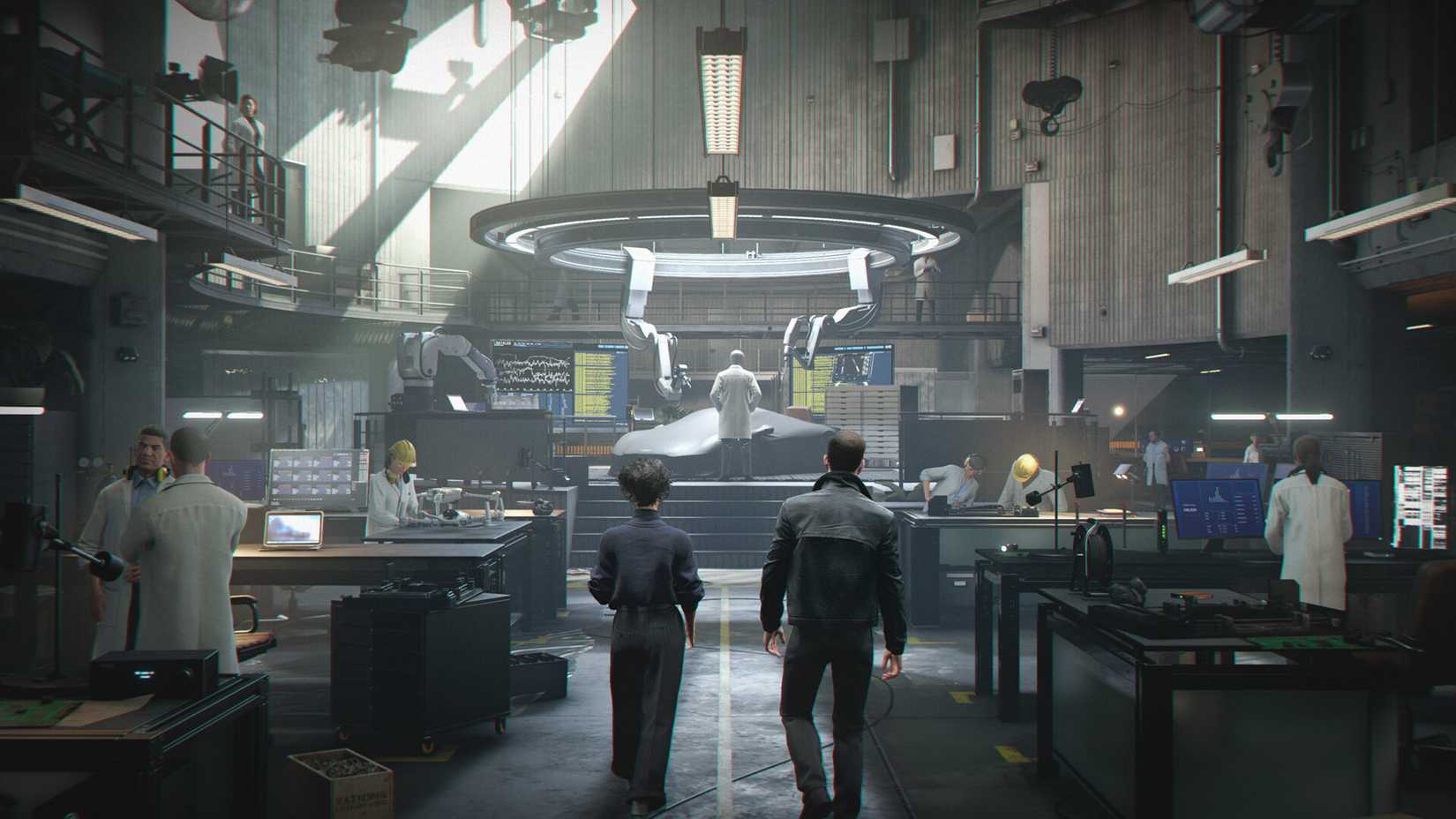
Bungie’s Marathon is the quintessential sleeper hit, a game that gradually, almost stealthily, entrenches itself in the player’s consciousness. Initial play sessions are likely to be overwhelming, characterized by a deluge of confusing loot, an unconventional user interface, and a myriad of underexplained systems. Yet, for those who persevere, a profoundly engrossing extraction shooter emerges, one that distills Bungie’s finest qualities into a consistently tense and rewarding experience. Corey Plante, in his assessment of its "high-risk joy," perfectly captured its essence: “It’s not about rushing your goals, but about pushing outward into the boundaries of the playable space around you in tactical ways that guarantee your survival. You have to pick your battles or else you run the risk of losing everything.” Marathon is a game that rewards patience and strategic thinking, offering a deep and thrilling challenge for those willing to learn its intricate language.
Pokémon Pokopia – March 5
Platforms: Switch 2
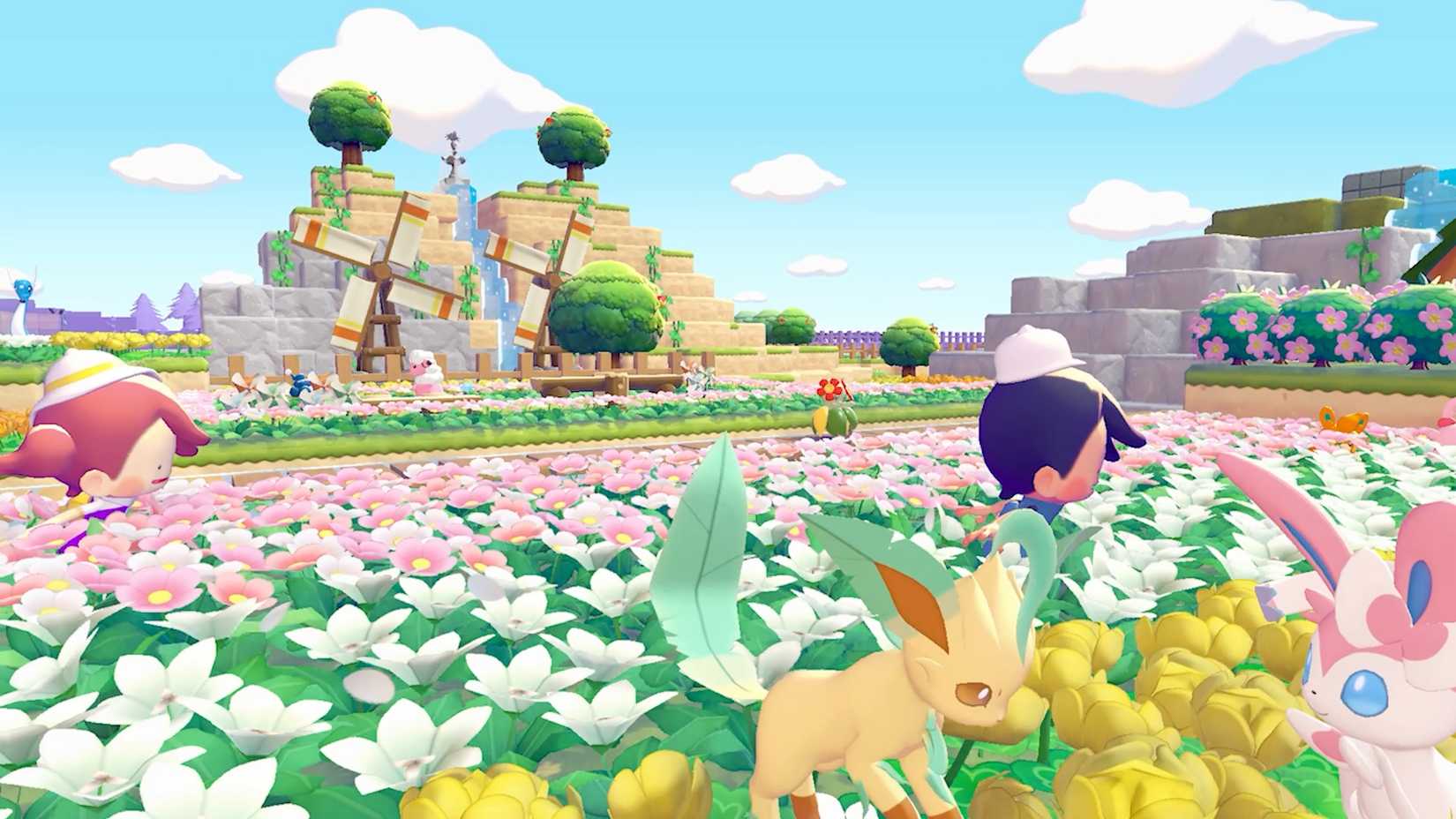
While a fun experience was certainly anticipated from Pokémon Pokopia, given the pedigree of the Dragon Quest Builders 2 developers, the extent to which it would utterly consume our lives was an unforeseen delight. This cozy life simulation possesses an undeniable charm, winning over players through its profound sincerity. It transcends the traditional "catch ’em all" mantra, instead fostering a genuine desire to protect and nurture these beloved creatures. As I articulated in my review, “You are collecting homes as much as you are collecting Pokémon, and that significantly changes your relationship to monsters you’ve caught hundreds of times.” Pokémon Pokopia offers a refreshing and deeply empathetic approach to the franchise, transforming the act of collection into an act of stewardship, and solidifying its place as a heartwarming staple on the new Switch 2.
Resident Evil Requiem – February 27
Platforms: PS5, Switch 2, Windows PC, Xbox Series X
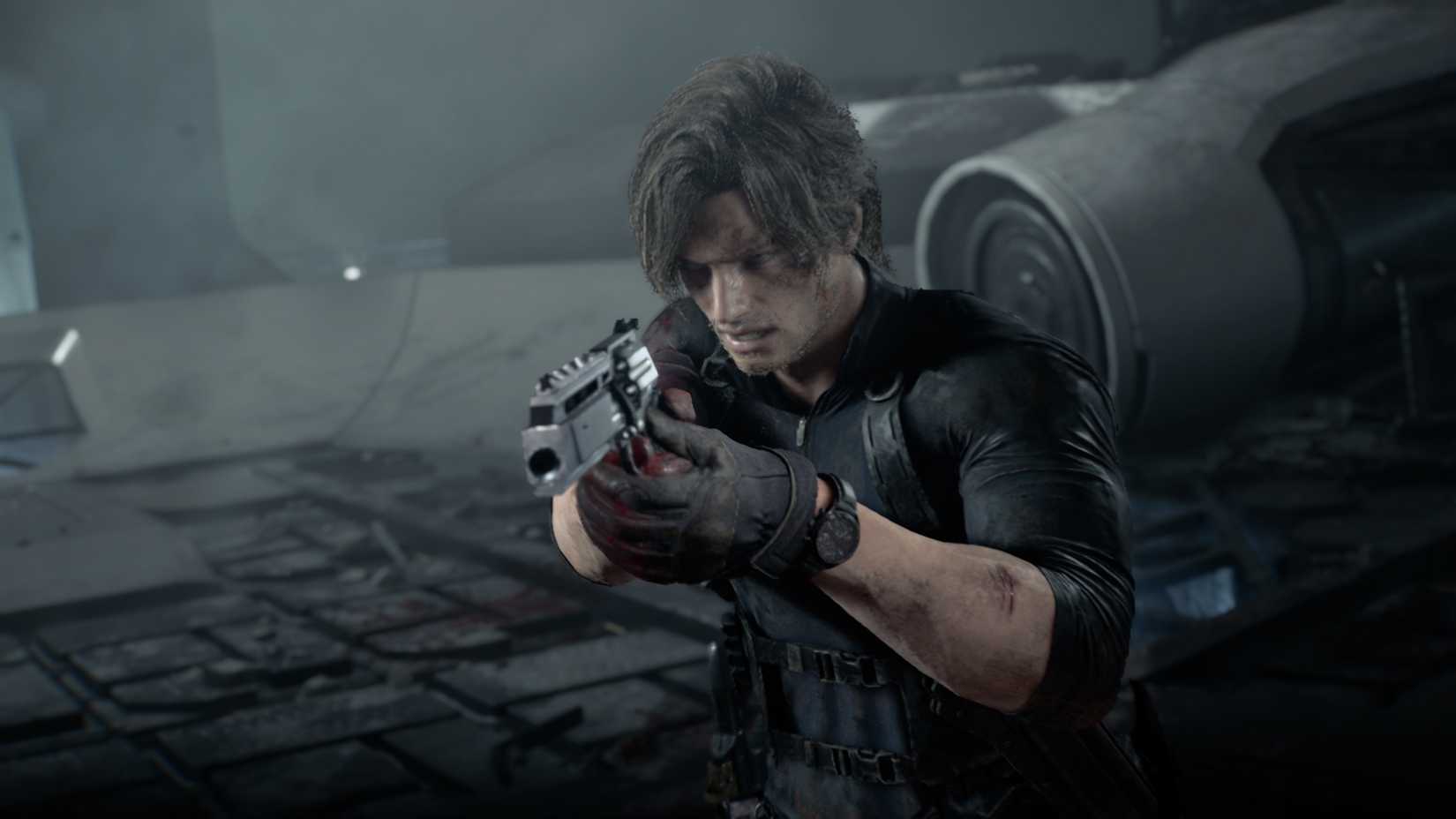
Resident Evil Requiem stands out as a remarkable achievement, essentially delivering two exceptional horror games within a single, cohesive package. The first narrative thrust plunges players back into the series’ roots with Grace Ashford’s terrifying escape from a chilling Care Center, harkening to the classic survival horror tension. The second sees the iconic Leon S. Kennedy returning to the devastated ruins of Raccoon City, confronting his past while battling hordes of the undead. This narrative duality is profoundly meaningful. In my review, I highlighted how “It returns to the Raccoon City incident, both in its classic survival horror gameplay and story, to allow its characters to finally unpack decades of grief, regret, and survivor’s guilt.” This creates a mournful yet consistently thrilling horror experience, exploring the multifaceted ways individuals confront and process deep-seated trauma, cementing its place as a powerful entry in the storied franchise.
Reanimal – February 13
Platforms: PS5, Switch 2, Windows PC, Xbox Series X
Tarsier Studios, the acclaimed indie developer behind the beloved Little Nightmares series, has not radically departed from its established formula with Reanimal. Instead, it has taken the foundational concepts of its small-scale horror and realized their full, extraordinary potential. This co-op horror game is an atmospheric tour de force, guiding players through a nightmarishly surreal journey that ventures into truly dark, yet undeniably magnificent, psychological landscapes. Marloes Valentina Stella, in her glowing review, provocatively declared, “Horror games have no business being this beautiful. No, scratch that; horror games have every business being this beautiful.” Reanimal elevates the genre through its stunning visual artistry and masterful environmental storytelling, proving that horror can be both terrifying and aesthetically captivating, especially when shared with a companion.
Mewgenics – February 10
Platforms: Windows PC

Mewgenics, the long-gestating passion project from Super Meat Boy co-creator Edmund McMillen and Tyler Glaiel, is an audacious creative swing. This cat-breeding tactics-roguelike is so brimming with wildly imaginative and eccentric ideas that players will quickly feel there is no conceivable bottom to its depths. The sheer, unpredictable scope of its mechanics and narrative makes it effortlessly mesmerizing. Deven McClure, in her comprehensive review, confessed, “I’ve found myself consumed by this game, dreaming about combat grids and sinking hours into trying to create the strongest cats this world has ever seen.” She further praised its unique appeal, noting, “It’s a true feat for a game to walk the line between juvenile and complex, and Mewgenics does it deftly.” This title exemplifies the brilliance that can emerge when creators are given the freedom to fully explore their most bizarre and captivating concepts.
Supporting Data: The Metrics of Success and Critical Acclaim
The curated list of games above is not merely a collection of personal preferences; it is a reflection of robust critical consensus and early player engagement. Our selection methodology, requiring a minimum of three weeks post-launch for consideration, allows for a comprehensive assessment of each title’s staying power beyond initial launch hype. This period enables us to gauge not only immediate critical scores but also the broader community’s long-term reception and discussions.
The phrase "beloved not just by their reviewer but also widely across the team" signifies an internal benchmark of excellence. It ensures that diverse perspectives within our editorial staff corroborate the initial high praise, confirming that a game’s appeal transcends individual tastes and resonates across a spectrum of gaming experiences. This internal validation is crucial in a year as packed with quality as 2026, where distinguishing true gems from fleeting trends requires a discerning eye and collective input.
While precise sales figures are often proprietary, early indications from player counts, engagement metrics on streaming platforms, and community forums suggest a strong commercial performance for many of these titles. Pokémon Pokopia and Pragmata, for instance, have undoubtedly benefited from their presence on the newly launched Switch 2, leveraging the expanded capabilities and heightened anticipation surrounding Nintendo’s next-generation hardware. Similarly, multi-platform releases like Mina the Hollower, 007 First Light, and Resident Evil Requiem have garnered significant player bases across PlayStation 5, Xbox Series X, and Windows PC, indicating a healthy ecosystem for both console and PC gaming.
The critical aggregates, though not explicitly detailed here, paint a picture of consistent high scores and widespread commendation from various industry outlets. Titanium Court‘s Seumas McNally Grand Prize win is a clear indicator of its innovative design resonating with independent game developers and critics alike, highlighting its unique artistic merit. This blend of critical acclaim, sustained player interest, and robust platform support underscores the exceptional quality of the games released in the first half of 2026.
Official Responses and Industry Reception
The resounding success of these titles has not gone unnoticed by their respective developers and the wider gaming industry. Companies like Yacht Club Games and IO Interactive have openly expressed gratitude for the overwhelmingly positive reception of Mina the Hollower and 007 First Light, respectively. These studios, known for their meticulous craftsmanship, have seen their dedication validated by both critics and a passionate player base. IO Interactive, in particular, has been lauded for its bold reinvention of the James Bond gaming franchise, demonstrating how careful design principles can revive dormant IPs.
Capcom, already riding a wave of critical and commercial triumphs in recent years, has further cemented its reputation as an industry powerhouse with Pragmata and Resident Evil Requiem. Public statements from Capcom executives have often highlighted the company’s commitment to innovation and pushing graphical boundaries, a philosophy clearly evident in these two titles. The dual narrative approach of Resident Evil Requiem, in particular, has been praised as a daring yet successful expansion of the beloved horror universe.
Nintendo’s Tomodachi Life: Living the Dream and Pokémon Pokopia have generated significant buzz, especially concerning their availability on the Switch 2. The release of these high-profile titles on new hardware often serves as a powerful endorsement of the console’s capabilities, driving early adoption and showcasing its unique features. The developers of Pokémon Pokopia have frequently emphasized their desire to offer a fresh, empathetic perspective on the Pokémon world, a sentiment that has deeply resonated with fans and critics alike.
Bungie’s Marathon has been a topic of intense discussion, particularly regarding its challenging learning curve and subsequent rewarding depth. The studio has reportedly engaged actively with its community, refining elements based on player feedback while staying true to its vision of a high-stakes extraction shooter. Meanwhile, Tarsier Studios’ Reanimal has been celebrated for its artistic vision and commitment to atmospheric storytelling, reinforcing its position as a leading voice in the horror genre. Edmund McMillen and Tyler Glaiel, the creative forces behind Mewgenics, have witnessed their decade-long passion project finally come to fruition, delighting fans of their distinct, quirky style and garnering praise for its intricate design.
This chorus of positive official responses and widespread industry acclaim underscores a period of vibrant creativity and strong execution. Developers are not just meeting expectations but actively exceeding them, fostering an environment where innovation is rewarded and diverse gaming experiences flourish.
Implications: Shaping the Future of Gaming in 2026 and Beyond
The first half of 2026 has not only delivered an exceptional lineup of games but has also highlighted several significant trends that are likely to shape the future of the industry. The success of titles like Mina the Hollower and 007 First Light signals a robust appetite for thoughtful revivals of classic genres and beloved intellectual properties. Developers are increasingly finding ways to pay homage to gaming’s heritage while infusing it with modern mechanics and narratives, appealing to both nostalgic veterans and new players.
Innovation within established franchises remains a critical driver. Resident Evil Requiem demonstrates that even long-running series can reinvent themselves, offering fresh perspectives and challenging narratives while retaining their core identity. Similarly, Pokémon Pokopia showcases an evolution in how beloved franchises can explore new gameplay loops and emotional connections, moving beyond traditional mechanics to create unique "cozy sim" experiences that resonate deeply with players. The strong debut of Pokémon Pokopia on the Switch 2 also underscores the vital role of new console generations in facilitating these creative leaps and pushing graphical and gameplay boundaries.
The continued prominence of unique indie experiences, exemplified by Titanium Court and Mewgenics, reinforces the health and dynamism of the independent development scene. These titles often serve as incubators for radical ideas and unconventional gameplay, pushing the boundaries of what games can be and offering refreshing alternatives to mainstream blockbusters. Their critical success proves that originality and artistic vision can compete on the biggest stages.
Furthermore, the strong performance of co-op and multiplayer titles like Reanimal and Marathon indicates a sustained demand for shared gaming experiences. Whether it’s the tense, tactical teamwork of an extraction shooter or the atmospheric dread shared between two players, these games highlight the enduring appeal of social interaction within virtual worlds. The ability of Marathon to overcome an initially steep learning curve through its deep, rewarding gameplay speaks volumes about players’ willingness to invest in complex, long-term multiplayer experiences.
Looking ahead, the implications for the latter half of 2026 are profound. The incredibly high bar set by these early releases will undoubtedly intensify competition and raise consumer expectations. Developers will be challenged to deliver equally compelling experiences, fostering an environment of continuous innovation and quality. This impressive start suggests that 2026 is poised to be remembered as one of the most creatively rich and diverse years in video game history, fundamentally influencing game design, player engagement, and the industry’s trajectory for years to come.
Conclusion
As we traverse the halfway mark of 2026, the landscape of interactive entertainment has rarely felt so vibrant and exhilarating. The year began with monumental expectations surrounding a handful of tentpole titles, but it is the remarkable depth and diversity of releases—both anticipated blockbusters and delightful surprises—that have truly defined its character. From the retro-infused innovation of Mina the Hollower to the cinematic espionage of 007 First Light, the genre-bending brilliance of Titanium Court, and the heartfelt sci-fi of Pragmata, each game has contributed to a collective tapestry of excellence. The industry has showcased an impressive ability to innovate within established franchises, foster groundbreaking indie creations, and deliver compelling new experiences across all major platforms, including the nascent Switch 2. The games of 2026 so far are not merely occupying our time; they are reshaping our understanding of what video games can achieve, setting an exceptionally high standard for what promises to be an unforgettable year in gaming history.


 Lina Irawan