

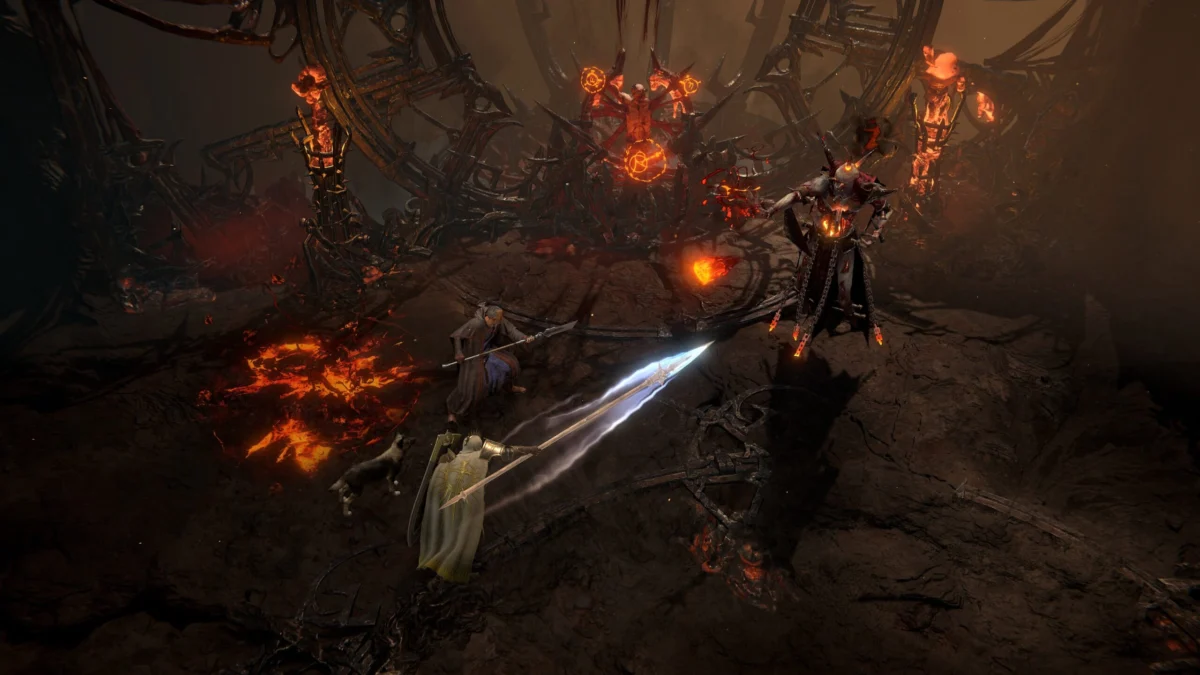
Sanctuary braces for a pivotal moment as Blizzard Entertainment prepares to unleash its first major expansion for Diablo 4, "Lord of Hatred," alongside the game’s thirteenth seasonal journey, aptly named "Season of Reckoning." However, a recent announcement from the developer has clarified a significant distinction for players: the richness of the upcoming seasonal experience will largely hinge on whether they opt to purchase the new expansion.
The revelation confirms that while Season of Reckoning will be accessible to all Diablo 4 players, its scope and thematic depth will be considerably "less meaty" for those who do not acquire the "Lord of Hatred" expansion. This strategic move by Blizzard signals a new phase in the game’s post-launch content strategy, intertwining seasonal progression more closely with premium expansion content than ever before. For the uninitiated or those committed to the base game experience, this means a notably streamlined seasonal offering, focusing primarily on the familiar Season Rank chase, Smoldering Ashes, and chapter rewards, with a reduced emphasis on novel gameplay mechanics or overarching seasonal themes that have characterized previous seasons.
The impending launch on April 27/28 marks not just the arrival of new content but also a potential recalibration of player expectations and engagement models within the sprawling world of Sanctuary. The decision to scale back the free seasonal content in conjunction with a major paid expansion is a bold one, reflecting a delicate balance between maintaining a robust live-service game for its entire player base and incentivizing investment in its premium offerings.
The Core Revelation: Expansion vs. Base Game Experience
At the heart of Blizzard’s announcement is the clear delineation of the seasonal experience based on a player’s purchasing decision. For players who have become accustomed to substantial, game-altering seasonal mechanics – such as the Malignant Hearts of Season 1, the vampiric powers of Season 2, or the Seneschal companion of Season 3 – the Season of Reckoning promises a different, more subdued approach if they stick to the base game.
The developer has confirmed that non-expansion owners will still engage with the core seasonal progression loop. This includes advancing through the Season Rank, earning Smoldering Ashes to unlock Season Blessings, and claiming various rewards tied to completing seasonal chapters. Furthermore, the battle pass, a staple of Diablo 4‘s monetization, will also be present, featuring its usual four Reliquaries, with the first available for free and subsequent ones requiring purchase. While these elements provide a foundational structure for continued play, the absence of a unique, overarching seasonal mechanic or a compelling narrative thread for base game players sets Season of Reckoning apart from its predecessors.
This shift suggests that the true "meat" of the content, including significant gameplay innovations, new systems, and thematic depth, will be primarily found within the "Lord of Hatred" expansion itself. For those who choose to delve into the expansion, the seasonal journey is expected to seamlessly integrate with and augment the new content, providing a holistic and enriched experience. However, for the segment of the player base that prefers to engage with the free seasonal offerings, the Season of Reckoning will represent a more minimalist approach, potentially leading to questions about long-term engagement without further investment.
A Chronological Look at Diablo 4’s Evolving Seasons
Since its launch, Diablo 4 has embraced a seasonal model designed to keep players engaged through regular content updates, new gameplay mechanics, and fresh challenges. Each season typically introduces a unique theme, a distinct seasonal mechanic that alters gameplay significantly, a new storyline, and a suite of cosmetic and gameplay rewards.
From Malignant Hearts to Construct Companions: A Brief History of Seasonal Innovation
- Season of the Malignant (Season 1): Introduced Malignant Hearts, special socketable items that provided powerful, build-altering effects. Players engaged with a new questline to combat a corrupted plague spreading across Sanctuary.
- Season of Blood (Season 2): Focused on vampiric powers, allowing players to unlock and utilize unique abilities tied to a blood-infused theme. This season also brought significant quality-of-life improvements and new endgame bosses.
- Season of the Construct (Season 3): Introduced the Seneschal Companion, a customizable construct that assisted players in combat, alongside new dungeon types (Vaults) and a perilous mechanical threat.
These past seasons have set a precedent for what players expect: a significant new system or mechanic that changes the fundamental way they approach character building and combat, alongside a compelling narrative to drive their progression. The "less meaty" description for Season of Reckoning, particularly for non-expansion owners, therefore stands in stark contrast to this established pattern, highlighting the shift in content delivery.
The Lord of Hatred and Season 13: A Simultaneous Launch
The convergence of a major expansion and a new season is not entirely new to the Diablo franchise, but its implementation in Diablo 4 carries specific implications. "Lord of Hatred" is the game’s first paid expansion, promising to introduce a new class (the Spiritborn), a new region (Nahantu), a continuation of the main storyline involving Mephisto, and a host of new endgame activities, items, and mechanics. The decision to launch Season of Reckoning concurrently with this expansion is strategic, aiming to capitalize on the excitement generated by the new content and potentially guide players towards an expansion purchase.
The simultaneous rollout means that all players, regardless of expansion ownership, will experience the underlying game changes introduced by Patch 3.0.0. This includes potential class balance adjustments, new legendary items, and quality-of-life updates that are part of the core game. However, the unique seasonal mechanics, which usually offer a distinct flavor to each season, will be notably absent for those who do not embark on the Lord of Hatred journey.
Pre-loading for All: Technical Necessities and Practicalities
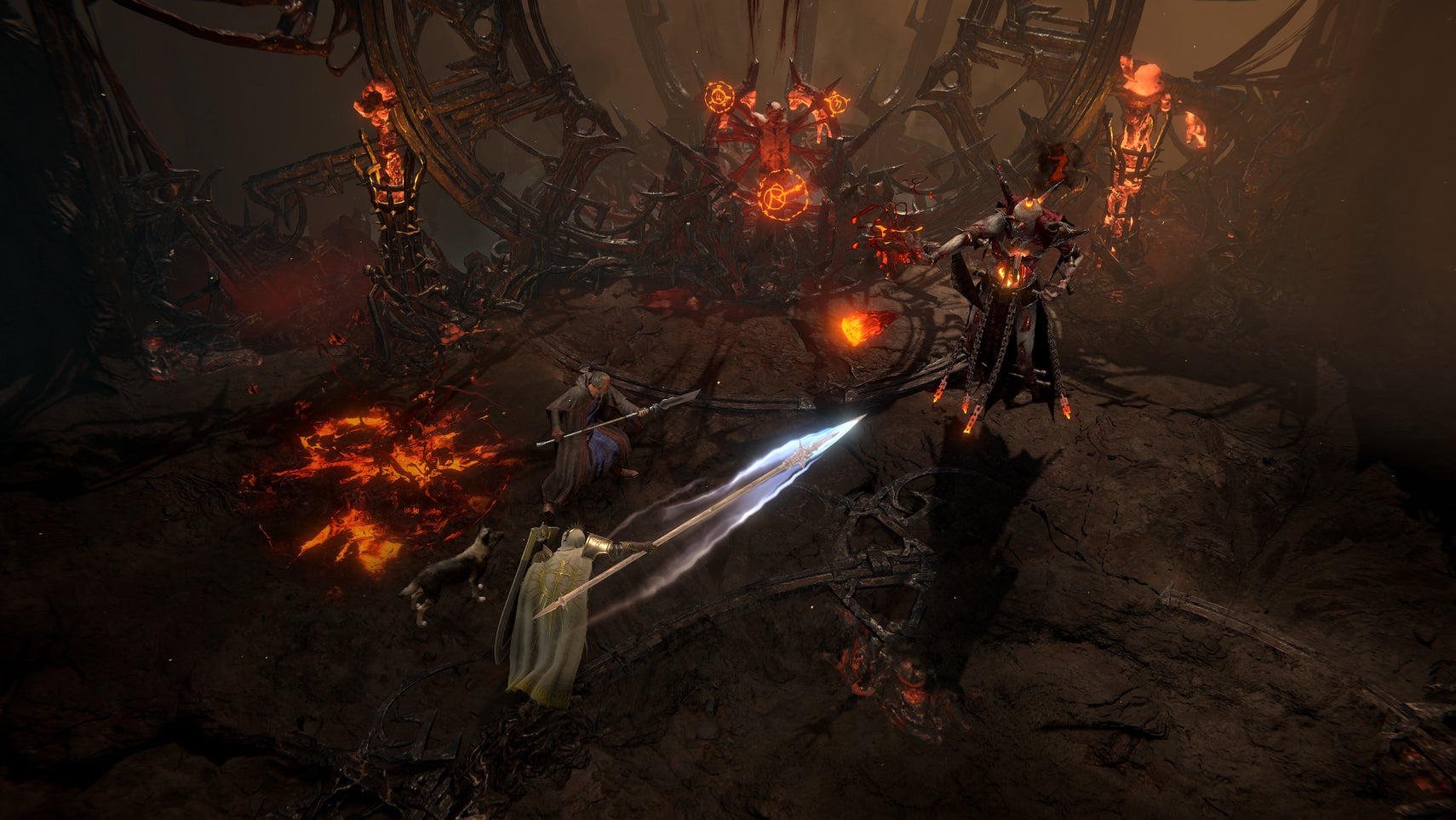
Blizzard has confirmed that the pre-load for "Lord of Hatred" is now available across all platforms. Crucially, this pre-load, encapsulated within Patch 3.0.0, includes all the expansion content regardless of whether a player has purchased "Lord of Hatred." This is a common practice in game development, serving several technical purposes.
Firstly, it ensures that all players are on the same client version, simplifying server management and cross-play functionalities. If expansion content were entirely separate, it could lead to fragmentation, where players with and without the expansion might not be able to interact seamlessly in shared spaces. Secondly, it allows for a smoother transition on launch day, as the bulk of the data is already downloaded. On April 27/28, players will only need to download a smaller, activation-focused Patch 3.0.1, which will unlock the expansion content for those who own it and enable the seasonal mechanics for all. This technical necessity highlights the integrated nature of Diablo 4‘s game world, where even non-purchasers receive the underlying data, albeit without access to the premium content.
Supporting Data: Deciphering Blizzard’s Strategy
The decision to offer a "less meaty" free season alongside a paid expansion is a calculated move by Blizzard, rooted in both development realities and monetization strategies for live-service games.
The "Less Meaty" Season: What Free Players Will Miss
For players who choose not to purchase "Lord of Hatred," the Season of Reckoning will essentially function as a more traditional "patch" season rather than a full-blown thematic overhaul. While they will still have the battle pass, Smoldering Ashes, and Season Blessings – which offer experience boosts, gold find, and other minor boons – they will miss out on:
- Novel Gameplay Mechanics: The core, game-altering systems that have defined past seasons (e.g., Malignant Hearts, Vampiric Powers, Seneschal Companion) will not be present in a standalone capacity for the free season.
- New Narrative Content: While the expansion carries the main story forward, the free season is unlikely to feature its own distinct, compelling questline that drives unique seasonal progression.
- Thematic Identity: Past seasons have had strong thematic identities that influenced monster types, environmental changes, and player abilities. The Season of Reckoning, for non-expansion owners, may lack this distinct flavor, feeling more like a generic progression path.
- Major Content Injections: New dungeon types, unique seasonal bosses, or specialized events that are not part of the core game will likely be tied to the expansion.
This streamlined approach means that the primary motivation for base game players will be to level new characters, experiment with existing builds, and collect current-season items, rather than engaging with a fresh, innovative gameplay loop.
What Expansion Owners Gain: A Deeper Dive into Lord of Hatred
Conversely, for those who invest in "Lord of Hatred," the Season of Reckoning will likely feel more integrated and rewarding. The expansion itself promises:
- A New Class (Spiritborn): A completely new way to play, offering fresh build diversity and combat experiences.
- New Region (Nahantu): A vast, unexplored jungle environment with new lore, enemies, and challenges.
- Story Continuation: The narrative arc involving Mephisto, a central antagonist, will be advanced significantly, providing crucial lore progression for Diablo enthusiasts.
- New Mechanics and Features: While details are still emerging, expansions typically introduce new endgame activities, itemization layers, and quality-of-life improvements that enhance the overall game.
- Seamless Seasonal Integration: It’s highly probable that the "Season of Reckoning" mechanics for expansion owners will be deeply intertwined with Nahantu, the Spiritborn class, or the new endgame systems, making the seasonal journey feel like a natural extension of the expansion content.
For these players, the "less meaty" aspect of the free season is largely irrelevant, as their primary engagement will be with the wealth of new content provided by the expansion. The seasonal progression will then serve to further enhance and guide their exploration of Nahantu and the new class.
The Battle Pass Structure: Familiar Rewards Amidst Change
The battle pass remains a consistent feature, offering both free and premium tiers. Players can expect to earn cosmetic items, currency (like Platinum), and various in-game resources through progression. The mention of four Reliquaries implies a staggered release of cosmetic sets or themed items, a common tactic to encourage continued engagement throughout the season. The first Reliquary being free is standard, offering a taste of the cosmetic rewards. However, without a compelling new gameplay loop in the free season, the incentive to purchase the premium battle pass might be diminished for non-expansion owners, as the primary draw of new mechanics won’t be there to complement the cosmetics.
Why the Shift? Incentivizing Expansion Adoption
Blizzard’s strategy here is multi-faceted:
- Resource Allocation: Developing a massive expansion like "Lord of Hatred" requires significant resources. It’s plausible that the development team focused the bulk of its creative energy and manpower on the expansion’s content, leaving fewer resources for a standalone, feature-rich free season.
- Monetization Strategy: In the live-service game model, expansions are a primary revenue driver. By making the free season less compelling, Blizzard gently nudges players towards purchasing "Lord of Hatred" if they desire a more substantial and evolving experience. It’s a clear signal that the cutting-edge content and narrative progression will now reside in the paid expansions.
- Preventing Content Overload: Launching a massive expansion alongside a complex, new seasonal mechanic could overwhelm players. By simplifying the free season, Blizzard might be aiming to allow players to fully immerse themselves in the expansion’s offerings without feeling pressured to simultaneously engage with a separate, intricate seasonal system.
- Long-Term Vision: This could be a new template for Diablo 4‘s content release schedule. Major expansions will be the primary vehicle for significant new gameplay loops and story, with subsequent "regular" seasons (as Blizzard stated, "future seasons will follow the classic format") returning to the established model in between expansion releases.
Official Stance and Community Reception
Blizzard has communicated this change with a relatively straightforward announcement, framing it as a natural alteration to the seasonal flow during an expansion release. The official messaging emphasizes that the core seasonal progression (rank, ashes, blessings) will still be available for all, implying that the game remains supported for its entire player base.

Blizzard’s Communication and Intent
The phrasing "the season itself won’t be as meaty, at least when it comes to the sort of gameplay mechanics and themes players have come to expect from each new season" is a frank admission. It manages expectations directly, acknowledging that a segment of the player base will receive a pared-down experience. By stating that "future seasons will follow the classic format," Blizzard attempts to reassure players that this is a temporary deviation linked to the expansion launch, rather than a permanent reduction in free seasonal content quality. This communication aims to manage potential backlash by providing context and a promise for the future.
Anticipated Player Sentiment: Balancing Free Content with Premium Offerings
The community’s reaction is likely to be mixed. Free-to-play or base-game-only players might express disappointment, feeling that the game is moving towards a model where meaningful engagement requires constant financial investment. This could lead to a dip in player retention among those who are not ready or willing to purchase the expansion. Some might view it as a deliberate tactic to push sales, potentially fostering resentment.
Conversely, players who were already planning to buy "Lord of Hatred" may not see this as an issue, as their experience will be enhanced. They might even appreciate the clarity, knowing that the full Diablo 4 experience will now encompass the expansion. The competitive live-service landscape means that player expectations for free content are high, and Blizzard’s challenge is to balance these expectations with the economic realities of developing and sustaining a large-scale online game. The success of this strategy will ultimately be measured by expansion sales and sustained player engagement across both segments of the audience.
Implications for Diablo 4’s Future
The Season of Reckoning and "Lord of Hatred" expansion represent a critical juncture for Diablo 4, potentially setting a new precedent for its long-term content strategy and player engagement.
A New Blueprint for Post-Launch Content?
This approach suggests a model where major, game-altering content and narrative progression are primarily delivered through paid expansions. The free seasonal model, while still existing, may serve as a complementary system to the expansion or as a more lightweight experience in between expansion releases. This is a common strategy in the MMO and ARPG space, where expansions act as tentpole releases that revitalize the player base and introduce significant new features, while seasons or patches fill the gaps.
If successful, this could become Diablo 4‘s standard: a cadence of major paid expansions every year or two, each accompanied by a "lighter" free season that integrates with the expansion, followed by "classic format" seasons that introduce new standalone mechanics until the next expansion.
The Long-Term Health of the Ecosystem
The long-term health of Diablo 4‘s ecosystem will depend on several factors:
- Quality of "Lord of Hatred": If the expansion delivers a truly compelling and high-quality experience, it will justify the investment and mitigate concerns about the lighter free season.
- Execution of Future "Classic" Seasons: Blizzard’s promise that future seasons will return to the "classic format" is crucial. If these subsequent free seasons are indeed as robust and innovative as earlier ones, it will reassure players that the base game experience remains valued and evolving.
- Player Retention: The key challenge will be to retain players who do not buy the expansion. If the "less meaty" season leads to significant player churn, Blizzard may need to re-evaluate its strategy.
- Monetization Balance: Striking the right balance between premium content (expansions, battle passes, shop cosmetics) and free updates is vital to maintaining a healthy player base and revenue stream.
Looking Ahead: The Promise of Future "Classic" Seasons
Blizzard’s commitment to returning to the "classic format" for future seasons after Season of Reckoning is a significant detail. This suggests that the current approach is an anomaly, specifically designed around the launch of "Lord of Hatred." If this holds true, players can look forward to a return of the more innovative and feature-rich free seasonal content that they have come to expect. This promise will be critical in shaping the community’s long-term perception of Diablo 4‘s value proposition, particularly for those who prefer to engage with the game without continuous financial investment beyond the initial purchase.
In conclusion, the Season of Reckoning and the "Lord of Hatred" expansion represent a pivotal moment for Diablo 4. While offering an abundance of new content for expansion owners, it also marks a deliberate shift in the free seasonal experience. As Sanctuary prepares for these changes, the gaming world watches to see how this new content strategy will shape the destiny of Blizzard’s flagship ARPG.











No comments yet. Be the first to join the conversation!