In an era where comic book publishing is increasingly defined by cross-cultural exchange and digital-first delivery, Marvel Entertainment took a significant leap into the East Asian market with the launch of Avengers: Electric Rain. This unique collaboration between Marvel and the South Korean digital platform Daum represented a paradigm shift in how Western intellectual property interacts with the burgeoning "manhwa" (Korean comic) industry. At the heart of this project is the acclaimed Korean artist Younghoon Ko, whose vision brought the Avengers to the streets of Seoul, introducing an entirely new character to the global Marvel canon.
The Genesis of a Digital Partnership
The development of Avengers: Electric Rain was not merely a licensing agreement; it was a curated effort to bridge the gap between American superhero tropes and the specific stylistic demands of the South Korean webtoon market. Webtoons—vertical-scrolling, high-color, digitally optimized comics—have become a dominant force in Korean entertainment, with platforms like Daum and Naver serving as the primary delivery mechanisms.

For Marvel, the objective was twofold: to provide authentic localized content for their growing South Korean fanbase and to test the viability of the webtoon format for their primary superhero franchises. By partnering with Daum, Marvel leveraged local expertise to ensure that the setting, tone, and cultural nuances of the comic resonated with Korean readers. This collaboration was facilitated under the oversight of Disney Korea, marking a high-level integration of Marvel’s global brand strategy with local digital infrastructure.
Chronology: From Concept to Digital Serialisation
The timeline of Electric Rain reflects a meticulously planned rollout designed to capitalize on the popularity of Marvel’s cinematic successes in the region.

- Initial Development Phase (Early 2014): Marvel editorial staff, including notable figures such as Axel Alonso and Tom Brevoort, began discussions with Daum regarding a localized Marvel experience. The goal was to move beyond simple translations of American issues and create a bespoke narrative.
- Creative Selection: The selection of Younghoon Ko as the lead artist was a pivotal moment. Ko, known for his dynamic action sequences and mastery of the digital medium, was tasked with reimagining the Avengers’ aesthetic to fit the fluid, high-octane style favored by webtoon readers.
- The Launch (September 2014): The series premiered on Daum, quickly garnering attention for its unique premise: the Avengers operating within the familiar urban landscapes of Seoul.
- International Awareness: As the series progressed, the English-speaking comic book community—specifically outlets like Bleeding Cool—began to document the project, highlighting the contrast between the high-level corporate oversight from Marvel’s New York offices and the distinctively Korean visual narrative being produced on the ground.
Supporting Data: The Anatomy of a Webtoon
Unlike traditional print comics, Avengers: Electric Rain utilized the specific affordances of the webtoon format. The vertical layout allows for a "continuous canvas" experience, which changes the pacing of action scenes. In Electric Rain, this meant that the Avengers’ combat—often involving complex aerial maneuvers and environmental destruction—could be displayed with a cinematic flow that is difficult to replicate on a static, printed page.
The inclusion of a brand-new character, exclusive to this series, served as a crucial hook. This character was designed to act as a surrogate for the reader, providing a Korean perspective on the sudden arrival of global icons like Iron Man, Captain America, and Thor. By grounding the narrative in the local geography—utilizing recognizable Seoul landmarks—the series achieved a level of immersion that traditional US-based comics rarely offer for international audiences.

Official Responses and Cross-Cultural Friction
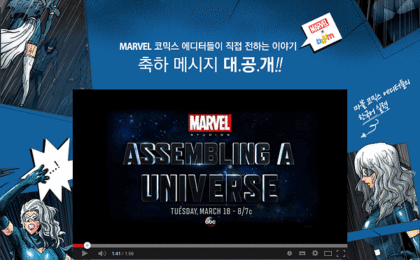
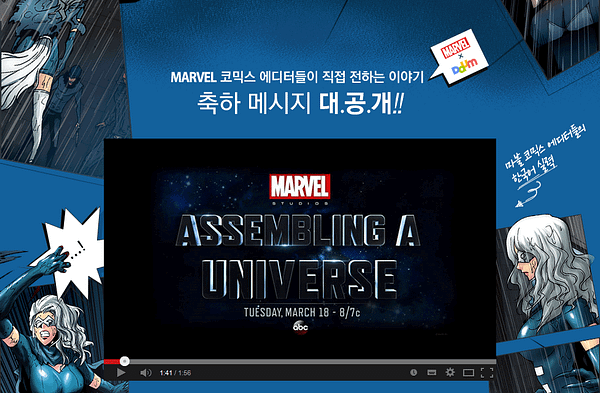
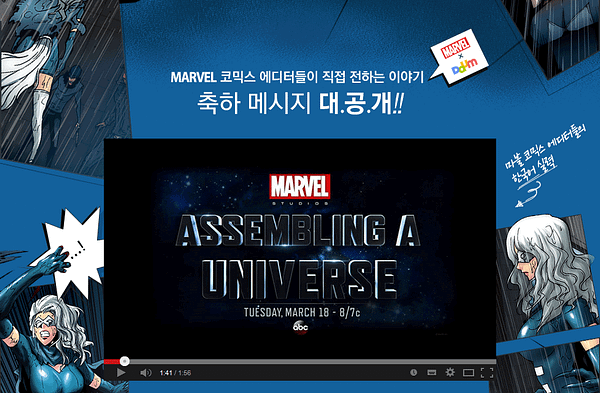
The project’s rollout featured a series of promotional videos featuring Marvel’s editorial brass, including C.B. Cebulski, Axel Alonso, Tom Brevoort, and editors like Nick Lowe and Jordan White. These videos served as a bridge between the American editorial team and the Korean creative team.
The reception of these promotional materials was, in itself, a topic of discussion. While the Marvel executives expressed genuine enthusiasm for the project, the linguistic barrier was evident. The footage showed the American team attempting to navigate the Korean language and cultural protocols, a process that provided a candid, if occasionally humorous, look at the challenges of international collaboration. However, the contrast was stark when the focus shifted to Younghoon Ko. Ko’s contribution was widely praised for its visual sophistication, proving that while the administrative side of the project was learning to adapt, the artistic vision was already perfectly aligned with the target demographic.

The "mutilation" of the Korean language by the American editors in these clips, while unintentional, served as a symbolic reminder of the difficulty of cultural translation. It underscored the fact that Avengers: Electric Rain was an experiment in humility for the Western giant—a recognition that to successfully export their IP, they had to allow local creators to take the reins.
The Implications for the Future of Comics
The legacy of Avengers: Electric Rain extends far beyond its initial run. It serves as a blueprint for the modern era of comic book distribution. Several key implications can be drawn from this project:

1. The Death of Geographical Constraints
Electric Rain demonstrated that the "Marvel Universe" is no longer tied to New York City. By moving the Avengers to Seoul, Marvel signaled a willingness to explore a truly globalized version of their mythos. This has since paved the way for other localized international projects.
2. The Digital-First Mandate
The success of the webtoon format in Korea—characterized by rapid consumption and high accessibility—has influenced how major publishers view digital content. Marvel’s investment in this format proved that mobile-first design is not a "secondary" way to read comics, but a primary, high-value medium for younger generations.

3. The Rise of the "Global Creative"
Younghoon Ko’s prominence in this project highlighted the importance of local talent in global franchises. The era where a single American creative team dictates the look and feel of a global brand is fading. Instead, we are seeing the rise of a "collaborative internationalism," where domestic artists are empowered to interpret global icons through the lens of their own cultural identity.
4. IP Fluidity
The creation of a brand-new character for a specific regional market is a strategic masterstroke. It allows the publisher to test characters in low-risk, high-engagement environments before deciding whether to introduce them to the broader, mainstream continuity. This creates a feedback loop where international fans feel a sense of ownership over the characters they helped nurture.
Conclusion
Avengers: Electric Rain remains a landmark case study in the intersection of American pop culture and Korean digital innovation. While the project may have begun as a corporate experiment in market expansion, it matured into a creative success that bridged two very different worlds. By allowing the artist to define the narrative pace and visual language, Marvel managed to create something that felt inherently Korean while remaining undeniably Avengers. As the comic book industry continues to digitize and diversify, the lessons learned from this 2014 collaboration continue to resonate, proving that the most powerful stories are those that can transcend borders while honoring the specific cultural landscapes in which they are told.