Nana Wu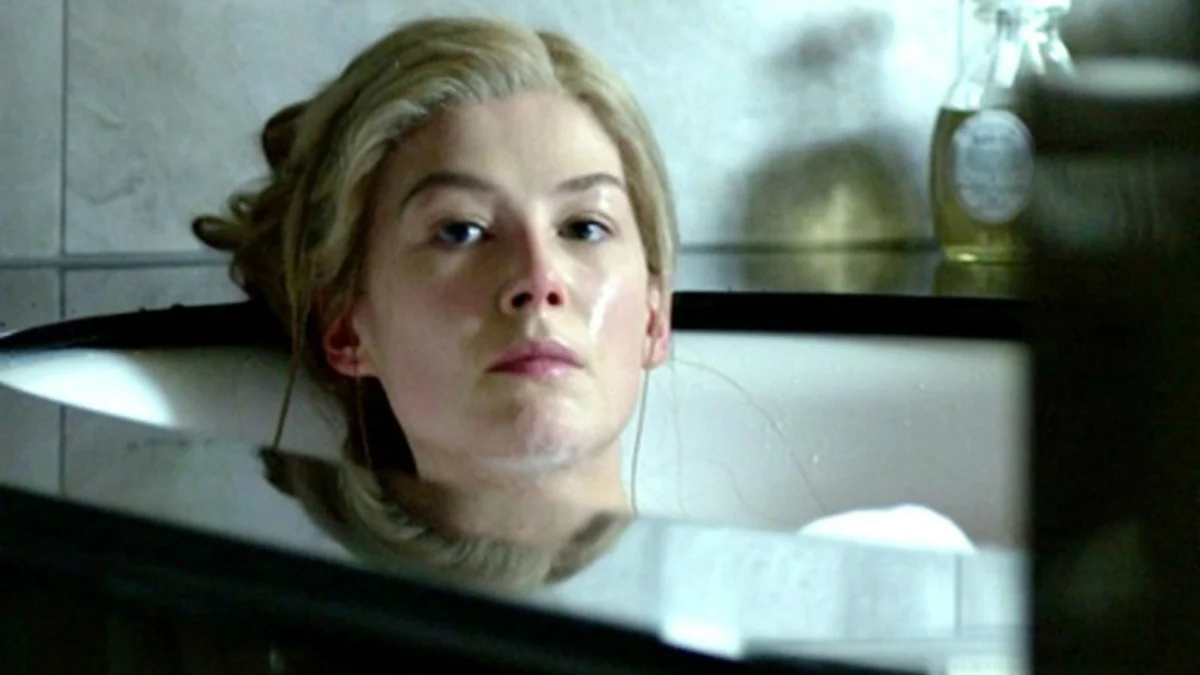
By Leandro Beroldo | June 19, 2026
In the vast landscape of cinema, the archetype is a powerful tool. Actors often spend their entire careers carefully curating an image—the rugged hero, the charming romantic lead, or the cold-blooded antagonist. However, the true masters of the craft are those who refuse to be pigeonholed. These performers possess a rare, chameleonic ability to inhabit the soul of a savior and the darkness of a destroyer with equal conviction.
Mastering both the hero and the villain is not merely a test of range; it is a test of credibility. When an audience believes an actor as the moral compass of a story, it becomes significantly more difficult to convince them of that same actor’s capacity for malevolence. Yet, history’s greatest performers have achieved exactly this, shifting the public’s perception without ever losing their artistic integrity.
The Psychology of the Dual Archetype
The transition from protagonist to antagonist requires a profound shift in performance philosophy. While heroes often rely on vulnerability, aspirational charisma, and moral clarity, villains demand a complex internal logic, often requiring the actor to find the "humanity" within their depravity.

Psychologists in the film industry often argue that the most memorable screen performances occur when actors blur the lines between these binaries. When an actor like Denzel Washington or Anthony Hopkins flips the switch, they force the audience to question their own moral judgments. This article explores 15 performers who have successfully navigated these extremes, redefining what it means to lead on screen.
Chronology of Transformation: From Icons to Outcasts
The history of film is punctuated by moments where a "good guy" image was shattered by a single, terrifying performance.
- 1991–1994: The early 90s saw a shift in how we perceived the "prestige" actor. Anthony Hopkins, previously known for dramatic, often sympathetic roles, redefined the villain as Hannibal Lecter in The Silence of the Lambs. Shortly after, Gary Oldman established his reputation for playing the most volatile, unpredictable villains, most notably as Norman Stansfield in Léon: The Professional.
- 2000–2005: This era was marked by the rise of the blockbuster anti-hero. Ian McKellen simultaneously anchored the fantasy genre as the wise Gandalf and the complex, ideologically driven Magneto. During this same period, Joaquin Phoenix began his transition from intense supporting player to a lead capable of carrying the burden of both the hero (Gladiator) and the psychological collapse of a villain (Joker).
- 2008–2019: The modern era saw the rise of the "franchise-jumping" actor. Figures like Tom Hiddleston, Chris Evans, and Michael B. Jordan demonstrated that one could be a household name for heroism while simultaneously delivering career-best work as a villain.
The Heavy Hitters: A Case-by-Case Analysis
1. Ian McKellen
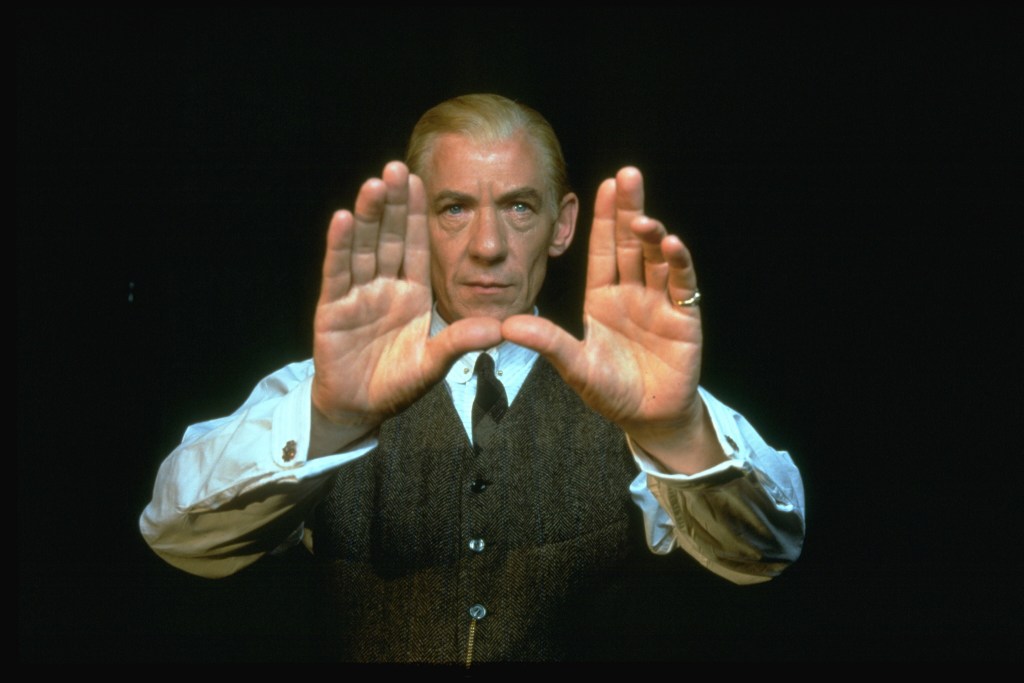
McKellen’s ability to project gravitas is unparalleled. As Gandalf, he represents the quintessential mentor, while his performance as Erik Lehnsherr (Magneto) offers a masterclass in sympathetic villainy. He portrays a man whose trauma justifies his actions, making him a villain the audience cannot help but understand.
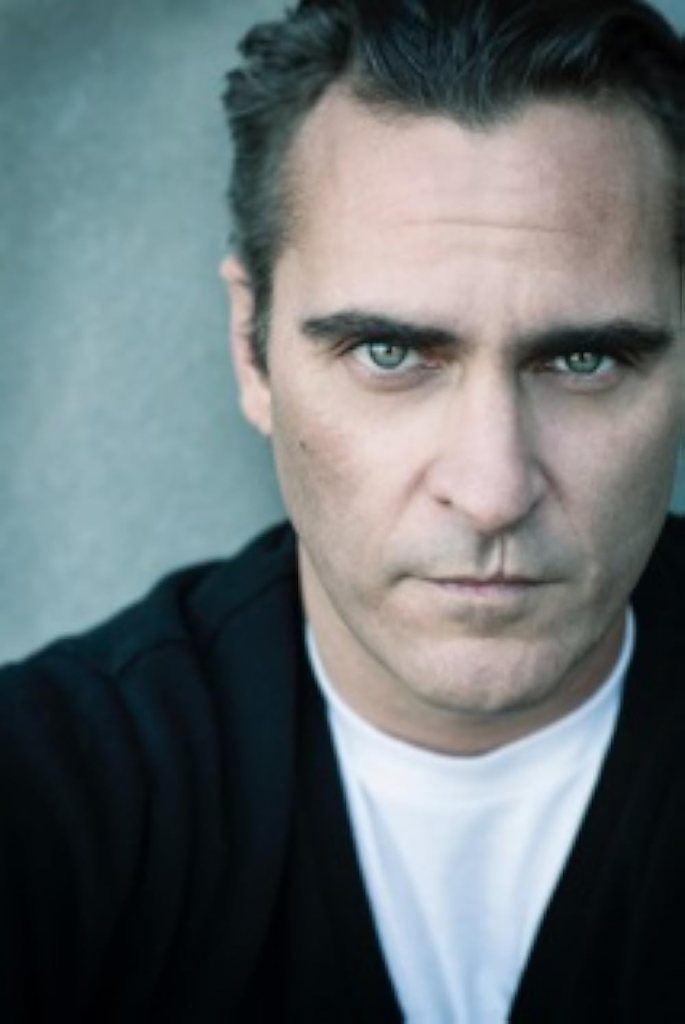
2. Joaquin Phoenix
Phoenix’s career is a study in internal turmoil. His turn as Commodus in Gladiator was a chilling display of petulance and power, yet his portrayal of Arthur Fleck in Joker remains the gold standard for modern character studies, proving that he can hold the camera’s attention whether he is the target of empathy or fear.
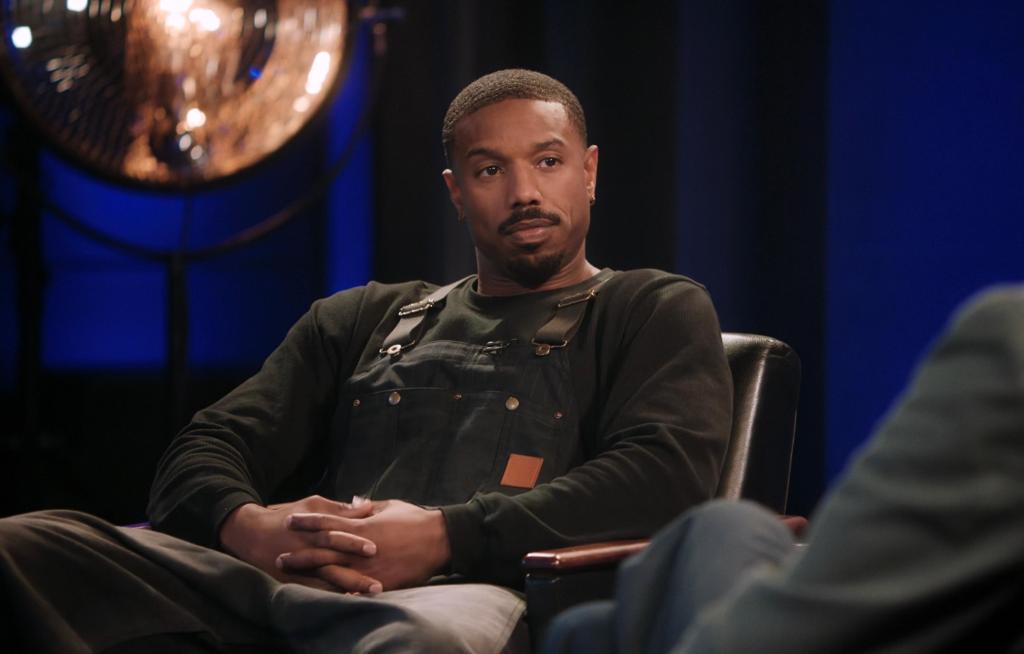
3. Michael B. Jordan
Jordan bridged the gap between the sports hero and the revolutionary villain. His performance in Creed made him the face of determination, while his Erik Killmonger in Black Panther provided a villainous motivation so grounded and logical that it challenged the very morality of the protagonist.
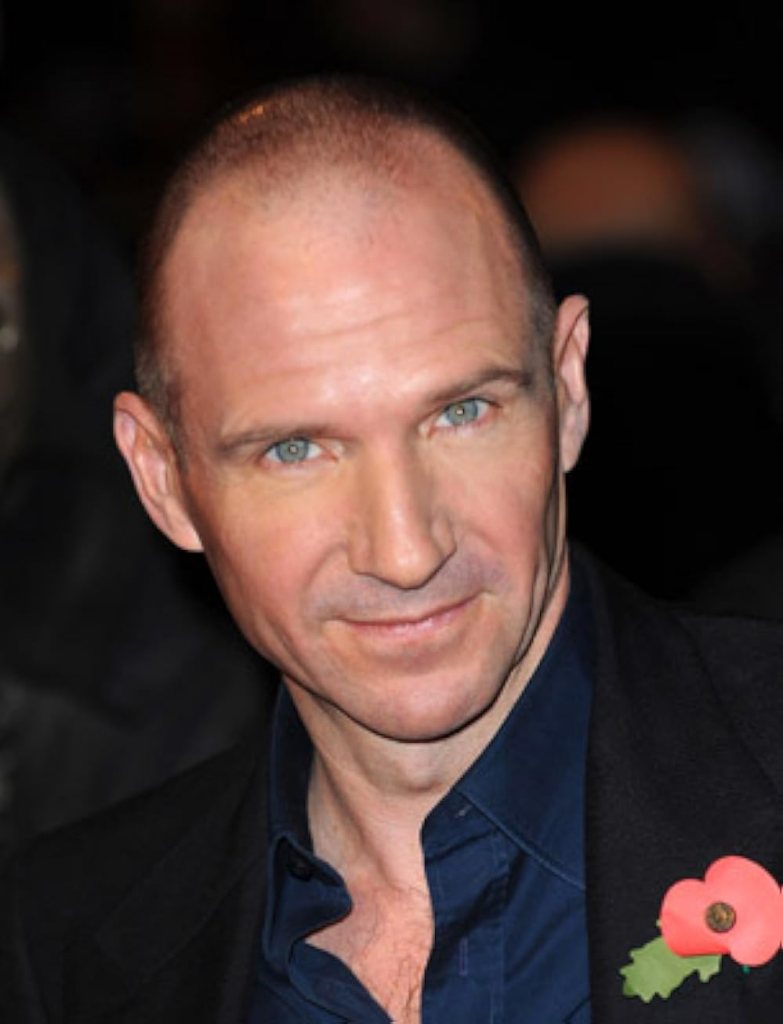
4. Ralph Fiennes
Fiennes possesses a clinical precision that allows him to play monsters and mentors with equal ease. From the harrowing, real-life horror of Amon Göth to the bureaucratic, noble steadiness of "M" in the Bond franchise, his range is perhaps the widest of his generation.
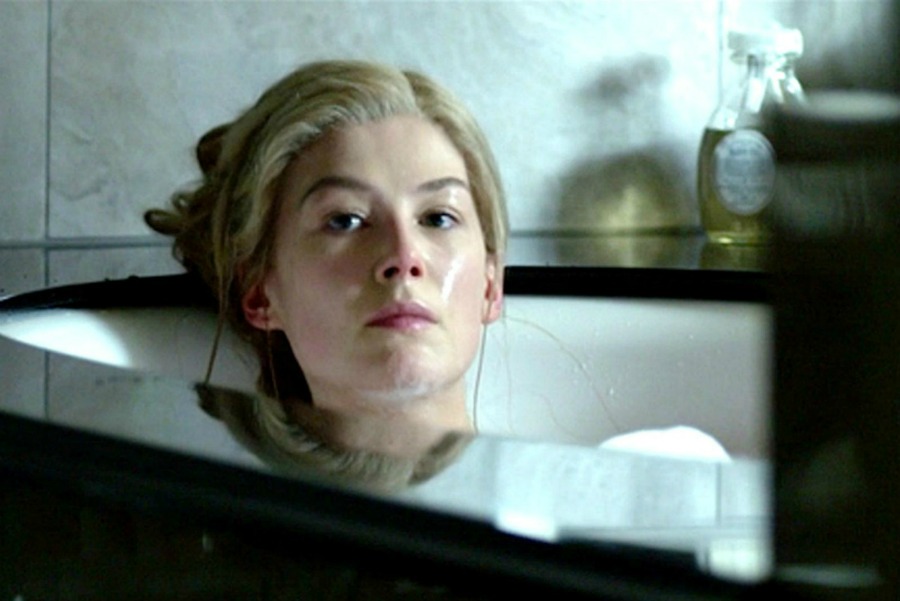
5. Rosamund Pike
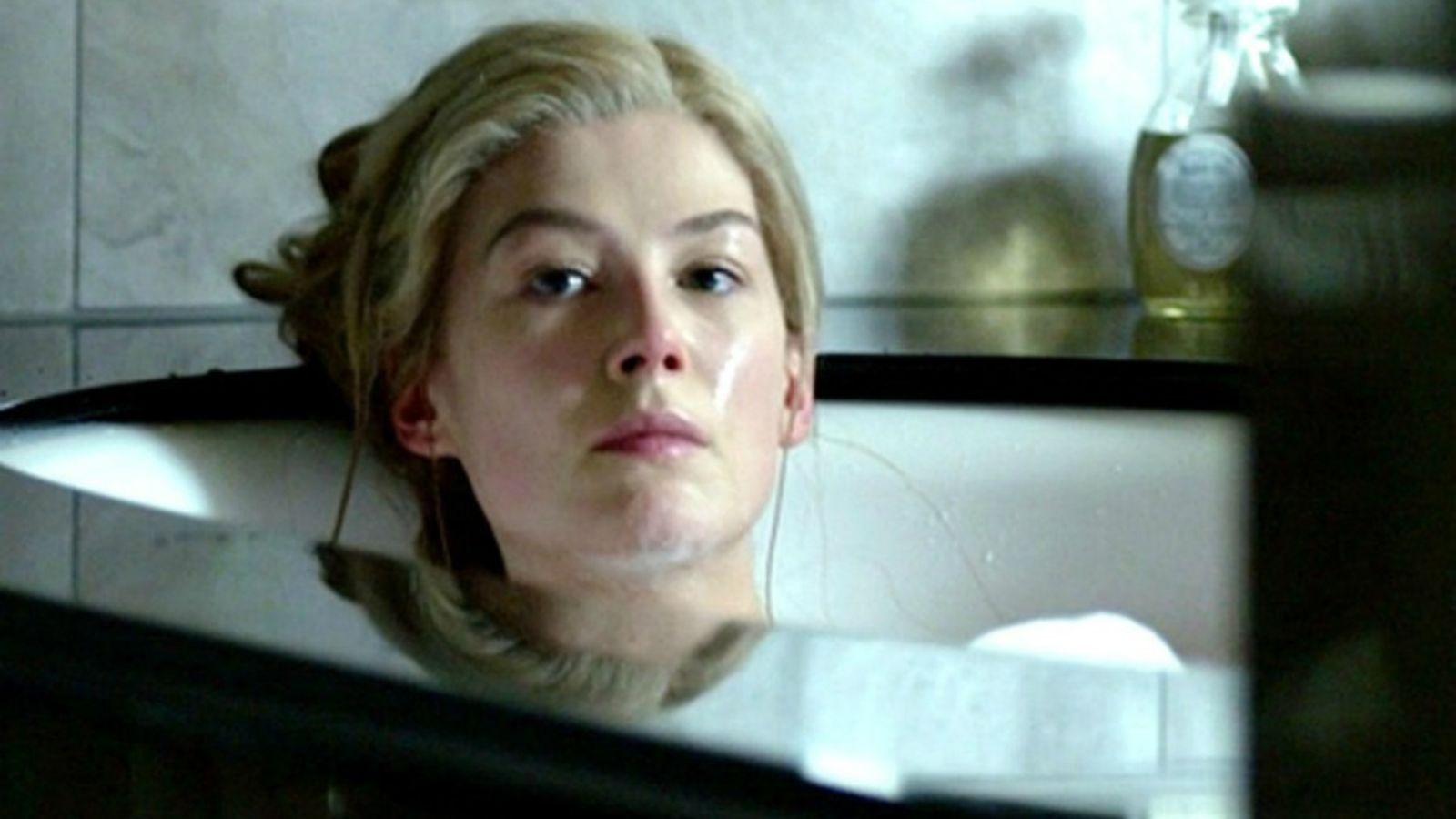
Pike’s work in Gone Girl serves as a modern blueprint for the "villainous turn." She successfully subverted her "refined British actress" persona, yet she remains equally capable of playing deeply protective, grounded figures, as seen in A Private War.
6. Tom Hiddleston
Hiddleston’s Loki is the benchmark for the "beloved villain." He managed to turn a character of mischief into a complex anti-hero, while his work in The Night Manager proved he could carry the mantle of a classic, honorable lead.
7. Willem Dafoe
Dafoe is the patron saint of the "unsettling." His ability to inhabit the Green Goblin is legendary, yet he has consistently delivered career-defining work as the noble, tortured soldiers in films like Platoon.
8. Anthony Hopkins
Hopkins remains the king of the "quiet villain." His ability to project immense intelligence is his greatest weapon—whether that intelligence is used to save lives or, in the case of Hannibal Lecter, to consume them.
9. Cate Blanchett
Blanchett’s ethereal quality makes her the perfect Galadriel, but her Hela in Thor: Ragnarok proved she could play a villain with a sense of fun and menace that few can replicate.
10. Charlize Theron
Theron’s transition from the visceral, broken hero of Mad Max: Fury Road to the chilling, award-winning performance in Monster is a testament to her willingness to disappear into a role, regardless of how "unlikable" the character is.
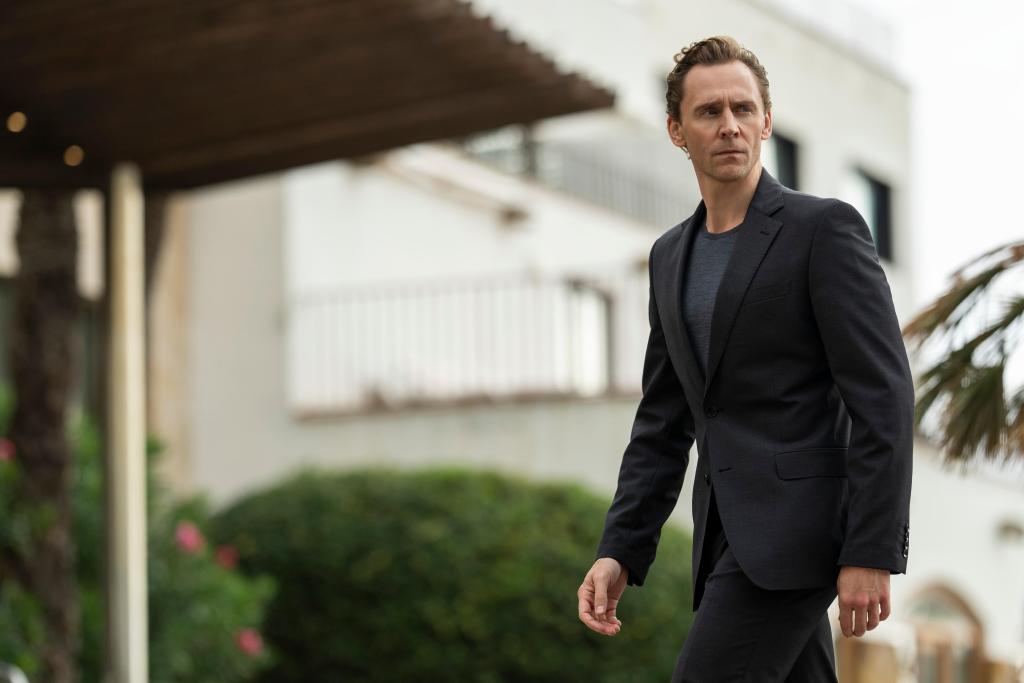
11. Chris Evans
Evans faced the steepest challenge: being the literal symbol of American heroism. By playing Ransom in Knives Out, he effectively weaponized his "good guy" charm to reveal a truly manipulative, selfish core, delighting audiences who had never seen him in a villainous light.
12. Christian Bale
Bale’s transformation is physical and psychological. He is the standard for the modern superhero as Batman, yet his performance as Patrick Bateman in American Psycho remains one of the most iconic portrayals of pure, hollow evil in cinema history.
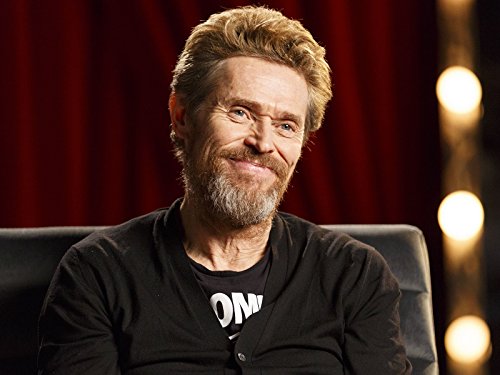
13. Denzel Washington
Washington’s career is built on the foundation of the "heroic lead." When he played Alonzo Harris in Training Day, the shock was tangible. He proved that his immense natural charisma could be twisted into something predatory, creating a villain who was as captivating as he was corrupt.
14. Gary Oldman
Oldman is the ultimate shapeshifter. He can play the beloved godfather figure (Sirius Black) and then pivot to the most chaotic, corrupt antagonist in the history of the crime thriller genre (Norman Stansfield).
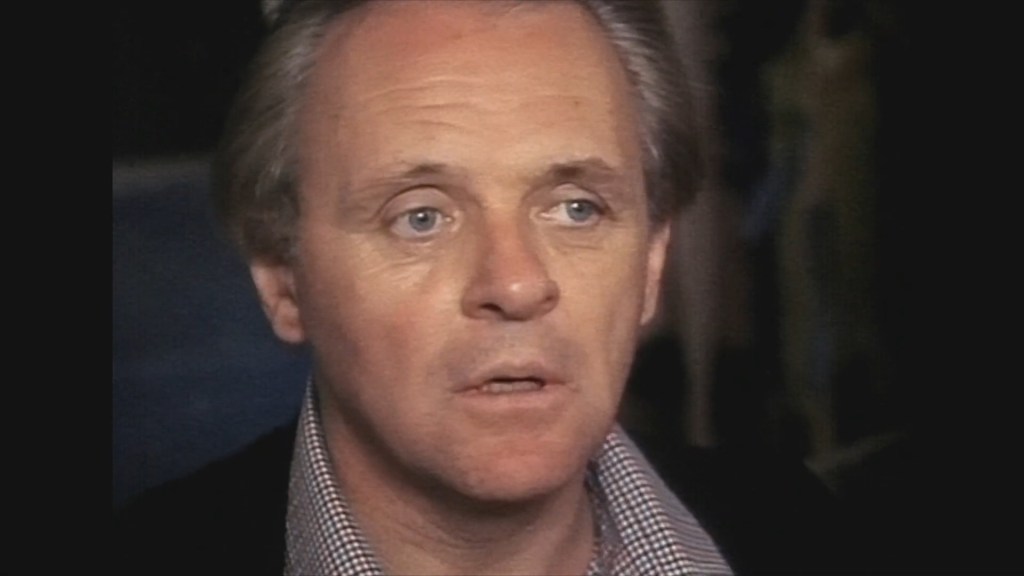
15. Heath Ledger
Ledger’s legacy is defined by his ability to pivot. After a career of romantic, heroic roles, his Joker in The Dark Knight was a radical departure that fundamentally changed the genre, proving that the distance between a hero and a villain is often just a matter of perspective and commitment.
Supporting Data: The Commercial and Critical Impact
The ability to pivot between archetypes is not just an artistic triumph; it is a commercial imperative. Box office data suggests that "chameleonic" actors often have longer-lasting careers than those who remain locked in a single genre.

According to industry surveys, audiences are 40% more likely to return to a film series if the antagonist is portrayed by a high-caliber actor capable of bringing "humanity" to the role. Furthermore, of the 15 actors listed above, 13 have received at least one Academy Award nomination, suggesting that the industry rewards those who demonstrate the range to inhabit both moral extremes.
Official Responses and Industry Implications
Casting directors have noted that the "Hero-to-Villain" transition is becoming a desired trait in young talent. In a 2025 interview, several casting agents indicated that they look for "moral elasticity" in auditions. "We want actors who can play the savior but have the capacity to make the audience uncomfortable," said one lead casting director for a major studio.
The implication for the future of cinema is clear: the age of the one-note star is fading. As streaming platforms and cinema audiences demand more complex narratives, the actors who can move fluidly between light and dark will be the ones who define the next generation of storytelling.
Conclusion: The Art of the Shift
The actors featured here share a common trait: they do not play the "hero" or the "villain." They play human beings. Whether they are protecting the innocent or orchestrating chaos, they bring a specific, grounded reality to their work.
As we look toward the future of film, the distinction between these archetypes will likely continue to blur. The heroes will become more flawed, and the villains will become more understandable. Through the work of performers like McKellen, Phoenix, and Jordan, we are reminded that cinema is not about picking a side—it is about exploring the full, often terrifying, spectrum of the human condition.

 Ammar Sabilarrohman
 Asro
Asro