Asro
Asro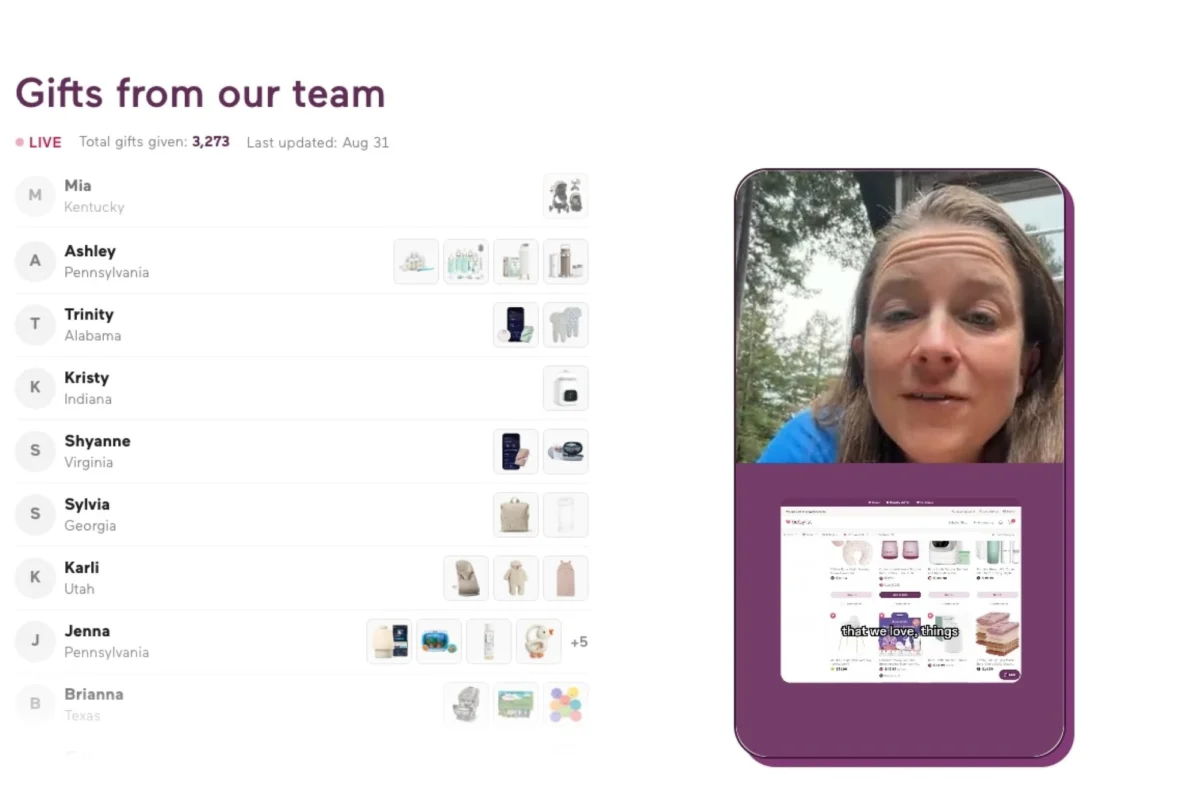
In an era defined by digital cynicism and the relentless churn of social media controversy, the internet occasionally pivots to prove that its connective tissue is capable of profound, tangible altruism. Over the past few weeks, a grassroots movement—ignited by a simple gesture from Call Her Daddy host Alex Cooper—has transformed into a heartwarming phenomenon, effectively rewriting the playbook on how digital influence can be leveraged for genuine, real-world support.
What began as a personal effort to engage with her community has snowballed into a widespread gifting chain, with thousands of strangers, creators, and major retail brands coming together to clear the baby registries of expectant parents across the globe.
The Catalyst: A Simple Gesture of Gratitude
The spark for this movement arrived in May 2026, when Alex Cooper, the powerhouse creator behind the Call Her Daddy podcast and Unwell media network, announced she was expecting her first child with her husband, producer Matt Kaplan. As she navigated the daunting landscape of pregnancy and impending parenthood, Cooper began using her platform to seek advice from her audience.
"Clearing out registries was a way to thank the community for all their incredible support and advice," Cooper stated in an official release. "Reading their stories and seeing what that meant to them made me want to find a way for Unwell to keep paying that forward."
Cooper’s initial acts of kindness—purchasing high-ticket items like cribs, strollers, and car seats for random expectant mothers—were documented in emotional TikTok videos. These videos did more than just showcase a celebrity being charitable; they created a psychological ripple effect. Viewers watched parents break down in tears upon receiving essentials that had previously been financially out of reach, and the emotional resonance of those moments was immediate.

Chronology of a Viral Movement
The timeline of the #BabylistItForward phenomenon is a study in the speed of digital empathy.
- Mid-2026: Alex Cooper begins sharing personal pregnancy milestones and soliciting advice on social media, establishing a vulnerable rapport with her followers.
- August 2026: Cooper begins the "registry clearing" project, posting videos of herself fulfilling items from registries she found online.
- Late August 2026: The trend goes viral. Ordinary users, inspired by Cooper, begin searching for registries tagged with #BabylistItForward. Small acts of individual kindness—a pack of bottles here, a box of diapers there—begin to dominate the algorithm.
- September 2, 2026: The campaign reaches a fever pitch as major platforms like Babylist formalize the initiative, and corporate partners like Pampers, UPPAbaby, and Mina Baie join the fray, pledging thousands of dollars in support.
The transition from a "celebrity trend" to a "community movement" occurred when the burden of giving was shared. It was no longer just the wealthy or the famous clearing lists; it was the average user, donating five or ten dollars to help a stranger finish their registry.
Supporting Data: The Scale of Generosity
The sheer volume of participation is staggering. Data provided to Mashable reveals that within the first hour of the formal campaign launch, over 15,000 expectant parents had responded to the call, either by sharing their own registries or nominating friends and family members in need.
As of August 31, 2026, the official #BabylistItForward dashboard recorded 3,279 gifts delivered directly from the company’s own team, a figure that does not even account for the thousands of individual, peer-to-peer gifts exchanged across platforms.
This is not merely a financial transaction; it is an informational exchange. The comment sections of these viral posts have turned into hubs of parenting wisdom. First-time parents are engaging in sophisticated discussions about product longevity, cost-effectiveness, and what items are truly "must-haves" versus "nice-to-haves." This crowdsourced curation has become a vital resource for parents who feel overwhelmed by the consumerist pressures of the baby industry.

Corporate Engagement and Official Responses
The rapid scaling of this movement invited the participation of established brands. When a movement gains this much momentum, corporations face a choice: remain on the sidelines or engage in a way that feels authentic rather than exploitative.
Babylist, acting as the central hub for the movement, pivoted its operations to support the influx of activity. Incoming CEO Jennifer Hyman emphasized that the partnership was about more than just moving inventory. "The response demonstrated that parents were looking for more than products," Hyman noted. "They were looking for answers, reassurance, and connection."
Brands have responded with varying levels of generosity:
- UPPAbaby made headlines by pledging to clear five full registries and gifting their high-end strollers to 50 additional families.
- Mina Baie committed to fulfilling items for five registries while providing 20 diaper bags to expectant parents.
- Itzy Ritzy offered a specific stimulus, promising to purchase up to $300 worth of their branded products from selected registries.
- Kiplie and Cozy Crew Club have focused on providing portable essentials and gift cards, respectively.
Beyond these giants, reality television stars like Harry Jowsey and Colton Underwood have leveraged their large followings to direct traffic toward smaller, less-visible registries, proving that platform size can be a force multiplier for those with fewer followers.
The Human Element: Stories from the Ground
The heart of the movement lies in the individual stories that have surfaced. Take, for example, the case of Wyatt and Breanna Morris. Wyatt, an active-duty service member, shared his wife’s registry on TikTok as a modest plea for help. Within days, the couple returned to the platform in a state of shock, reporting that strangers had purchased every single item on their list.

These stories serve as the emotional anchor for the trend. They remind viewers that behind every URL link is a real person—a soldier, a student, or a working parent—facing the anxieties of bringing a child into a world that is becoming increasingly expensive. The "registry clearing" is not just about the gear; it is about the feeling of being seen and supported by a community.
Implications for Digital Culture
The #BabylistItForward movement represents a significant shift in how we view the "influencer economy." For years, the critique of influencer culture has centered on its vanity, its promotion of excessive consumption, and the widening gap between the creator and the consumer.
This trend suggests a new, more sustainable model of digital interaction. By using their platform to facilitate a redistribution of resources—even if it is just a small-scale, symbolic redistribution—creators like Cooper are moving toward a "service-oriented" model of influence.
Furthermore, the movement challenges the "doom-scrolling" narrative of social media. It proves that algorithms, often criticized for fueling polarization, can be successfully co-opted to amplify compassion. When users are given a concrete, easy way to help someone else—like a direct link to a registry—the friction between the intention to be kind and the act of kindness is removed.
Conclusion: The Longevity of a Viral Spark
While the viral nature of the trend may eventually fade as the attention of the internet inevitably shifts, the impact of these acts is permanent. The cribs, the diapers, and the strollers are now sitting in nurseries across the country.

The lasting legacy of this movement may not be the products themselves, but the precedent it sets. We have seen that when a leader, whether a celebrity or a brand, provides the architecture for kindness, the public is more than willing to build the house. In a time when the world feels increasingly fragmented, the simple, quiet act of buying a pack of diapers for a stranger has proven to be one of the most powerful ways to bridge the gap.
As long as the internet remains, the capacity for such movements will exist. Whether or not it becomes a recurring feature of digital culture remains to be seen, but for now, the #BabylistItForward trend stands as a testament to the power of a digital village—one where, even for a moment, strangers chose to care for one another.

 Azzam Bilal Chamdy
 Lina Hope