

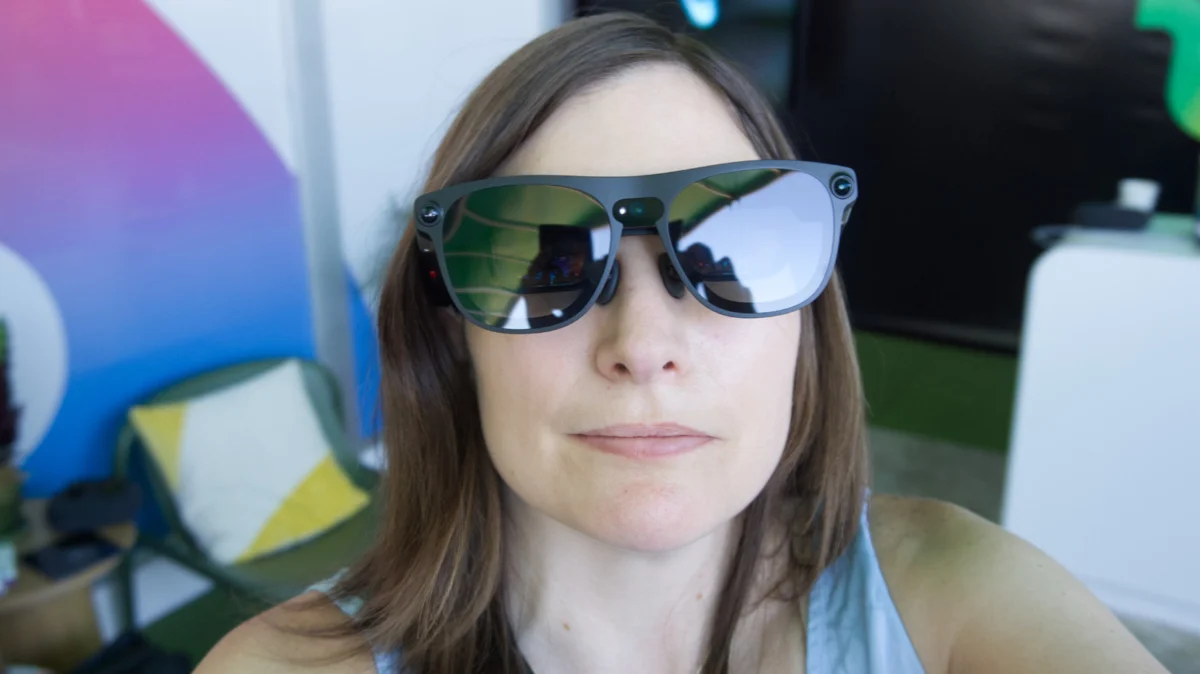
The landscape of wearable computing is currently locked in a tug-of-war between two distinct design philosophies: the "minimalist" approach, which aims to hide technology behind the guise of fashionable, everyday eyewear, and the "maximalist" approach, which prioritizes raw utility, immersive display technology, and deep spatial computing capabilities. Xreal, a company that has carved out a dedicated niche in the AR market, has officially planted its flag in the latter camp with its latest prototype: Project Aura.
Unveiled in a hands-on preview at Google I/O, Project Aura represents a significant evolution in the company’s hardware trajectory. By leveraging the power of Android XR, Xreal is moving beyond the "cinema glasses" label that defined its previous offerings, such as the One Pro. Instead, it is positioning itself as a serious contender in the professional spatial computing space.
Main Facts: What is Project Aura?
Project Aura is an AR hardware platform that serves as a direct evolution of Xreal’s existing smartglass technology, yet it functions with the power and complexity of a full-fledged spatial computer. Unlike the audio-centric, "lightweight" smartglasses currently hitting the market—which focus on discrete notifications and ambient computing—Project Aura is built for total digital immersion.
Key features of the device include:
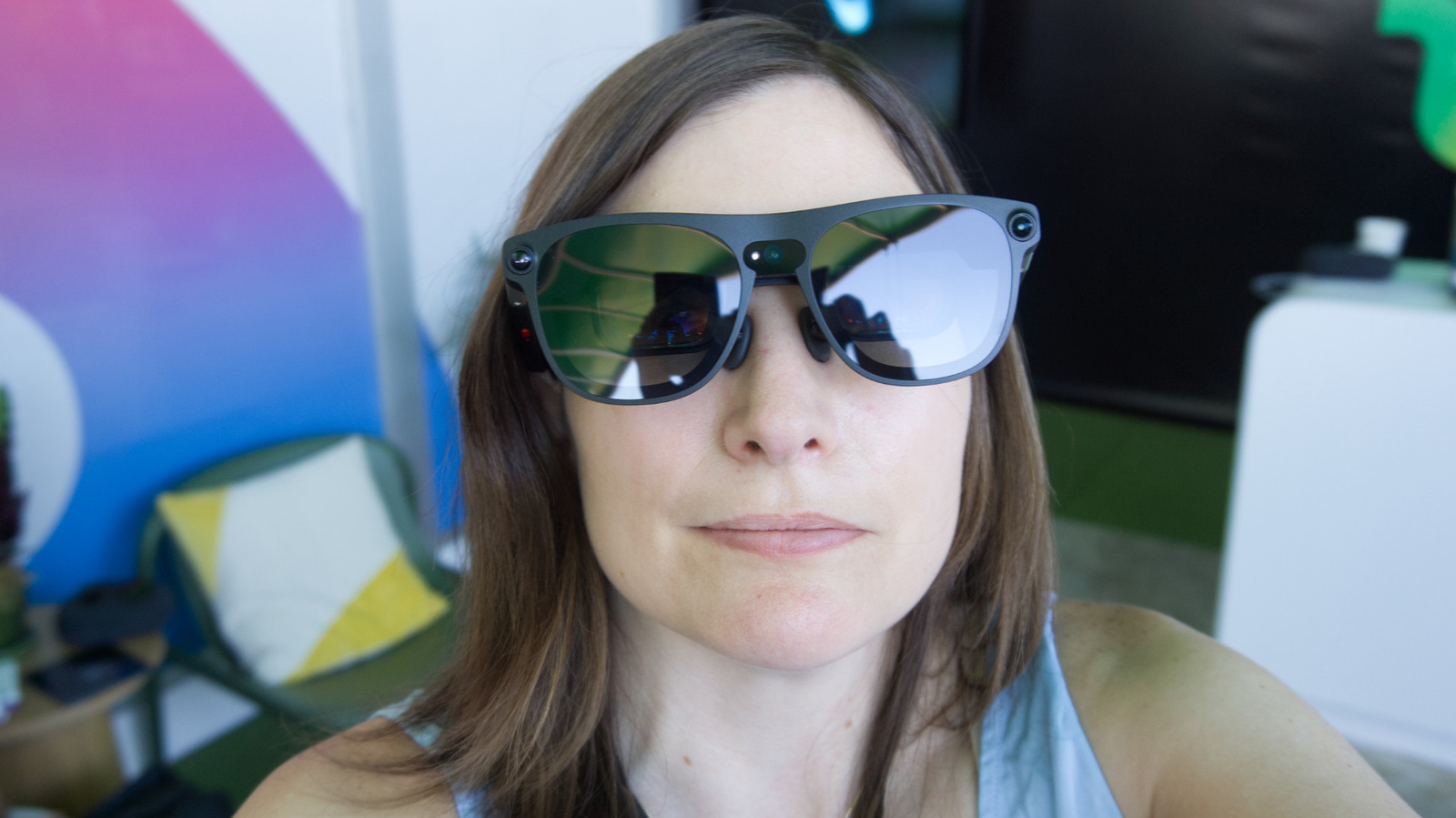
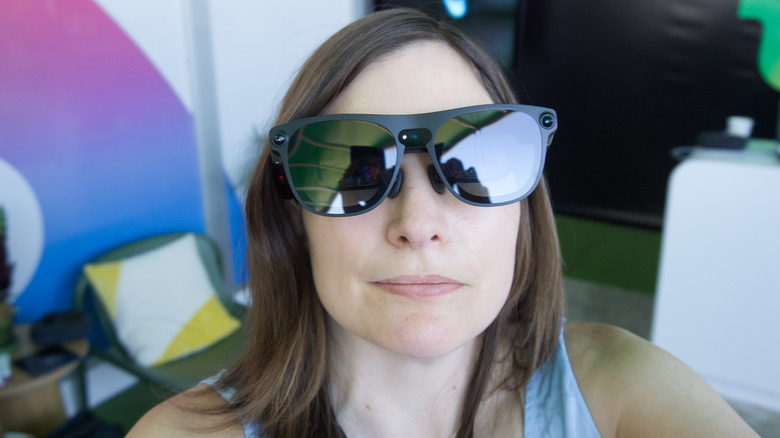
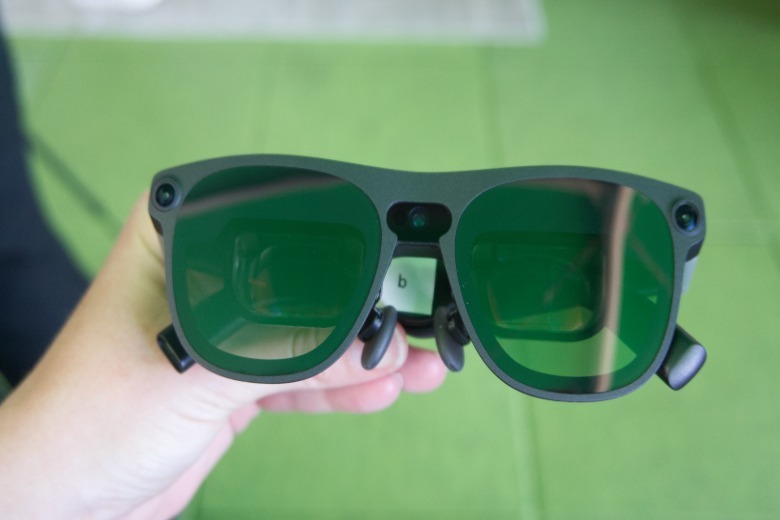
- Enhanced Sensory Hardware: The frames house three integrated cameras—two side-facing lenses dedicated to precise hand-tracking and one center-mounted camera for photo and video capture.
- Immersive Display Tech: The glasses feature a 70-degree field of view (FOV). This display is engineered for high brightness and sharpness, capable of remaining visible even in direct, harsh outdoor sunlight.
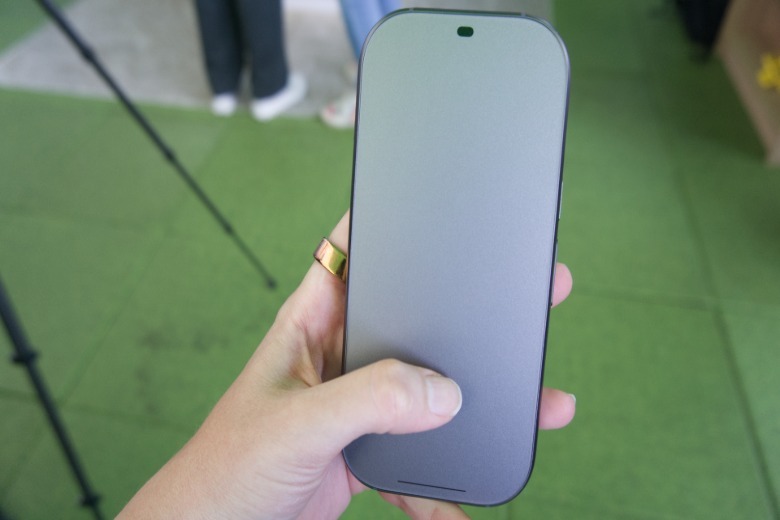
- External Compute Architecture: Eschewing the "all-in-one" headset design, Project Aura relies on a tethered connection to a pocketable, phone-sized "puck." This external unit houses the battery and primary processing hardware, effectively reducing the weight on the wearer’s nose.
- Multimodal Input: The system supports intuitive hand-gesture navigation—specifically, a refined pinching motion—allowing users to manipulate, resize, and move virtual windows in 3D space with high reliability.
A Chronology of Xreal’s Evolution
Xreal’s journey to Project Aura has been marked by a transition from specialized media consumption to general-purpose spatial computing.
Early Years: The Cinema Experience
The company initially gained traction by producing "AR glasses" that were essentially high-quality, personal 1080p projectors worn on the face. Their products were largely tethered to smartphones or handheld consoles like the Steam Deck, serving as a "private cinema" for travelers and gamers.
The One Pro Transition
With the launch of the Xreal One Pro, the company began experimenting with more robust AR features. While still focused on the entertainment sector, the One Pro introduced better spatial positioning and refined the ergonomic profile of their hardware, setting the stage for the more complex sensors required in an XR ecosystem.
The Google I/O Pivot
The reveal at Google I/O 2026 marks the first time Xreal has fully embraced the Android XR ecosystem. By integrating directly with Google’s framework, Xreal is signaling a shift toward interoperability. The demo showcased at the event allowed attendees to witness not just media playback, but active workspace management, AR-assisted object identification, and generative AI-driven tools.
Supporting Data and Technical Observations
While Xreal has remained tight-lipped regarding the specific silicon powering Project Aura, the performance observed during initial testing suggests a substantial leap in capability.
Display Performance
The 70-degree FOV is the standout technical achievement of the prototype. In the 90-degree heat of the outdoor demo environment, the display remained remarkably legible. Unlike earlier AR hardware that often suffers from "tunnel vision," the wider FOV allows for a natural workspace where users can keep a YouTube video running, a browser window open, and an AI-assistant panel to the side without feeling the need to constantly pan their heads.
The "Puck" Architecture
The reliance on a tethered puck is a design choice that mirrors Apple’s Vision Pro, though with a different target demographic in mind. The device’s internal trackpad and fingerprint sensor provide a tactile fail-safe for when gesture-based interaction isn’t preferred. However, thermal management remains a point of concern. During the 20-minute demo, the puck showed signs of heat buildup, though this was likely exacerbated by the extreme outdoor temperatures.
Gemini Integration
The "Gemini Molecule" application demo served as a proof-of-concept for the device’s multimodal potential. By simply looking at an object and performing a pinch gesture, the device used its camera array and integrated Gemini AI to identify the material and visualize its structure. The fact that these applications were "vibe-coded" (developed rapidly using AI tools) suggests that Xreal is prioritizing an ecosystem where developers can quickly deploy high-utility apps without the traditional barriers of complex software engineering.
Official Perspectives and Industry Positioning
In conversations with Xreal engineers at Google I/O, a clear narrative emerged: the company is targeting the "pro-user" who is tired of being confined to a single physical monitor. One engineer noted that they had abandoned their desktop workstation entirely in favor of Project Aura, utilizing the device’s ability to project multiple high-resolution virtual monitors while connected to a laptop.
This professional-first positioning is a strategic pivot. While competitors are racing to make smartglasses that look like Ray-Bans, Xreal is leaning into the idea that users are willing to wear a slightly more robust piece of hardware if it grants them "infinite screen real estate."
Implications: The Future of Spatial Work
The introduction of Project Aura raises several critical questions regarding the future of consumer tech:
1. The Death of the Physical Monitor?
If Xreal’s vision holds true, the traditional multi-monitor desktop setup may eventually be viewed as a relic. By providing a sharp, wide-FOV display that can be used anywhere—from a coffee shop to a plane seat—Xreal is effectively decoupling the "workstation" from the "office."
2. The Price of "Pro"
Xreal has yet to release pricing, but industry analysts anticipate a significant premium. With the Xreal One Pro currently sitting at $650, the added sensor suite, compute power, and AI-native architecture of Project Aura suggest a price point that will likely alienate casual consumers. The device is clearly aimed at early adopters, developers, and power users.
3. Competition in the Android XR Space
Xreal is entering a crowded arena. It must compete with the upcoming Samsung Galaxy XR headset, which promises to be a more "open" alternative to Apple’s premium offering. Xreal’s advantage lies in its form factor; if they can offer 80% of the capability of a full-blown headset like the Galaxy XR in a significantly lighter, glasses-like package, they may win over users who find traditional VR headsets too bulky or isolating.
4. The Role of AI in AR
Project Aura proves that AR is no longer just about rendering 3D objects in a room; it is about "semantic awareness." The ability of the device to understand what it is looking at—and then provide information about those objects in real-time—is the next frontier. By integrating Gemini, Xreal is moving away from a passive viewing experience to an active, assistive one.
Conclusion
Project Aura is an ambitious, perhaps even daring, attempt to define the "maximalist" future of Android XR. It does not attempt to disappear into the background like the minimalist smartglasses of the world; instead, it demands attention, offering a gateway into a digital workspace that is as expansive as the user’s imagination.
While questions remain regarding thermal performance, long-term battery life, and the final cost, the prototype stands as a testament to the fact that the era of spatial computing is rapidly maturing. As the formal launch approaches later this year, the tech industry will be watching closely to see if Xreal can successfully transition from a niche accessory manufacturer to a primary provider of the next generation of computing. Whether this "maximalist" bet pays off remains to be seen, but for now, it provides one of the most compelling visions of how we might interact with our digital lives in the years to come.









No comments yet. Be the first to join the conversation!