The landscape of modern horror is currently defined by a tension between the visceral, "jump-scare" dominated mainstream and the meticulous, atmospheric craft of auteur cinema. Standing firmly at the vanguard of the latter is Robert Eggers, the director whose singular vision has revitalized period-specific terror. Following the critical and commercial triumph of his 2024 reimagining of Nosferatu, Eggers is set to return this December with his most ambitious project to date: Werwulf.
While the title suggests a return to classic creature-feature tropes, early marketing and industry buzz indicate that Werwulf is less a genre retread and more a subversion of folklore. With a stellar cast led by Aaron Taylor-Johnson and a visual identity that challenges the very nature of modern color theory in film, Werwulf is already being positioned as the defining horror event of the winter season.
The Genesis of the Beast: Main Facts and Premise
At its core, Werwulf is a period piece anchored in the brutal, superstitious reality of 13th-century England. The narrative centers on a cursed farmer whose descent into lycanthropy serves as a vessel for exploring themes of isolation, ancestral trauma, and the thin veil between man and beast.
Aaron Taylor-Johnson, known for his transformative performances, steps into the lead role, promising a physical and psychological portrayal that deviates from the "CGI monster" archetypes that have dominated the subgenre for decades. Unlike contemporary horror, which often relies on rapid-fire editing to hide the limitations of visual effects, Eggers has opted for a grounded, tactile approach. The film utilizes a mix of practical effects and, crucially, a highly unconventional approach to post-production color grading that sets it apart from anything else in the current theatrical market.
A Chronology of Anticipation: From Conception to Screen
The path to Werwulf has been one of high-stakes secrecy and industry speculation.
- Early 2023: Initial reports surface regarding Eggers’ fascination with medieval European bestiaries and the linguistic evolution of werewolf folklore.
- Late 2023: Production commences in remote, rural landscapes designed to evoke the claustrophobia of the 13th century. Eggers’ production team is noted for their commitment to authentic construction, building entire village sets from scratch to ensure a lack of anachronisms.
- Summer 2024: Following the successful rollout of Nosferatu, Focus Features announces the December 2024 release window for Werwulf, positioning the film as a dark alternative to traditional holiday cinema.
- Autumn 2024: The release of the first official trailer triggers widespread discourse among cinephiles, specifically regarding the film’s distinctive, "washed-out" visual aesthetic and the unsettling sound design that permeates the promotional material.
The Anatomy of Terror: Visuals and Orthochromatic Innovation
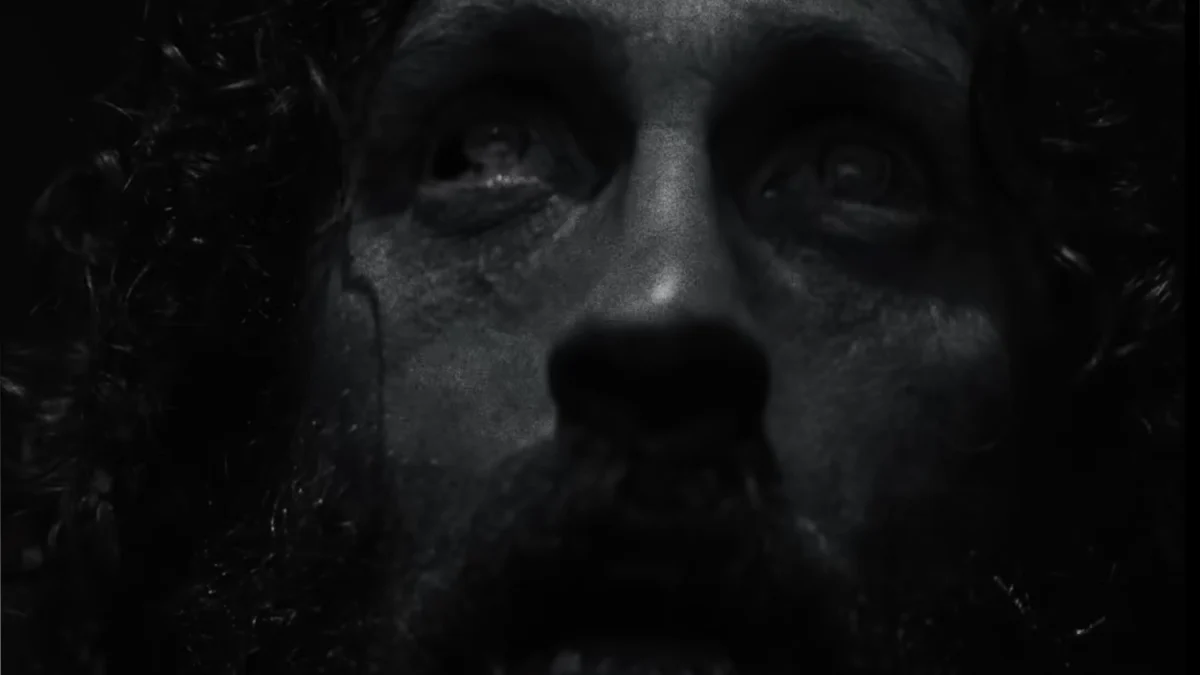
The most striking aspect of the Werwulf trailer is not the creature itself, but the way the world is perceived through the lens. Eggers, working alongside his cinematography team, has eschewed the high-contrast, "digital-slick" look of modern horror.
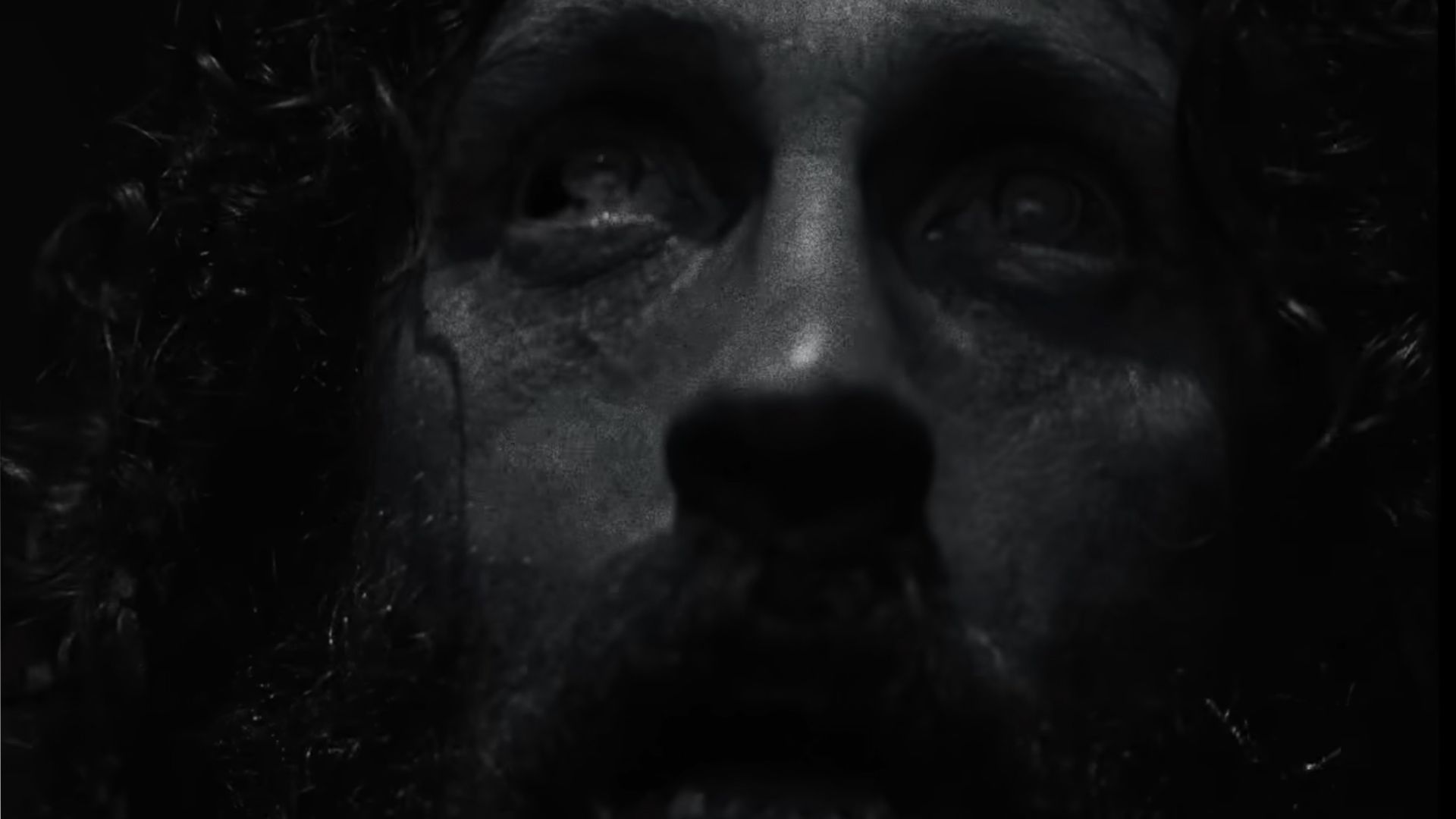
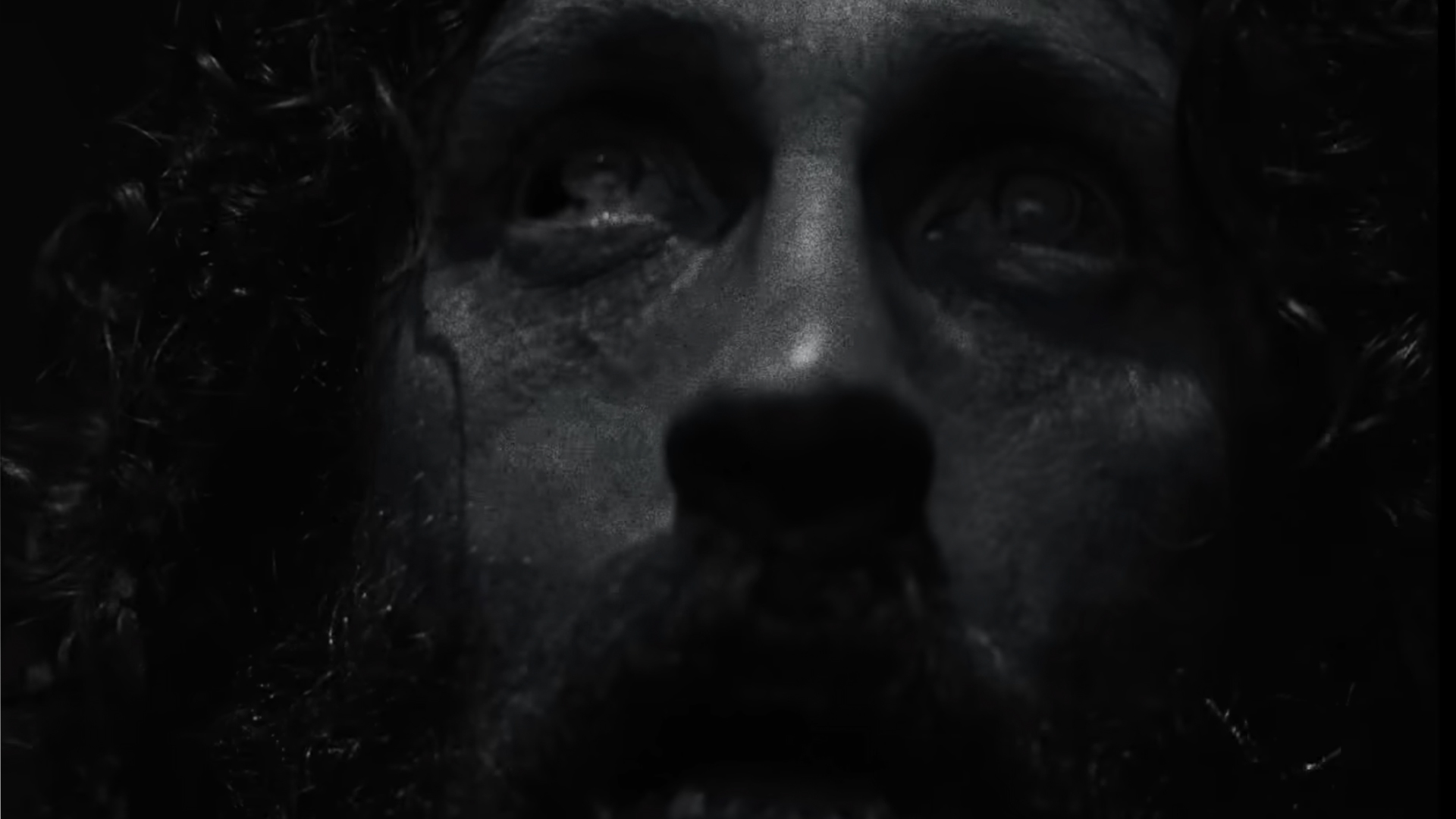
Instead, the film mimics the aesthetic of orthochromatic film—a historical film stock that was entirely insensitive to red light. By manipulating the color grading of 35mm footage, Eggers has essentially "stripped" the warmth from the image. The result is an environment where shadows are rendered with a profound, ink-like depth, and the color palette is restricted to a suffocating spectrum of blues, greens, and grays.
This choice is a masterclass in psychological design. By removing the red spectrum, the filmmakers have removed the color of blood, fire, and warmth, leaving the audience in a cold, unfamiliar space. This creates an immediate, visceral sense of unease, as the human brain associates this specific color deprivation with the uncanny and the archaic. It is a visual language that communicates "wrongness" before the first line of dialogue is even spoken.
Supporting Data: The Economics of Auteur Horror
The horror genre is currently enjoying a "Golden Age" in terms of profitability. According to recent industry data from Box Office Mojo and various industry trackers, mid-budget horror films with strong "auteur branding"—such as those by Ari Aster, Jordan Peele, and Robert Eggers—consistently outperform their production budgets by a factor of four or five.
- Audience Demographics: Studies show that audiences between the ages of 18 and 35 are increasingly seeking "elevated" horror that prioritizes atmosphere and production design over cheap thrills.
- The "Eggers Effect": Since his debut with The Witch, Eggers’ films have seen a compounding interest. The Lighthouse and The Northman cemented his reputation as a director whose projects are considered "must-see" events, regardless of the subject matter.
- The December Slot: Traditionally reserved for family blockbusters, the decision to drop a gritty, period-horror film like Werwulf in December is a strategic gamble. It targets the "counter-programming" demographic—audiences who are fatigued by the saccharine offerings of the holiday season and are seeking something darker.
Official Responses and Creative Intent
In limited press statements, Robert Eggers has emphasized that his goal with Werwulf was to "demythologize the monster and remythologize the man."
"We are not interested in the creature as a spectacle," a representative for the production noted. "The goal was to examine what it meant to live in a world where the supernatural was not just a story, but a constant, physical threat to one’s livelihood and soul."
The sound design team has also been highlighted in early discussions, with reports suggesting that the score relies heavily on period-appropriate instrumentation—harps, hurdy-gurdies, and throat-singing—rather than synthesized drones. This commitment to an "analog" soundscape is intended to bridge the gap between the viewer and the 13th-century setting, making the encroaching terror feel immediate rather than cinematic.
Implications for the Future of Horror
The success of Werwulf could signal a pivot point for the genre. If a film with such a specific, challenging aesthetic can dominate the holiday box office, it validates the strategy of "Director-First" filmmaking. It challenges the assumption that horror must be accessible or brightly lit to be profitable.
Furthermore, Werwulf forces a conversation about the limitations of digital cinematography. By intentionally limiting the color gamut to mimic older film stocks, Eggers is challenging his peers to think about how post-production color science can be used to elicit emotional responses rather than just ensuring "pop" and saturation.
Conclusion: The Cult Classic in Waiting
As we approach the winter release, the anticipation surrounding Werwulf is palpable. It is a film that demands to be seen in a theater, not just for the scale of its production, but for the precision of its craft. Between the atmospheric, orthochromatic cinematography, the dedication to historical authenticity, and the raw intensity of Aaron Taylor-Johnson’s performance, all signs point to a work that will haunt the cultural consciousness long after the credits roll.
For horror fans, Werwulf represents a rare opportunity: a blockbuster that treats its audience with the intelligence and respect of a high-art piece, all while delivering the primal, spine-chilling thrills that keep the genre alive. Whether it succeeds in becoming the definitive werewolf movie of the century remains to be seen, but one thing is certain: Robert Eggers has once again ensured that we will be looking over our shoulders, shivering, long after we leave the theater.