

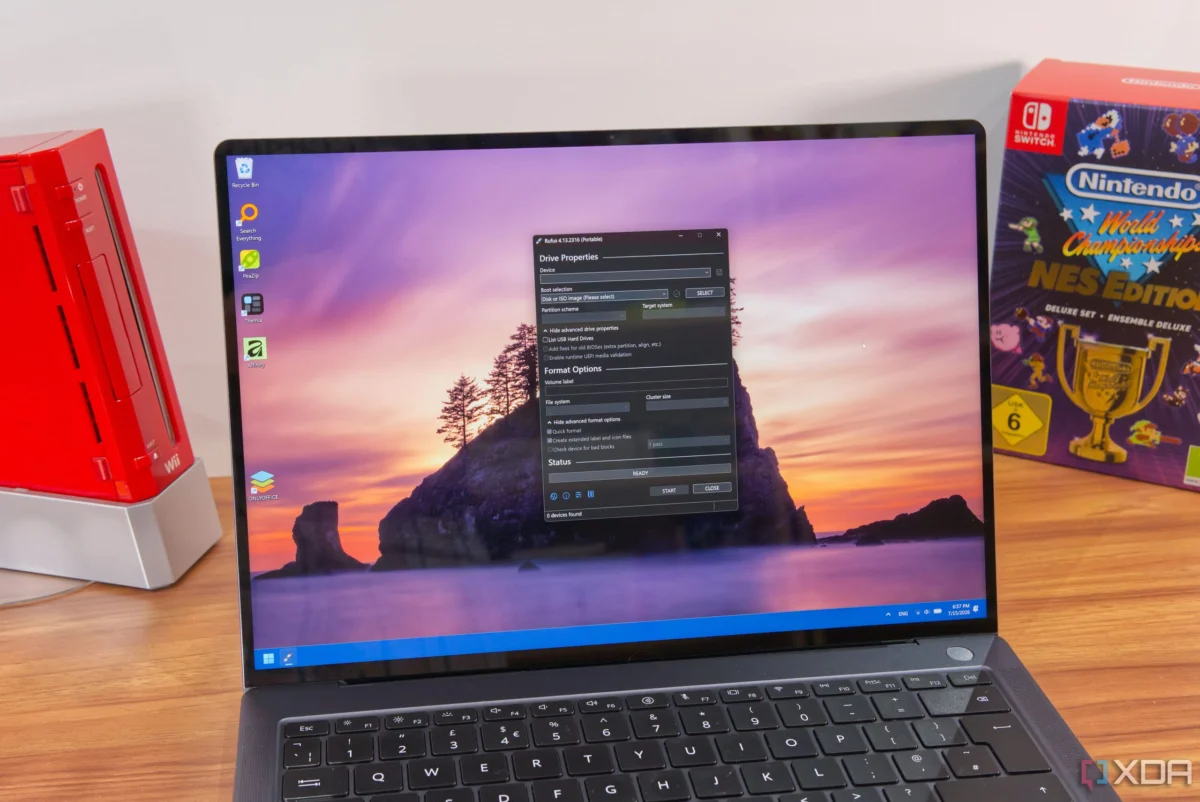
When Windows 11 was unveiled to the world five years ago, it sent a shockwave through the enthusiast community. For the first time in modern Windows history, Microsoft enforced a rigid set of system requirements—most notably a mandatory TPM 2.0 module and a restricted list of supported processors—that effectively rendered millions of perfectly functional PCs "obsolete" overnight.
However, the tech community is nothing if not resilient. Almost immediately, developers and power users discovered that these requirements were, in large part, arbitrary software gates. Tools like Rufus and various registry hacks allowed users to bypass these checks, enabling Windows 11 to run seamlessly on hardware that Microsoft deemed "unsupported." For years, this cat-and-mouse game defined the relationship between Microsoft and its power-user base. But as of the 24H2 update, the rules of the game have fundamentally changed. Microsoft has moved from software-based gates to hardware-level requirements, signaling a new, more restrictive era for the Windows ecosystem.
The Evolution of Compatibility: A Chronology of Control
To understand the current state of Windows compatibility, we must look at how the barriers have shifted over the last half-decade.
The Era of "Soft" Requirements (2021–2023)
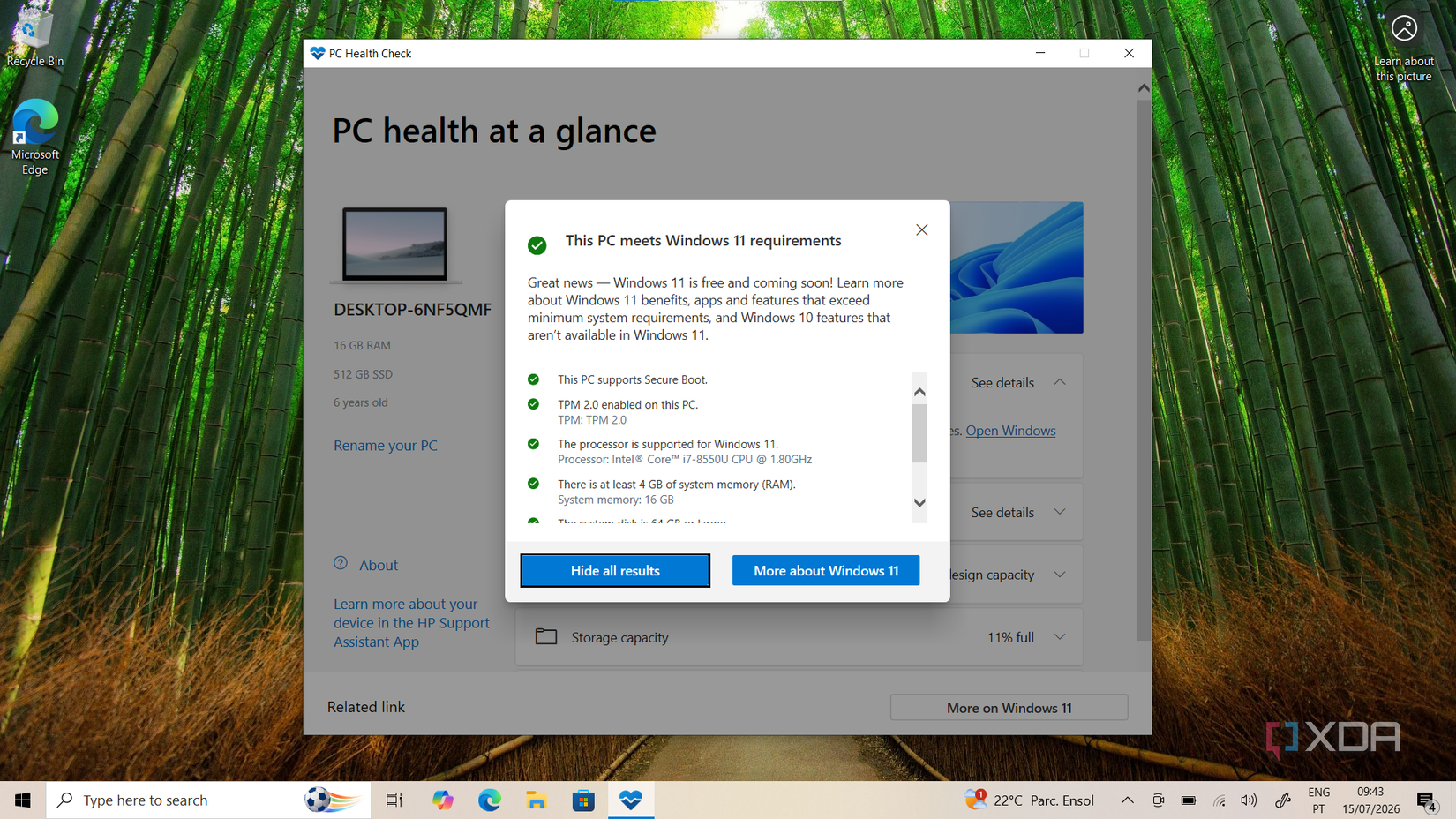
At the launch of Windows 11, the primary barrier to entry was the "PC Health Check" app. Microsoft insisted that only CPUs from Intel’s 8th Generation or AMD’s Ryzen 2000 series and newer were eligible. The logic, according to Microsoft, was centered on security, reliability, and kernel-level stability.
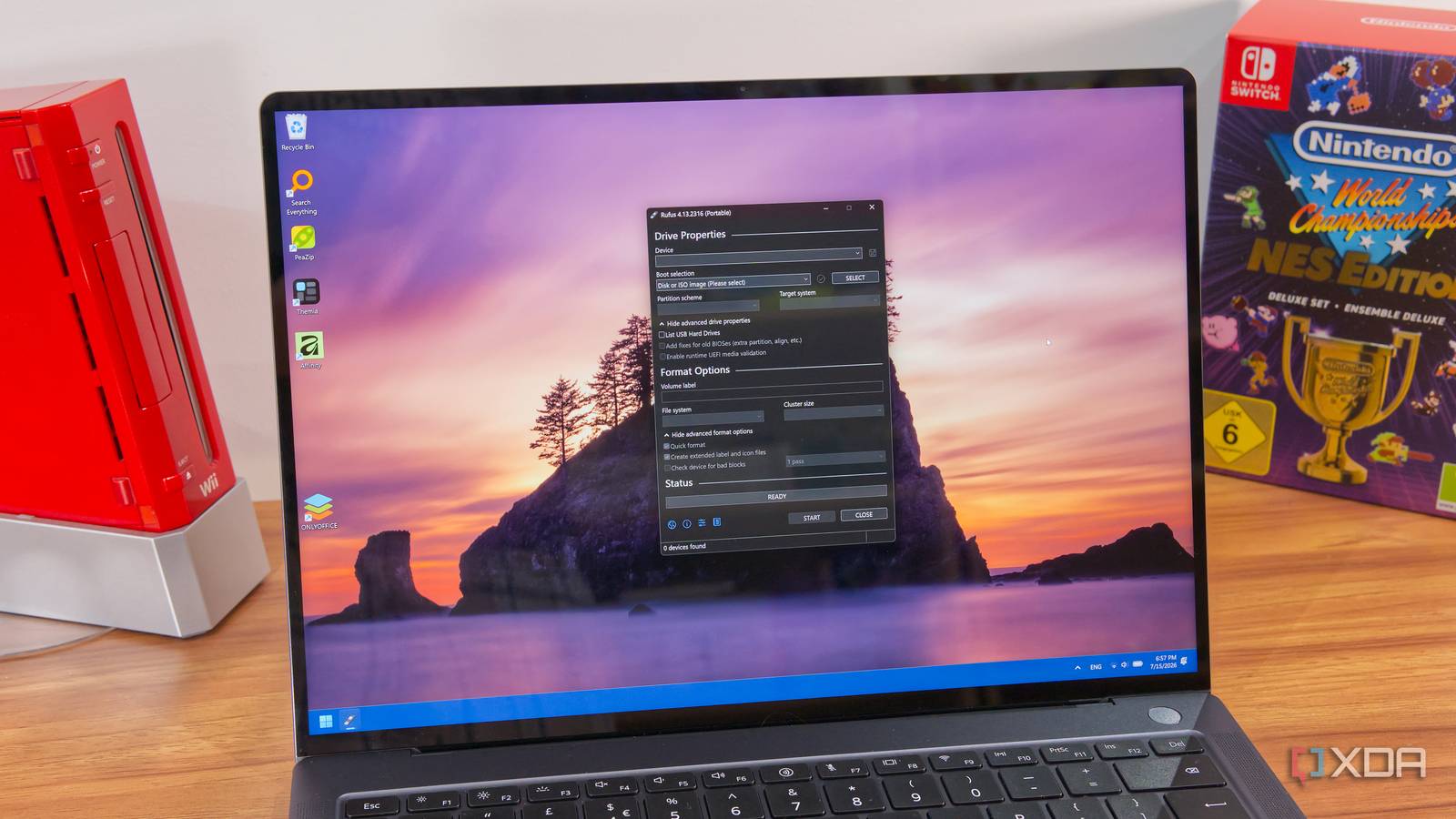
However, users quickly realized that the Windows 11 kernel was largely identical to its predecessor in how it interacted with hardware. By utilizing third-party tools like Rufus, which modified the installation media to strip away the "TPM and Secure Boot" checks, users could install the OS on everything from a decade-old Core i7 to a first-generation Surface Pro. For several years, this was the gold standard for enthusiasts who preferred not to discard their functional hardware.
The Turning Point: The 24H2 Hard Block (2024)
The landscape shifted irrevocably with the release of Windows 11 version 24H2. Unlike previous versions, which simply checked for compliance during the setup phase, 24H2 introduced a kernel-level dependency on specific CPU instructions—specifically, the POPCNT (Population Count) instruction, which is part of the SSE4.2 instruction set.
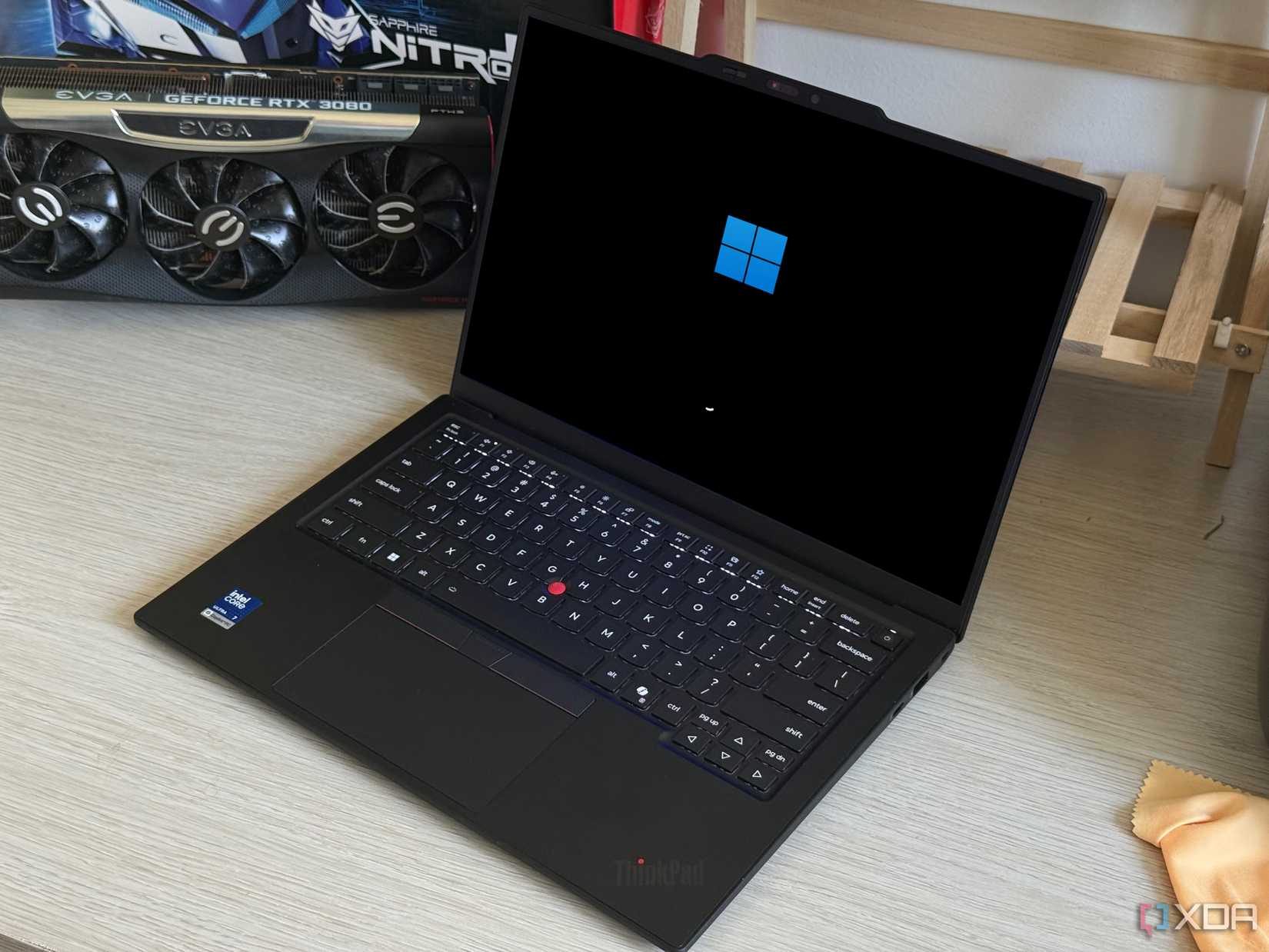
This was not a mere installation check that could be bypassed with a simple registry edit. Because the Windows 11 kernel itself now requires these instructions to execute, any processor lacking them will fail to boot entirely, resulting in a black screen or an immediate system hang. This marked the end of the "easy" bypass era, effectively formalizing the hardware floor that Microsoft had previously only suggested.
Technical Analysis: Why POPCNT Matters
The requirement for POPCNT, while frustrating for those running legacy hardware, is grounded in modern computing efficiency. The instruction is designed to count the number of set bits (1s) in a bitmask. While this might sound niche, it is a fundamental operation in modern software, including cryptography, data compression, and complex algorithms.

By moving this requirement into the kernel, Microsoft ensured that they no longer have to support legacy code paths that were built to emulate these functions through slower, software-based processes. For Microsoft, this is an optimization; for the user, it is a hard line in the sand. If your processor is old enough to pre-date SSE4.2 (roughly prior to 2007–2008 for Intel), your device is no longer capable of running the modern Windows kernel.
The Implications: A Shift in Ownership
The most significant aspect of this change is not the technical hurdle itself, but the precedent it sets for the future of personal computing.
1. The Death of the "Buy It Once" Mentality
Historically, a PC was viewed as a modular, long-term investment. One could upgrade the RAM, swap the storage, and keep the same motherboard and CPU for a decade. By tying the operating system to specific hardware feature sets—and moving those requirements deeper into the OS architecture—Microsoft is effectively shifting the Windows ecosystem toward a "subscription-based lifecycle" model. When the OS requires features that the hardware lacks, the hardware becomes a liability, regardless of its performance or physical condition.
2. The Rise of Planned Obsolescence
Microsoft’s move toward stricter hardware requirements mirrors the strategies employed in the smartphone industry. By making hardware irrelevant through software updates, manufacturers create an artificial demand for new units. While this certainly benefits the bottom line for Microsoft’s hardware partners, it raises significant environmental and economic concerns. Millions of PCs that are perfectly capable of browsing the web, running office suites, and streaming media are now being pushed toward landfills, not because they are broken, but because they lack a specific instruction set.
3. The Linux Migration
This transition has inadvertently acted as the greatest marketing campaign for Linux in the history of the platform. As Windows users find themselves locked out of their own machines, many are turning to lightweight Linux distributions (such as Linux Mint or Pop!_OS) that do not enforce arbitrary hardware locks. This creates a "digital divide" where the Windows experience becomes an exclusive, high-cost club, while Linux becomes the sanctuary for those who value longevity and control over their hardware.
Official Responses and Corporate Strategy
Microsoft has remained largely consistent in its messaging: security is the primary motivator. The company argues that the increased frequency of firmware-level attacks requires hardware-backed security features like TPM 2.0 and Virtualization-Based Security (VBS).
However, critics point out that this "security-first" narrative is convenient. It allows Microsoft to partner with OEMs to drive new PC sales, particularly in the enterprise sector where security compliance is a non-negotiable metric. While the company has not explicitly stated that it wants to shorten the hardware lifecycle, its actions speak louder than its documentation. By tightening the grip on the kernel, Microsoft has centralized the power to decide when a piece of hardware is "dead."
The Future: What Lies Beyond 24H2?
We are currently in a period of relative calm. Since the implementation of the POPCNT requirement, Microsoft has not introduced further "hard blocks" in subsequent Insider builds. This suggests that for the immediate future, hardware that is supported today is likely to remain supported for the remainder of the Windows 11 lifecycle.
However, the "looming sense of dread" mentioned by enthusiasts is not unfounded. If Microsoft has the capability to render hardware obsolete through a kernel update, what is to stop them from doing it again? Future updates could mandate higher RAM minimums, specific AI-processing blocks (NPU requirements), or even more stringent security chip requirements.
Conclusion: The New Reality
The era of the "unsupported" Windows PC is drawing to a close. While advanced users will always find ways to tinker with their systems, the days of installing the latest Windows version on a legacy machine with a simple ISO tweak are effectively over.
For the average consumer, this means that the decision to buy a new PC is no longer just about performance or aesthetics—it is about the "compatibility shelf-life." As we look toward the future of Windows, it is clear that Microsoft is no longer interested in supporting the hardware of the past. Users must decide whether they are willing to accept the frequent upgrade cycles dictated by Redmond or seek alternatives that offer a more permanent, albeit different, computing experience. The hardware you own is no longer just yours; it is subject to the evolving requirements of the platform, and in this new age, the software holds all the cards.











