As the 11th annual Self-Published Fantasy Blog-Off (SPFBO) enters its final, high-stakes stages, the judging panel is nearing the conclusion of its “cut phase.” With the field of contenders narrowing significantly, the competition—a global phenomenon championed by fantasy luminary Mark Lawrence—is moving ever closer to selecting its four semi-finalists.
In this latest installment of the evaluation process, the team at Fantasy-Faction has announced the elimination of three additional titles. These departures represent the culmination of weeks of rigorous reading, analysis, and debate. While these specific narratives did not advance, the judges emphasized that the quality of entries this year remains exceptionally high, and the act of submission itself remains a testament to the dedication of the independent author community.
The State of the Competition: A Chronology of Elimination
The SPFBO operates on a deliberate, non-linear evaluation schedule. The judging panel avoids arbitrary ranking systems, preferring instead to assess books in small, manageable batches. This methodology allows for a deep dive into character arcs, worldbuilding, and prose quality before a decision is reached.
For the participating authors, this period is often the most intense. The "cut posts" serve as a formal acknowledgment of a book’s journey through the first round. Following this current round of cuts, there remains only one final session—involving two remaining titles—before the panel shifts its full attention to the four semi-finalists. Those four books will receive comprehensive, dedicated reviews, marking the next major milestone in the quest for the SPFBO 11 crown.
A Note on Subjectivity
The judges at Fantasy-Faction are careful to remind their audience that the critique of literature is inherently subjective. A book that fails to resonate with one reader may well be a hidden gem for another. The panel encourages readers to treat these critiques not as definitive judgments on an author’s talent, but as one perspective in a much broader literary conversation.
Analysis of the Latest Departures
The three books discussed in this round offer a diverse look at the current landscape of self-published fantasy, ranging from lighthearted urban fantasy to expansive, 700-page political epics.

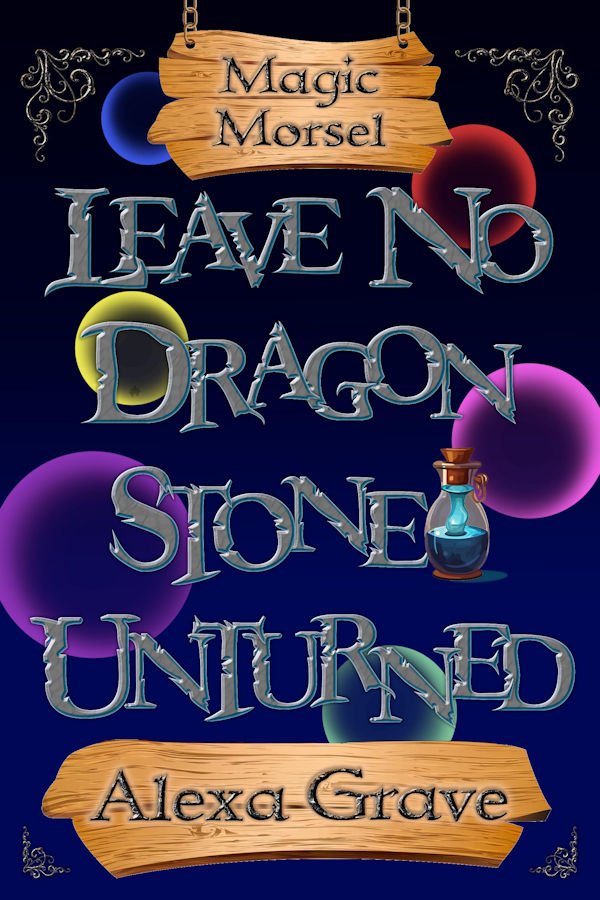
Leave No Dragon Stone Unturned by Alexa Grave
This urban fantasy novel, centered on Lila—a tech-mage who manages a neutral-ground bar in the Triopolis—offered a unique blend of modern technology and traditional magic.
Strengths: The judges were near-unanimous in their appreciation for the premise. The concept of a "magic-tech" restaurant serving as a diplomatic hub was viewed as fresh and inventive. The breezy pacing and the protagonist’s self-assured nature made for an initially engaging read.
Points of Contention: The primary divide centered on the novel’s focus on the protagonist’s romantic life. As judge Kerry noted, the narrative was heavily saturated with the protagonist’s internal monologues regarding her libido and physical attractions. While this style is a staple of certain sub-genres of "romantasy," several judges felt it detracted from the worldbuilding and character development. Judge Julia highlighted that while the book is a "comfort food" read, the plot often relied on coincidences and questionable character decisions, which limited its broader appeal beyond those specifically seeking high-heat romance.
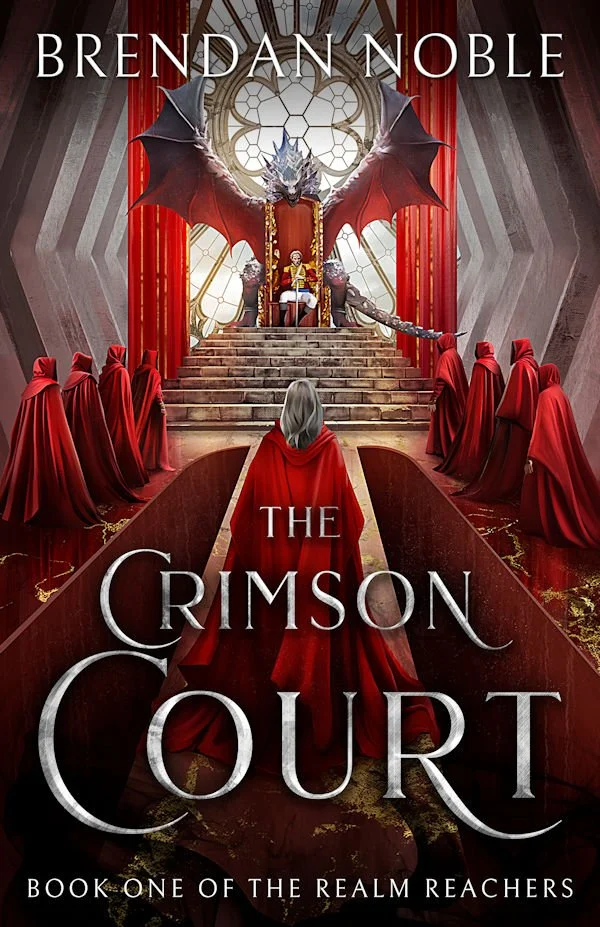
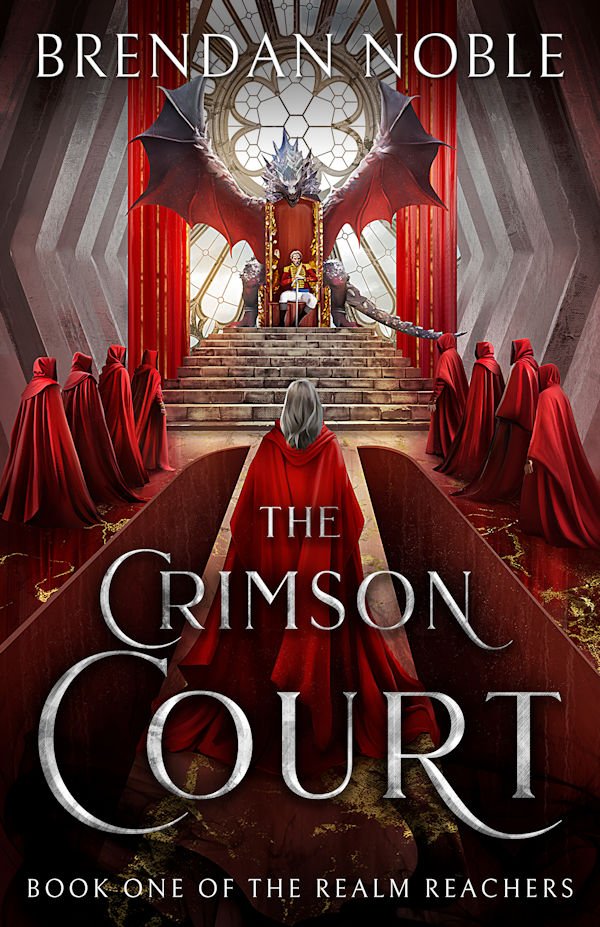
The Crimson Court by Brendan Noble
A much more ambitious entry, The Crimson Court presented a gaslamp-fantasy world inspired by Russian and Siberian history.
Strengths: The worldbuilding was, by all accounts, the novel’s strongest asset. The judges lauded the inventive magic system—which draws upon fifteen distinct realms—and the inclusive, naturally handled LGBTQIA+ representation. The book succeeded in creating an atmosphere that felt both vast and historically grounded.
Points of Contention: The primary obstacle here was the execution of its ambition. Clocking in at over 700 pages, the pacing suffered significantly in the second half. Judges noted that while the setup was compelling, the characters felt "role-defined" rather than fully realized. The emotional beats, which were intended to be high-stakes, often felt disconnected from the reader. The consensus was that the story possessed strong bones but required a more aggressive editorial hand to maintain the momentum established in its opening chapters.
Remnant by K. R. Solberg and C. R. Jacobson
The final book in this batch, Remnant, proved to be the most difficult for the panel to navigate.
Strengths: The opening chapter provided a high-octane, dramatic hook that successfully grabbed the attention of the judges, centering on the assassination of an immortal figure.
Points of Contention: Following the initial chapter, the narrative introduced a vast array of characters in quick succession, preventing the reader from forming a meaningful attachment to any of them. The prose was described as wordy, often struggling to find a consistent narrative drive. As the team found the worldbuilding difficult to orient themselves within, none of the judges managed to complete the book, citing a lack of engagement with the plot and a disconnect from the dialogue-heavy, theatrical tone.
Supporting Data: The Judging Panel
The integrity of the SPFBO relies on the diversity of its judging panel. This year’s team comprises 14 individuals, including:
- Adawia Asad
- Eva Geraghty
- Evelyn Grimald ("E.G." Stone)
- Julia Kitvaria Sarene
- Karen Lucia
- Kerry Smith
- Kit Caelsto
- Maureen Neuman
- Robert Max Freeman
- Sara Rosevear
- Sherry Cammer
- Stacey Markle
- Tianna Twyman
- Yaniv Rosenfeld Cohen
This group brings a wide array of reading preferences, ensuring that books are evaluated not just for technical proficiency, but for their ability to connect with different types of audiences.
Implications for the Self-Published Market
The lessons drawn from this batch of eliminations are instructive for aspiring authors. First, the importance of "character voice" cannot be overstated; when a protagonist’s internal focus—whether it be romantic or otherwise—becomes repetitive, it risks alienating readers who are looking for a more balanced narrative arc.
Second, the structural challenge of the "epic" remains significant. In an era of shorter, punchier fiction, a 700-page manuscript must justify its length through relentless narrative tension or deep, character-driven development. If the prose does not maintain a consistent grip, even the most innovative worldbuilding may struggle to keep the reader engaged until the final page.
Finally, the reception of The Crimson Court serves as a reminder that inclusivity in fantasy is becoming the gold standard. The judges’ praise for the "quietly normative" way the book handled identity serves as a signal to the industry that readers are increasingly seeking worlds that mirror the diversity of the real world without needing to explicitly call attention to it.
Conclusion and Looking Ahead
As the SPFBO 11 moves into its final phases, the atmosphere of anticipation is palpable. While the authors of the three books discussed today have been eliminated from this specific competition, their work remains available to the public. Readers who enjoy "comfort food" romantasy, expansive gaslamp political intrigue, or high-concept epic fantasy are encouraged to visit the official SPFBO website to explore these titles and the remaining field.
For those interested in following the remainder of the contest, updates are being managed by editor Jennie Ivins. The transition from the "cut" phase to the "semi-finalist" phase marks the most exciting time for the community, as the focus shifts from pruning the list to celebrating the best of what independent fantasy has to offer this year.