Introduction: The Master of Heroic Fantasy
To read David Gemmell is to embark on a journey through the complexities of the human spirit. For decades, the British author stood as a titan of the heroic fantasy genre, crafting narratives that were as emotionally resonant as they were pulse-pounding. His work possesses a unique, enduring quality—a rare blend of comfort and captivating intensity that makes his novels feel like familiar, well-worn roads one is always eager to traverse again.
Gemmell’s legacy is defined by his ability to hold a mirror up to the human condition. He understood that true heroism is not the absence of fear or the presence of perfection, but rather the stubborn, often painful choice to stand in the face of insurmountable odds. In this exploration, we examine the architecture of his storytelling, the seminal works that solidified his reputation, and the lasting implications of his contribution to literature.

The Chronology of a Legend
David Gemmell’s ascent to literary prominence began in the early 1980s. While he worked as a journalist and newspaper editor, his fiction debut, Legend (1984), arrived with the force of a thunderclap. The novel, centered on the aging warrior Druss, was written while Gemmell faced a personal health crisis—a cancer diagnosis that fueled the book’s raw, existential urgency.
Following the success of Legend, Gemmell expanded his scope with the Drenai Saga, which includes the pivotal Waylander (1986). His bibliography continued to expand throughout the 90s and into the mid-2000s, encompassing the Rigante series, the Troy trilogy, and the Jon Shannow books. Each series served as a testament to his evolving craft, moving from the visceral "sword-and-sorcery" tropes of his early career toward a more nuanced, character-driven style of historical fantasy.
The Three Pillars: Analyzing Gemmell’s Defining Works
1. Waylander: The Path to Redemption
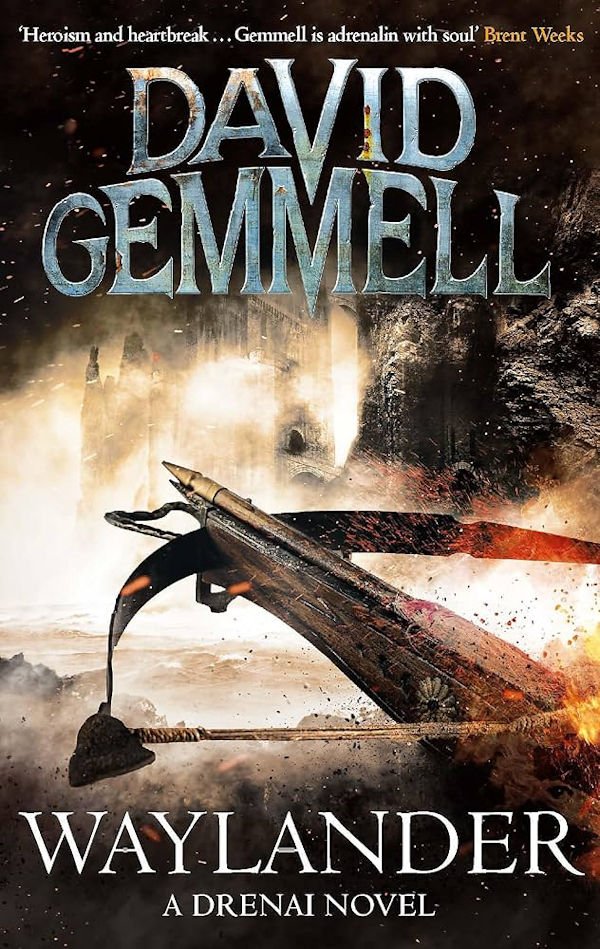
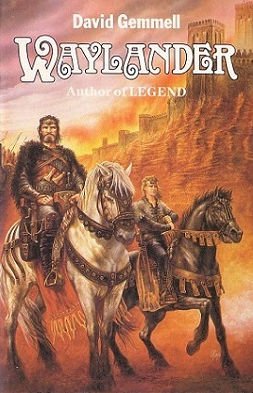
Waylander stands as a masterclass in character development. As the third entry in the Drenai Saga, it introduces an anti-hero of unparalleled depth. Waylander is a professional assassin, a man whose moral compass has been shattered by a life of violence and the assassination of a king.
What makes this novel stand out is the psychological transformation of its protagonist. Thrust into a quest to retrieve the mythical Armor of Bronze—a task meant to save a nation he helped destabilize—Waylander is forced to confront the wreckage of his own soul. His interactions with Dardalion, an idealistic priest, and Danyal, a mother protecting her children, act as catalysts for his evolution. Gemmell poses the ultimate question: can a man defined by his atrocities ever truly earn redemption? In Waylander, the answer is found not in grand speeches, but in the quiet, agonizing choices of a man learning to care for others.
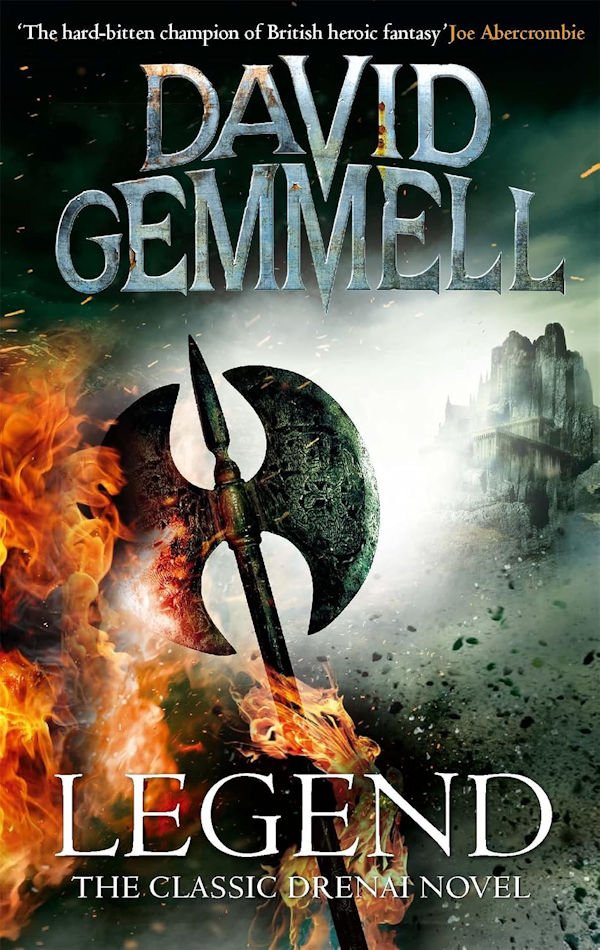
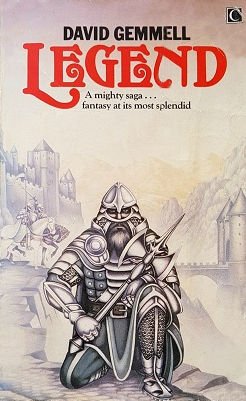
2. Legend: The Siege of the Human Spirit
If Waylander is about personal redemption, Legend is a meditation on the collective struggle. As Gemmell’s first published work, it is characterized by an unvarnished, gritty intensity. The plot is deceptively simple: the Drenai empire is on the brink of collapse, with the massive Nadir horde poised to overwhelm the fortress of Dros Delnoch.
The fortress, protected by six daunting walls, becomes the stage for an examination of sacrifice and leadership. Druss, the "Captain of the Axe," is the quintessential Gemmell hero—grizzled, weary, yet utterly unbreakable. The brilliance of Legend lies in its portrayal of the "ordinary" soldier. Gemmell captures the claustrophobia of the siege, the tactical desperation of the defenders, and the way hope is often manufactured by the presence of a single, unyielding figure. It remains a blueprint for the siege-fantasy subgenre, proving that a story about war is, at its heart, a story about the fragility of life.
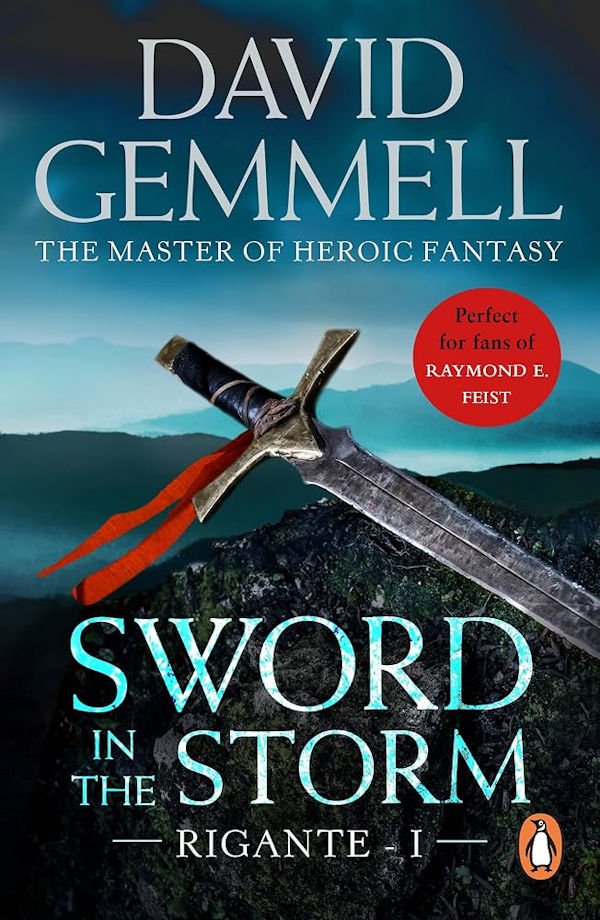
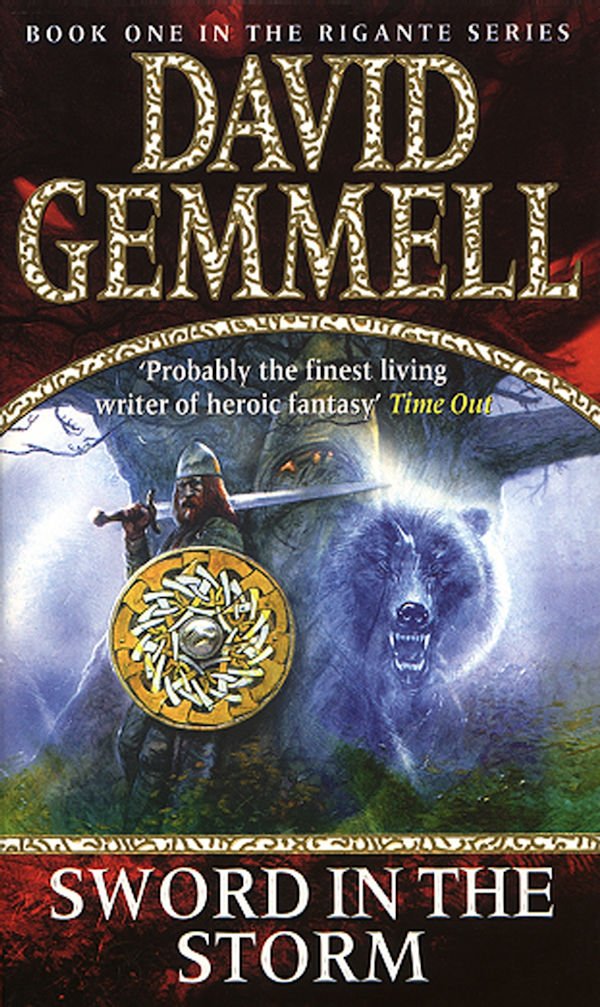
3. Sword in the Storm: The Coming-of-Age Epic
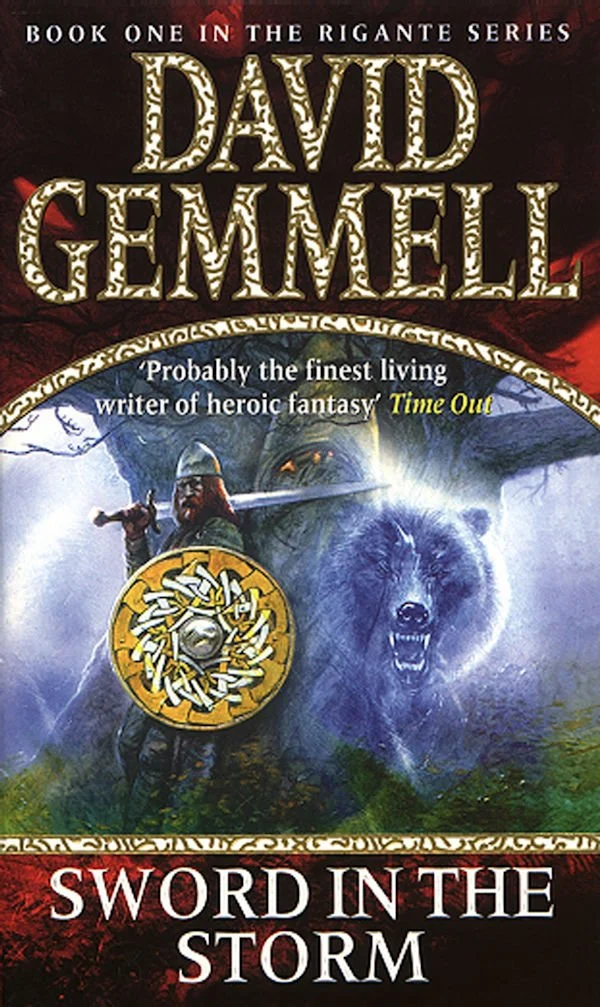
The Rigante series marked a shift in Gemmell’s tone toward something more pastoral yet equally violent. Sword in the Storm introduces Connavar, a protagonist who is molded by the reader’s gaze from birth to adulthood. Unlike the established heroes of his earlier works, we see Conn’s failures, his betrayals, and his descent into darkness.
Conn’s journey is one of cultural preservation. As the Rigante people face the encroachment of an industrializing, expansionist empire, Conn must become the monster his people need to survive. His transformation into "Demonblade" is a tragic arc; his greatest victory is stained by the personal cost of his vengeance. Gemmell masterfully illustrates that power often demands a sacrifice of the self, and that the line between "savior" and "tyrant" is dangerously thin.
Supporting Data: Why Gemmell Resonates
Critics and readers often cite Gemmell’s "lean prose" as his most effective tool. He eschewed the bloated descriptions common in high fantasy, favoring a fast-paced, urgent style that mirrors the battlefield.
- Emotional Resonance: Gemmell drew inspiration from his journalistic career, observing real people in crisis. This lends his characters a "lived-in" quality—their fears and flaws feel grounded in reality.
- Moral Core: Regardless of the darkness in his narratives, there is an unshakable belief in the power of the individual. His stories consistently argue that courage is a choice available to anyone, regardless of their past.
- The "Everyman" Hero: Whether it is a mercenary, a woodcutter, or a tribal warrior, Gemmell’s leads are rarely born into royalty or magical destiny. They are men and women who step up when the world demands it.
Official Responses and Literary Standing
While David Gemmell did not always receive the academic accolades reserved for high-concept literary fiction, his impact on the fantasy genre is immeasurable. Authors such as Joe Abercrombie and Brandon Sanderson have frequently acknowledged the influence of Gemmell’s pacing and his "grit-with-a-heart" approach.
The David Gemmell Legend Award, established in his honor following his passing in 2006, serves as a permanent, industry-wide recognition of his influence. It highlights the continued importance of "heroic" stories in an era that often favors moral ambiguity. For the fantasy community, Gemmell is not just a name on a spine; he is the standard-bearer for the belief that even in the darkest void, the light of human agency can burn bright.
Implications: The Enduring Need for Heroism
Why do we still read Gemmell in the 21st century? The answer lies in the nature of the genre itself. We live in a world that often feels fractured and overwhelming. Gemmell’s stories provide a structure—a moral framework—where good and evil are distinct, yet the people who inhabit that space are gloriously, messily human.
His work suggests that the "hero" is not a static state of being, but a process. It is a series of decisions: to protect the weak, to face the inevitable, and to refuse to surrender when the walls are closing in. In a genre that has seen a move toward "grimdark" cynicism, Gemmell’s work serves as a vital reminder that cynicism is easy, but hope is a radical act of defiance.
By revisiting Waylander, Legend, or Sword in the Storm, we are not just consuming entertainment; we are engaging with a philosophy of endurance. David Gemmell showed us that while no one escapes life alive, the way we face the end is the ultimate definition of who we are. As long as readers look to books to find the strength to face their own "Dros Delnoch," the legend of David Gemmell will continue to thrive.