By Joe George | July 8, 2026
This article contains major spoilers for the upcoming film "Dune: Part Three" and the literary canon of Frank Herbert.
In the sprawling, spice-laden cosmos of Frank Herbert’s Dune, the name Paul Atreides looms large. He is the Lisan al-Gaib, the Kwisatz Haderach, and the tragic architect of a galactic jihad that claims billions of lives. Yet, to view the Dune franchise solely through the lens of the Atreides scion is to misunderstand the heartbeat of the series. As the newly released trailer for Denis Villeneuve’s Dune: Part Three confirms, the narrative center of gravity is not the man who would be Emperor, but rather the man who was reborn: Duncan Idaho.
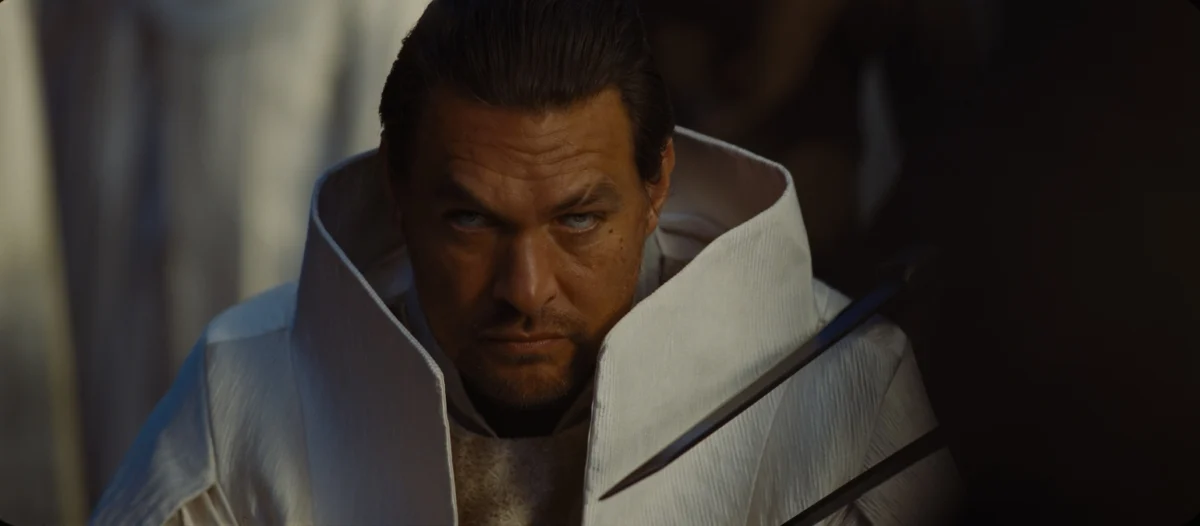
The trailer for the third installment, which promises to adapt the complex political maneuvering of Dune Messiah, peels back the curtain on a galaxy fracturing under the weight of Paul’s (Timothée Chalamet) messianic burden. With the Padishah Emperor Shaddam IV (Christopher Walken) deposed and the Fremen jihad fully unleashed, the cracks in Paul’s foundation are widening. His consort, Chani (Zendaya), views his transformation into a fundamentalist icon with growing horror, while his political wife, Princess Irulan (Florence Pugh), finds herself embroiled in a dangerous conspiracy spearheaded by the insidious Face Dancer, Scytale (Robert Pattinson). Yet, among these power players, the most startling revelation is the return of the man once known as Duncan Idaho, portrayed with haunting intensity by Jason Momoa.
The Chronology of a Resurrection
To understand the weight of this reveal, one must look back to the tragedy of the first film. Duncan Idaho was the quintessential Atreides loyalist—a master swordmaster whose charm and tactical brilliance made him the heartbeat of House Atreides. During the brutal Harkonnen coup on Arrakis, Duncan’s arc seemed to conclude with a noble, self-sacrificing death, holding off waves of Sardaukar to ensure the escape of Paul and Lady Jessica (Rebecca Ferguson).
In the rigid logic of the Dune universe, death is usually final. However, as viewers of the HBO expansion series Dune: Prophecy have learned, the technological alchemy of the Bene Tleilax—the rogue scientific sect that operates in the shadows of the Imperium—defies the natural order. Through their mastery of "ghola" technology, the Tleilaxu can replicate the deceased, creating biological copies that retain the potential for original memory.
In Dune: Part Three, the antagonist Scytale weaponizes this technology. Paul, isolated by the crushing weight of prescience and the loneliness of absolute power, is a prime target for manipulation. Scytale presents him with "Hayt," a ghola of Duncan Idaho. This is not merely a tactical maneuver to infiltrate Paul’s inner circle; it is a profound psychological assault. By returning the man who represented the innocence and stability of Paul’s lost youth, the conspiracy attempts to use nostalgia as a weapon of war.
Supporting Data: The Mentat Transformation
The transformation of Duncan Idaho into "Hayt" is more than a simple revival; it is a radical re-engineering of the character. Trained by the Tleilaxu as a Mentat—a human computer capable of processing vast amounts of data—Hayt is a chilling subversion of the original Duncan.
In the novel Dune Messiah, upon which the upcoming film is heavily based, Hayt acts as an advisor to Paul, all the while carrying a hidden, programmed directive to assassinate him. This duality serves as the primary conflict for the character. The trailer highlights this tension: the man who once gave his life for the Atreides line is now a sophisticated instrument of destruction, standing at the right hand of the man he was built to kill.
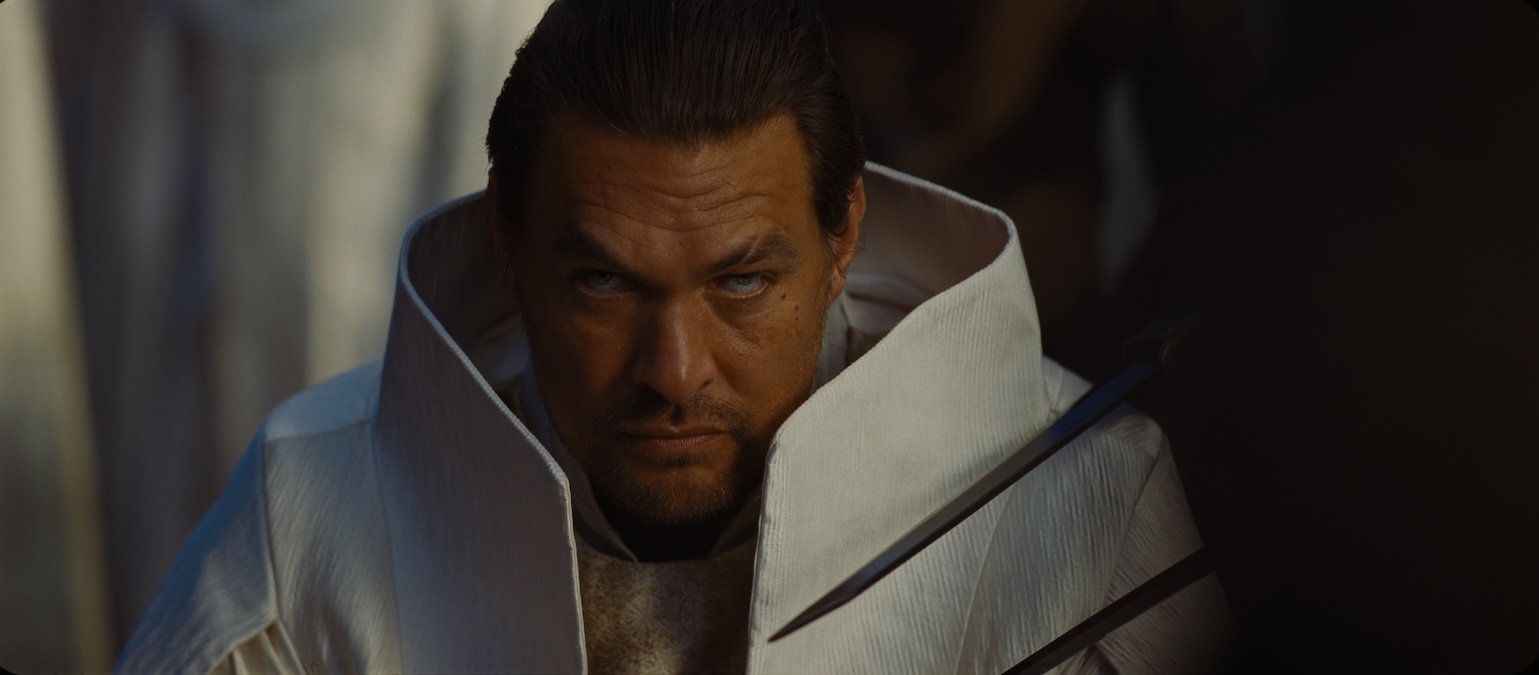
This narrative pivot elevates Duncan Idaho from a supporting soldier to the series’ most essential witness. While Paul is busy orchestrating the destruction of the old world, Duncan—in his various iterations—becomes the lens through which we view the long-term impact of the Atreides legacy.
Official Perspectives and Production Insights
The production of Dune: Part Three marks a milestone for director Denis Villeneuve, who has co-written the script with acclaimed comic book scribe Brian K. Vaughan. Villeneuve has long emphasized that Dune is not a hero’s journey, but a cautionary tale about the dangers of charismatic leaders. By centering the story on the ghola of Duncan, Villeneuve forces the audience to confront the consequences of Paul’s actions.
"The tragedy of Paul Atreides is that he realizes he is a prisoner of his own myth," says one production insider familiar with the script. "Duncan Idaho becomes the anchor to reality that Paul desperately needs, even as that anchor is being used to drag him into the abyss."
For Jason Momoa, the role represents a rare opportunity to play a character who essentially traverses multiple lifetimes. Momoa’s performance in the trailer—at once familiar and alien—signals a departure from the "chummy" warrior of the first film. He is now a man of secrets, a vessel for Tleilaxu design, and the ultimate symbol of how the Atreides myth consumes everything it touches.
Implications: The Long-Term Arc of the Franchise
While Dune: Part Three is being marketed as the conclusion to Villeneuve’s planned trilogy, the source material suggests a much longer lifespan for the character of Duncan Idaho. If the studio chooses to expand the universe into Children of Dune or the surrealist landscape of God Emperor of Dune, Duncan remains the singular constant.
The implications for the franchise are immense:
- The 3,500-Year Perspective: In God Emperor of Dune, Duncan Idaho exists as a series of serial gholas, serving the Atreides lineage across millennia. He becomes the reader’s surrogate, an enduring human element in a universe that has become fundamentally alien.
- The Bene Gesserit/Tleilaxu Conflict: Through Duncan, the audience learns the deeper, darker secrets of the Bene Gesserit’s breeding programs and the Tleilaxu’s technological reach, which extend far beyond the events of the initial revolt.
- The Preservation of Innocence: Duncan represents the "human" factor. Even as the universe descends into religious zealotry and political decay, the recurring presence of Duncan Idaho serves as a reminder of the foundational values—loyalty, honor, and sacrifice—that the Atreides family once championed before the spice and the power corrupted them.
Conclusion: An Eternal Witness
Duncan Idaho is never the protagonist in the traditional sense; he does not hold the power of the Voice or the prescience of the Kwisatz Haderach. Instead, he is the eternal sentinel. As Paul Atreides spirals into the cold, calculated madness of a galactic tyrant, driving away his loved ones and alienating his allies, it is the ghola of Duncan who watches the tragedy unfold.
He is the living embodiment of the "good intentions" that pave the road to the universe’s destruction. As we approach the release of Dune: Part Three on December 18, 2026, it is clear that while the world may belong to the Atreides, the story—in all its sorrow, complexity, and longevity—belongs to the man who died for them, and was brought back to remember why.
The question remains: when the dust settles on Arrakis, will Hayt succeed in his programming, or will the soul of Duncan Idaho break through the Tleilaxu conditioning to save the one thing he ever truly cared for? Whatever the answer, the trailer confirms one thing: the most important character in the Dune universe has finally returned to the stage.