

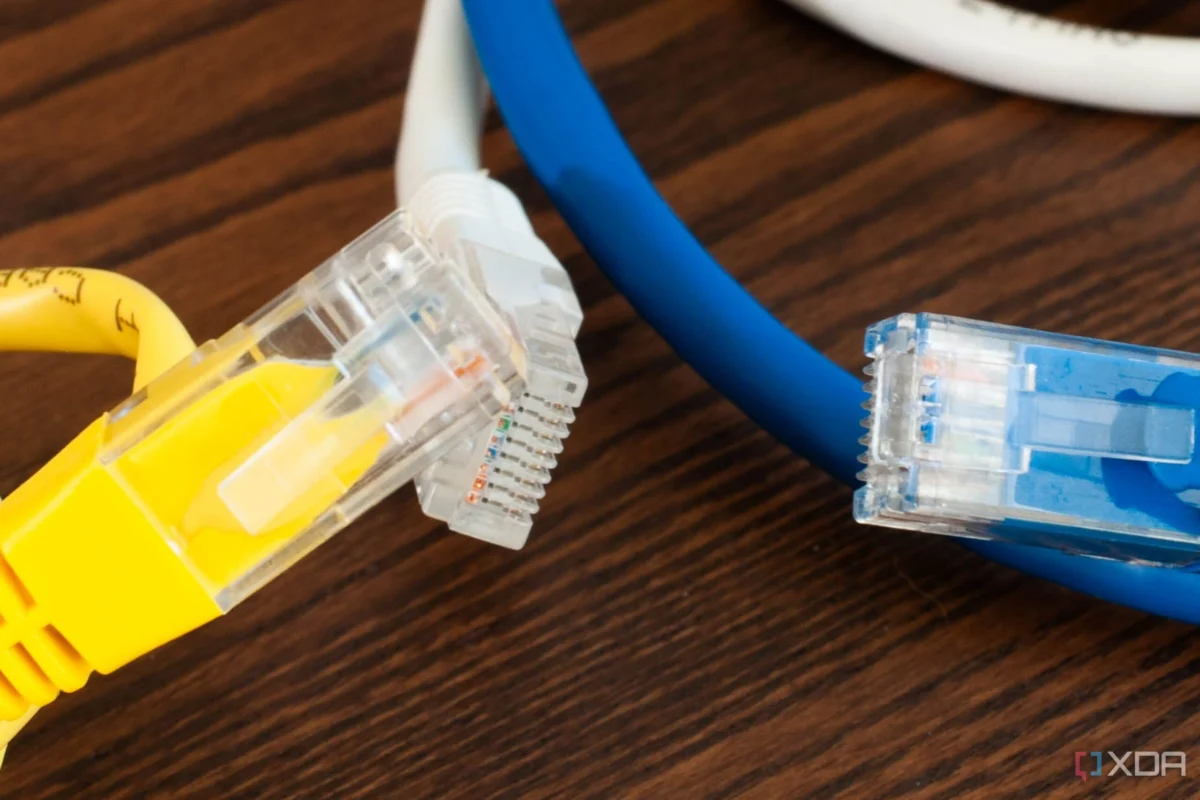
For years, the ritual was the same: I would upgrade my home lab, swap out a router, or reorganize my server rack, and I would inevitably find myself browsing for "premium" Ethernet cables. The marketing was persuasive, featuring gold-plated connectors, braided nylon jackets, and claims of "ultra-high-speed" performance that promised to unlock the true potential of my networking hardware. It felt logical—if I were investing hundreds of dollars into enterprise-grade switches and high-speed NAS units, why wouldn’t I pair them with the highest-tier cables available?
After years of trial and error, however, I have come to a humbling realization: in the vast majority of residential and home-office environments, those expensive cables were doing absolutely nothing to improve my network performance. The marketing was a siren song, and I had been paying a premium for aesthetics and overkill specifications that my infrastructure simply couldn’t utilize.
Main Facts: The Reality of Data Transmission
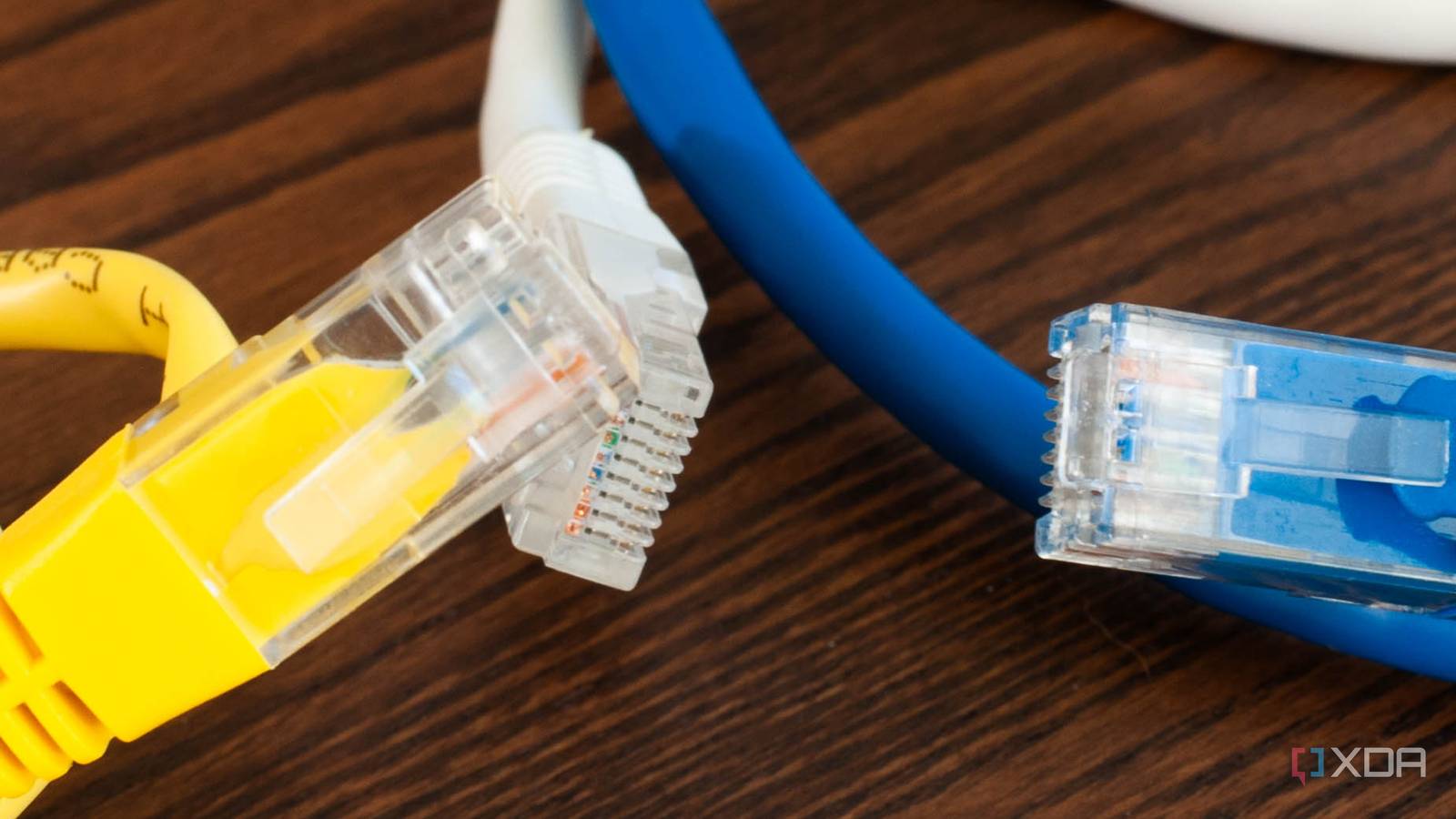
The core truth of networking is that Ethernet cables act as a utility, not an active component. Their job is to provide a stable, interference-free path for data to travel between two points. Unlike a CPU, GPU, or RAM module—where higher-tier hardware provides measurable improvements in compute speed or data throughput—an Ethernet cable is a passive medium.
A cable either meets the IEEE (Institute of Electrical and Electronics Engineers) standards for its category (Cat 5e, Cat 6, Cat 6a, etc.), or it does not. If a cable is properly constructed and certified to meet the standards of its category, it will perform identically to any other cable of that same category. A $50 "audiophile-grade" Cat 6 cable will not transmit a packet of data faster than a standard, well-manufactured $5 Cat 6 cable. The packet arrives at the same time, with the same integrity, and at the same speed.

Chronology: From Enthusiast to Pragmatist
My journey toward this realization followed a clear, albeit expensive, trajectory:
- The "Gold" Phase: Early in my home networking career, I believed that price correlated with quality. I purchased high-end, shielded, gold-plated cables, convinced they would reduce latency in gaming and increase file transfer speeds to my NAS.
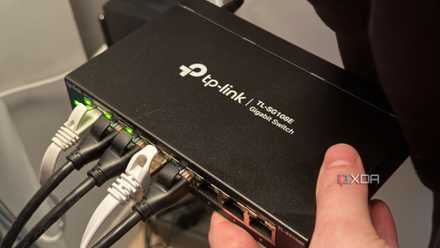
- The Observational Gap: Over several months, I noticed that my local network speeds (transfers between machines) remained stubbornly tied to the limits of my hardware—the SSD write speeds or the gigabit ports on my switch—never the cable itself.
- The Empirical Testing Phase: I began to conduct side-by-side tests. I swapped my "premium" cables for basic, reputable, unshielded cables in various scenarios: streaming 4K high-bitrate media, massive file transfers, and long-term ping tests. The results were consistent: there was zero deviation in performance.
- The Shift in Philosophy: I stopped buying based on price and started buying based on certification. I began prioritizing reputable manufacturers over "gamer-branded" marketing, leading to a leaner, more efficient home setup that functioned identically to my expensive one, but at a fraction of the cost.
Supporting Data: Why Specifications Trump Marketing
The performance ceiling of a network is determined by the weakest link in the chain. In a typical home, this is almost always the ISP bandwidth, the router’s CPU, or the hard drive speed.
Consider the specifications:
- Cat 5e: Rated for 1Gbps at 100 meters.
- Cat 6: Rated for 10Gbps at up to 55 meters.
- Cat 6a: Rated for 10Gbps at 100 meters.
These standards are defined by the physical properties of the copper wire and the tightness of the twists within the insulation. A manufacturer cannot "overclock" a wire. If a cable is Cat 6 certified, it has been tested to handle the frequencies required for 10Gbps transmission. Adding a thick, braided jacket or a fancy gold-plated connector does not change the physical capability of the copper inside.
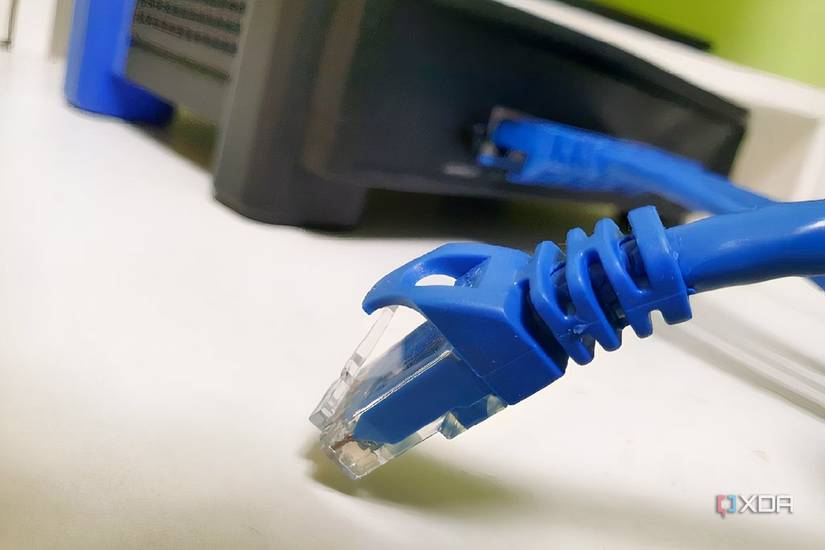
Furthermore, data suggests that "Copper Clad Aluminum" (CCA) cables are the only real danger. These are cheap, low-quality alternatives that often fail to meet the standards they claim. My research confirms that the best approach is not to buy the most expensive cable, but to buy from brands that offer verified testing reports and are known for using 100% pure copper conductors.
Official Industry Perspectives
Networking standards bodies, such as the TIA/EIA (Telecommunications Industry Association), have long maintained that compliance is a binary state. In their view, if a cable meets the TIA-568 standard, it is fit for purpose. They do not recognize "pro-grade" versus "consumer-grade" in terms of raw data throughput.
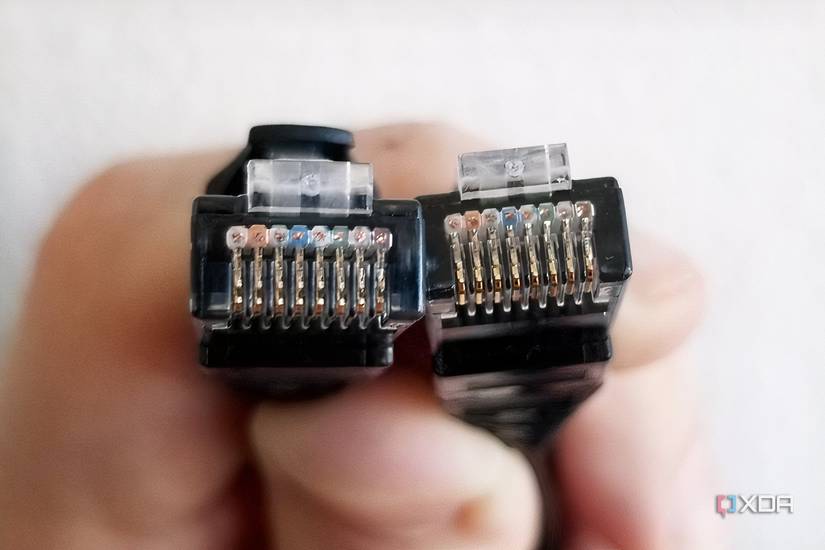
When industry professionals build data centers, they do not buy "gold-plated" cables. They buy bulk, high-quality, TIA-compliant copper cabling that meets the specific category requirements for their data center’s speed (e.g., 10GbE or 40GbE). They prioritize durability and proper installation (avoiding tight bends and keeping cables away from high-voltage lines) over the "boutique" features marketed to home enthusiasts.
Implications for Your Home Network
The implications of this shift in understanding are significant for the average consumer:
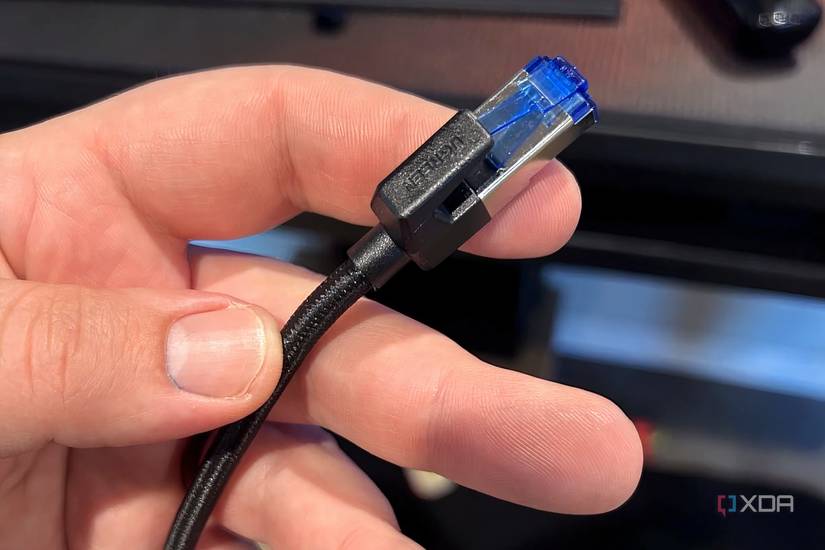
- Stop Overspending: For 99% of home users, a basic Cat 6 cable from a reputable manufacturer is all that is required. You do not need Cat 8 cables for your home office; you are paying for bandwidth capacity that your hardware cannot even approach.
- Focus on Installation, Not Components: The biggest performance degradation in home networks comes from poor installation. If you want a better network, invest in cable management, use proper cable testers to ensure your terminations are clean, and keep your cables organized.
- Environment Matters: Premium features like heavy shielding are only useful in environments with significant electromagnetic interference (EMI)—such as running cables next to industrial machinery or high-voltage power lines. If your cables run through your drywall or along your baseboards in a residential home, standard UTP (Unshielded Twisted Pair) cables are perfectly adequate.
- Avoid the "Premium" Trap: If you see a cable advertised with buzzwords like "Ultra-Low Latency" or "Gaming Optimized," treat it with skepticism. These features are marketing fluff. Latency is determined by the speed of light through copper and the processing time of your switches and routers, not by the "premium" nature of the cable jacket.
Conclusion
My transition from a buyer of "premium" networking gear to a pragmatist has been liberating. I now view Ethernet cables as the unsung heroes of my home lab—utility infrastructure that, when sourced correctly, should be reliable, affordable, and entirely forgettable.
By shifting my focus toward verified standards rather than aesthetic marketing, I have saved money while maintaining the exact same level of network performance. For those building a home network, the lesson is clear: don’t let the marketing hype dictate your budget. Invest in high-quality hardware that can actually leverage higher bandwidth, and keep your cabling simple, compliant, and cost-effective. Your network—and your wallet—will thank you.












No comments yet. Be the first to join the conversation!