Ali Ikhwan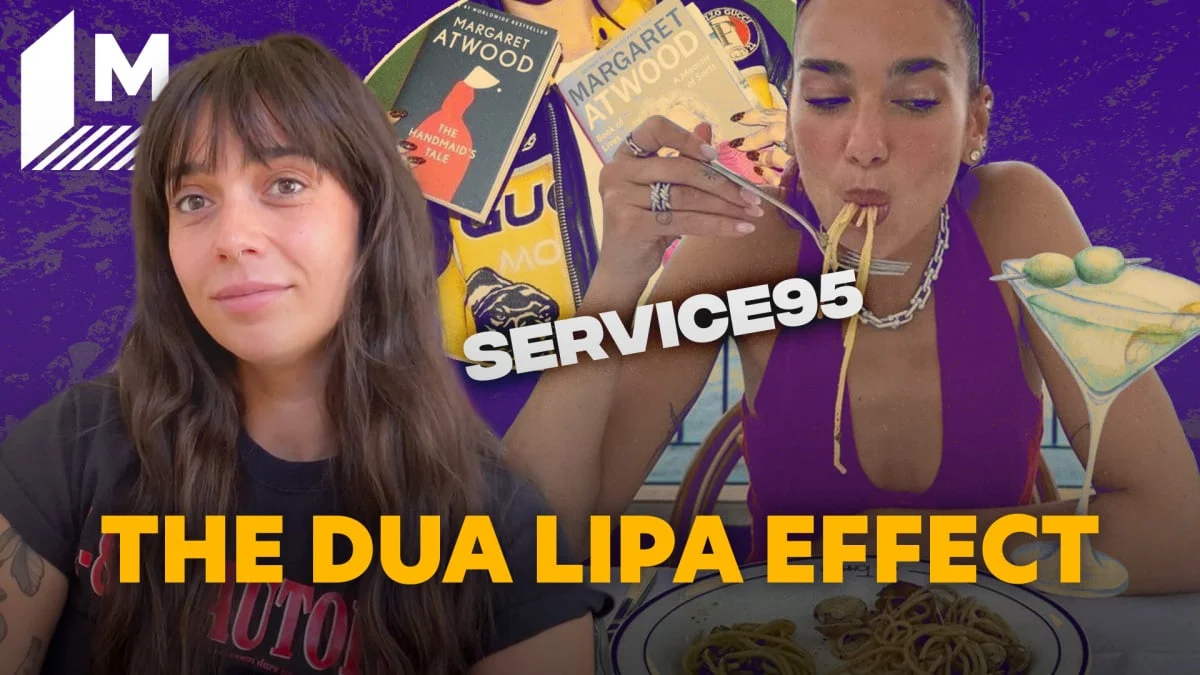
In an era defined by economic uncertainty, the relentless pressure of "hustle culture," and the algorithmic exhaustion of social media, the internet has coalesced around a singular, idealized figure: Dua Lipa. The Grammy-winning pop star has transcended the typical boundaries of celebrity, evolving from a chart-topping musician into what can only be described as a digital mood board for the modern pursuit of a fulfilled, enriched life.
While many celebrities peddle unattainable luxury, Lipa’s brand—curated across her personal Instagram and her editorial platform, Service95—strikes a different chord. She isn’t selling a product; she is selling a philosophy of "leisure as a lifestyle," a vision of adulthood where the primary objective is not productivity, but the intentional consumption of art, culture, and connection.
The Anatomy of the "Dua Effect"
To understand the current cultural obsession with Lipa, one must first deconstruct the "Dua Effect." As writer Madison Huizinga aptly phrased it, this phenomenon is built around the concept of being a "student of life."
Lipa’s digital presence is a masterclass in aspirational curation. Her feed is a mosaic of sun-drenched beaches, high-fashion street style, museum visits, literary recommendations, and intimate dinners with friends. Unlike the typical influencer, whose life feels like a perpetual advertisement, Lipa’s leisure feels curiously grounding. It is an aesthetic of abundance, yes, but it is an abundance of experiences rather than just capital.

The Role of Service95
The pivot from musician to cultural curator is solidified by Service95, her editorial platform. Positioning itself as the "ultimate cultural concierge," the site serves as the infrastructure for the lifestyle she models. Through newsletters, a podcast, and a widely recognized book club, Lipa provides her audience with the tools to replicate her own curiosity. It is a subtle invitation: you may not have her bank account, but you can read the same books, visit the same galleries, and adopt the same "student of life" mindset.
Chronology: From Pop Star to Cultural Concierge
The evolution of the Dua Lipa brand has been a deliberate, multi-stage process that aligns with broader shifts in how Gen Z and Millennials consume content.
- 2017–2019: The Breakout Phase: Lipa solidified her status as a global pop force with hits like "New Rules" and "Don’t Start Now." During this time, her social media was primarily focused on touring and performance.
- 2020–2021: The Pandemic Pivot: As the world went into lockdown, the Future Nostalgia era saw Lipa leaning into a more personal, domestic aesthetic. The focus shifted toward home cooking, creative styling, and a slower pace of life, which resonated with a locked-down global audience.
- 2022: The Launch of Service95: Recognizing the audience’s hunger for her taste beyond music, Lipa launched Service95. This marked her transition from a celebrity to a brand-adjacent authority on culture, travel, and literature.
- 2023–2026: The Global Nomad Era: Lipa became a fixture in the "Euro summer" zeitgeist. Her travels—documented with high-fidelity, lo-fi-aesthetic imagery—became the gold standard for travel inspiration on platforms like TikTok and Instagram.
Supporting Data: The Decline of "The Grind"
The obsession with Lipa coincides with a measurable shift in generational attitudes toward work. According to recent labor market analyses, Gen Z is increasingly skeptical of "hustle culture." Following years of wage stagnation and the instability of the creator economy, the desire for "stability" has replaced the desire for "grind."
Productivity vs. Enrichment
The data suggests that for young adults, the ultimate status symbol is no longer the corner office; it is the "emotional space" to pursue personal interests. When Lipa posts a photo of herself reading a novel in a quiet, beautiful setting, she is participating in a broader cultural trend: the romanticization of quiet, non-performative life.

While her life is inherently inaccessible—most people cannot "casually" spend their lives flying between international capitals—the feeling she portrays is one of autonomy. In a world where labor is increasingly digitized and invasive, the image of a person who is "off the clock" and fully immersed in the sensory details of their environment is profoundly appealing.
Official Perspectives and The Paradox of Accessibility
The tension inherent in this obsession lies in the gap between the dream and the reality. Lipa is a multimillionaire, and her "leisure" is frequently supported by corporate partnerships—most notably her collaboration with Google for curated travel guides.
Critics point out that while the Dua Effect promotes a life of enrichment, it remains an elite, curated existence. The paradox is that the very people who crave this lifestyle are often those most affected by the economic pressures of modern life.
The Industry Response
Tech giants and lifestyle brands have been quick to capitalize on this. By sponsoring "curated lists" and "travel aesthetics," they aim to sell the trappings of the Dua lifestyle. However, experts in social media culture note that the obsession is likely cyclical. As with all internet-led trends, the "Dua Effect" is a temporary focal point—a reflection of our current collective anxiety and our hope for a future where work does not define our total existence.

Implications for the Future of Celebrity
What does this mean for the future of the "influencer" model? Lipa’s success signals that audiences are becoming weary of the traditional, transactional influencer. Instead, they are gravitating toward celebrities who act as "tastemakers."
- The Rise of the Curator: We are moving away from celebrities who simply pose with products and toward those who build ecosystems around their intellectual and cultural interests.
- The Rejection of Over-Production: There is a growing premium on "authentic-seeming" content—even if that authenticity is highly manufactured. Audiences want to see the process of a life, not just the polished result.
- The "Life-as-Art" Fantasy: The creator economy has promised that our lives could be our work. Lipa represents the pinnacle of this, showing that if you curate correctly, you can make your leisure look like your profession.
Conclusion: A Temporary Shelter from the Storm
The obsession with living like Dua Lipa is not necessarily a failure of reality testing; it is a coping mechanism. In a landscape of climate uncertainty and economic precarity, Lipa offers a visual, tactile escape—a vision of a world where one can be successful without losing one’s soul to the grind.
Her influence will undoubtedly ebb, as all internet trends do. However, the underlying desire she satisfies—the hunger for a life that is measured by books read, meals shared, and art experienced—will likely remain. For now, the internet remains content to look at her life and wonder: What would it feel like to have all that time?
Until the next shift in the digital zeitgeist, Dua Lipa remains the curator-in-chief of our collective aspiration, holding up a mirror to a version of adulthood that we all secretly, desperately, wish was our own.

 Neng Nana
 Nana Wu