Ali Ikhwan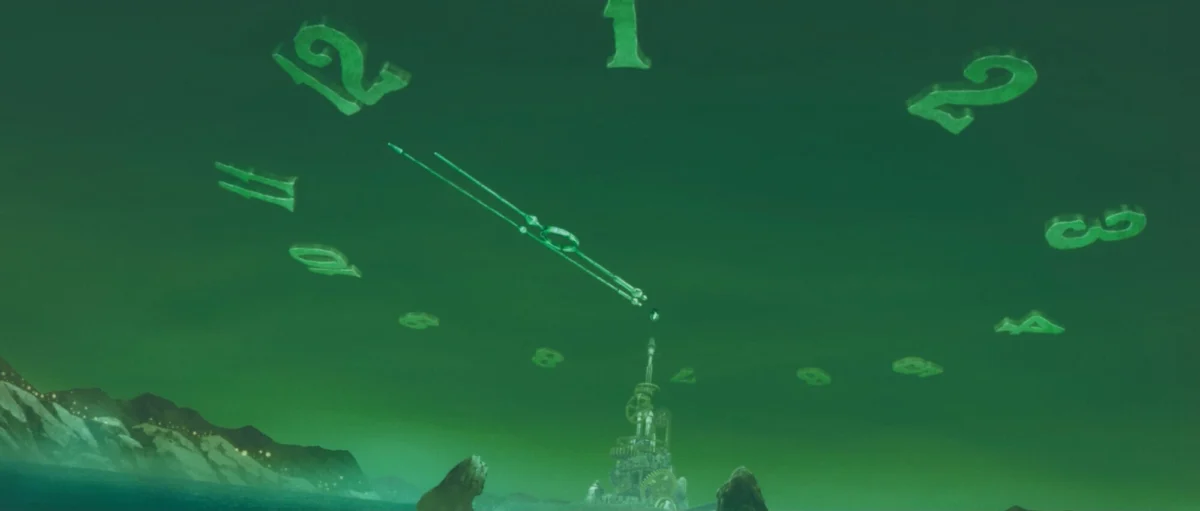
By Blake Simons | June 12, 2026
In the landscape of contemporary animation, few studios possess the daring, experimental spirit of Japan’s Studio 4°C. Known for pushing the boundaries of visual storytelling, the studio has long functioned as a laboratory for aesthetic innovation. With the 2026 release of Chimney Town: Frozen in Time, the studio marks a significant milestone in its journey, refining the 3D computer-generated techniques first introduced in the 2020 hit Poupelle of Chimney Town.
This sequel, directed by Yusuke Hirota, represents more than a continuation of a beloved franchise; it is a technical manifesto on how to marry the depth of modern 3D CG with the soulful, tactile warmth of traditional hand-drawn animation.
A Legacy of Innovation: The Chronology of Chimney Town
The journey of Chimney Town began in the mind of Japanese actor, comedian, and author Akihiro Nishino. His bestselling children’s book provided the foundation for a steampunk-inspired fantasy world, defined by its gothic, Halloween-infused aesthetic. When Studio 4°C adapted the book in 2020, it served as a high-stakes experiment for the studio—their first foray into a full-length 3D CG feature.

The success of that film provided the necessary confidence to push the technology further. In the intervening years, the studio released All You Need Is Kill, a project that served as a stylistic bridge, testing new workflows that fused 2D and 3D production modes. By the time Chimney Town: Frozen in Time entered production, the team at Studio 4°C was no longer "dipping their toes" into CG; they were actively pioneering a new hybrid language of animation.
The sequel follows the protagonist, Lubicchi, as he traverses an ethereal, imaginary "otherworld" in a desperate quest to reunite with his friend Poupelle, who vanished at the conclusion of the original film. Premiering earlier this year at the Berlinale in the prestigious Generation strand, the film has since been slated for the Annecy Festival, cementing its place as a major entry in the year’s global animation circuit.
Technical Synthesis: How the Magic is Made
The visual identity of Chimney Town: Frozen in Time is striking. It eschews the "smooth" hyper-realism often associated with Western CG in favor of a textured, painterly look that feels distinctly Japanese. According to director Yusuke Hirota, this was a conscious, multi-layered decision.
The Hybrid Pipeline
"While 99% of the characters are 3D CG, we added toon shading to their character models," Hirota explains. "Rather than completing everything within the 3D software, we output elements like color, shading, and line art as separate images. These are then individually processed and adjusted during the compositing stage."
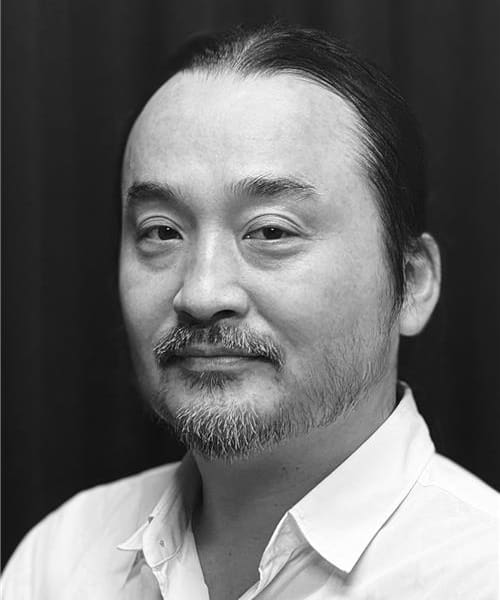
This workflow is essentially a 2D animation pipeline applied to 3D assets. By treating the output of the 3D software as raw material rather than a final product, the studio retains the ability to hand-paint textures and adjust lighting manually. The result is a seamless fusion where the backgrounds—which are a 50/50 split of 2D and 3D—never betray the "uncanny valley" look often associated with digital animation.
The Role of the CGI Director
At the heart of this success is Studio 4°C’s long-standing dedication to the role of the CGI Director. Hirota, who served as a CGI Director for over 15 years before taking the helm, notes that this specialization is what allows the studio to maintain its high level of eclectic output. "I have been pursuing the seamless incorporation of 3D CG into 2D animation for more than 20 years," he notes. By utilizing "limited animation" techniques—a hallmark of Japanese anime that emphasizes key frames and stylized movement over fluid, frame-by-frame realism—the team ensures that the 3D elements feel like a natural evolution of the art form rather than a replacement for it.
Creative Influences and World-Building
The aesthetic of Chimney Town is deeply evocative, drawing comparisons to both modern video games like Professor Layton and the dark fantasy sensibilities of the 1980s.
The Tim Burton Connection
Hirota is open about his influences, noting that the "Halloween" imagery of the franchise acts as a guiding star for the film’s color palette and emotional tone. "I believe that’s why you find something in common between this film and 80s fantasy films and the world of Tim Burton, a favorite filmmaker of mine," he says.
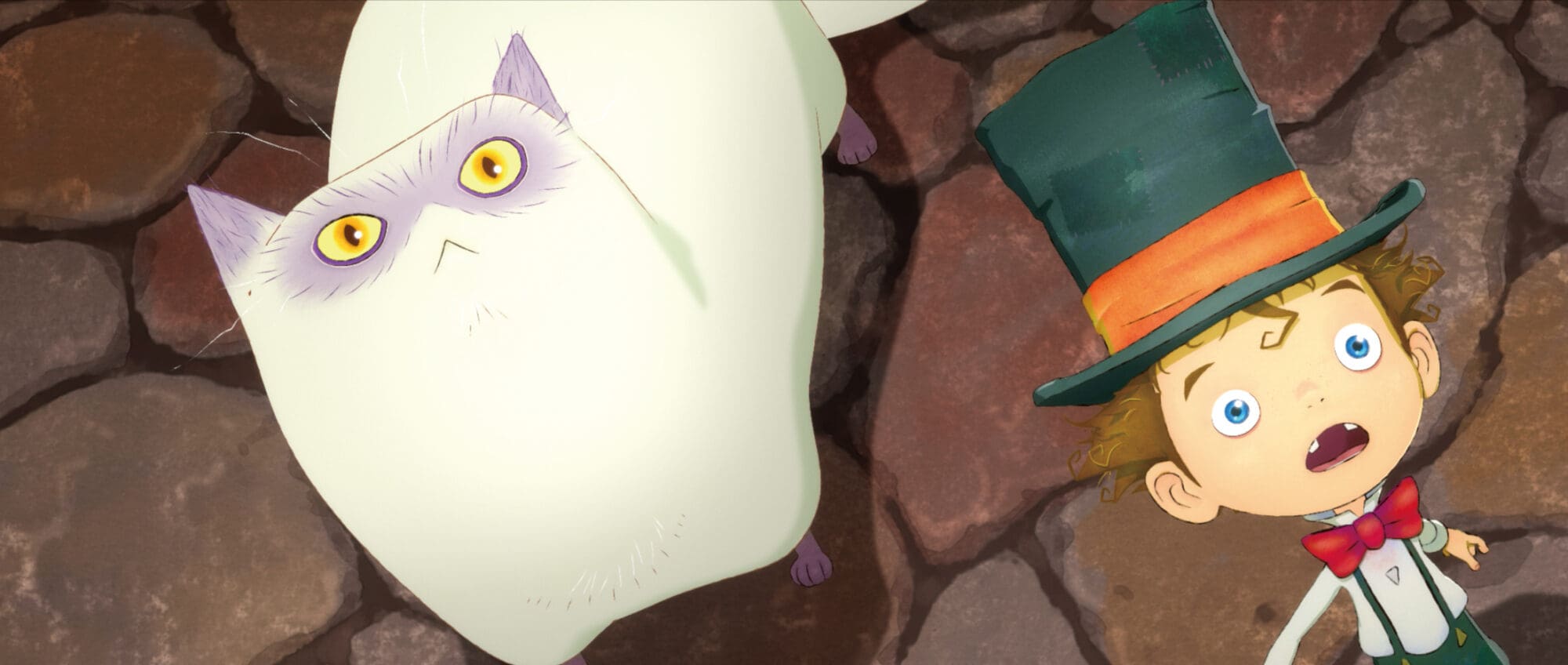
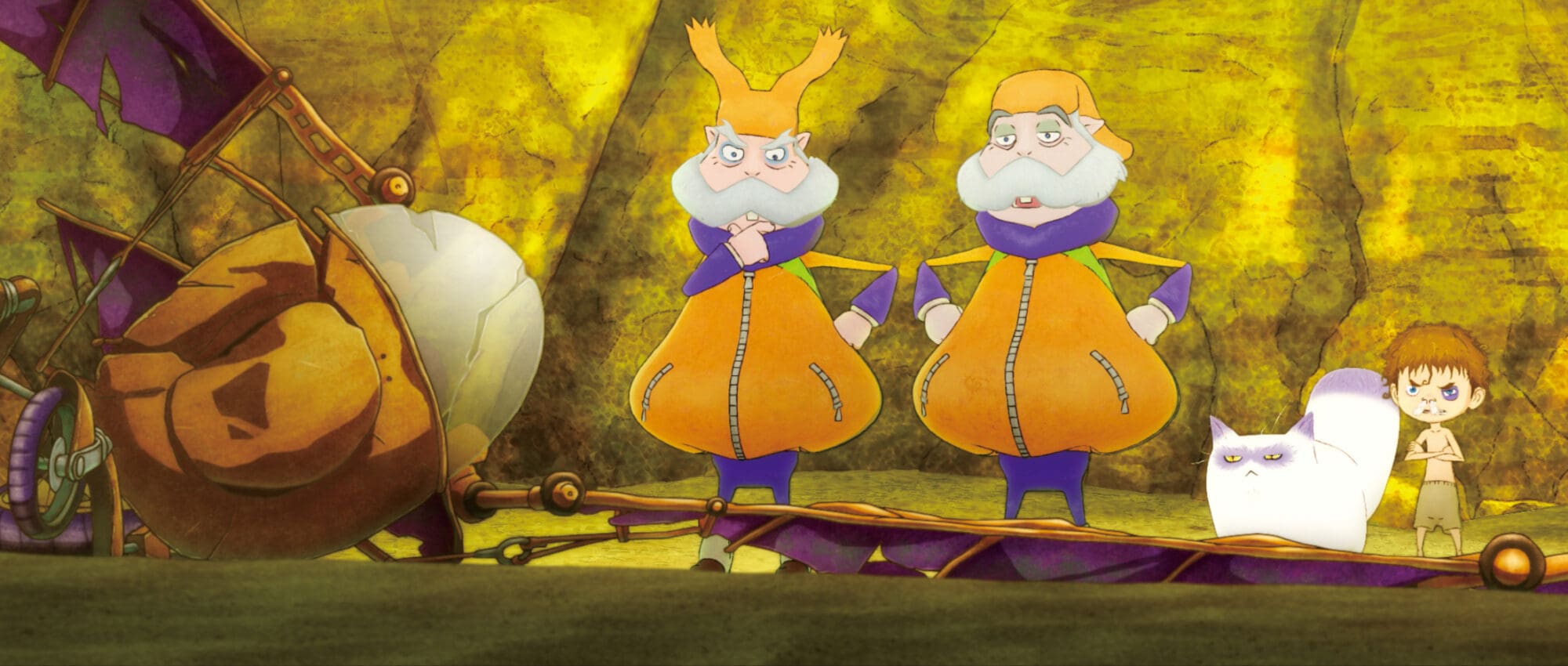
The film’s world, the "Thousand-Year Fortress," is designed as a physical manifestation of Lubicchi’s psyche. Because the setting is conjured from the protagonist’s imagination, the creatures and flora within it are intentionally surreal—a blend of half-remembered rumors, children’s book illustrations, and inanimate objects brought to life.
The Rooftop Chase: A Technical Triumph
One of the most complex sequences in the film is a frantic rooftop chase. Hirota aimed for the kinetic, chaotic energy found in Hayao Miyazaki’s work. Achieving this required a grueling workflow: "After finalizing the layout, we worked on character animation and the falling tile simulation in parallel. Any tiles that physically collided with the characters had to be manually reanimated by hand." This "man-meets-machine" approach ensured that the chaos felt tangible and reactive, rather than procedurally generated.
Official Responses and Creative Philosophy
The success of Chimney Town: Frozen in Time is a testament to the studio’s internal philosophy. When asked how the studio maintains such a diverse output—ranging from the pure 2D of ChaO to the hybrid experimentation of All You Need Is Kill—Hirota emphasizes that the creator, not the technology, remains the priority.
"Each production begins with the creator, not with the style that’s ultimately chosen to present their ideas," Hirota asserts. "One of Studio 4°C’s defining characteristics is its constant evolution, free from stylistic constraints. Creators like myself, who don’t like being overly bound by uniform aesthetics, find themselves to be a good fit here."
Implications for the Future of Animation
As the industry faces the growing encroachment of AI-driven animation and high-speed digital production, Chimney Town: Frozen in Time offers a refreshing counter-narrative. It advocates for a slow, intentional process that values the "human touch" within digital spaces.
The film’s underlying message—the beauty of waiting for someone and the necessity of belief—mirrors the studio’s approach to filmmaking. In an era obsessed with convenience and efficiency, Hirota and his team are doubling down on craftsmanship.
"In a time when technology continues to advance, and people pursue convenience, efficiency, and immediacy, that’s something we need to keep cherishing," Hirota says. By blending the cutting edge with the traditional, Studio 4°C has not only created a compelling sequel; they have provided a blueprint for how animation can continue to evolve without losing the soul that made it a powerful medium in the first place.
Whether through the intricate compositing of a character model or the manual animation of falling roof tiles, Chimney Town: Frozen in Time stands as a reminder that the most advanced technology is only as good as the heart of the person using it. As the film begins its international festival run, it serves as a beacon for creators looking to bridge the gap between the digital future and the artistic traditions of the past.


 Pevita Pearce
 Neng Nana