

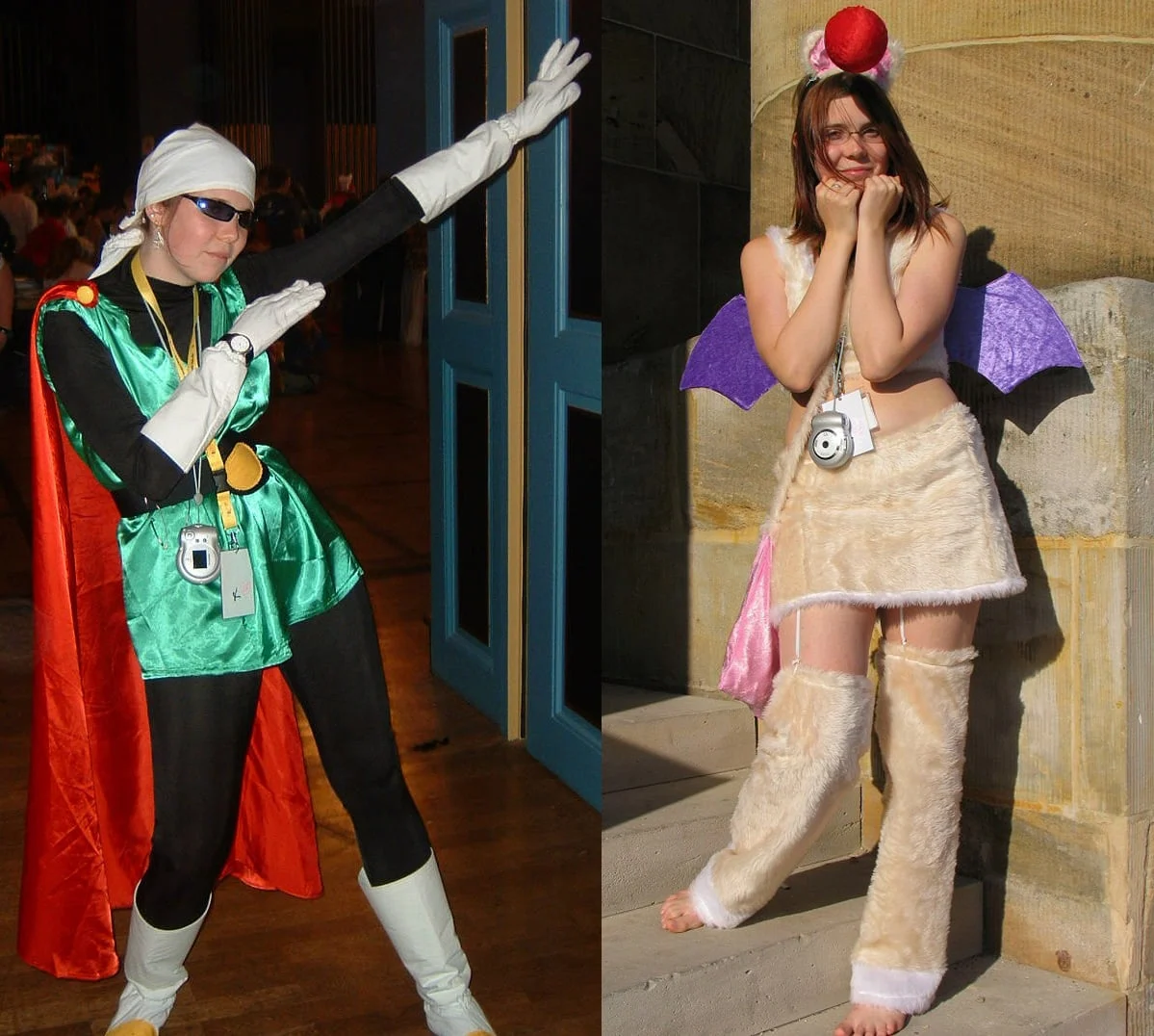
For over two decades, the world of cosplay has undergone a radical transformation. What began as a subculture defined by DIY ingenuity, paper-mâché, and thrift-store ingenuity has morphed into a high-stakes arena of 3D printing, laser cutting, and professional-grade engineering. As the bar for "professional" quality rises on social media feeds, a growing chorus of newcomers is asking a poignant question: Is cosplay still an accessible hobby, or has it become an exclusive club for those with deep pockets and high-tech workshops?
The Shift from Paper-Mâché to Poly-Printing
To understand the current state of the hobby, one must look at the timeline of the craft itself. In the early 2000s, the "Kamui Cosplay" aesthetic—a benchmark for many in the community—was defined by rudimentary tools. The early years of this craft were defined by expanding foam, cheap satin, and a heavy reliance on sheer creative willpower.

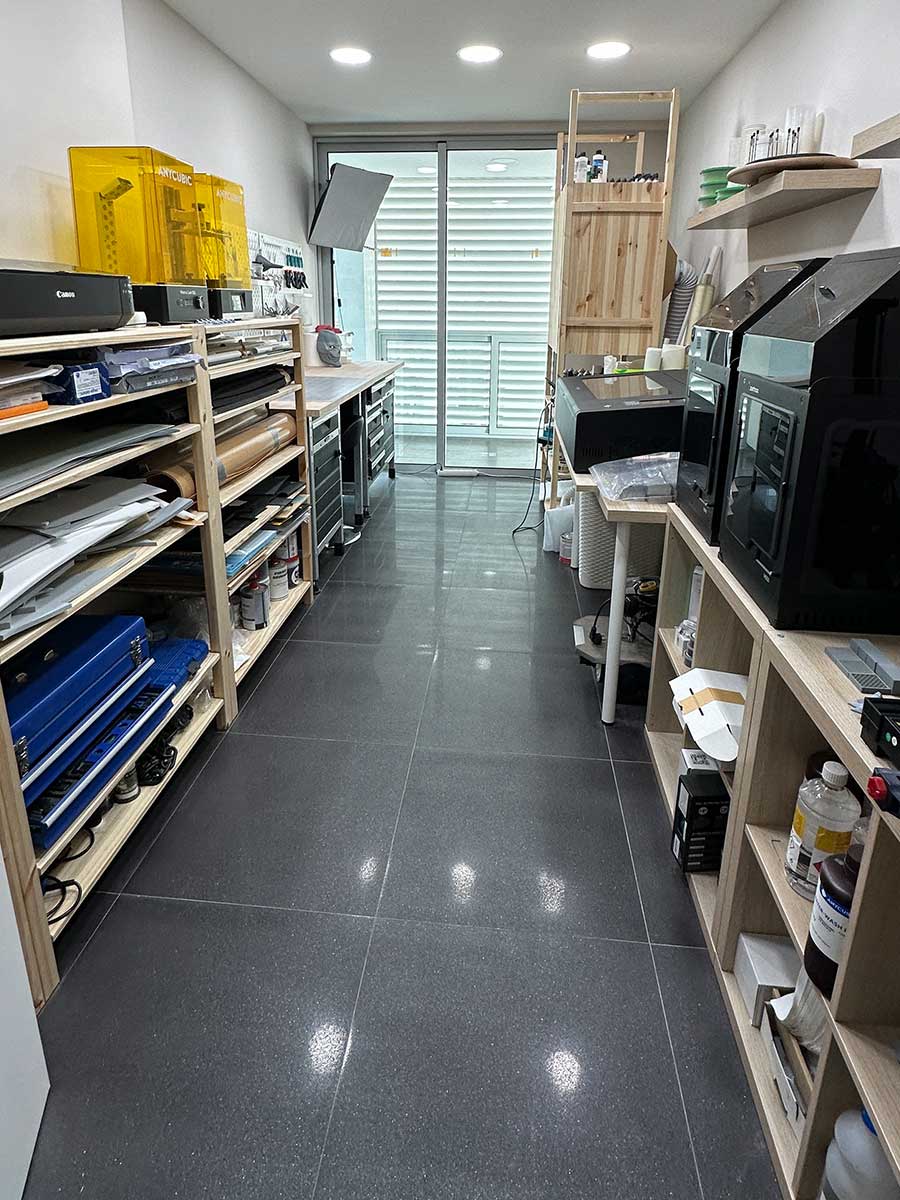
However, the industry has seen a massive influx of technology. The transition from thermoplastic materials like Wonderflex and Worbla to the widespread adoption of EVA foam was the first major leap. Today, we are in the era of "Digital Manufacturing." Many professional cosplayers now integrate FDM (Fused Deposition Modeling) and resin 3D printers into their daily workflows.
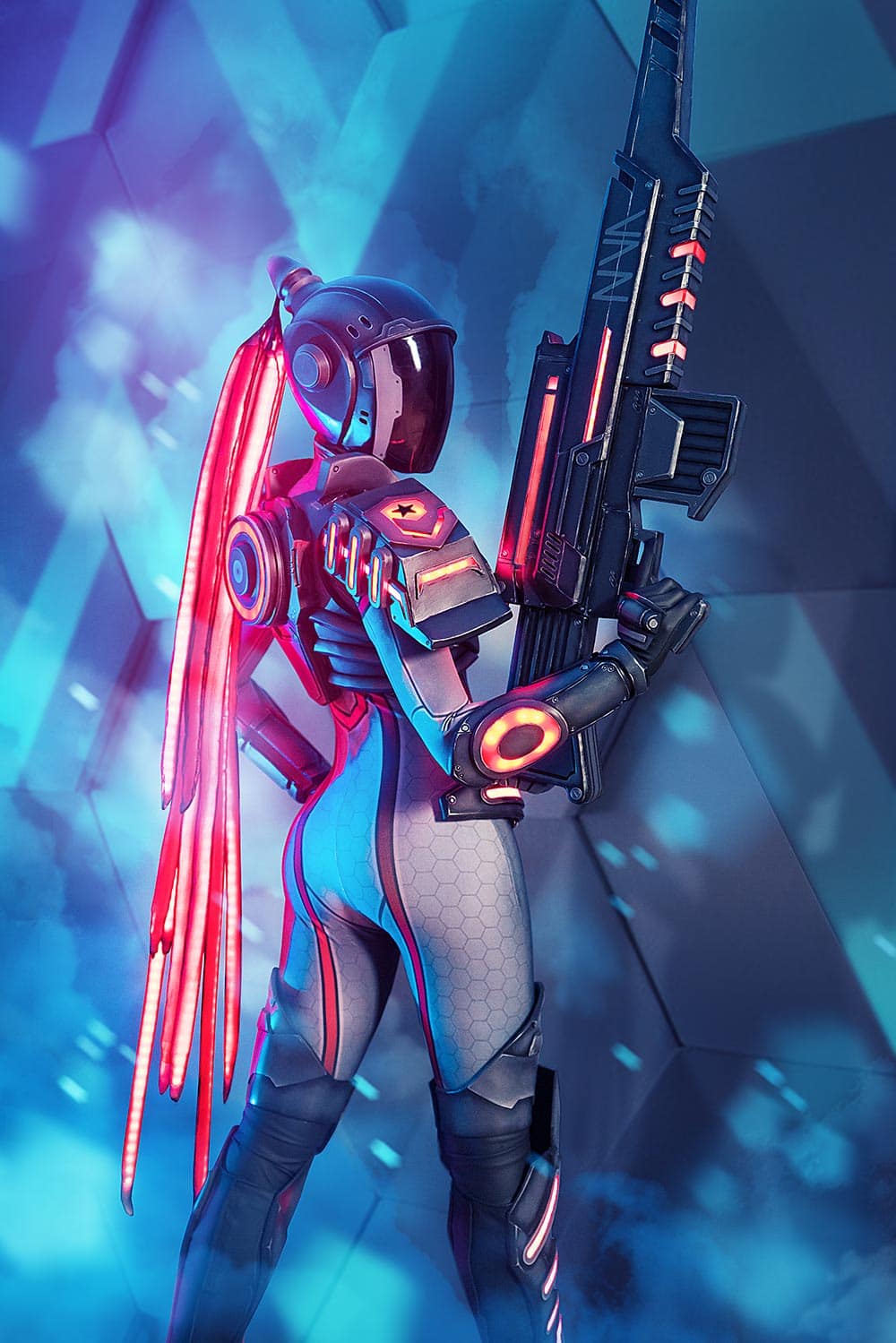
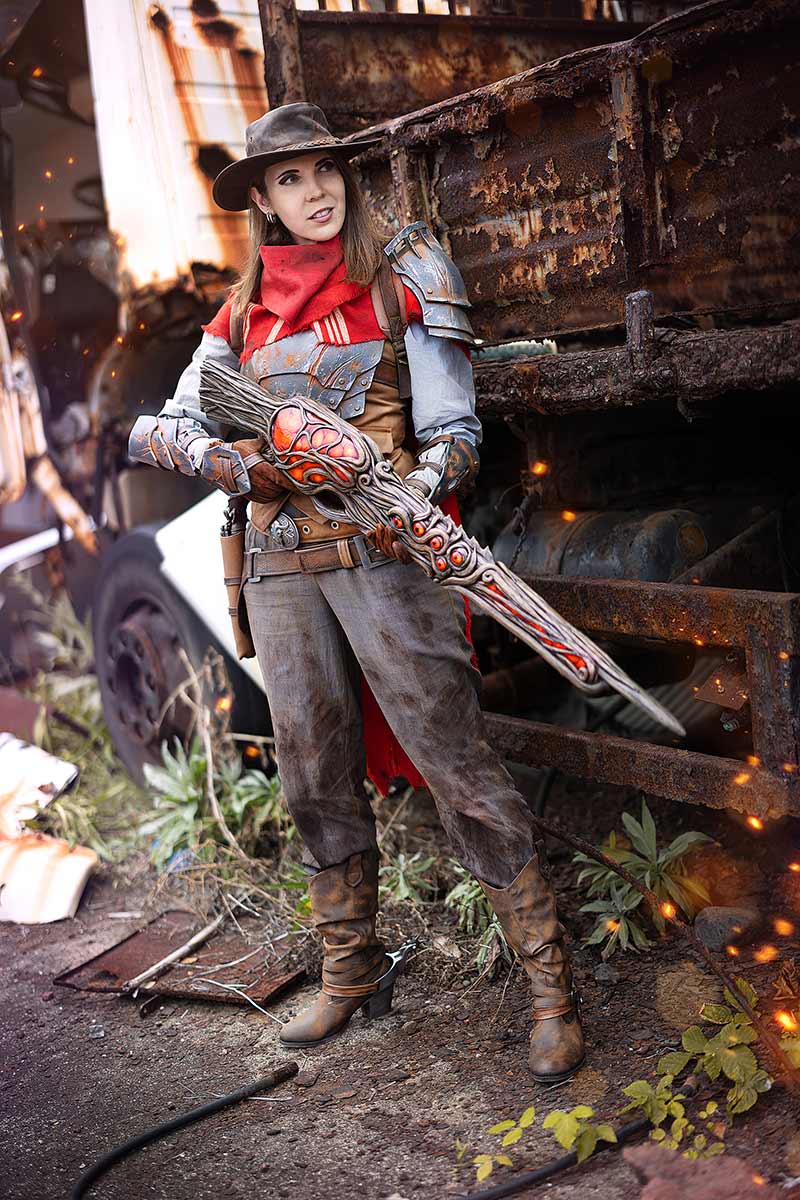
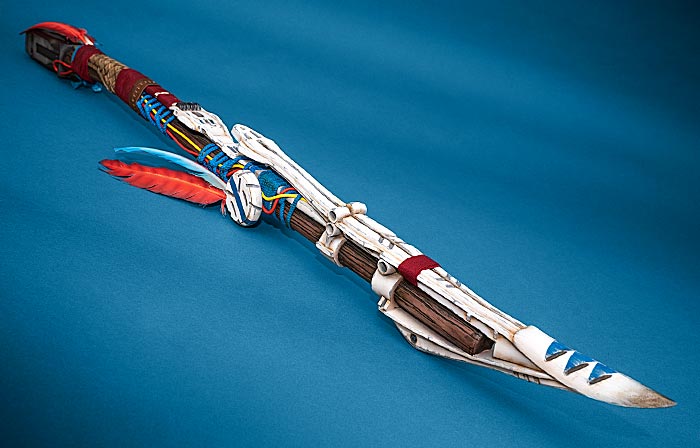
This evolution is not merely about convenience; it is about precision. For complex projects—such as the intricate, sharp-edged designs seen in Genshin Impact or the technical, light-up weaponry from modern video games—hand-crafting every detail is an exercise in diminishing returns. Professional workshops now frequently utilize laser cutters to handle tasks that once took hundreds of hours, such as cutting thousands of individual foam scales for dragon armor.

Chronology of a Maker’s Workshop
The trajectory of a professional crafter’s toolkit usually follows a predictable, albeit expensive, path:
- The Early Years (2003–2008): Reliance on household items, second-hand clothing, and manual tools. The primary challenge was resourcefulness rather than technical skill.
- The Material Evolution (2009–2014): The introduction of heat guns, specialized thermoplastics (Worbla), and better sewing machines.
- The Digital Revolution (2015–2020): The democratization of 3D printing and the rise of affordable, open-source software like Blender.
- The High-Efficiency Era (2021–Present): The integration of laser cutters, industrial-grade resin printers, and professional-level project management software.
For those at the top of the field, these tools are not luxuries; they are business investments. A 3D printer can allow a builder to work on a sword while the sewing machine handles the fabric elements, effectively doubling productivity. Yet, this efficiency creates a perception gap. When followers see a finished project that took six weeks of high-tech manufacturing, they often assume that without the same equipment, they are incapable of producing high-quality work.
Supporting Data: The Reality of Cost vs. Craft
The perception that cosplay is becoming prohibitively expensive is grounded in truth, though perhaps not in the way many assume. A yard of premium fabric can easily exceed $100, and large-scale armor builds consume hundreds of dollars in EVA foam, contact cement, and high-quality LEDs. When you add a $200 3D printer and the cost of raw filament or resin, the entry barrier seems to rise exponentially.
However, the data from the grassroots level suggests otherwise. In regions with significant economic constraints—such as Cuba, where the average monthly income is roughly $150—cosplayers are still producing world-class work. Competitions in these regions frequently feature elaborate, character-accurate costumes built entirely from discarded materials and basic hardware-store supplies. This indicates that while the ceiling for professional work has risen, the floor remains firmly grounded in human ingenuity.
The Professional Perspective: Skill Over Hardware
The consensus among veteran crafters is clear: a 3D printer is not a "magic button." It is a complex machine that requires a steep learning curve in CAD (Computer-Aided Design) and post-processing. A professional artist is defined by their eye for detail, their patience in assembly, and their understanding of color and texture—none of which are provided by a machine.
Even those with access to the most advanced technology often choose to return to the basics. Many of the most respected cosplayers in the industry still prefer EVA foam over 3D prints for armor. Why? Because foam is forgiving, lightweight, and can be adjusted on the fly. A 3D print, once finalized, is rigid and difficult to resize. Furthermore, hand-crafting allows for a tactile connection to the piece that machines cannot replicate. The "human element" remains the most valuable commodity in the community.
Implications for the Future of the Hobby
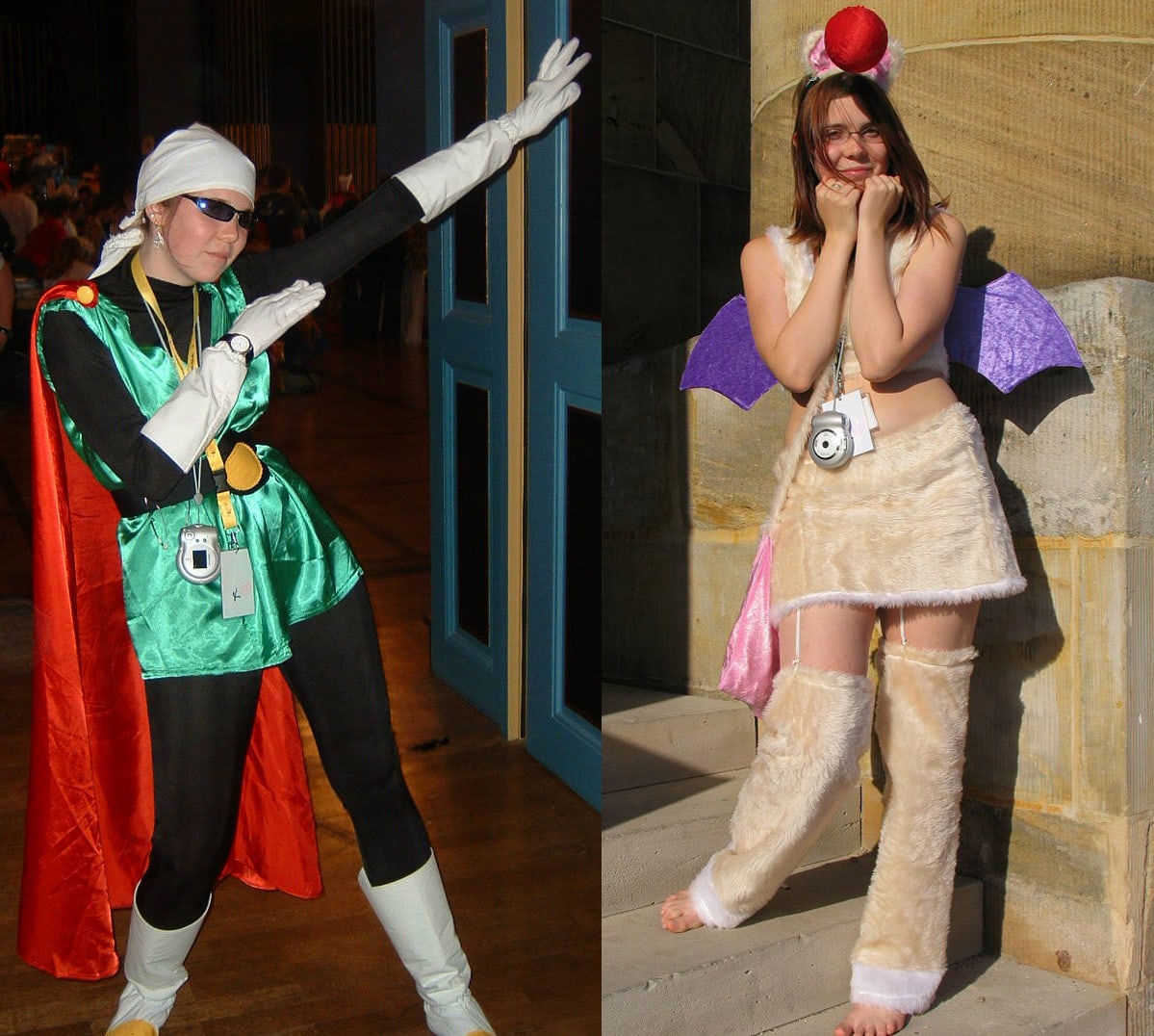
The rise of accessible, ready-to-wear costumes—often sold by boutique online stores—has actually made the hobby more accessible than it was in 2003. A newcomer no longer needs to learn how to sew a complex corset to participate in a convention. They can purchase a base costume and then focus their energy on what really matters: styling a wig, painting a prop, or customizing an accessory.
This tiered entry allows for a healthy ecosystem:
- The Casual Enthusiast: Uses store-bought items or repurposed thrift-store finds.
- The Intermediate Maker: Learns to modify existing items, moving into foam-crafting and basic electronics.
- The Professional/Advanced Maker: Integrates digital manufacturing (3D printing/laser cutting) to push the boundaries of realism and complexity.
The implication for the future is clear: the barrier to entry is lower than it has ever been, but the path to "perfection" is steeper. The psychological trap for the modern cosplayer is the constant comparison to Instagram-perfect portfolios. Beginners often see the 10-year veteran’s "masterpiece" and fail to realize that the veteran started with a glue gun, a pair of scissors, and a lot of patience.
Conclusion: Reclaiming the Spirit of DIY
Cosplay, at its core, is not about the equipment in your workshop; it is about the passion for the character and the community. Whether you are cutting scales by hand with a utility knife or using a laser cutter to expedite the process, the effort invested remains the same.
The next time you feel discouraged by a social media feed full of expensive printers and professional studios, remember that these tools are merely a means to an end. They are designed to save time, not to replace the artist. You do not need a five-figure workshop to be a cosplayer. You need an idea, the willingness to fail, and the persistence to try again. The most impressive costumes are not the ones with the most expensive parts; they are the ones that reflect the heart and soul of the creator.
Cosplay remains, as it always has been, a hobby defined by the individual. It is accessible to anyone who has the desire to build, regardless of whether their workshop is a state-of-the-art lab or a kitchen table covered in cardboard and glue.










No comments yet. Be the first to join the conversation!