Neng Nana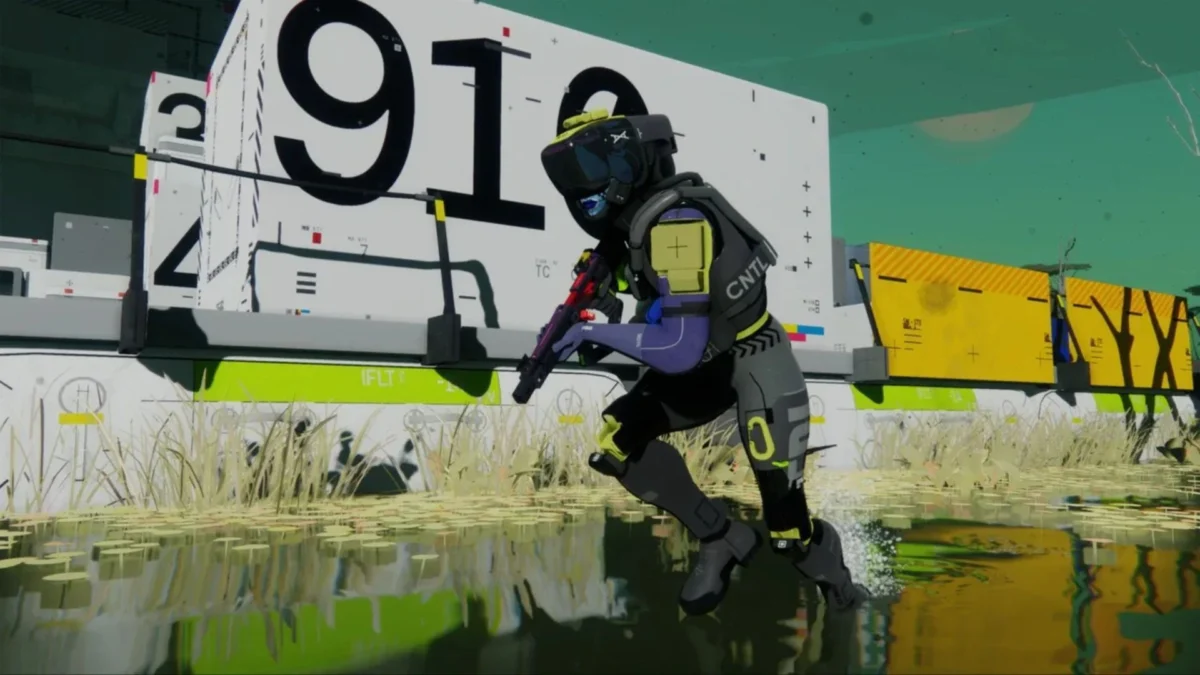
The landscape of modern competitive gaming has undergone a tectonic shift over the past 18 months. Extraction shooters—a sub-genre defined by high-stakes risk, inventory management, and the agonizing tension of the "extraction point"—have moved from a niche fascination to the industry’s most sought-after frontier. As titans like ARC Raiders and Bungie’s highly anticipated Marathon surge to the forefront, the industry finds itself grappling with a fundamental identity crisis: How do you maintain the "white-knuckle" intensity that defines the genre without alienating the casual player base?
For developers, the answer is no longer a simple one. The genre’s core loop—entering a hostile zone, gathering rare resources, and attempting to escape before being wiped out by rivals—is inherently unforgiving. It is a formula that rewards the "hardcore" player who has the time to master complex mechanics and the patience to endure repeated setbacks. However, as Bungie looks toward the second season of Marathon, the studio is signaling a willingness to break the mold, introducing a PvE-only mode that could either save the genre from stagnation or fundamentally dilute its DNA.
The High-Stakes Nature of Extraction Shooters
At the heart of the extraction shooter lies the concept of permanent loss. Unlike traditional battle royales, where a defeat simply resets the match, an extraction shooter demands that players account for the gear they bring into the field. When a player is downed by an opponent, their hard-earned weapons, armor, and mission-critical items are stripped from them, often stolen by the victor.
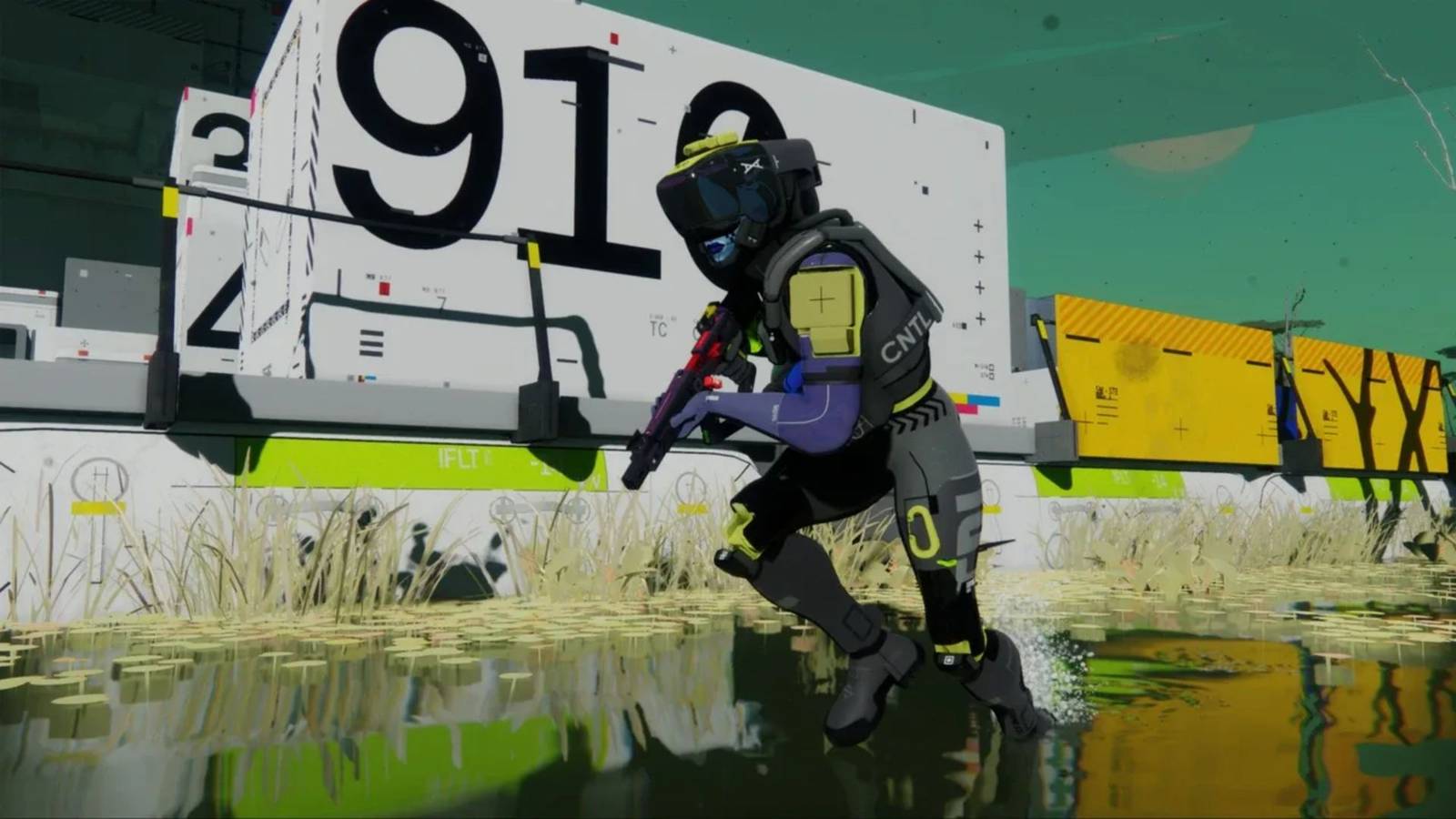
This creates an environment of sustained adrenaline. Every footstep heard in the distance becomes a potential death sentence. Every extraction, a moment of profound relief. Yet, this high-barrier-to-entry design often results in "camper" meta-gameplay, where veteran players stake out extraction points to prey on those carrying the best loot. For the casual player, who may only have an hour or two to play after work, this experience can feel less like a competitive challenge and more like a grueling, unrewarding chore.
Chronology of a Pivot: The Evolution of Marathon
When Marathon was first announced, it was positioned as the pinnacle of the "extraction" experience, leaning into Bungie’s pedigree for tight gunplay and immersive world-building. However, the path to launch and the subsequent months of live service have been a period of intense learning for the developers.
Season 1: The Harsh Reality
The initial launch of Marathon was met with critical acclaim for its atmosphere and movement, but it quickly became clear that the game’s difficulty curve was punishing. Engagement metrics suggested a sharp drop-off among players who felt they couldn’t compete with the "sweatier" segments of the player base. The inability to find a "chill" moment meant that for many, Marathon was a game you played when you were at 100% mental capacity, leaving no room for casual exploration or social play.

Season 2: The Shift Toward Accessibility
Recognizing these pain points, Game Director Joe Ziegler recently confirmed that Bungie is shifting its development philosophy. In a landmark announcement for the title, Ziegler confirmed that Season 2 will introduce dedicated PvE (Player vs. Environment) and "PVP-Lite" modes. This represents a significant departure from the traditional extraction formula, aiming to provide a variety of "survival experiences for different moods."
Supporting Data: Why the Industry is Watching
The decision to pivot toward PvE is not a move made in a vacuum. Industry analysis suggests that the biggest hurdle for new live-service games is retention. While the "hardcore" audience provides a steady stream of revenue through engagement, they are often a minority compared to the "casual" majority.
In the case of ARC Raiders, the approach has been slightly different. The game encourages a unique blend of cooperative play where players often engage in non-combat activities—such as foraging for resources or even interacting with other players through in-game social tools. This "friendly raider" dynamic has allowed ARC Raiders to cultivate a community that feels less hostile, even if the core gameplay remains competitive.

Bungie’s data suggests that players are actively seeking these "low-stress" environments. When a game offers nothing but high-stakes, high-loss PVP, the "churn rate" (the speed at which players uninstall the game) increases exponentially. By offering a PvE mode, Bungie is effectively creating a "safety net" that allows players to experience the world of Marathon without the constant threat of total inventory loss.
Official Responses and Developer Philosophy
Joe Ziegler’s comments have been central to this shift. In a recent developer update, he noted, "Gripping your precious loot every moment as you creep your way to the exfil… is a fun and intense experience. But after a few runs of that, sometimes you need to power down."
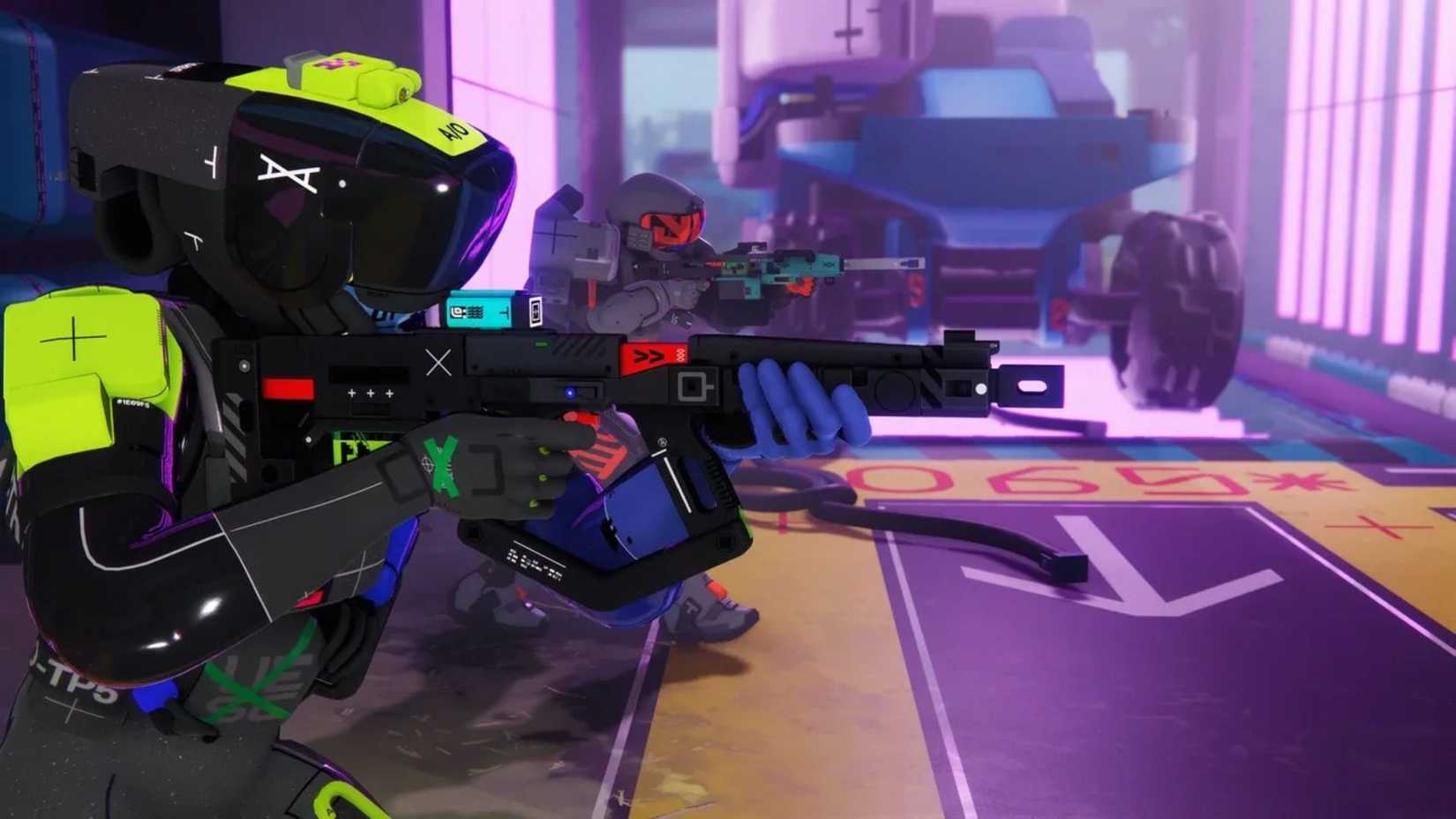
This philosophy acknowledges a critical truth in game design: players want variety. They want the rush of the hunt, but they also want the satisfaction of progression without the fear of griefing. By separating the modes, Bungie is attempting to balance the "sweat" of the hardcore PVP scene with a "lean back and chill" experience that could bring a massive influx of new users into the Marathon ecosystem.
The Implications: A Fragmented Future?
While the inclusion of a PvE mode is a win for accessibility, it brings with it a host of design challenges that the industry is currently debating. The primary concern is the integrity of the game’s economy.
1. The Economy Balancing Act
If a player can farm top-tier gear in a safe, PvE-only mode, what is the incentive to enter the high-stakes, dangerous PVP zones? If the loot in PvE is less valuable, does it make the mode feel like a "waste of time"? If the loot is the same, does it invalidate the risk-reward structure that defines the genre? Balancing these two sides of the game will be the defining challenge for Bungie over the next twelve months.
2. Community Sentiment
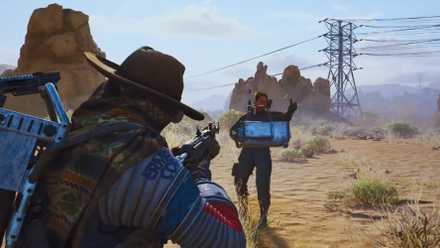
There is a segment of the community that fears the "softening" of the genre. For many, the "extraction" label carries a promise of danger. If you remove the danger, do you remove the identity of the game? Developers like Embark (the team behind ARC Raiders) have remained hesitant to add a full PvE mode, likely fearing that it would pull players away from the primary PVP experience, which is where the game’s unique, emergent social moments occur.
3. The Long-Run Potential
Ultimately, the goal of these updates is longevity. A live-service game must be a platform for the community to grow. If Bungie can successfully bridge the gap between the casual "looter" and the competitive "frag-master," Marathon could set the gold standard for how extraction shooters function in a modern gaming landscape.
Conclusion: A New Era for Shooters
The shift towards PvE in Marathon serves as a case study for the industry at large. It is a recognition that "hardcore" does not have to mean "exclusive." By listening to community feedback and experimenting with different playstyles, Bungie is proving that the extraction shooter genre is not a static concept, but a malleable one.
As we look toward the remainder of 2026, the success or failure of these new modes will dictate whether other developers follow suit or double down on the unforgiving nature of the genre. For now, the players are the winners; we are entering an era where we can choose our own level of intensity, proving that even in a world of cutthroat competition, there is still room for a bit of breathing room. Whether Marathon manages to thread the needle or finds itself struggling with a fragmented player base, one thing is certain: the conversation around extraction shooters has changed forever.


 Pevita Pearce
 Lina Irawan