Evan Lee Salim
By Adam Braunstein
Published May 7, 2026
The virtual reality (VR) community is a group of the few and the proud. Having been an active participant in the ecosystem since 2017—a journey that began in a local VR arcade and cemented itself with a PSVR headset and a copy of Skyrim VR—I have spent nearly a decade watching the medium evolve. While the community has grown and the technology has achieved remarkable milestones, a persistent, uncomfortable truth remains: VR is failing to achieve the mass-market proliferation that was promised at its inception. Despite billions of dollars in capital investment from tech giants like Meta, the platform remains a niche curiosity rather than the industry-defining juggernaut we were led to expect.
The Physical Barrier: A Friction-Heavy Medium
To understand why VR hasn’t achieved mainstream adoption, one must first look at the barrier to entry—not just in terms of cost, but in terms of human physiology.
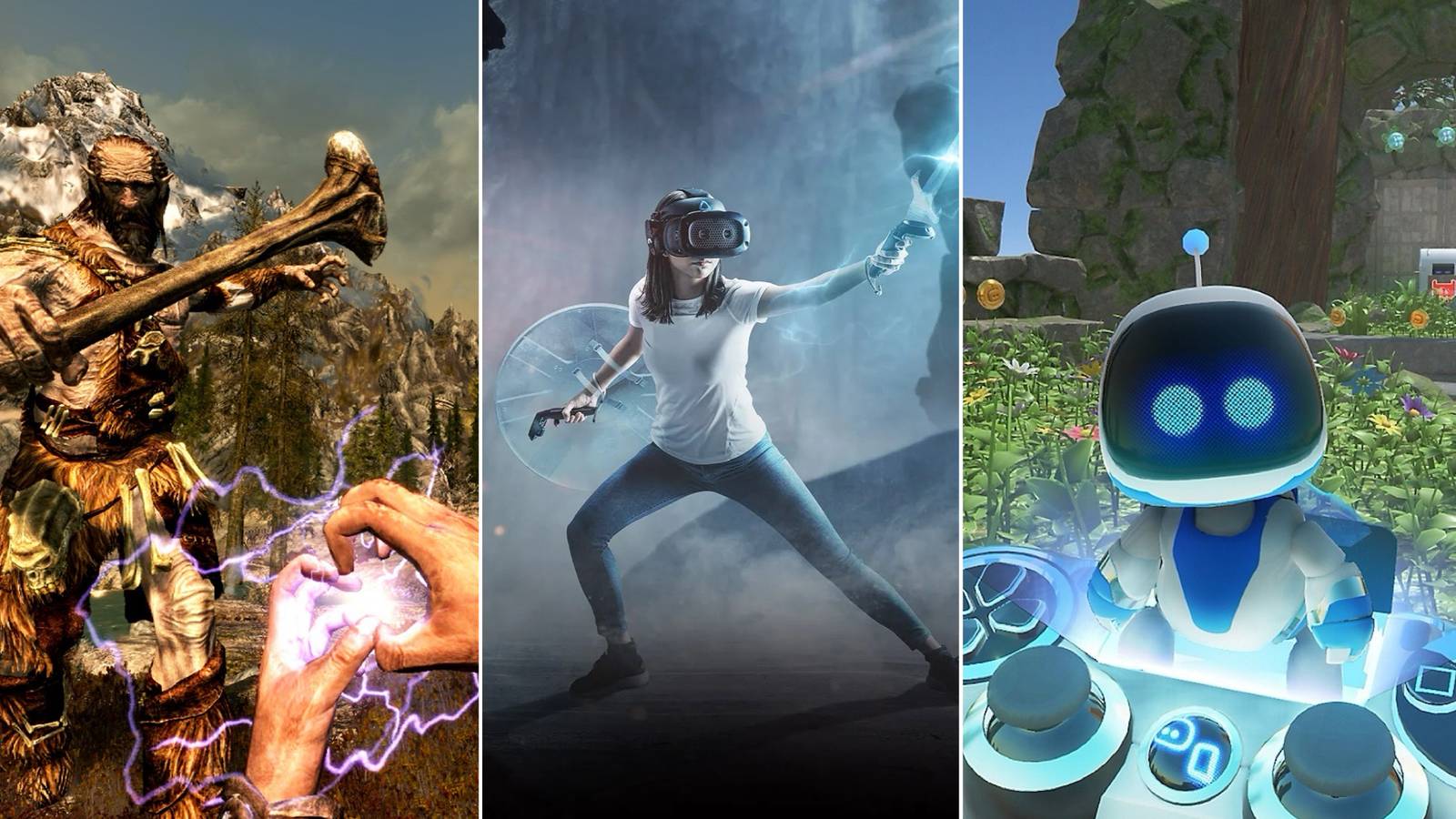
At the end of a long workday, the average consumer seeks relaxation. They want to sit on a couch, pick up a controller, and decompress. VR, by its very design, is a high-friction activity. It is an exercise in both physical exertion and sensory management. Whether you are standing to engage in room-scale gameplay or sitting in a swivel chair, you are inevitably burning calories and engaging muscles in ways that flat-screen gaming does not require.
For the casual player, a two-hour session in Asgard’s Wrath 2 is exhausting. It demands constant motion, spatial awareness, and a level of focus that is physically taxing. In contrast, a two-hour session on a traditional console is a standard evening of leisure. This physical tax creates a "usage ceiling." Even the most ergonomic headsets on the market today—be they the Quest series or the PSVR2—struggle with weight distribution, heat buildup, and the inevitable onset of eye strain.
Beyond the physical fatigue, there is the lingering issue of "VR sickness." Symptoms ranging from mild dizziness to severe bouts of depersonalization are documented realities for many users. When a hobby starts to feel like a chore or, worse, makes the user feel physically ill, the threshold for daily engagement drops significantly.

A Decade of Gimmicks: The Content Crisis
We are now over ten years into the modern era of VR, yet the perception of the platform remains largely unchanged: it is viewed as a home for "tech demos," "gimmicks," and "side shows."
As a long-time enthusiast, I find it difficult to argue against this sentiment. The storefronts for major VR platforms are saturated with shallow experiences—sandboxes with high visual fidelity but zero substance, or amateur-level projects that lack the polish of a modern game. The "greatest hits" of VR are notoriously short, often clocking in at under ten hours. For a decade-old platform, this is a systemic failure.
Developers are often "flying blind." The leap from designing for a 2D monitor to a 3D immersive space is gargantuan. We see this in the common pitfalls: combat systems that lack weight, clunky movement mechanics that ignore modern accessibility standards, and visuals that often lag behind the standards of modern console gaming by several generations. When a consumer pays a premium for a headset and then encounters a game that feels like an unpolished, buggy experiment, they are unlikely to return to the platform.
The AAA Vacuum: Why Industry Titans Remain on the Sidelines
Perhaps the most damaging factor in VR’s stagnation is the lack of sustained interest from AAA publishers. While we have seen occasional "teases" of high-budget commitment—Sony’s Horizon: Call of the Mountain or Valve’s landmark Half-Life: Alyx—these remain isolated incidents rather than a coherent strategy.
Look at the history of major studios in the VR space. Bethesda, for instance, famously released VR ports of Fallout 4 and Skyrim that, while ambitious, felt like low-effort adaptations that required significant community modding to become truly playable. Square Enix offered a VR experience for Final Fantasy XV that was widely criticized for being shallow and disconnected from the core game. Even Ubisoft’s Assassin’s Creed Nexus, while a step in the right direction, ultimately felt like a nostalgia-baiting experience rather than a fundamental reimagining of the franchise.
The reason for this absence is simple: the math does not favor the investment. A AAA studio could spend $100 million developing a bespoke, high-budget Call of Duty VR experience, but that title would likely never generate the return on investment (ROI) that a traditional multi-platform release does. These companies are businesses, and they are currently unwilling to risk their bottom line to prop up a platform with a smaller, more volatile user base. Consequently, the burden of "AAA quality" falls upon the shoulders of modders—enthusiasts who spend hundreds of hours retrofitting flat-screen games like Outer Wilds or Skyrim to function in VR.

Charting a Path to the Promised Land
If VR is ever to evolve into a titan of the video game industry, the strategy must change from "tech-first" to "content-first."
1. The "Killer App" Necessity
We need a catalyst. Just as The Legend of Zelda: Breath of the Wild was the singular reason millions of consumers purchased a Nintendo Switch, VR needs a title that is impossible to ignore. Half-Life: Alyx was a masterpiece, but it wasn’t the "system seller" for the masses. We need a game that integrates intuitive, high-fidelity mechanics—manual climbing, complex physical interaction, and a deep, multi-dozen-hour narrative—straight out of the box.
2. Radical Accessibility
The hardware must reach a point of invisibility. The transition from bulky, head-mounted displays to something as unobtrusive as high-tech contact lenses or ultra-lightweight glasses is the "holy grail." Until the hardware feels as natural as wearing a pair of sunglasses, the mass market will remain skeptical.
3. Internal Talent Cultivation
We cannot continue to rely on ported experiences. We need the emergence of new, VR-native studios that possess the talent and funding to build worlds that feel as substantial as The Matrix or Ready Player One. These studios must prioritize long-form engagement and gameplay depth over the short-term novelty of "being in the game."
Implications for the Future
The current state of the industry is admittedly somber. As the user base plateaus and early adopters begin to grow weary of the lack of meaningful, high-budget software, the industry faces a potential "VR Winter."
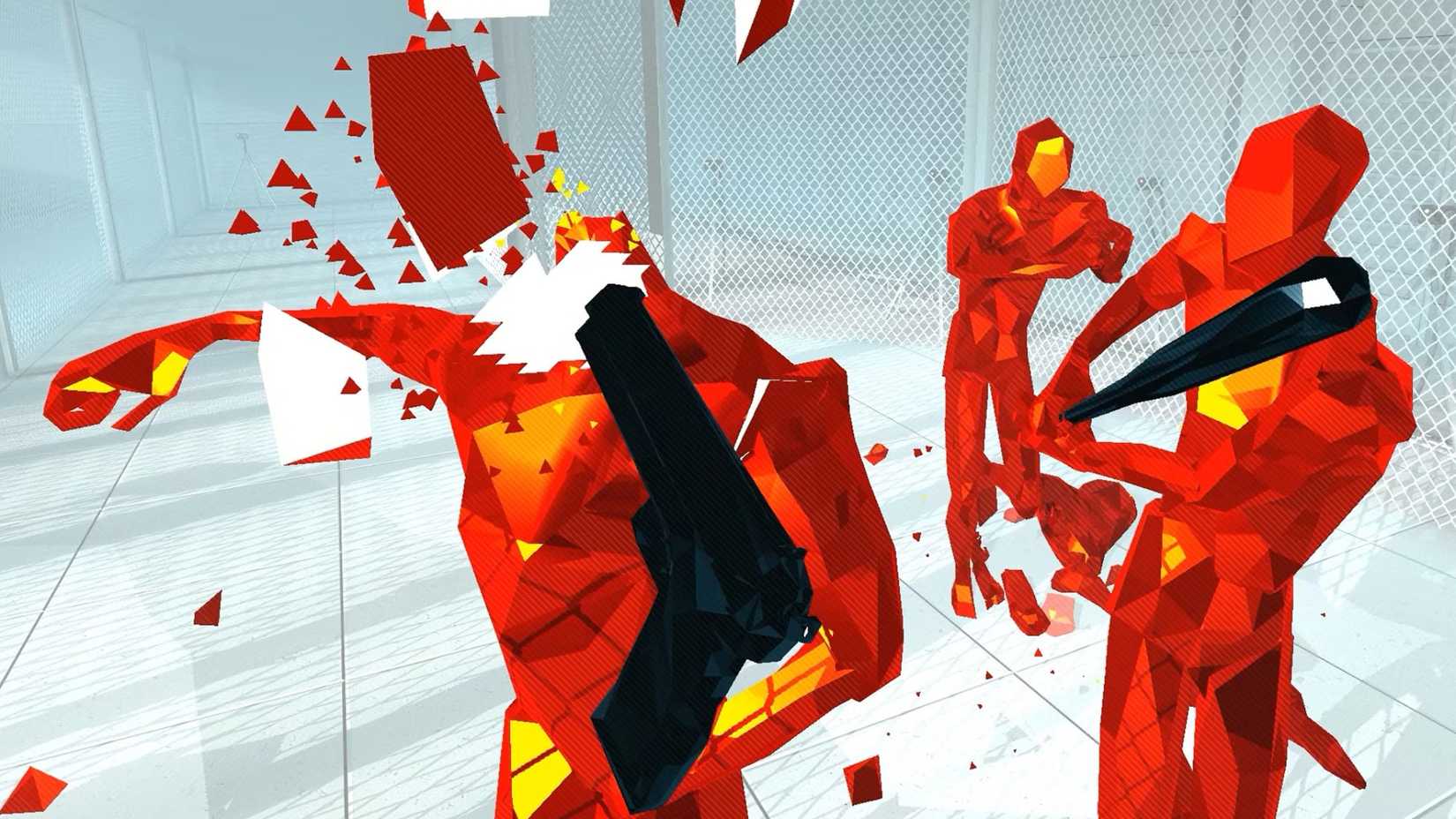
While we wait for the next generation of hardware and the long-rumored breakthrough titles, the community remains in a state of holding. We continue to look toward projects like the Gunman: Contracts mod as a beacon of what is possible, hoping that even if the "cure" for VR’s stagnation is years away, we can at least find a temporary bandage to keep the dream alive.
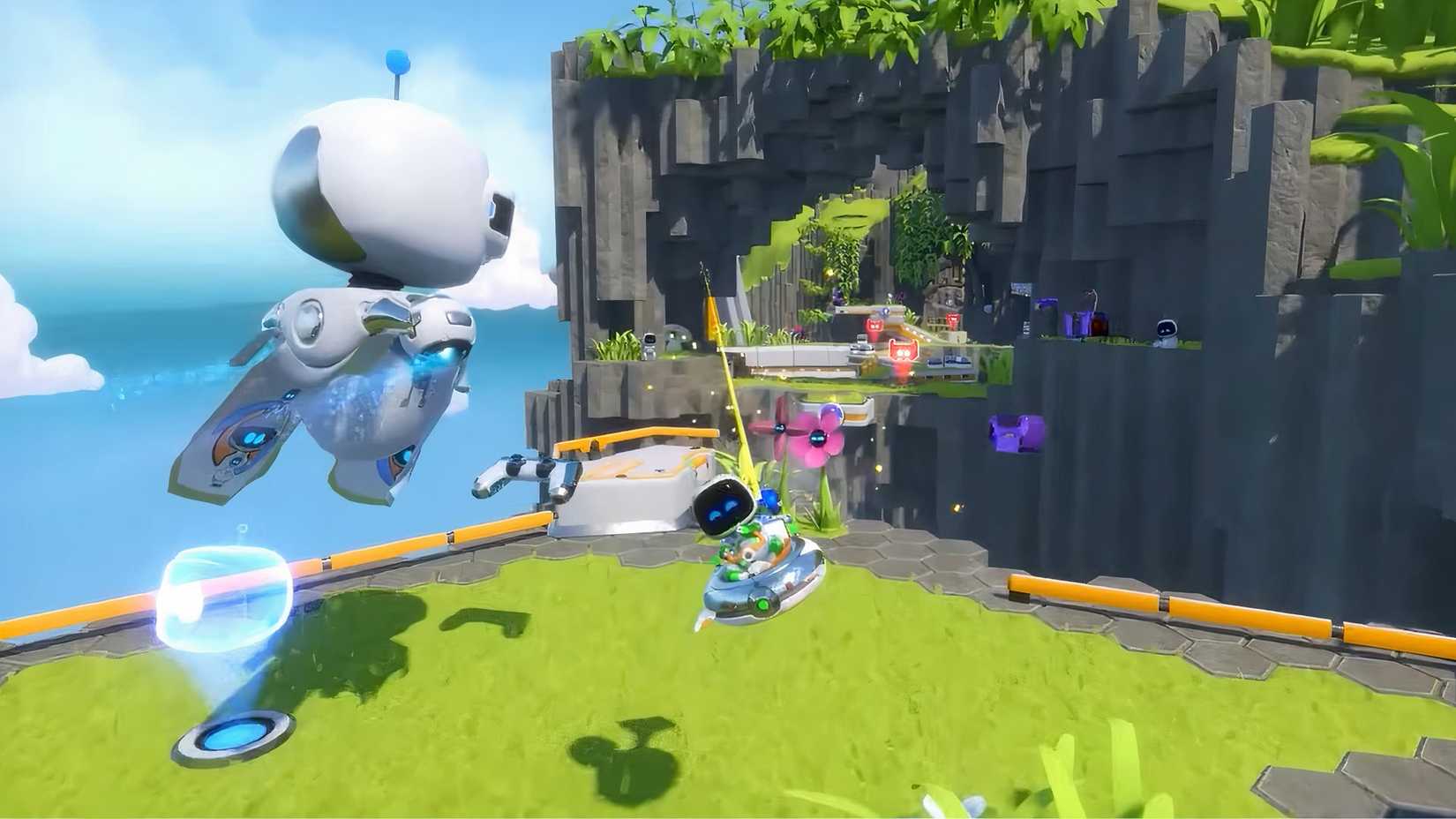
The promise of virtual reality is too compelling to abandon. It offers a level of immersion that no other medium can replicate. However, the path forward requires more than just technical specs and hardware iterations; it requires a cultural and economic shift that places the player’s experience, comfort, and hunger for deep, meaningful content at the absolute center of the design philosophy. Until then, VR remains a promising, yet perpetually unfinished, digital frontier.


 Basiran
 Muslim