Azzam Bilal Chamdy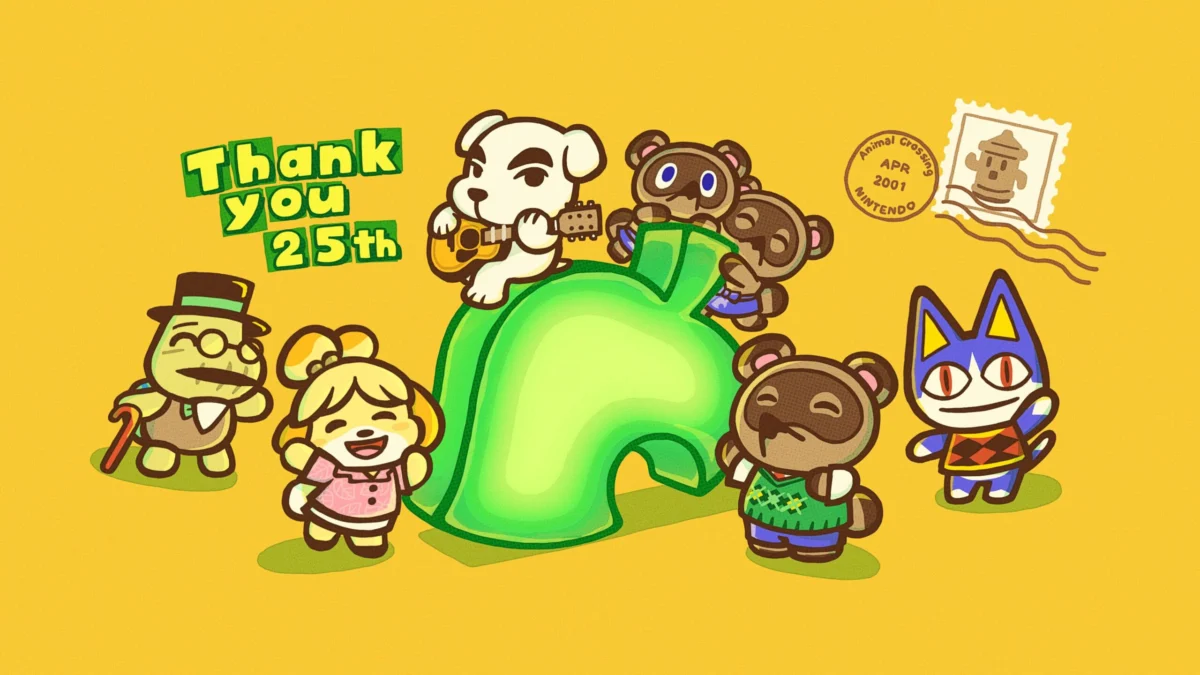
It has been nearly four years since Nintendo officially signaled the end of major content updates for Animal Crossing: New Horizons. For a title that became a global cultural phenomenon during the 2020 lockdowns, the announcement that the game had reached its "finished" state felt like a bittersweet closing of a chapter. However, in a move that has delighted the franchise’s dedicated community, Nintendo has released a surprise patch—version 3.0.2—to commemorate the 25th anniversary of the Animal Crossing series.
While the update does not introduce new island terraforming tools or long-requested NPCs, it offers a nostalgic nod to the series’ humble beginnings. The patch is available for both Nintendo Switch and Nintendo Switch 2, ensuring that the legacy of the franchise remains active across hardware generations.
The Core Update: A Token of History
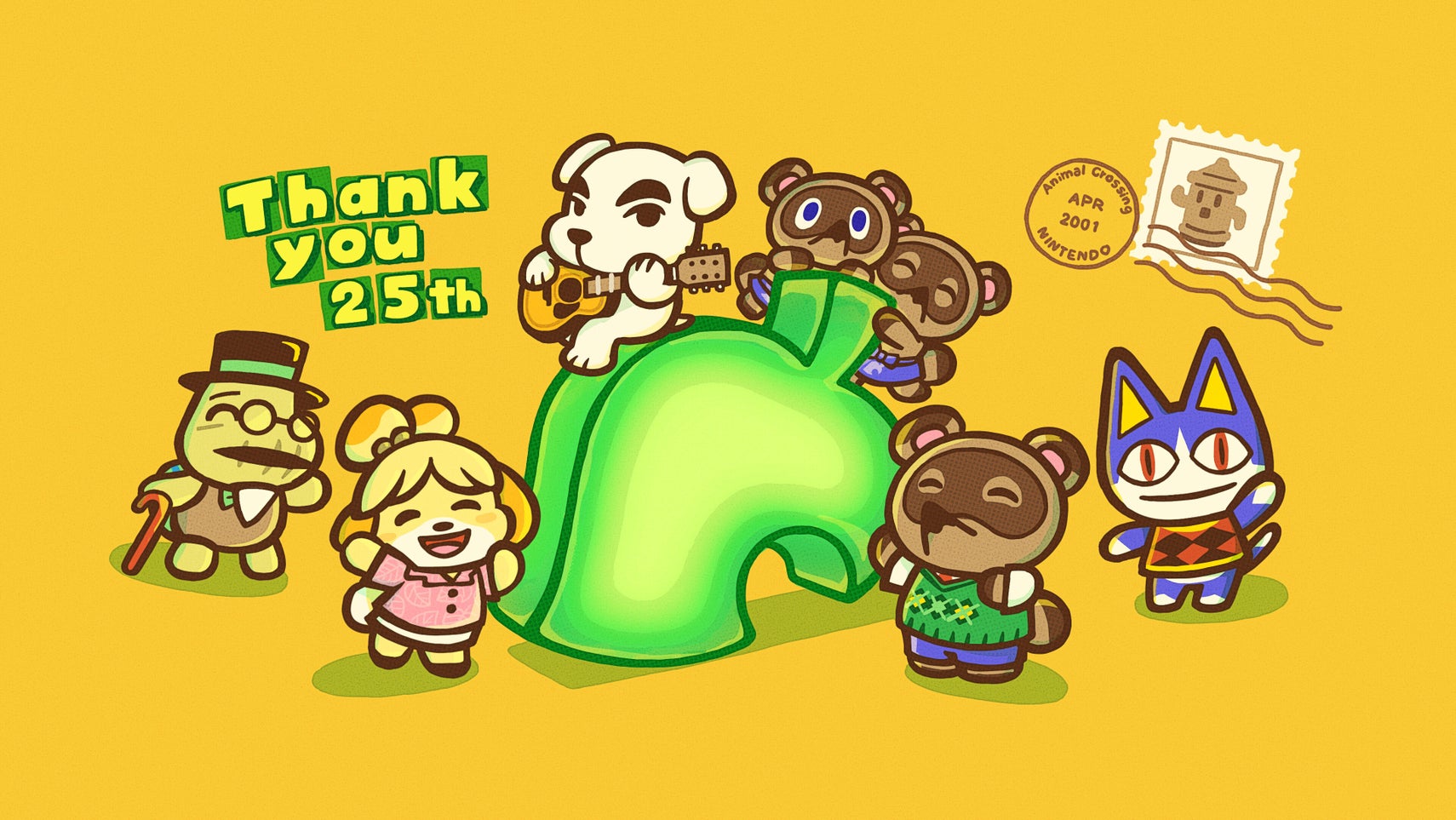
The centerpiece of this unexpected update is a new, commemorative item: the "Leaf Statue." The item is a decorative piece that, when placed, provides a subtle, warm illumination, serving as a beacon of the series’ iconic leaf logo.
Acquiring the item is a straightforward process designed to minimize friction for players, regardless of how long they have been away from their islands. Upon installing the update and launching the game, players simply need to check their in-game mailbox. Inside, they will find a special delivery from Nintendo, accompanied by a heartfelt message of gratitude to the community for their support over the last two decades. The mail is marked with an authentic Nintendo N64 stamp, a deliberate aesthetic choice that anchors the item in the series’ roots.
In addition to the statue, players can display a decorative version of the original Japanese package art for the very first Animal Crossing title. These additions are purely cosmetic, yet they carry significant weight for long-term fans who remember the transition from the N64 to the GameCube.
A Chronology of a Cozy Empire
To understand why a simple "Leaf Statue" is causing such a stir, one must look at the timeline of the Animal Crossing franchise. The series did not begin as the global powerhouse it is today.
The N64 Origins (2001)
On April 14, 2001, Nintendo released Dōbutsu no Mori (Animal Forest) exclusively for the Nintendo 64 in Japan. It was an experimental title, blending clock-based simulation with social interaction. The hardware limitations of the N64 meant the game relied on the internal system clock and an expansion pack for saving, creating a uniquely tethered experience that felt alive even when the player was away from the console.
The GameCube Expansion (2001-2002)
Later that same year, in December 2001, Nintendo released Dōbutsu no Mori+ for the Nintendo GameCube. This iteration was significantly more feature-rich, utilizing the GameCube’s internal clock and storage capabilities to expand the villager roster and social dynamics. When the game was localized for Western audiences as Animal Crossing in 2002, it introduced the world to the quirks of Tom Nook, the charm of K.K. Slider, and the gentle, debt-fueled grind that would define the series for years to come.
The Evolution of the Formula
Following the success of the original, Nintendo released sequels that gradually refined the formula:
- Wild World (DS, 2005): Introduced portable play and Wi-Fi connectivity, allowing friends to visit each other’s towns for the first time.
- City Folk (Wii, 2008): Brought the experience to the big screen with the addition of a metropolitan area.
- New Leaf (3DS, 2012): Arguably the most influential entry before New Horizons, it granted players the role of Mayor, allowing for significant town customization.
- New Horizons (Switch, 2020): The culmination of the series, shifting the setting to a deserted island and introducing robust crafting and terraforming mechanics.
Supporting Data: The Impact of New Horizons
The success of New Horizons cannot be overstated. According to Nintendo’s fiscal reports, the title has sold over 45 million units worldwide, making it one of the best-selling games in the history of the Nintendo Switch. It redefined the "cozy game" genre, becoming a safe harbor for millions of players during the COVID-19 pandemic.
The decision to release a patch in 2026—years after the game’s peak—speaks to the "evergreen" nature of the title. Unlike competitive shooters or seasonal live-service games that require constant content updates to remain relevant, Animal Crossing functions as a digital third space. Nintendo’s decision to maintain the game, even with minor patches, acknowledges that players continue to return to their islands to relax and socialize.
Official Responses and Technical Notes
While Nintendo has not issued a major press release regarding the future of the franchise, the patch notes for version 3.0.2 are available via their official support website. Beyond the anniversary items, the patch includes a series of minor, under-the-hood stability fixes.
These technical adjustments, while not listed in detail, are often necessary to ensure compatibility with newer console firmware and to resolve legacy bugs that have persisted since the 2.0 update. For a game of this complexity—which involves thousands of item interactions and complex time-tracking—maintaining the underlying code is a significant logistical effort for the development team at Nintendo EPD.
Implications: Is This the End, or a New Beginning?
The release of this patch raises an intriguing question: why bother updating a "finished" game?

Sustaining the Ecosystem
First, it signals that Nintendo views Animal Crossing as a pillar of its brand, akin to Mario or Zelda. By providing small, periodic acknowledgments of the game’s history, Nintendo keeps the brand top-of-mind for consumers. It is a low-cost, high-engagement strategy that rewards the player base without requiring the massive development cycles associated with a full content expansion.
Technical Parity
The inclusion of the Nintendo Switch 2 in the patch notes is perhaps the most significant implication. As Nintendo prepares to transition its user base to next-generation hardware, ensuring that legacy titles like New Horizons function perfectly—and perhaps even receive minor optimizations—is essential for maintaining customer trust and library longevity.
The "Evergreen" Strategy
For the gaming industry at large, Animal Crossing serves as a case study in how to handle "finished" games. Instead of forcing players to migrate to a new title every few years, Nintendo has fostered a community that finds value in the existing product. The anniversary patch is a "thank you" to that community, reinforcing the idea that the island you built in 2020 is still a place that matters to the developer.
Conclusion
The addition of the Leaf Statue is more than just a piece of digital furniture; it is a symbol of a quarter-century of innovation in social simulation gaming. While the Animal Crossing series has evolved from a niche experiment on the Nintendo 64 to a global phenomenon on the Switch, the core ethos remains the same: a quiet, patient, and personalized experience that grows with the player.
As we look toward the future of the franchise, this small update serves as a comforting reminder that even when a game is deemed "complete," the relationship between the developer and the community continues. For now, players can head to their mailboxes, claim their commemorative statue, and place it on their island—a glowing monument to 25 years of memories, debts, and neighbors.


 Asro
Asro
 Muslim