Suro Senen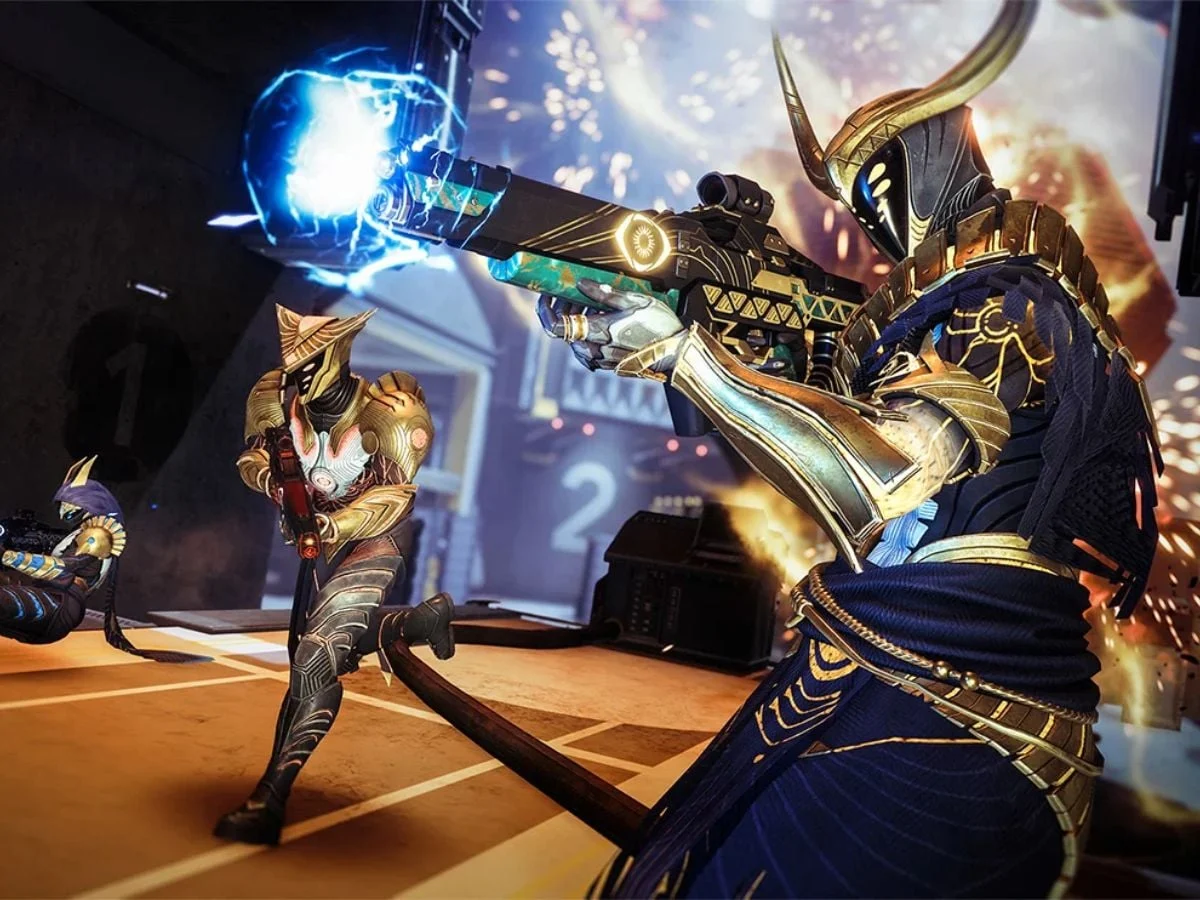
The legendary halls of Bungie, once heralded as the pinnacle of first-person shooter development, are currently shrouded in a somber atmosphere. In a move that has sent shockwaves through the gaming industry, the PlayStation-owned studio has announced a significant reduction in its workforce. This latest wave of layoffs marks a painful milestone for the developer of Halo and Destiny, signaling a forced pivot as the studio struggles to reconcile its past successes with an increasingly volatile market.
The Core Facts: A Studio in Transition
The announcement confirms that Bungie is undergoing a "major restructuring," a corporate euphemism that, in this instance, translates to the departure of a substantial portion of its staff. While official numbers were withheld from the public, industry insiders and reports suggest that between 40% and 55% of the studio’s total headcount has been impacted. This represents hundreds of developers, artists, engineers, and support staff being let go.
The primary catalyst for this downsizing is the conclusion of active, large-scale development on Destiny 2. After years of being the studio’s primary revenue engine, Destiny 2 has reached the end of its intended content lifecycle. With no plans for a Destiny 3 on the immediate horizon, Bungie leadership admitted that the studio’s current operational size was no longer sustainable.
Chronology of a Slow Decline
To understand how a powerhouse studio reached this point, one must look at the timeline of the last few years.

- July 2022: Sony Interactive Entertainment completes its $3.6 billion acquisition of Bungie. The deal was framed as a marriage of equals, with Bungie remaining an independent subsidiary intended to provide "live service" expertise to PlayStation’s wider portfolio.
- Late 2023: The first significant round of layoffs hits the studio. Following the underperformance of the Destiny 2: Lightfall expansion, Bungie began to show cracks, resulting in the termination of approximately 100 employees.
- Early-to-Mid 2024: Destiny 2 sees a fluctuation in player engagement. Despite a brief spike in interest following the The Final Shape expansion, the studio struggled to maintain a consistent player base.
- August 2024: The "Final Content Update" for Destiny 2 is deployed, effectively sunsetting the game as a major development priority.
- Present Day: The studio confirms a massive "reduction in force," effectively dismantling teams that had been working on the franchise for over a decade.
Supporting Data and Financial Context
The financial pressure on Bungie has been mounting since the Sony acquisition. While the $3.6 billion price tag was meant to secure the future of the Destiny franchise and fund new IPs, the reality of the live-service model has proven harsher than anticipated.
Bungie’s reliance on Destiny 2 as a "forever game" created a dependency that proved fragile. When player sentiment turned—driven by complaints regarding content quality and monetization—the revenue stream faltered. Furthermore, internal reports indicate that efforts to pivot staff toward Marathon, the studio’s upcoming PvPvE extraction shooter, were hindered by the fact that many developers were left without clear directives following the completion of Destiny 2’s final chapters.
Industry analysts point out that the "games-as-a-service" (GaaS) model is currently experiencing a period of intense contraction. With players increasingly moving toward established giants or shorter, high-fidelity single-player experiences, mid-to-large-scale live service titles are finding it harder to justify their massive overheads. Bungie, with a studio size that ballooned to over 1,000 employees at its peak, became a victim of its own expansion.
Official Responses from Leadership
The tone from Bungie’s leadership has been one of remorse, yet it remains firmly rooted in the necessity of corporate survival. In a statement circulated to staff and the public, the studio’s executives addressed the elephant in the room:

"With great sadness, we are announcing a reduction in force as we reorganize Bungie. As the leaders of Bungie, past and present, we recognize Destiny 2 fell short of expectations these past several years. Following our final content update to Destiny 2, and with our future projects still in early incubation, we unfortunately could not continue operating at our previous size."
The statement further acknowledged the human cost, noting that the decision has a "profound impact on the people affected, their families, friends, and teammates." However, when pressed for details regarding the studio’s future, leadership was notably vague, stating that while they have plans, "today is not that day" to discuss them.
The Future: A Heavy Reliance on Marathon
With the Destiny era coming to a close, the fate of the studio rests almost entirely on the shoulders of Marathon. This revival of a classic Bungie franchise is intended to be the studio’s next major pillar. However, the path to launch has been fraught with difficulty.
Recent reports suggest that Marathon has underperformed in internal testing, necessitating significant pivots in its design philosophy, including the controversial introduction of a dedicated PvE mode to attract players who were initially alienated by its strictly competitive extraction shooter roots.
Beyond Marathon, the studio’s pipeline is largely empty. While Bungie has confirmed that several "new projects" are in early incubation, none have been fully greenlit or reached a state of public viability. This lack of a diversified portfolio puts the studio in a precarious position; if Marathon fails to capture the zeitgeist, the future of the studio—and its continued existence under the PlayStation umbrella—could be in jeopardy.
The Broader Implications for the Gaming Industry
The situation at Bungie is not an isolated incident; it is a microcosm of a broader crisis within the gaming sector. Major developers are currently grappling with the "post-COVID hangover," where the massive surge in digital gaming during the pandemic led to aggressive, unsustainable hiring sprees. Now, as the market cools, studios are forced to slash costs to satisfy investors.
For Bungie, the prestige of the Halo and Destiny legacy is no longer enough to insulate them from market realities. The shift from a creative-led, independent culture to a corporate-integrated subsidiary of a global conglomerate has clearly come with growing pains. The loss of veteran talent, who have been integral to the studio’s identity for decades, is perhaps the most concerning implication. As the institutional knowledge of the Destiny era leaves the building, the culture of the "new" Bungie remains an unknown.
Conclusion: A Turning Point
Bungie stands at a crossroads. The reduction in workforce is a clear admission that the model that carried them through the last decade is no longer viable. The coming months will be critical; the studio must prove that it can adapt to a changing landscape without losing the spark that once made it the industry leader.

For the employees who remain, the mission is clear: deliver Marathon and hope that the "early incubation" projects waiting in the wings are enough to sustain a smaller, leaner, and more efficient Bungie. Whether this restructuring will lead to a renaissance for the studio or a slow fade into irrelevance remains the central question on the minds of gamers worldwide. For now, the gaming community watches, waits, and hopes that the studio which defined the modern shooter can find its way back to solid ground.


 Sagoh
Sagoh
 Ammar Sabilarrohman