Reynand Wu
The global phenomenon that is Solo Leveling is reaching a definitive milestone in its publishing history. Nearly seven years after its initial introduction to the Japanese market, the powerhouse franchise is set to conclude its localized print run. On June 23, 2026, the final installment, Volume 25, will hit bookshelves, marking the end of a transformative era for the manhwa-to-manga pipeline in one of the world’s most competitive literary landscapes.
While the franchise continues to thrive as a multimedia juggernaut—spanning hit anime series, digital web novels, and an ever-expanding fanbase—this specific conclusion signifies the end of a uniquely successful experiment in cross-cultural publication.
The Chronology of a Global Powerhouse
To understand the significance of this final volume, one must look at the meteoric rise of the source material. Solo Leveling began as a humble web novel written by Chugong, serialized in South Korea from July 2016 to March 2018. The story, which follows the transformation of the world’s weakest hunter, Sung Jin-woo, into an unstoppable force, captured the collective imagination of readers almost immediately.
The narrative gained even more traction when the manhwa adaptation, illustrated by the talented teams at Redice Studio, arrived in March 2018. By the time the series concluded its webtoon run in December 2021, it had already transcended its borders, becoming a staple of the "gate-hunter" genre.
Japan, a country with a deeply entrenched and highly protective manga industry, became the next frontier. When Kadokawa began its serialized print release on December 23, 2019, it faced the daunting task of converting a digital-first, South Korean-produced property into a format that would resonate with local readers. The strategy worked beyond expectations. Over the course of nearly seven years, the Japanese edition has become one of the most successful international imports in recent memory, bridging the cultural gap between Korean manhwa and Japanese manga sensibilities.
A Matter of Format: Why 25 Volumes?
One of the most frequent questions from international fans concerns the volume count. While many global versions of Solo Leveling are collected in 15 volumes, the Japanese edition concludes at 25. This discrepancy is not a matter of missing content, but rather a deliberate choice in publishing strategy.
Japanese manga traditionally utilizes smaller, more portable "tankōbon" volumes compared to the larger, full-color manhwa collections often found in South Korea or Western markets. To ensure the series felt familiar to Japanese audiences and fit seamlessly onto bookstore shelves alongside domestic hits like Jujutsu Kaisen or Demon Slayer, the publishers opted to condense the story into more compact, manageable volumes.
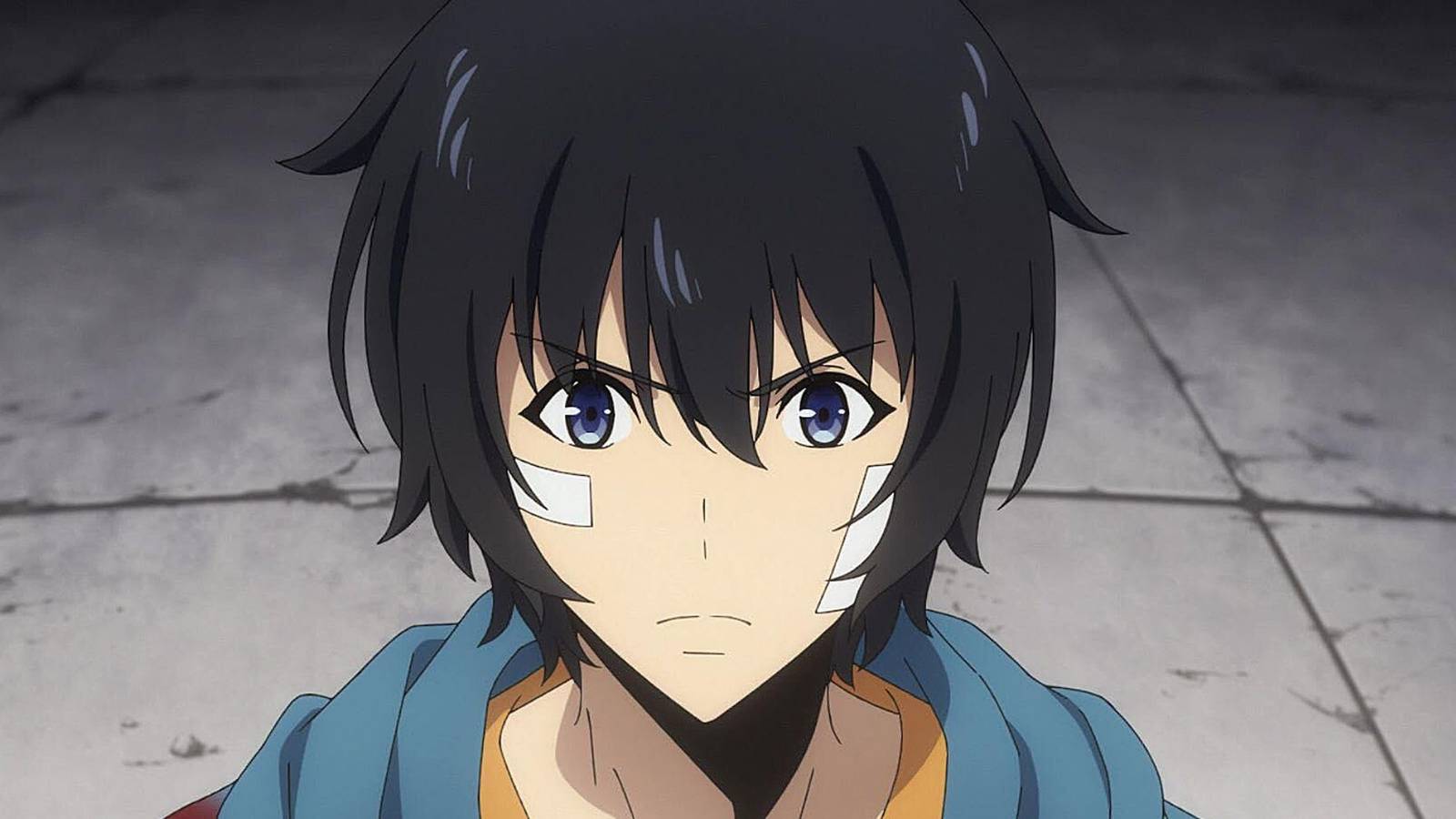
This decision, while requiring a more granular release schedule, allowed for a more consistent release cadence. It also provided fans with a more affordable entry point for each purchase, a factor that undoubtedly contributed to the series’ massive physical distribution success.
Supporting Data: By the Numbers
The success of Solo Leveling in Japan is not merely anecdotal; it is backed by impressive sales metrics. As of the latest industry reports, the Japanese edition has sold over 3.8 million physical copies. With the launch of the 25th and final volume, industry analysts expect the series to comfortably cross the 4 million mark.
These figures are particularly striking when considering the nature of the "Solo Leveling" audience. A significant portion of the fandom consumes the series digitally via platforms like Piccoma. For a series that is widely available in a convenient, digital, and often scrollable format to generate such high numbers in physical print is a testament to the collector’s value the Japanese editions have attained.
Furthermore, the "Solo Leveling" brand has demonstrated a unique "stickiness" in the market. Unlike many flash-in-the-pan hits, the print sales remained resilient even as the anime adaptation began to take over the public consciousness, proving that the physical books provided a distinct, high-quality experience that fans were eager to own.
The Role of the Anime Adaptation
It is impossible to discuss the finality of the print run without acknowledging the impact of the Solo Leveling anime. Produced by A-1 Pictures, the series has served as a massive force multiplier for the franchise. The anime brought the "Shadow Monarch" to a mainstream audience, many of whom had never picked up a manhwa before.
The synergy between the anime’s release and the final stages of the print run created a perfect feedback loop. New viewers, captivated by the high-octane animation and the dramatic progression of Sung Jin-woo, were funneled directly into bookstores to complete their collections. This cross-media strategy ensured that as the print run approached its end, the brand was at the absolute peak of its cultural relevance.
Implications for Future Manhwa Exports
The successful conclusion of the Solo Leveling print run in Japan carries significant implications for the future of the industry. For years, the Japanese manga market remained largely insular. The success of Solo Leveling proves that, with the right localization strategy—such as the adjustment of volume formats—South Korean manhwa can compete directly with domestic Japanese powerhouses.

Publishers are now looking at Solo Leveling as the blueprint for future imports. We are seeing an increase in the licensing of other popular webtoons for the Japanese market, emboldened by the data that shows Japanese readers are not only open to but hungry for high-quality storytelling regardless of its origin.
However, this also places a burden on future creators. Solo Leveling set a high bar for art quality, pacing, and character development. The "Solo Leveling effect" has essentially raised the standards for what is expected of a webtoon-to-print transition, forcing publishers to be more selective and more tactical with their marketing and distribution efforts.
Official Responses and Fan Sentiment
While there has been no official statement from the original creator, Chugong, regarding the end of the Japanese print run, the sentiment within the community is one of celebration rather than mourning. Social media forums and dedicated fan sites have spent the last month commemorating the "Shadow Monarch’s" journey from the page to the shelf.
Retailers in Tokyo have already begun preparing for the June 23 release, with many major book chains planning special displays and promotional events. For many, this final volume is the "capstone" of a personal collection that represents a shift in how they view international comics.
Looking Beyond the Final Gate
Does the end of the print run mean the end of Solo Leveling in Japan? Absolutely not. The franchise has evolved into a multimedia powerhouse that exists far beyond its paper origins. With ongoing plans for video games, potential sequels or side stories involving the expanded universe of the Hunters, and the continued success of the anime series, the "Solo Leveling" brand remains a pillar of modern pop culture.
The conclusion of the print run is merely the end of a specific chapter. It marks the transition of Solo Leveling from a "hot new import" to a "classic pillar" of the genre. As fans line up on June 23 to purchase the final volume, they are not just buying a book; they are securing a piece of history that proved, once and for all, that the gates between cultures are meant to be opened, crossed, and conquered.
As the series closes its 25-volume run, it leaves behind a legacy of record-breaking sales, a redefined market, and a generation of readers who learned that, much like Sung Jin-woo, success is found in the relentless pursuit of improvement—one page at a time.


 Jia Lissa
 Iffa Jayyana