Nila Kartika Wati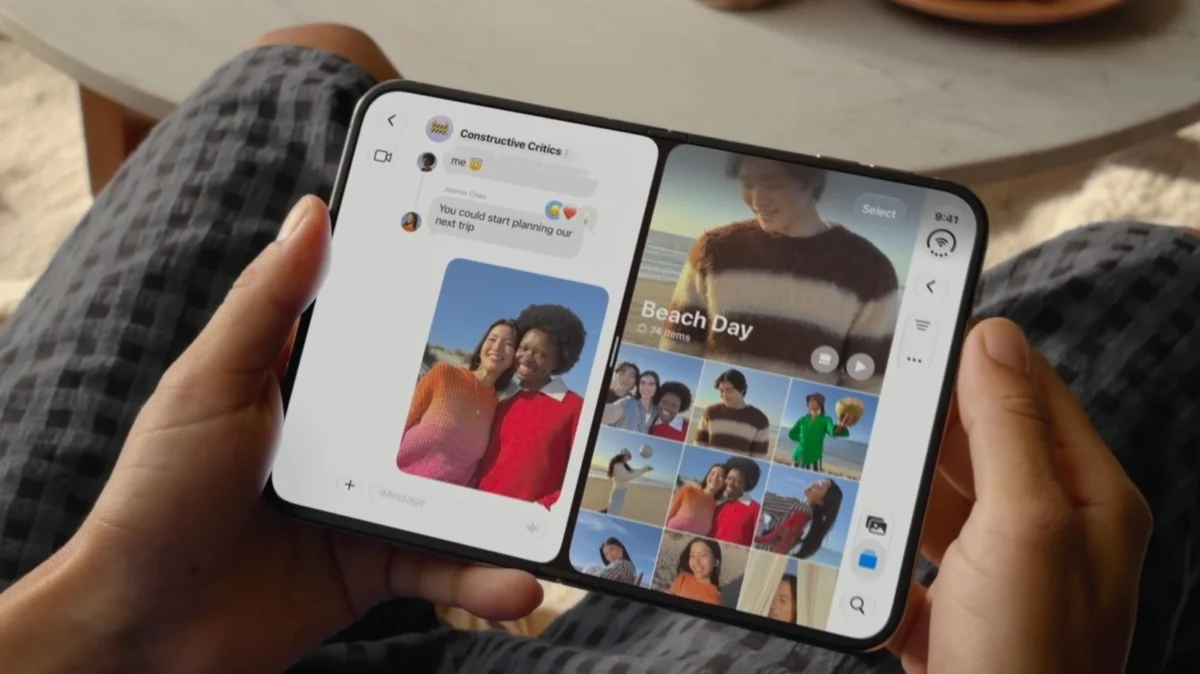
After years of speculation, patent filings, and industry whispers, the foldable era has finally arrived in Cupertino. Apple’s recent launch event, centered on the unveiling of the iPhone Duo, marks a pivotal shift in the company’s hardware strategy. As Samsung, Google, and Motorola have spent the better part of a decade refining the foldable form factor, Apple has opted for a "late but perfected" entry. In the latest episode of the Engadget Podcast, hosts Devindra Hardawar and Senior Reporter Karissa Bell dissect this monumental launch, exploring not only the iPhone Duo but also the surprising shadow cast by the new iPhone 18 Pro.
Main Facts: The Arrival of the iPhone Duo
The iPhone Duo is not merely a gimmick; it is Apple’s definitive answer to the foldable market. Featuring a hinge mechanism that the company claims is the most durable in the industry, the device unfolds to reveal a seamless, high-refresh-rate OLED panel that bridges the gap between smartphone portability and tablet-like productivity.
Unlike early iterations from competitors that suffered from noticeable screen creases and structural fragility, Apple’s engineering team appears to have prioritized hinge longevity and display continuity. The software, likely dubbed "iOS Fold," adapts fluidly to the expanded canvas, allowing for advanced multitasking that iPhone users have long requested. By entering the market now, Apple is betting that the technology has finally matured to a point where it can meet the company’s notoriously high standards for consumer-facing hardware.
Chronology: The Road to the Foldable
The journey to the iPhone Duo was far from linear. To understand the significance of this release, we must look at the timeline of the industry’s foldable evolution:
- 2019: The Dawn of Foldables. Samsung launched the Galaxy Fold, an experimental device that set the stage but faced significant durability challenges. This era was marked by skepticism, with many analysts questioning if foldables were merely a "flash in the pan."
- 2020–2022: Iterative Refinement. Competitors such as Google and various Chinese manufacturers began pushing the boundaries of hinge design and screen materials. During this time, Apple remained silent, opting to let the competition absorb the R&D costs and troubleshooting hurdles associated with early-generation flexible glass.
- 2023–2025: The Patent Phase. Apple’s R&D department filed dozens of patents related to flexible display shielding, complex multi-link hinges, and internal heat dissipation, signaling that work was well underway in the background.
- 2026: The iPhone Duo Launch. Apple officially enters the fold. The release coincides with a broader hardware refresh, signaling that the company is ready to pivot its flagship identity away from the traditional slab form factor.
Supporting Data: Hardware and Market Dynamics
The iPhone Duo arrives at a critical juncture in the smartphone market. According to recent industry data, growth in the traditional "slate" smartphone category has plateaued, with consumers holding onto devices for longer periods. Foldables, conversely, represent the fastest-growing segment in the premium mobile market.
The iPhone 18 Pro: The Hidden Powerhouse
While the Duo captures the headlines, the iPhone 18 Pro serves as the technological workhorse of the new lineup. A standout feature is the inclusion of a new variable aperture camera system. This hardware adjustment allows for physical control over the lens aperture, providing users with professional-grade depth-of-field control that was previously only possible with computational "Portrait Mode" software tricks.
However, as discussed by Hardawar and Bell, the 18 Pro faces a difficult marketing challenge. In the shadow of the Duo—a device that fundamentally changes the user experience—the incremental, albeit impressive, camera improvements of the 18 Pro risk being perceived as "maintenance upgrades" rather than revolutionary shifts.
Technical Specifications (Projected)
- Display: Dual-layer OLED with proprietary anti-crease layering.
- Hinge: Titanium-alloy structural chassis for maximum weight reduction and durability.
- Camera (Duo): Triple-lens array with LiDAR integration optimized for the expanded display.
- Battery: Dual-cell design to balance power distribution across the folding halves.
Official Responses and Industry Outlook
Apple’s messaging regarding the Duo has been remarkably consistent: "It’s not about being first; it’s about being right." By waiting, Apple has avoided the PR disasters that plagued early foldable pioneers. The company emphasizes that the iPhone Duo is designed to integrate into the existing ecosystem seamlessly—iCloud, Handoff, and Apple Intelligence all perform differently on the Duo, creating a "continuity of flow" that the company hopes will justify the premium price point.
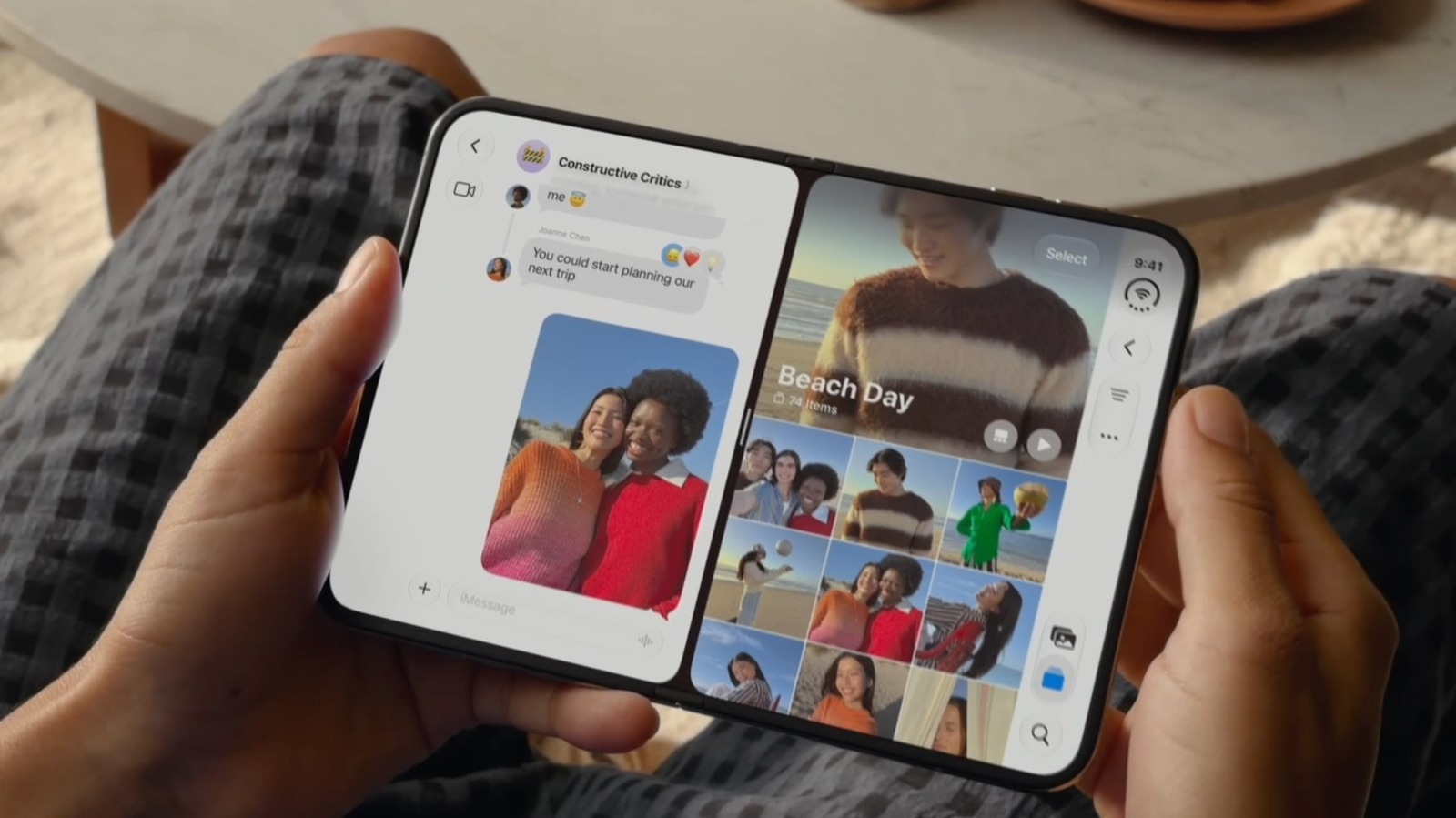
Industry analysts are divided on the immediate impact. Some argue that the high price tag will limit the Duo to power users and enthusiasts. Others contend that Apple’s entry serves as the ultimate validation of the foldable category, likely triggering a surge in consumer demand and pushing app developers to prioritize "foldable-first" UI design.
Implications: The Future of the Apple Ecosystem
The release of the iPhone Duo suggests a broader strategy for Apple. If the company successfully migrates its user base to a folding form factor, it could eventually phase out the traditional iPhone Pro Max in favor of a hybrid device that serves as a phone, a tablet, and a mobile workstation.
The Impact on App Development
For developers, the Duo introduces a new requirement: responsiveness. Apple is providing updated SDKs that allow apps to shift their layout dynamically as the phone transitions from a folded to an unfolded state. This is a massive shift for the App Store ecosystem, which has been optimized for a single, fixed screen size since 2007.
The Competitive Landscape
Samsung and Google now find themselves in a precarious position. While they have the "first-mover advantage," Apple has the "platform advantage." The tight integration between Apple’s hardware and software, coupled with the massive install base of the Apple ecosystem, means that the Duo could rapidly become the industry standard for what a foldable should be.
As noted by the Engadget team, the true test will be the "long-haul" experience. Can the hinge handle two years of daily use? Will the variable aperture of the 18 Pro eventually be integrated into the Duo in future generations? These are the questions that will define the next cycle of the smartphone wars.
Conclusion: A New Chapter
The launch of the iPhone Duo is, without question, the most significant hardware release from Apple in nearly a decade. By entering the foldable space, the company is acknowledging that the future of mobile computing is not a static slab of glass, but a dynamic, adaptable screen that conforms to the user’s needs.
Whether the iPhone Duo will achieve the same ubiquity as the original iPhone remains to be seen. However, by balancing the cutting-edge appeal of a foldable design with the trusted reliability of the Apple brand, the company has effectively reset the expectations for the entire industry. As the dust settles on the launch event, one thing is clear: the foldable revolution is no longer coming—it is here, and it is wearing the Apple logo.
For more in-depth analysis on the iPhone Duo, the intricacies of the iPhone 18 Pro’s variable aperture, and a full breakdown of the launch event, be sure to listen to the full episode of the Engadget Podcast available now on all major streaming platforms.

 Dwi Wanna
 Ali Ikhwan