

By Editorial Staff
May 20, 2026
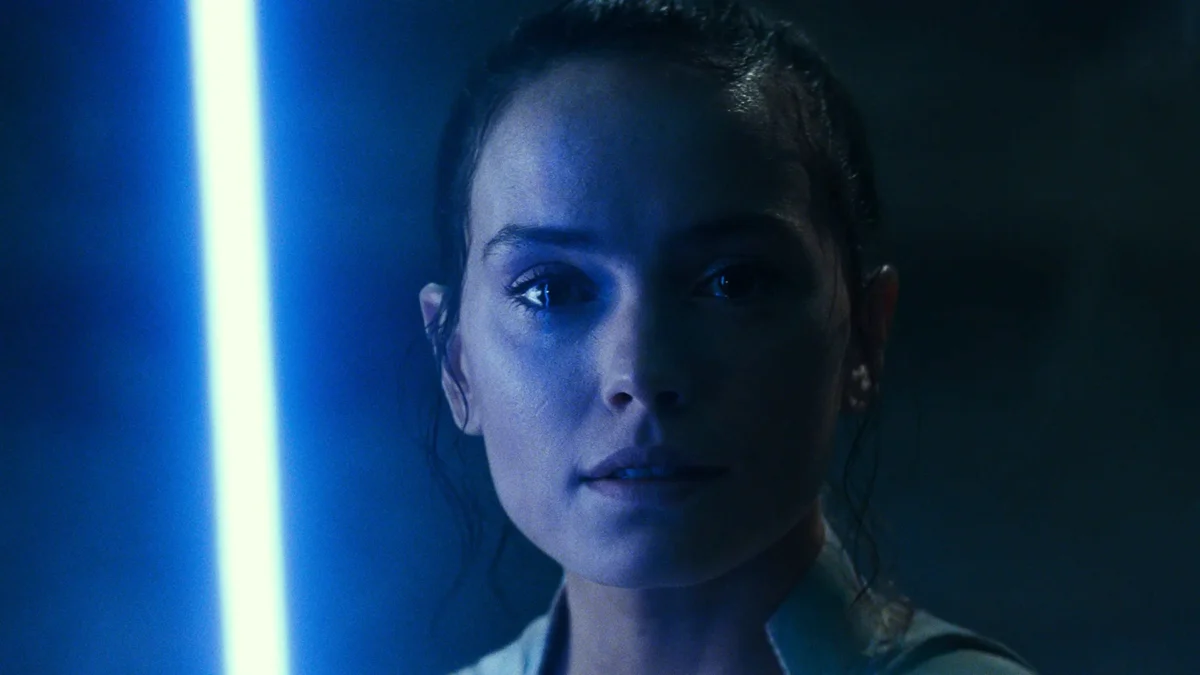
As Lucasfilm finally breaks its seven-year theatrical hiatus with the release of The Mandalorian and Grogu, the Star Wars franchise finds itself at a pivotal, perhaps existential, crossroads. For years, the studio has navigated a turbulent landscape of cancelled projects, shifting creative visions, and a fan base increasingly vocal about the direction of the galaxy far, far away. Among the most notable casualties of this period of transition is Damon Lindelof, the visionary writer behind Lost and Watchmen, who was famously attached to a Rey-centric film before being unceremoniously dismissed.
In a candid, wide-ranging appearance on The Ringer-Verse’s House of R podcast, Lindelof pulled back the curtain on the creative tension that defined his tenure at Lucasfilm—a period he characterized as a struggle between the weight of nostalgia and the necessity of artistic evolution.
The Core Conflict: Nostalgia vs. Revisionism
The project, which would have picked up the narrative threads left dangling after The Rise of Skywalker (2019), was intended to be more than a simple sequel. Lindelof described his pitch to Lucasfilm as an attempt to spark a "Protestant Reformation" within the Star Wars canon.
"They asked me, ‘What do you think a Star Wars movie should be?’ And I said, ‘Here’s what it should be,’" Lindelof recalled. "And they said, ‘Great, you’re hired.’ And then two years later, I was fired. And so I was wrong. At least through that prism."
Lindelof explained that his creative team—which included collaborators Justin Britt-Gibson and Rayna McClendon—sought to explore a meta-narrative within the film. The objective was to dramatize the internal conflict currently plaguing the franchise: the tug-of-war between the "force of nostalgia" and the "force of revision."
"What we were attempting to do was to have this conversation in the movie, which is to say there is a force of nostalgia and there is a force of revision, and they are at odds with one another," Lindelof noted. "And let’s do the Protestant Reformation inside Star Wars, and it didn’t work. The conversation that the fandom is having without winking and looking at the audience… that didn’t feel necessarily that risky."
Chronology of a Development Stall
To understand the departure of Lindelof, one must look at the broader, often stuttering timeline of Lucasfilm’s post-Skywalker era. Since 2019, the studio has seen a flurry of announcements—ranging from Patty Jenkins’ Rogue Squadron to Taika Waititi’s untitled project and Kevin Feige’s production deal—most of which have failed to make it to the cameras.
A Timeline of Post-2019 Stagnation:
- Late 2019: The Rise of Skywalker concludes the Skywalker Saga to polarizing critical and commercial reception.
- 2020–2022: Lucasfilm pivots heavily toward Disney+ television, finding massive success with The Mandalorian but struggling to define the cinematic future of the brand.
- Early 2023: Reports surface that Damon Lindelof is attached to write a script focusing on Rey (Daisy Ridley) post-Episode IX.
- Spring 2024: After two years of development, news breaks that Lindelof and his writing team have exited the project.
- May 2026: The Mandalorian and Grogu premieres, marking the first theatrical release in seven years, while Starfighter, a project starring Ryan Gosling, remains in early production.
Lindelof’s tenure was plagued by the "tanker equation"—the difficulty of maneuvering a massive, global intellectual property. "It was slow," he admitted. "Like the tone, getting it right, where it was inside of the canon, what its relationship was to episode nine. Is it starting a new trilogy? Is it like all of those things? They’re so massive. They’re so big. It’s sort of the tanker equation, which is you turn the wheel and it takes five minutes before it turns a little bit like this."
The "Center" of the Galaxy: A Crisis of Identity
One of the most profound takeaways from Lindelof’s reflections is the confusion surrounding the "center" of the Star Wars universe. During the Original Trilogy, the center was the battle between Luke, Han, and the Empire. In the Prequels, it was the tragedy of Anakin Skywalker. Even in the Sequel Trilogy, the narrative anchored itself around the return of the legacy characters and the introduction of Rey, Finn, and Poe.
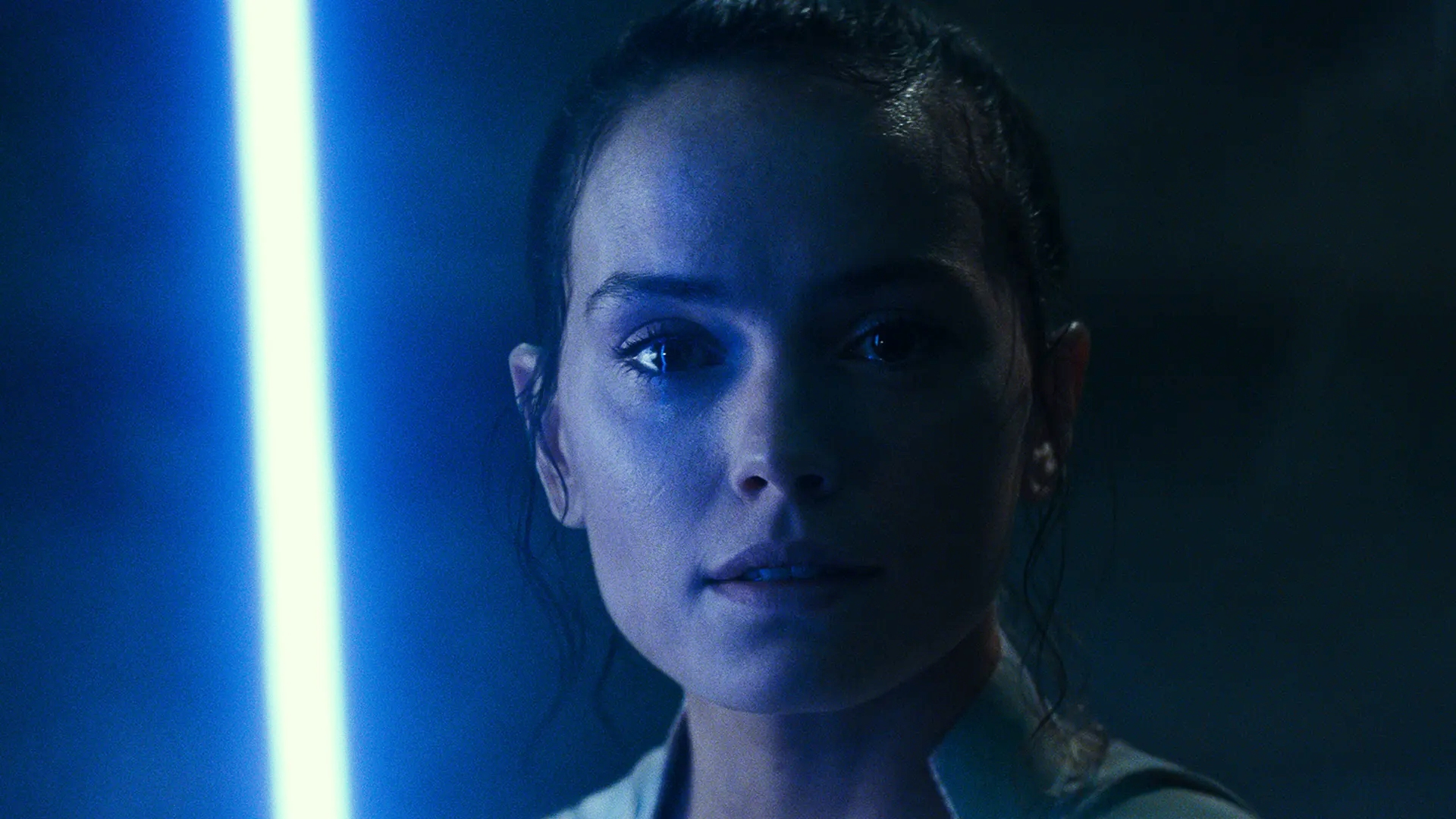
Today, however, that center has shifted. With the rise of the "Mando-verse," the franchise has drifted away from the sky-high stakes of Jedi destiny toward the gritty, localized adventures of bounty hunters and orphans.
"When Episode VII came out, we all knew what it was," Lindelof said. "It was Rey, and it was Finn, and it was Poe, and then we were migrating back in and Luke and Leia and Han and Chewy and all those guys. But we got the sense that, when this new trilogy was over, we were going to be launching with these new characters, and that was the center of Star Wars. The new question is: are Mando and Grogu the center of Star Wars now?"
This uncertainty is not just a creative hurdle; it is a financial one. Disney’s move to bring the most successful element of their television slate to the big screen suggests they are attempting to consolidate the brand around characters with proven audience loyalty rather than attempting the "revisionist" risks Lindelof proposed.
Supporting Data: Box Office and Reception
The stakes for The Mandalorian and Grogu are exceptionally high. As of its opening weekend, the film sits at a 60% approval rating on Rotten Tomatoes—a "fresh" but precarious score that highlights the divide between core franchise loyalists and casual viewers.
Disney is projecting a $160 million global box office opening. While that figure is respectable for most franchises, for a brand that once reliably commanded $1 billion global hauls, it represents a recalibration of expectations. If the film performs, it confirms that the "Mando-verse" is the path forward. If it fails, Lucasfilm may find itself back at square one, forced to reconsider the very "revisionist" ideas that Lindelof was let go for exploring.
Implications for the Future of Star Wars
The dismissal of Damon Lindelof signals a Lucasfilm that is perhaps afraid of its own shadow. By rejecting a script that sought to "re-form" the religion of Star Wars, the studio has signaled a preference for stability over disruption.
Key Implications:
- Risk Aversion: Lucasfilm is prioritizing characters and stories that have already been validated by streaming success, minimizing the chance of alienating the core fan base.
- Creative Bottlenecks: The "tanker equation" mentioned by Lindelof suggests that the development process at Lucasfilm is currently too sluggish to accommodate rapid creative shifts or daring auteur voices.
- The "Legacy" Trap: By continuing to look for a "center" that resembles the past, the studio may be limiting its ability to innovate, effectively ensuring that Star Wars remains a historical artifact rather than a living, evolving mythology.
As the industry watches the performance of The Mandalorian and Grogu, one question remains: Was Lindelof’s "Protestant Reformation" a necessary step to modernize the franchise, or would his approach have further fractured an already divided audience?
Whatever the case, the vacancy in the Star Wars creative pipeline is palpable. As Starfighter crawls toward production, the franchise is clearly in a holding pattern, waiting for a signal that its audience is ready for something new—even if that "something new" is something Lucasfilm is not yet ready to greenlight.
For now, the galaxy remains caught between what it was and what it is afraid to become.










No comments yet. Be the first to join the conversation!