


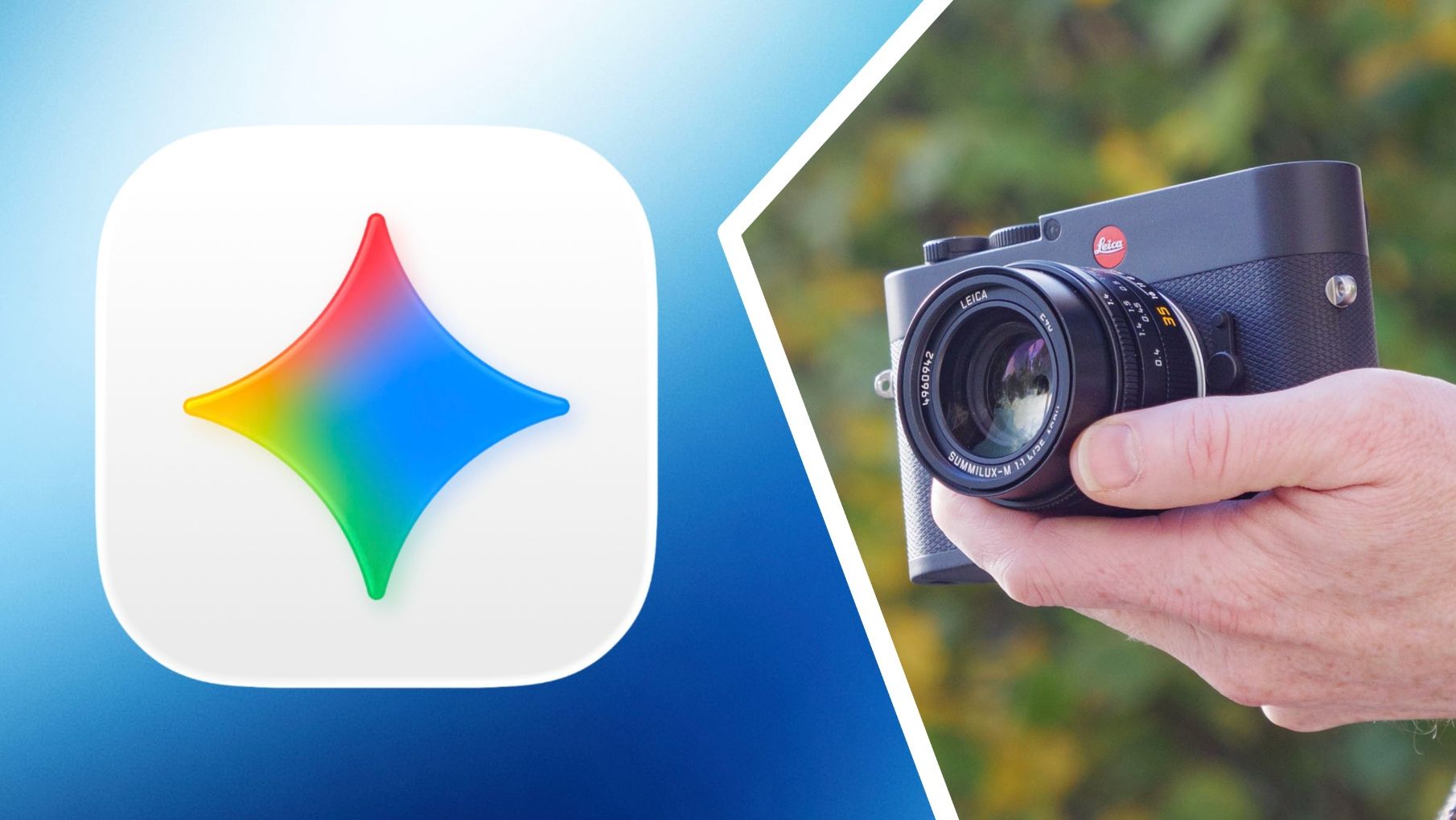
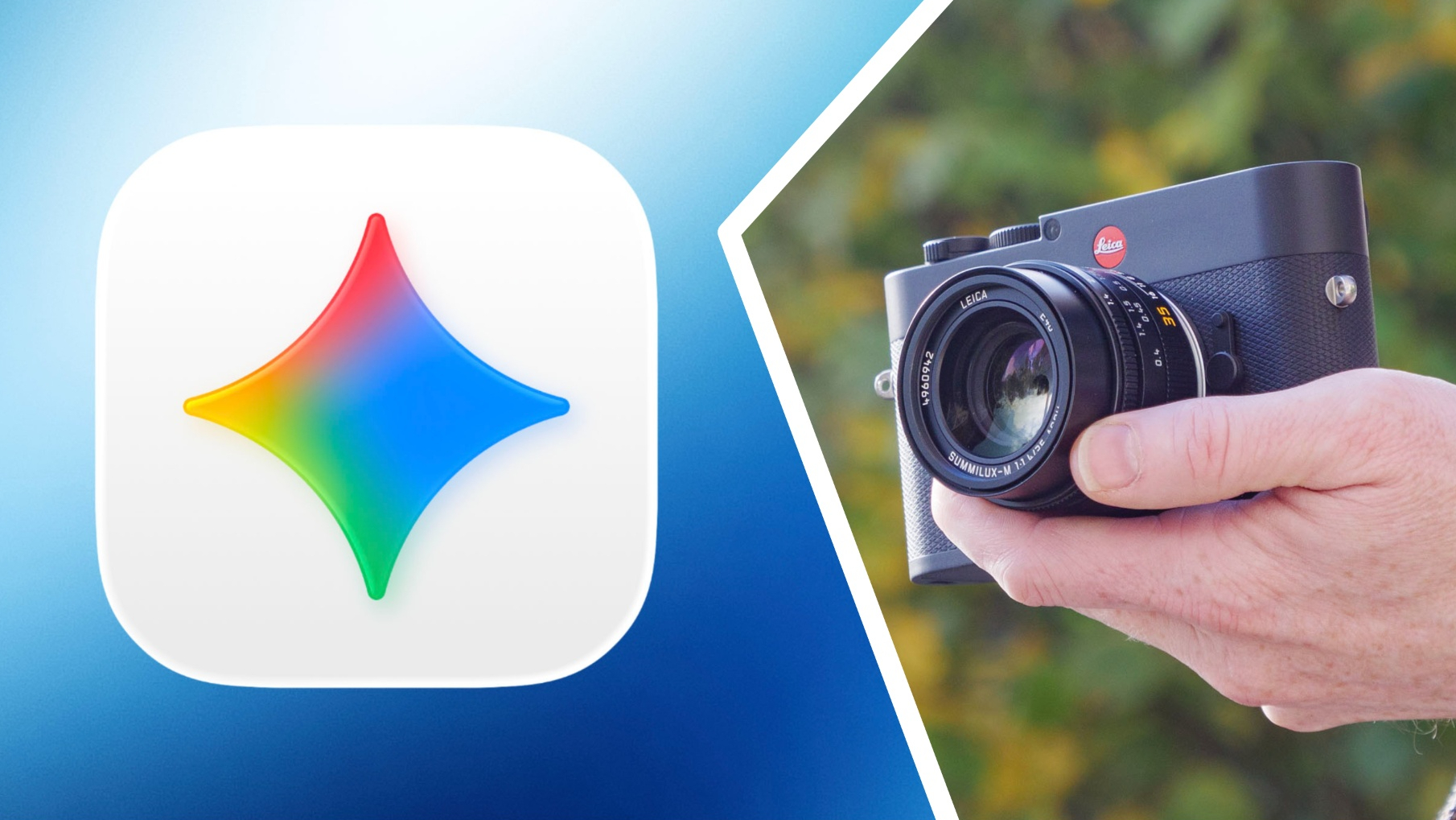
In the rapidly evolving landscape of mobile photography, a fascinating tension has emerged. On one side stands the storied, 157-year-old heritage of Leica, a German titan synonymous with the pursuit of optical perfection and the "decisive moment." On the other lies the frantic, generative promise of Google’s Gemini AI—a technology capable of dreaming up entire worlds from a simple text prompt.
This collision of philosophies was on full display this week in Vienna at the launch of the Xiaomi 17T Pro. The device serves as a physical manifestation of a modern tech paradox: it is engineered to be a professional-grade imaging tool tuned by Leica, yet it is simultaneously loaded with Google’s latest generative AI suite, including the powerful Gemini Omni. As the industry grapples with the definition of "photography" in a post-truth digital era, the Xiaomi 17T Pro asks a fundamental question: Can traditional craftsmanship and algorithmic fabrication coexist in the same chassis?
The Vienna Debut: A New Paradigm for Mobile Imaging
The Xiaomi 17T Pro launch was more than just a hardware showcase; it was a carefully choreographed statement on the future of mobile content creation. Throughout the event, Xiaomi positioned the handset as the ultimate hybrid device. It features a sophisticated camera system that continues the collaboration between Xiaomi and Leica, which officially began in 2022.
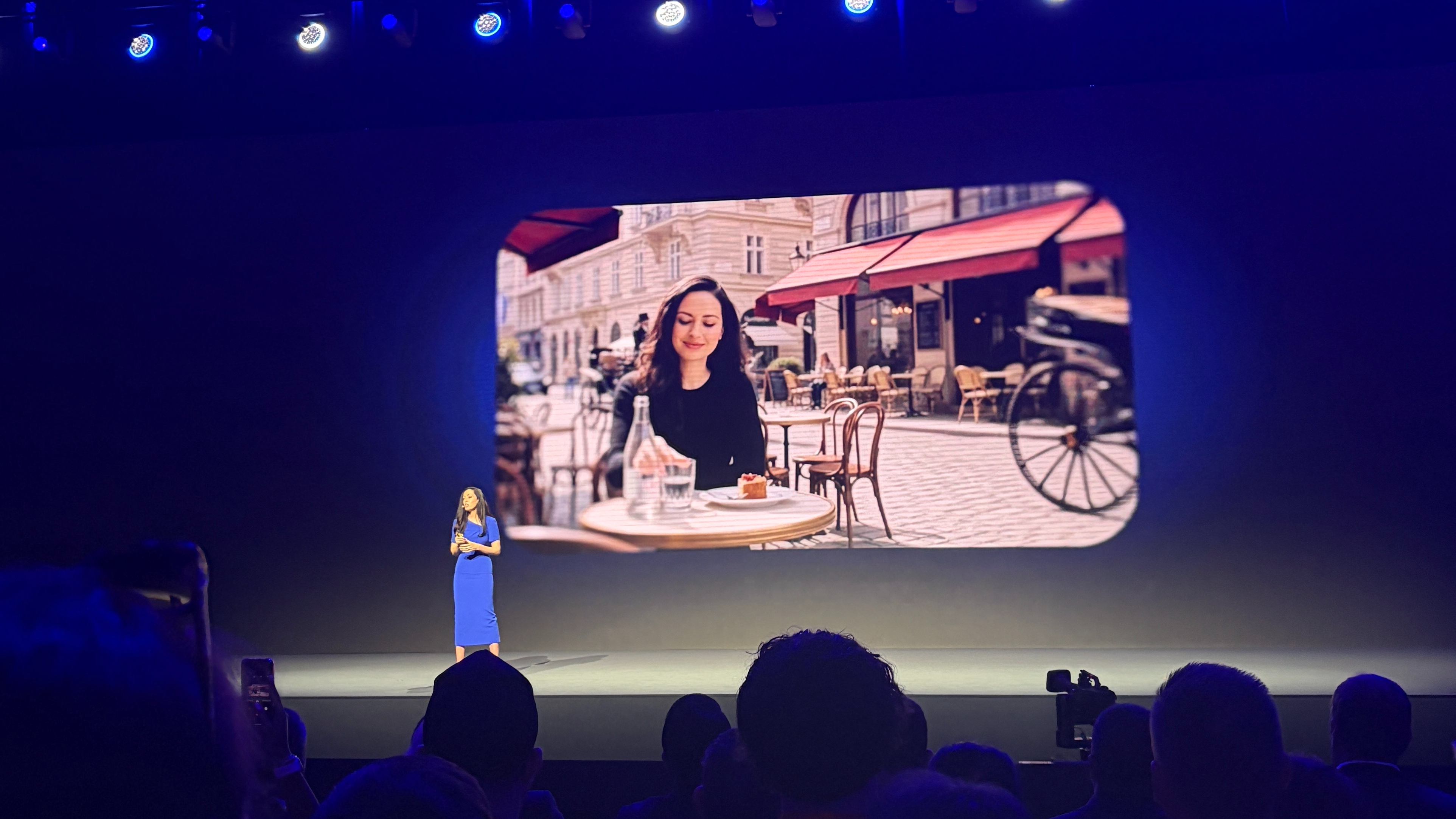
However, the spotlight was stolen—or at least shared—by Google’s Erin Pettigrew, the Director of Product Experience at Gemini. During the keynote, Pettigrew demonstrated the capabilities of Gemini Omni, a multimodal AI tool that can interpret, process, and generate complex media in real-time. In a move that underscored the divide between "capturing" and "creating," Pettigrew used the phone to generate a polished, postcard-style video of herself in a Viennese café.
The demonstration was technically impressive, yet it highlighted the central friction point: the video was not a recording of reality; it was an AI-assisted construct. For a brand like Leica, which has built its reputation on the glass-and-light physics of reality, the inclusion of such features on a "Leica-tuned" device represents a delicate diplomatic balancing act.
Chronology: From Optical Purity to Generative Synthesis
To understand how we arrived at this crossroad, one must look at the recent trajectory of mobile photography.
- 2022: Xiaomi and Leica announce their strategic partnership, focusing on color science, lens quality, and the "Leica Look"—a specific aesthetic profile designed to mimic the depth and character of traditional film photography.
- 2024: The industry-wide "AI Gold Rush" begins. Manufacturers start integrating neural processing units (NPUs) into chipsets, allowing for computational photography that goes beyond simple noise reduction to active scene manipulation.
- May 2026 (Google I/O): Google unveils the next iteration of Gemini Omni, focusing on seamless text-to-video integration and advanced generative capabilities.
- Current Week: The Xiaomi 17T Pro launches in Vienna, marking the first high-profile integration of "Leica-tuned" optics alongside aggressive generative AI tools like Gemini Omni, forcing a public debate on the future of the image.
Official Perspectives: The Diplomatic Stance of Leica
During a post-launch roundtable, Leica representatives were understandably cautious when pressed on the implications of generative AI. Marius Eschweiler, VP of Business Unit Mobile at Leica, offered a nuanced defense of the brand’s position, characterizing the situation as a matter of distinct "use cases."
"The philosophy of Leica is always to create authentic images; real images that really replicate reality," Eschweiler stated. "I think there is a difference between customers who are choosing a smartphone for taking images [and traditional photographers]. We are offering smartphone users a good Leica experience with different Leica modes that are focused on authenticity."
Eschweiler’s tone was conciliatory. He acknowledged that while generative AI—like the postcard video demonstrated by Google—has a place in the modern smartphone experience, it serves a different function than the high-fidelity photography for which Leica is famous. "Whether you want to take a serious image or create something with generative AI—I think that’s a different use case. Most likely, you won’t see it on a Leica M camera, but I think on a Xiaomi 17T series, it makes perfect sense."
This distinction—separating the instrument (the camera) from the utility (the smartphone)—is the current industry consensus. By framing AI as a "feature" rather than the "foundation," brands hope to protect the prestige of their optical partnerships while meeting consumer demand for high-end AI software.
Authenticity in an Age of Alteration
The most proactive response to the rise of synthetic media has been the implementation of "Content Credentials." Pablo Acevedo Noda, Leica’s Head of Development and Engineering for Mobile, emphasized that the company is taking concrete steps to ensure that consumers can verify the provenance of their photos.
"Adding Content Credentials to photos taken with the phone prevents somebody from tampering with the photo afterwards—or at least, you’ll know that it has been tampered with," Noda explained. This metadata-driven approach acts as a digital seal, ensuring that if a user captures an image using the phone’s optical hardware, that reality remains verifiable.
The challenge, as Noda admitted, is when the line between "enhanced" and "created" becomes blurred. "Sometimes, it will be obvious if you add something with AI, but sometimes it will not be. The metadata will have that information there. That’s the important part."
Google has mirrored this sentiment, announcing significant updates to its "Verify AI" tool at I/O 2026. By attempting to bake digital signatures into AI-generated content, the tech giants are acknowledging a crisis of trust. However, critics remain skeptical, questioning whether an industry that profits from the ubiquity of AI can effectively police the line between truth and fiction.
The Broader Implications: Where Does Photography Go?
The debate over the Xiaomi 17T Pro is symptomatic of a larger shift in the mobile industry. For years, companies like Samsung, Honor, and Qualcomm have navigated the "real vs. fake" debate with varying degrees of transparency.
Samsung, in the early days of Galaxy AI, famously asserted that "there is no such thing as a real picture," a stance that prioritized the aesthetic output over the process of capture. Conversely, companies like Leica are fighting to retain the sanctity of the "photograph" as a document of light.
The implications of this shift are profound:
- Devaluation of the Raw Image: As generative AI tools become more sophisticated, the raw capture becomes just one data point in a broader editing process.
- The Rise of Verification Services: We are entering an era where a "verified" badge on a photo may become as valuable as the photo’s composition itself.
- Fragmented Consumer Expectations: The market is splitting. One segment demands tools that offer total creative control and AI manipulation, while a smaller, but vocal, segment is retreating to traditional, non-connected analog cameras.
Conclusion: The Persistence of Craft
As we move forward, the Xiaomi 17T Pro serves as a microcosm of our technological future. It is a device that embraces the "anything is possible" ethos of modern AI while attempting to maintain the "everything is real" ethos of traditional optics.
My suspicion, based on conversations with industry leaders and the current trajectory of software development, is that we are witnessing the birth of a new, tiered approach to digital media. There will be the "Leica experience"—a curated, authentic capture of the world—and there will be the "Gemini experience"—a generative, imaginative re-rendering of the world.
Leica’s leadership is playing a long game. By maintaining their traditional M-series cameras as a sanctuary for purists, they are insulated from the inevitable backlash against AI-driven "fake" imagery. For now, the diplomacy of the smartphone launch event holds firm. The phone remains a tool for both, but the distinction between the two is becoming the most important aspect of the hardware itself.

For those looking to explore the capabilities of this new hybrid, the Xiaomi 17T Pro offers a compelling, if occasionally confusing, glimpse into what the future of our pocket-sized cameras looks like. Whether this convergence will ultimately dilute the Leica brand or redefine what we consider to be a "real" photograph remains the defining question of the decade.












No comments yet. Be the first to join the conversation!