Azzam Bilal Chamdy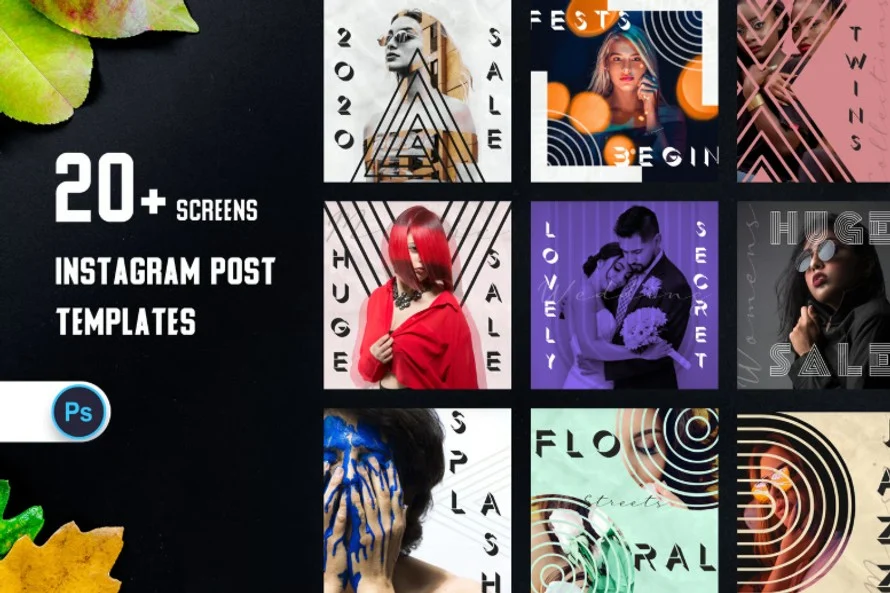
In the rapidly evolving landscape of digital marketing, the demand for high-quality, professional-grade visual content has reached an all-time high. For small business owners, social media managers, and independent creators, the pressure to maintain a constant, aesthetically pleasing presence across multiple platforms can be overwhelming. Creating social media posts from scratch is a labor-intensive process that consumes valuable hours—hours that could be better spent on strategy, customer service, or product development.

The solution lies in the strategic use of pre-designed social media graphics. These ready-to-use templates provide a bridge between complex design software and the urgent need for consistent, high-impact digital content.

The Evolution of Social Media Design: From Scratch to Scale
The history of social media design has shifted dramatically over the last decade. In the early days of Facebook and Instagram, users relied on rudimentary, built-in tools or basic photo editors to create content. As the platforms grew, the "professional standard" for imagery became increasingly sophisticated.

A Chronology of Design Accessibility
- 2010–2014: The DIY Era. Brands and individuals struggled with inconsistent dimensions and low-resolution graphics. Design was often an afterthought, and the "cut-off" image was a common occurrence.
- 2015–2019: The Rise of Specialized Software. Platforms like Canva and Adobe Spark emerged, democratizing design. Users began to understand the importance of brand guidelines, color palettes, and typography.
- 2020–2024: The Template Revolution. With the saturation of content, algorithms began favoring high-quality visuals. The market for professional, downloadable templates exploded, allowing creators to batch-produce content without sacrificing quality.
- 2025–Present: The AI Integration. We are currently in the era of AI-assisted design. Modern templates are no longer static; they are intelligent, adaptable structures that can be adjusted via AI-driven prompts and automated resizing tools.
Supporting Data: Why Consistency Drives Engagement
The data consistently shows that brands with a unified visual identity see higher engagement rates. According to recent digital marketing studies, consistent color usage and font pairings can increase brand recognition by up to 80%. When a user scrolls through their Instagram feed, they should be able to identify a brand’s post within milliseconds.

The Mathematics of Dimensions
Platform-specific sizing remains a critical barrier for many. A "one-size-fits-all" approach to graphics is a recipe for failure:

- Instagram Feed: The gold standard remains 1080×1080 pixels (or 1080×1350 for portrait).
- Facebook: Requires a more horizontal or square approach to ensure text legibility on desktop and mobile.
- Pinterest: Favors vertical, "tall" imagery (typically 1000×1500 pixels) to maximize screen real estate for search-based browsing.
By using pre-sized templates, creators bypass the "guesswork" phase. Having a library of 10 to 15 modular templates allows a creator to batch-produce an entire month of content in a single afternoon. This efficiency is not just about saving time; it is about maintaining a steady pulse of communication with an audience.

Expert Perspectives: The Role of Design in Conversion
Industry experts argue that templates are not a "shortcut" that diminishes creativity, but rather a foundation that enables it. "When you remove the technical burden of setting up grids, margins, and bleed areas, you free up the brain to focus on the message," says one lead designer in the digital marketing space.

Many professionals utilize "Booster Kits"—comprehensive packages that include hundreds of assets—to maintain a cohesive aesthetic across diverse platforms. Whether it is a fashion brand looking to showcase a new collection or a local business announcing a seasonal sale, the template acts as the visual backbone. By replacing placeholders with custom photography and adjusting text to fit a specific campaign, the user retains their unique voice while benefiting from professional layout structures.

Implications: The Democratization of Professional Aesthetics
The widespread availability of high-end design assets, such as those found on platforms like Envato or curated graphic design marketplaces, has significant implications for the market:

- Lowering the Barrier to Entry: Small businesses can now compete with global brands in terms of visual polish. You no longer need a dedicated in-house design team to produce "agency-quality" content.
- Increased Content Velocity: In the "attention economy," frequency is king. Templates allow brands to capitalize on trends in real-time, moving from concept to publication in minutes.
- Emphasis on Strategic Storytelling: When the "how" of design is automated, the "why" becomes the primary focus. Creators are forced to consider the narrative impact of their posts, leading to more meaningful interactions with their followers.
Top-Tier Resources for Modern Creators
The modern creator needs more than just a single image; they need an ecosystem. The following types of assets are currently defining the standard:

- Multipurpose Packs: These are the "Swiss Army knives" of the design world. They include variations for stories, feed posts, and banners, ensuring that if you post a campaign on Instagram, the matching assets for your Facebook page or blog are already prepared.
- Minimalist & Modern Layouts: Trends are currently shifting away from cluttered, text-heavy designs toward "clean" aesthetics—lots of negative space, elegant typography, and high-contrast photography.
- Film-Inspired & Texture-Heavy Frames: To combat the "digital" feel of modern apps, many creators are turning to templates that mimic analog film frames, Polaroid textures, or paper grains to add a human touch to their feed.
Conclusion: Making the Shift to Template-Driven Content
The transition to using templates is more than a workflow change; it is a strategic investment in the longevity of your brand. As social media platforms continue to prioritize high-quality, visually engaging content, the ability to produce that content efficiently will separate the successful accounts from the stagnant ones.

Whether you are a freelancer managing multiple clients or an entrepreneur growing your first store, the tools are now at your disposal. By leveraging professional design assets, you can ensure that your brand looks as good as it performs. Don’t waste your creative energy on manual resizing or layout alignment—use the tools built for the modern creator, focus on your unique message, and let the design take care of itself.

Ready to elevate your digital footprint? Explore the latest collections of social media graphics, customize them to your brand’s specific color palette and tone, and start building a visual identity that resonates with your audience today. Your followers are waiting—make sure the first thing they see is a reflection of your best work.

 Asro
Asro
 Sagoh
Sagoh