

In the rapidly evolving landscape of digital advertising, the ability to connect with the right audience remains the primary driver of marketing success. As we move through 2026, Facebook (Meta) ad targeting has shifted from a manual, granular process to a sophisticated, AI-driven ecosystem. With average ad costs rising 9% over the past year, efficiency is no longer optional—it is a business imperative. This guide explores the mechanisms, strategies, and paradigm shifts defining Facebook advertising in the current era.
The Core Mechanisms of Meta Advertising
At its most fundamental level, Facebook ad targeting is a system designed to bridge the gap between business objectives and user intent. Rather than casting a wide net, modern advertisers utilize Meta’s Ads Manager to filter users based on complex behavioral data, demographic profiles, and past interactions.
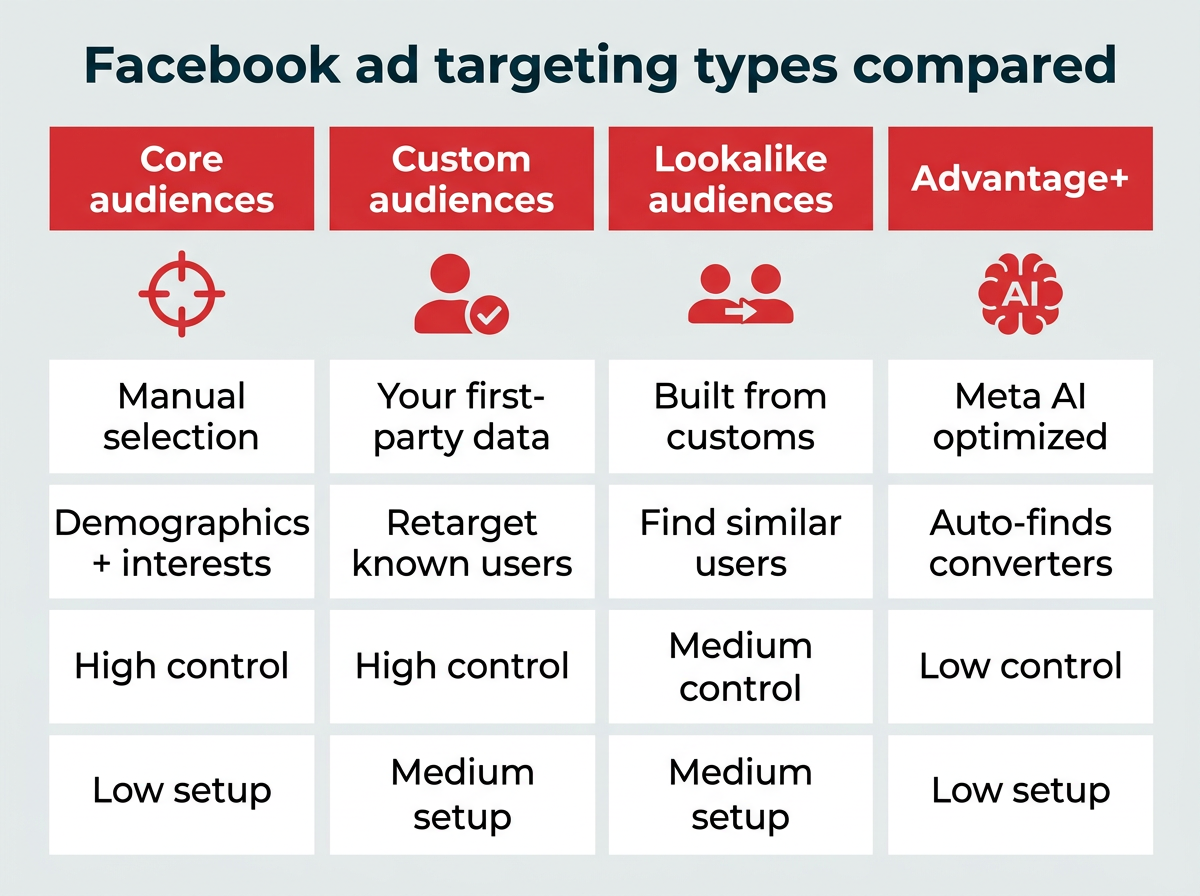
The platform provides four primary pillars of targeting, each serving a distinct stage of the marketing funnel:
- Core (Detailed) Audiences: The foundational method, allowing for manual selection based on demographics, interests, and behaviors.
- Custom Audiences: The gold standard for retargeting, utilizing first-party data like CRM lists or website engagement.
- Lookalike Audiences: A powerful expansion tool that identifies new prospects who share high-affinity characteristics with your existing best customers.
- Advantage+ Audiences: An AI-led, automated approach that leverages machine learning to find the most responsive users in real-time.
Chronology of the Modern Targeting Shift
The trajectory of Meta’s advertising tools has been defined by a transition toward privacy-centric, algorithmic automation.

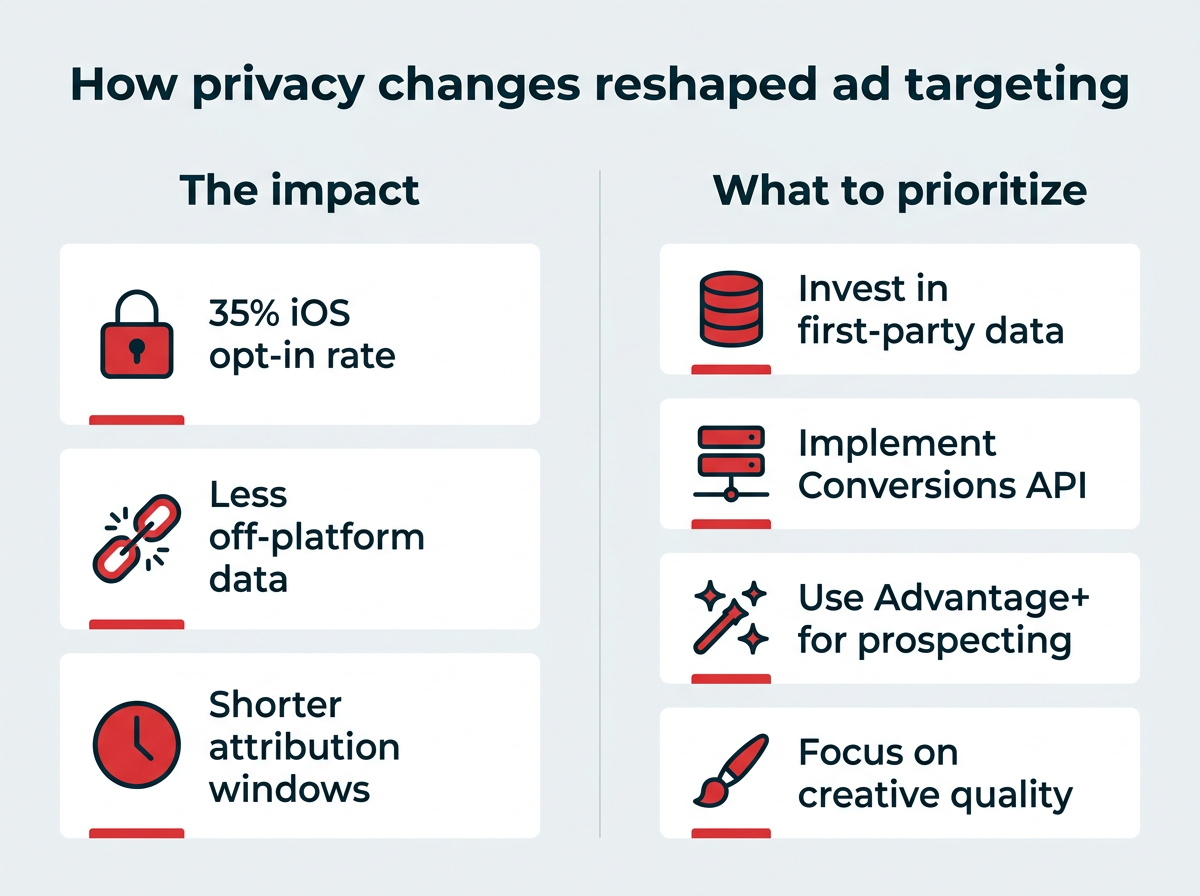
- 2021 (The Privacy Pivot): The implementation of Apple’s iOS 14.5 App Tracking Transparency (ATT) framework marked a turning point. As opt-in rates for cross-app tracking plummeted to approximately 35%, the industry faced a "data drought" that rendered traditional third-party tracking less reliable.
- 2023–2025 (The AI Integration): In response to the loss of granular third-party signals, Meta accelerated the development of its Advantage+ suite. This move shifted the burden of audience discovery from the human marketer to the machine learning model.
- 2026 (The Current Standard): Today, the industry has reached a "hybrid maturity." Advertisers are encouraged to provide the AI with strong "seeds" (first-party data) while allowing the algorithm the autonomy to scale reach and optimize conversions.
Supporting Data: The Impact of Automation
The shift toward AI-driven targeting is backed by significant performance improvements. According to recent Meta internal benchmarks, campaigns utilizing Advantage+ tools have demonstrated:
- 13% lower median cost per product catalog sale.
- 7% lower median cost per website conversion.
- 28% lower average cost per click, lead, or landing page view.
These figures illustrate a clear trend: the "black box" of AI, when fed with high-quality conversion data, is currently outperforming manual, narrow targeting in most high-volume scenarios.
Implications of Privacy Changes
The decline in third-party data tracking has forced enterprise marketing teams to rethink their infrastructure. The "cookie-less" future requires a shift in priorities:
- First-Party Data is King: Brands must prioritize collecting emails and direct engagement data.
- Conversion API (CAPI) Adoption: Because browser-side tracking (the Facebook Pixel) is often blocked by privacy extensions, server-side tracking through CAPI is now essential for accurate attribution.
- Quality over Quantity: With the removal of sensitive targeting categories—such as those related to race, political affiliation, or health—marketers must find "proxy" interests that reflect the intent of their target demographic.
- Shorter Attribution Windows: Marketers should prepare for shorter windows of measurement, necessitating faster creative iteration to capture interest immediately.
Strategic Implementation: A Step-by-Step Approach
To set up an effective campaign in 2026, follow this systematic workflow within Meta Ads Manager:

1. Data Foundation (Pre-Campaign)
Before spending a dollar, ensure your Facebook Pixel and Conversions API are properly configured. Without these, the "smart" targeting features (Advantage+ and Lookalikes) lack the fuel required to function.

2. Ad Set Configuration
Audience targeting is strictly an ad-set-level function. Navigate to your campaign, create an ad set, and define your objective.

3. Choosing the Targeting Strategy
- For Broad Prospecting: Select Advantage+ and allow the AI to optimize. Ensure your creative is tailored to the audience you want, as the creative itself now acts as a signal for the algorithm.
- For Retargeting: Utilize Custom Audiences. If you are retargeting website visitors, exclude those who have already converted to prevent ad fatigue and wasted spend.
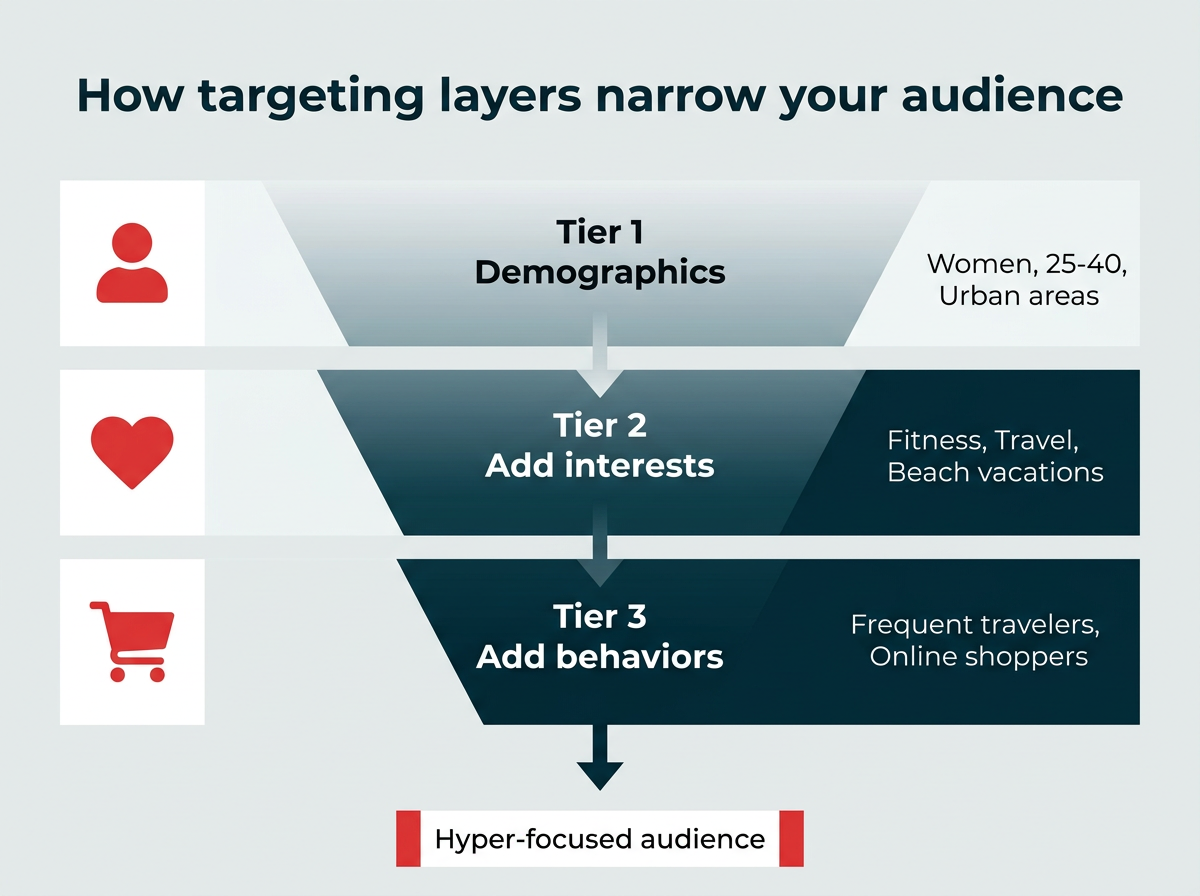
4. Layering and Refining
For niche B2B or specialized products, use the "Narrow Audience" feature to add layers. For example, you can target users interested in "Fitness" who also match the behavior of "Frequent International Travelers."

Advanced Tactics for 2026
The "Competitor Shadowing" Strategy
You can identify competitors by analyzing your own "Audience Insights" in the Meta Business Suite. By identifying which pages your target persona follows, you can add those competitor names into the "Interests" field in your detailed targeting section. This allows you to serve ads to users who have already signaled an affinity for your competitors’ brands.

Value-Based Lookalikes
Instead of creating a lookalike based on all customers, create a "Value-Based" audience. Upload your customer list to Meta and include the "Lifetime Value" column. Meta’s algorithm will prioritize finding users who mirror your highest-spending clients, moving beyond mere volume to focus on profitability.

Ad Relevance Diagnostics
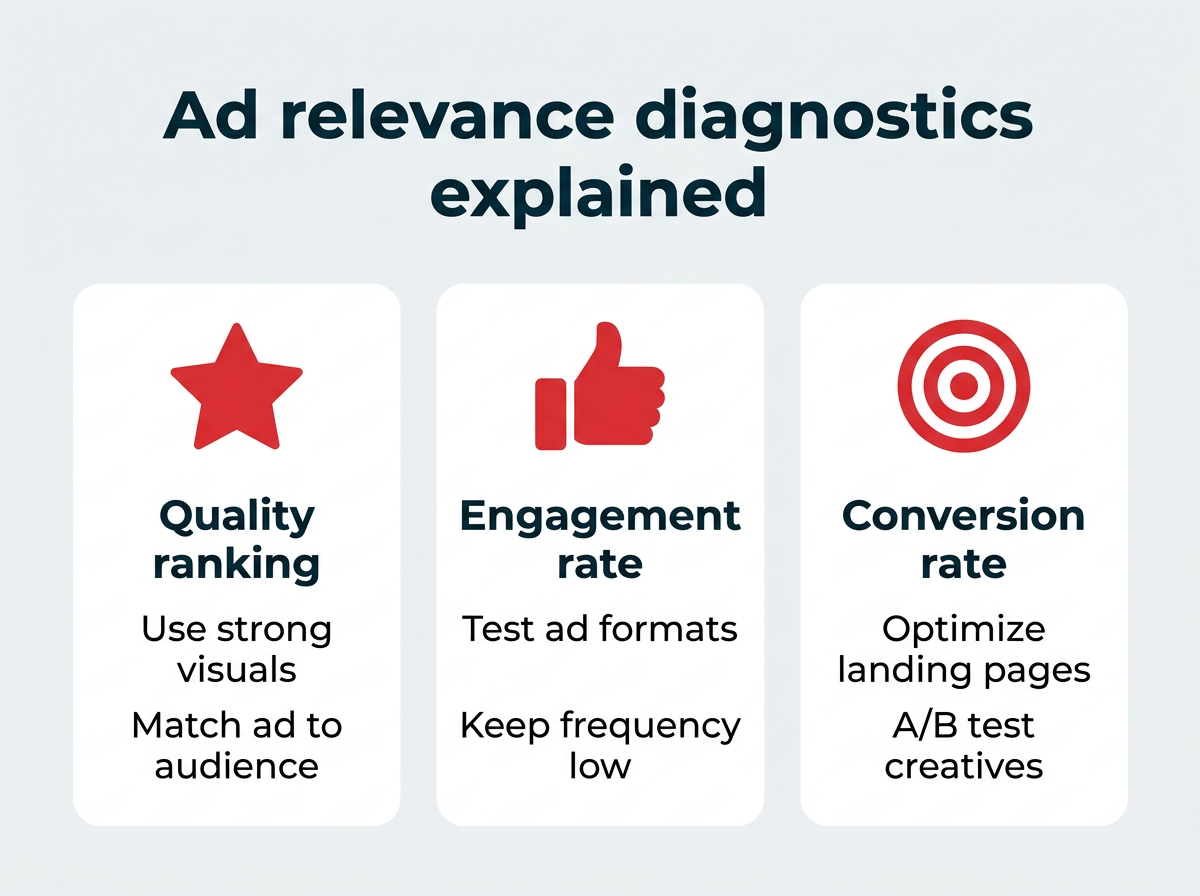
After your ads have been live for 48–72 hours, check your "Ad Relevance Diagnostics." If your "Quality Ranking" is low, it suggests your creative is not resonating with the audience. If your "Conversion Rate" is low, the issue likely lies with your landing page or the offer itself. Use these metrics as a diagnostic tool, not just a scoreboard.

Official Perspective and Future Outlook
Industry consensus suggests that the "manual vs. automated" debate is largely settled. Meta’s official stance remains that broad, AI-optimized audiences outperform manual targeting because they allow the algorithm to navigate the complexities of the current privacy-sensitive landscape.

The implication for agencies and in-house teams is a transition in job function: from manual "audience builders" to "data and creative architects." The human role is now to provide the strategy, the high-quality first-party data, and the compelling creative assets. The algorithm handles the logistics of delivery.

Frequently Asked Questions
What is the most effective targeting strategy?
It is rarely a single tactic. The most effective approach is a tiered funnel: use Advantage+ for top-of-funnel discovery, Custom Audiences for mid-funnel consideration, and Value-Based Lookalikes for bottom-of-funnel acquisition.
How do I fix a narrow audience?
If Meta flags your audience as too narrow, you have two choices: expand your demographic criteria or, more effectively, remove your interest layers and rely on the AI to find the right people based on your creative content.
Is the Facebook Pixel still relevant?
Yes, but it is insufficient on its own. Pairing the Pixel with the Conversions API is the only way to ensure your data remains robust in a post-iOS 14.5 environment.
How many people are needed for a Custom Audience?
While 100 people is the technical minimum, it is rarely enough for effective machine learning. Aim for 1,000+ to allow the algorithm to establish a stable pattern of behavior for optimization.

Final Thoughts
The landscape of Facebook advertising is more competitive than ever, but it is also more intelligent. By embracing AI, prioritizing first-party data, and focusing on high-quality creative that speaks directly to your ideal customer persona, businesses can continue to achieve sustainable growth. The tools are there—success now depends entirely on how effectively you wield them.











No comments yet. Be the first to join the conversation!