

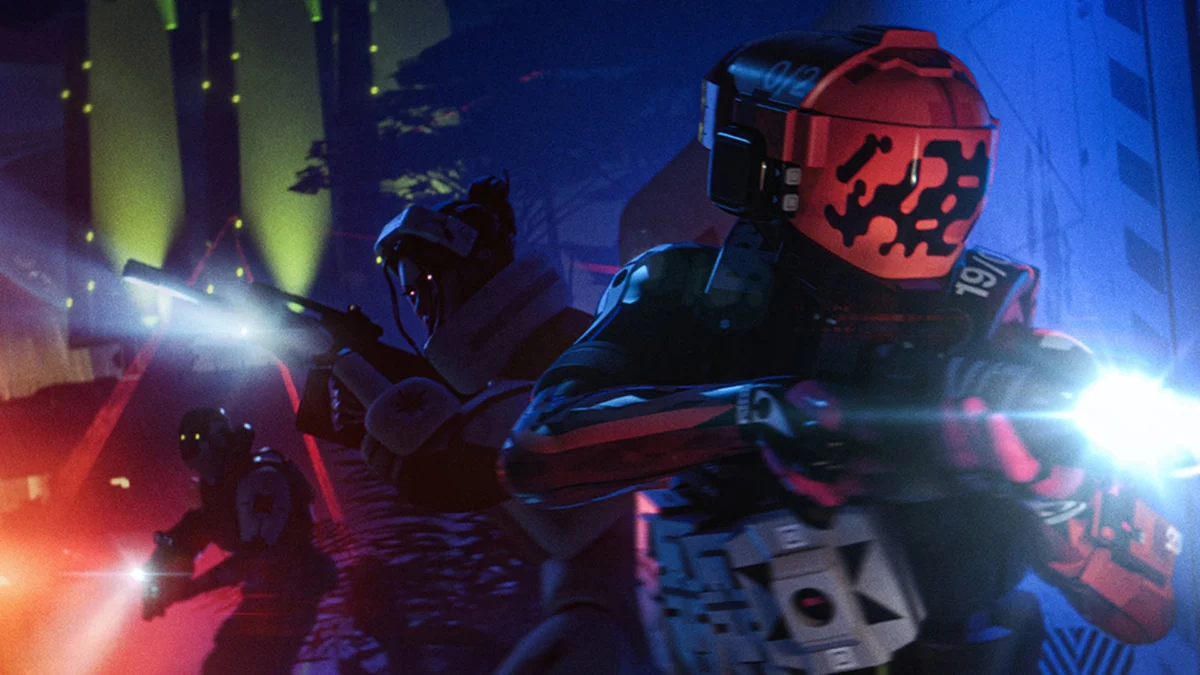
Bungie, the legendary studio behind the Halo and Destiny franchises, has announced a pivotal moment for its upcoming extraction shooter, Marathon. With the launch of Season 2, the developer is offering a "Free Week" initiative, allowing prospective players to dive into the high-stakes world of Tau Ceti without an entry fee. This move serves as both a strategic expansion of the player base and a necessary reset for the game’s competitive landscape.
The "Great Reset": Why Season 2 Matters
Extraction shooters live and die by their progression loops. Players spend weeks accumulating high-tier gear, rare weapon mods, and character upgrades. For a newcomer, joining an established community can feel like arriving at a party where everyone else has already been drinking for months.
Bungie is addressing this barrier to entry head-on. To coincide with the start of Season 2, all player accounts will undergo a total wipe. Vault assets, personalized Armory access, and player "shells" will be reset to factory defaults. This creates a rare, level playing field where veteran tactical knowledge remains the only advantage. As Bungie stated in their official communication, the goal is to ensure that players can explore the new season’s mechanics together, free from the intimidation factor of facing fully kitted-out crews right out of the gate.
The Free Week will run from June 2nd through June 9th, providing a seven-day window for skeptics and curious onlookers to experience the game’s refined, tension-heavy gameplay loop.
Chronology: From Development Turmoil to Night-Ops
The journey to Season 2 has been anything but straightforward. Marathon has faced significant developmental headwinds, including an indefinite delay that was initially met with industry-wide concern. During that period, Bungie committed to a comprehensive "laundry list" of improvements, pivoting from a standard extraction formula toward a more atmospheric, horror-adjacent experience.
- Early Development: Initial reveals suggested a fast-paced multiplayer shooter. However, internal testing and community feedback pushed the team toward a darker, more methodical pace.
- The Pivot: By mid-season, the influence of titles like Hunt: Showdown became evident. Bungie began emphasizing sound design, visibility, and high-stakes survival.
- The Announcement: Following the release of the Season 2 cinematic trailer, the studio confirmed a shift in tone. The game is no longer just a shooter; it is an exercise in environmental dread.
- The Future: With the June 2nd kickoff, the game enters its most critical phase, testing whether the "horror-extraction" hybrid can capture a mainstream audience.
Survival Horror in the Dark: The New Map and Mechanics
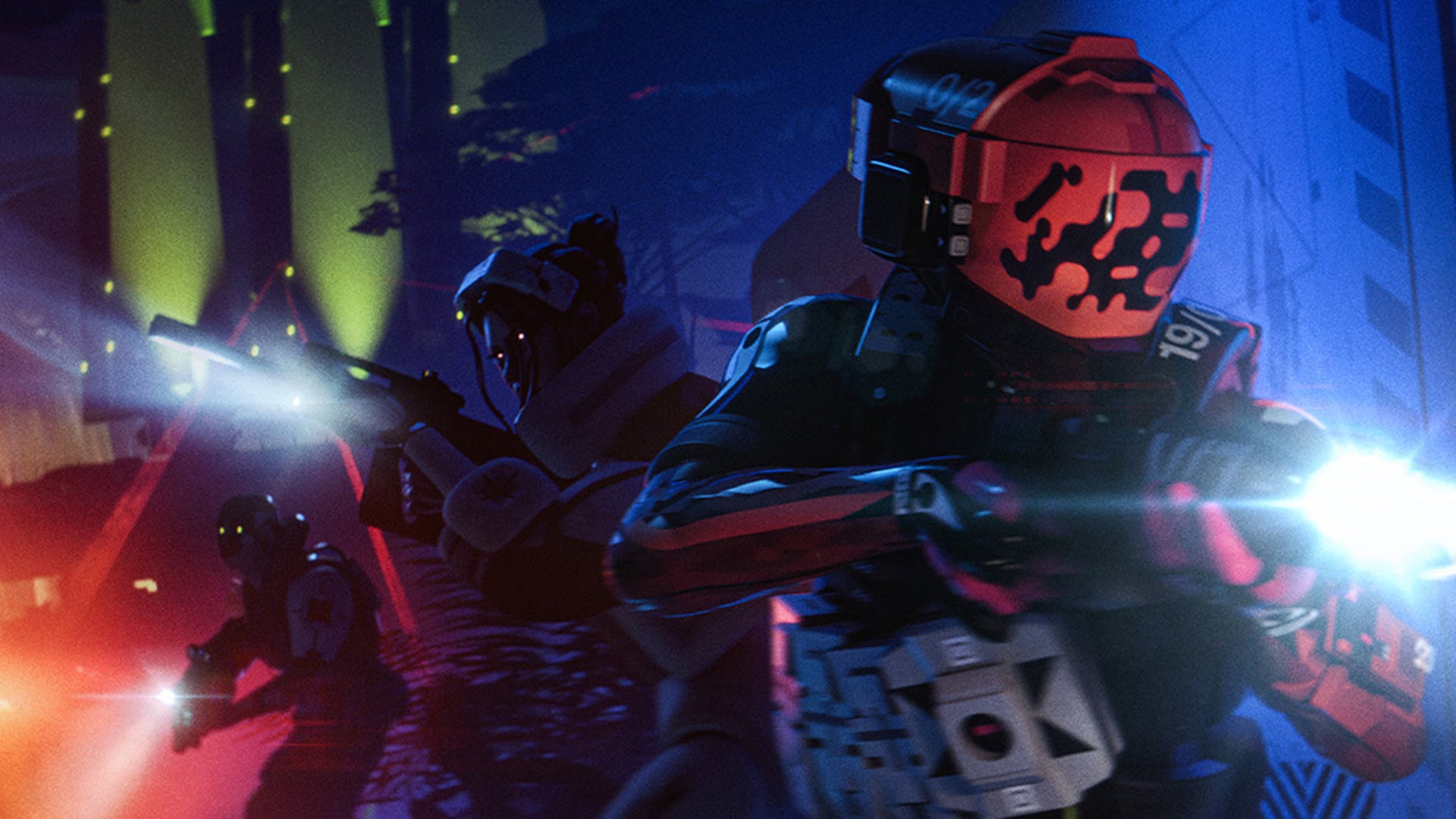
Season 2 introduces the "Dire Marsh" map, a setting that drastically alters the game’s core loop. The map features a pitch-black night variant, forcing players to rely on a limited array of light sources.
The Flashlight Dilemma
The implementation of flashlights in Marathon is a masterclass in risk-reward design. In previous seasons, information was gathered via audio cues and line-of-sight. Now, players must use flashlights to navigate the pitch-black environment of the Dire Marsh. However, turning on a light source acts as a beacon, revealing the player’s position to any hidden adversaries. This creates a "multiplayer Alien: Isolation" dynamic, where every movement feels like a potential death sentence.
The Sentinel Class
To complement these new threats, Bungie is introducing a new character class: The Sentinel. Designed for players who prioritize team cohesion and defensive utility, the Sentinel comes equipped with:

- Missile/Grenade Interception: A short-duration ability that deletes incoming explosives, protecting the squad from heavy bombardment.
- Proximity Snare Mines: Tools that pin enemies in place, perfect for controlling choke points or punishing aggressive chasers.
- Prey Tracker: A passive ability that highlights moving enemies, providing vital information in the chaos of a dark map.
Increased PVE Pressure
The UESC—the game’s AI-controlled faction—is also becoming more aggressive. Bungie has implemented a "locked cargo" mechanic. To access high-tier loot, players must now neutralize specific UESC troops to secure decryption keys. This forces players to engage with the environment and the AI, preventing them from simply "ratting" (hiding in corners) throughout the entire match.
Official Responses and Strategic Intent
Bungie’s decision to offer a free week is clearly calculated. By lowering the barrier to entry, they are attempting to convert players who were previously discouraged by the "hardcore" reputation of the extraction shooter genre.
"It’s important we give players a chance to explore the new season together," Bungie wrote in their developer blog. The studio is betting that the unique, emergent stories created by the darkness of the Dire Marsh will prove more compelling than the grind-heavy nature of its competitors. They are positioning Marathon not just as a shooter, but as an experience—a space where, as some critics have noted, every player acts as a potential predator.
The Cloud of Uncertainty: Bungie’s Broader Context
While the updates to Marathon have been met with cautious optimism, the atmosphere at Bungie remains tense. The announcement of the end of active development for Destiny 2 has sent shockwaves through the gaming industry.

Reports indicate that many employees within the Destiny 2 team were unaware of the decision to wind down the title until the news went public. This lack of internal transparency, coupled with rumors of significant impending layoffs, has cast a long shadow over the studio’s future. For many observers, the transition from Destiny 2 to Marathon feels less like a smooth evolution and more like a desperate pivot.
Implications for the Industry
The success of Marathon is no longer just about whether the game is "fun." It is a litmus test for the studio’s viability. If Marathon fails to attract a sustainable player base during its free week, the optics for Bungie—already struggling with layoffs and questions regarding their long-term direction—could become dire.
However, the game’s current iteration shows promise. By leaning into the "survival horror" niche, Bungie is attempting to differentiate itself in a crowded market. If the mechanics of the flashlight, the Sentinel class, and the revamped Dire Marsh map resonate with the community, Marathon might just be the pivot that saves the studio.
For those interested in seeing if the game lives up to the hype, the week of June 2nd to June 9th offers the perfect, low-risk opportunity to test their mettle. Whether you are a fan of the extraction genre or a skeptic who has watched the "yammering" from the sidelines, the dark corridors of the Dire Marsh await. The question remains: when the lights go out, will you be the hunter, or the prey?











No comments yet. Be the first to join the conversation!