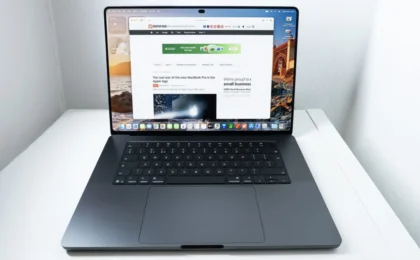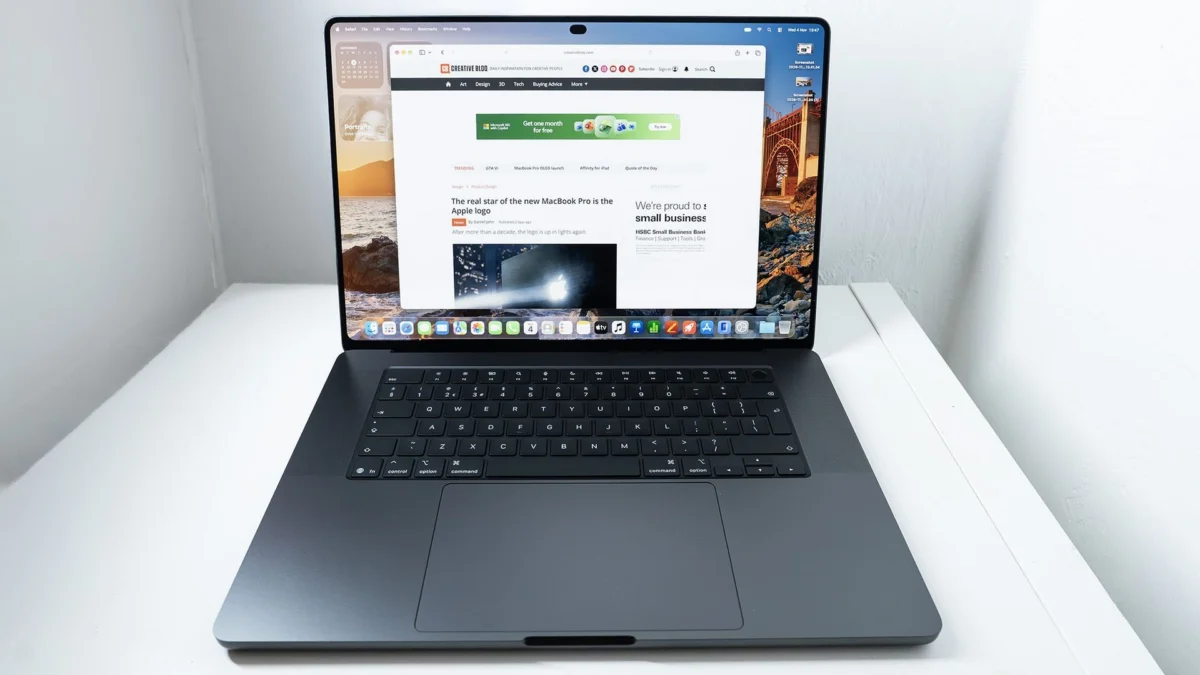
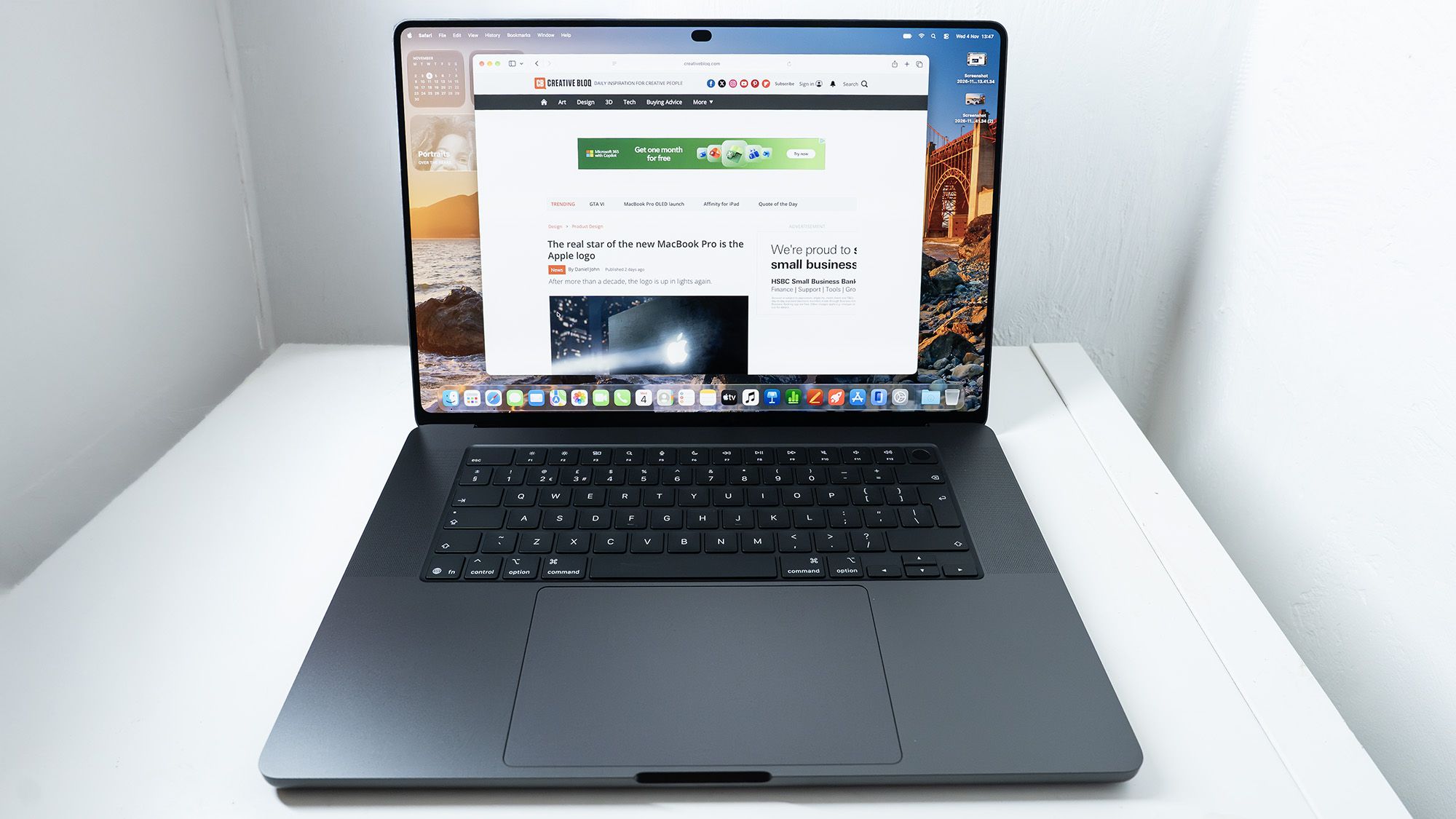
The tech landscape shifted on November 5, 2026, as Apple officially ushered in a new era of professional mobile computing. The launch of the latest MacBook Pro, featuring the revolutionary PROLED XDR Display and, for the first time in the company’s history, a functional touchscreen, has sparked a firestorm of discussion across the creative and tech industries. While the integration of touch input is the headline-grabbing feature, a deeper look reveals that this machine represents a significant leap in display technology, portability, and industrial design.
The Core Innovation: PROLED XDR Technology
The centerpiece of the 2026 MacBook Pro is undeniably its display. Moving beyond traditional Mini-LED architecture, the new PROLED XDR panel utilizes tandem OLED technology to deliver unprecedented contrast ratios, peak brightness, and color accuracy. For creative professionals—photographers, colorists, and video editors—this represents a paradigm shift.
Industry experts describe the panel as "reference-quality," a term rarely applied to consumer hardware. By leveraging a tandem stack of organic light-emitting diodes, the display achieves deeper blacks and more vibrant highlights without the risk of burn-in typically associated with high-brightness OLED panels. This allows for a "true-to-life" viewing experience that bridges the gap between a laptop screen and a dedicated desktop studio monitor.
Chronology of the 2026 Launch
The anticipation surrounding this device reached a fever pitch in late October, culminating in a high-profile launch event in Los Angeles.
- October 2026: Leaks regarding a "touch-enabled macOS" began to circulate, though many dismissed them as speculative.
- November 5, 2026 (12:59 UTC): Creative Bloq and other major tech outlets opened their live coverage as embargoes lifted, providing the first comprehensive look at the hardware.
- November 5, 2026 (14:00 – 16:00 UTC): A wave of "first impressions" flooded the internet. Major publications, including The Verge, T3, and TechRadar, released their hands-on reviews. The consensus was swift: the screen was a masterpiece, the weight reduction was a surprise, and the touchscreen was a "welcome addition" rather than a disruptive force.
- November 5, 2026 (16:37 UTC): Industry analysts began discussing the long-term cost implications of the new display tech, noting that while the current price is high, future manufacturing efficiencies could democratize the technology.
Portability Meets Power: The Weight Reduction
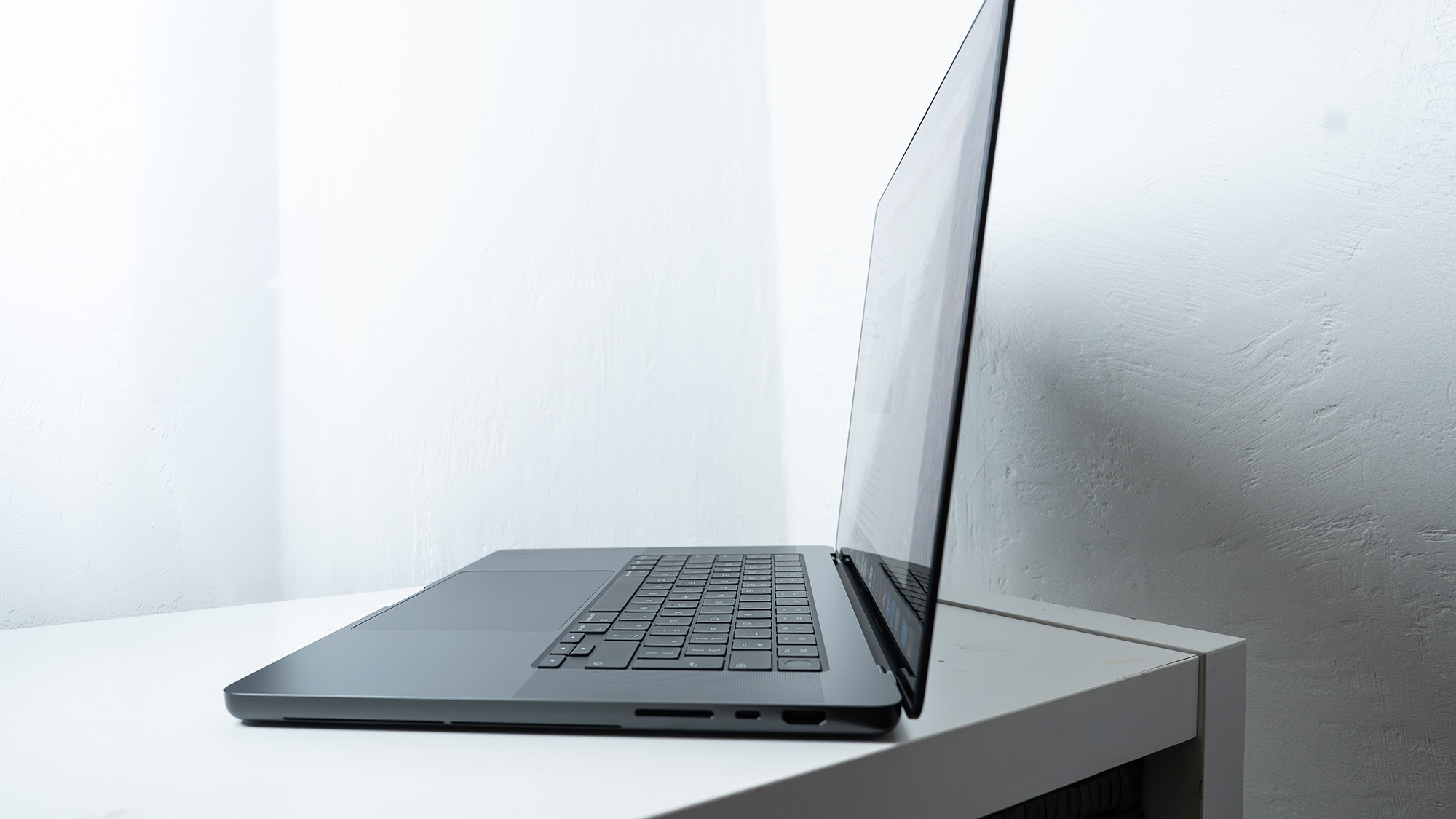
Beyond the screen, the most surprising takeaway from early testers has been the physical chassis. As noted by our colleagues at T3, the new model has shed approximately 300 grams compared to its predecessor. In the world of high-performance laptops, where power usually necessitates bulk, this reduction is a technical marvel.
For the mobile professional, 300 grams is not just a statistic—it is the difference between a backpack that feels like a burden and one that is manageable for long-distance travel. The reduction was achieved through a combination of refined internal cooling architecture and the thinner profile of the PROLED panel, which eliminates the need for the thicker backlighting arrays found in previous Liquid Retina XDR displays.

Professional Perspectives: The "Touch" Verdict
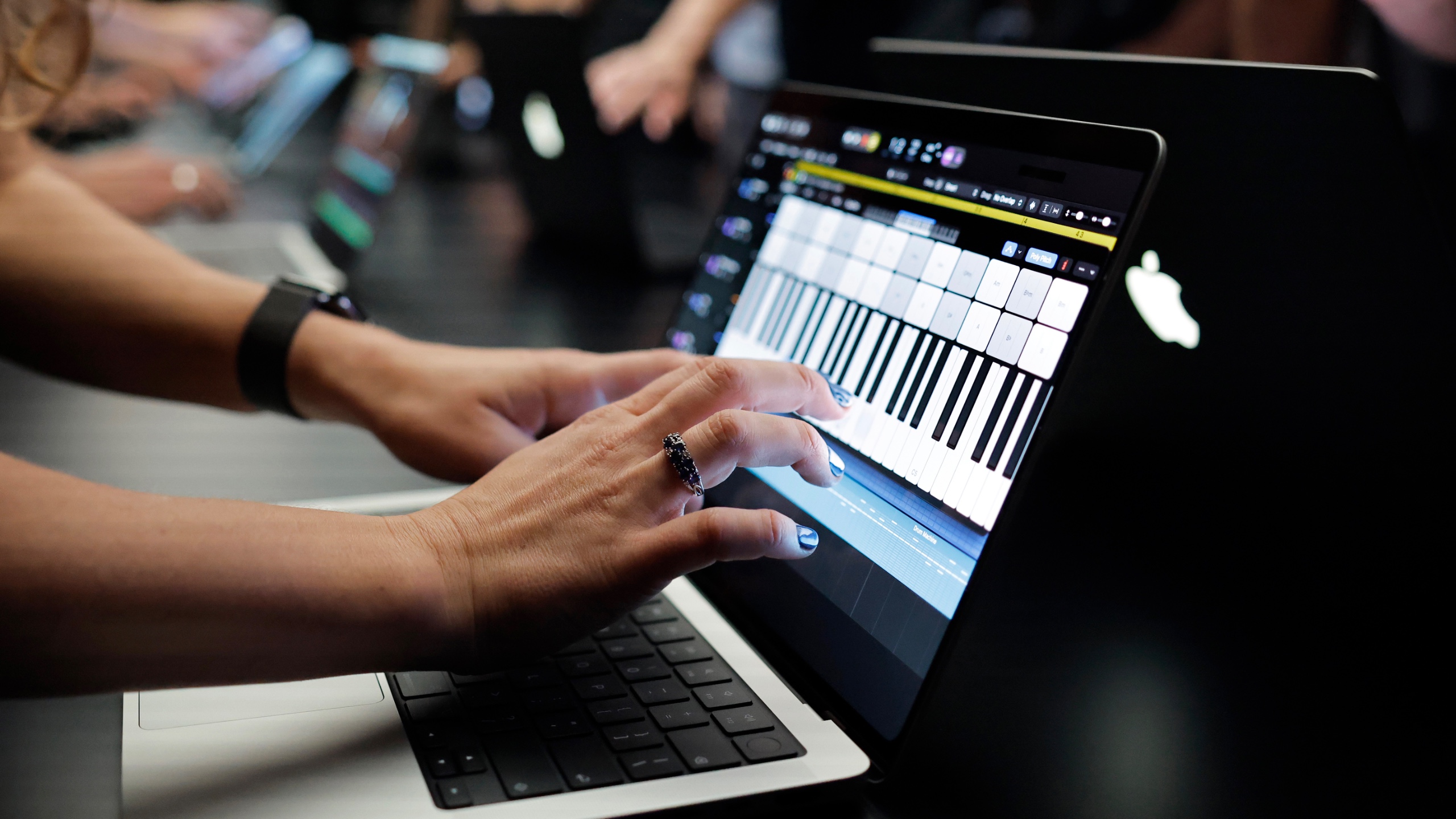
The inclusion of a touchscreen on a Mac has been a subject of debate for over a decade. Apple’s initial stance was one of skepticism, favoring the trackpad for precision tasks. However, the 2026 model adopts a "hybrid" approach.
Reviewers from The Verge and other outlets have noted that while the touchscreen works flawlessly, it is not intended to replace the keyboard or trackpad. Instead, it serves as a tertiary input method—useful for scrubbing through timelines in video editing, zooming in on architectural plans, or navigating complex UI elements that are cumbersome with a cursor alone. Most users reported that after an initial period of experimentation, they naturally returned to their established workflows, viewing touch as a "convenience" rather than a "necessity."
The Economic Implications: Future-Proofing the Display
The high barrier to entry for the new MacBook Pro, with prices starting at $2,899, is a point of contention. However, industry insiders suggest this is standard for "first-generation" technology.
Apple is currently exploring the use of HMO (High Mobility Oxide) thin-film transistor technology to streamline the production of these OLED panels. This move is significant because it is a pathway being mirrored by competitors like Samsung and LG. Should this manufacturing technique mature, the cost of OLED panels—and by extension, professional-grade laptops—could see a substantial reduction within the next 24 to 36 months. This suggests that the 2026 MacBook Pro is the vanguard of a new industry standard rather than a niche outlier.
Official and Industry Responses
The launch event in Los Angeles was a masterclass in controlled spectacle. Apple CEO John Ternus and other executives emphasized that the device was built specifically to address the demands of modern creators who require "studio-level fidelity on the go."
Prominent YouTube creators, such as iJustine, have highlighted the return of the glowing Apple logo, a nostalgic touch that has resonated with long-time fans. However, the more critical professional response has focused on the "PROLED" aspect. The consensus among content creators is that the MacBook Pro has finally solved the "reference monitor" problem, effectively allowing a film editor to perform color-accurate work on a plane or in a remote location with the same confidence they would have in a controlled studio environment.
Implications for the Creative Industry
What does this mean for the future of the laptop?
- The Death of the Dedicated Tablet? With the MacBook Pro offering a high-quality touchscreen, the distinction between a tablet (like the iPad Pro) and a laptop is becoming increasingly blurred. Professionals may find they need to carry fewer devices.
- Increased Demand for OLED: As Apple shifts to PROLED, the display supply chain will inevitably tilt toward OLED for high-end mobile devices, forcing the rest of the industry to innovate faster.
- The Efficiency Gap: The combination of the M5 series chip and the power-efficient PROLED panel suggests that Apple is prioritizing "work-anywhere" capability. Battery life, a historically weak point for high-performance laptops, is now being touted as industry-leading, allowing the machine to sustain its peak brightness for significantly longer periods than previous models.
Conclusion: An Evolution of Purpose
The 2026 MacBook Pro with PROLED XDR Display is not a revolutionary change in how we use computers, but rather an evolution in what we expect from them. By focusing on the display—the primary interface between the user and their work—Apple has created a machine that feels significantly more advanced than its predecessors.
While the touchscreen will continue to be the subject of casual debate, the real story remains the display’s performance and the surprising reduction in weight. For the target demographic—creative professionals who value precision, portability, and power—the device is a formidable tool. As production costs stabilize and this display technology becomes more common, the MacBook Pro will likely be remembered as the moment the "reference-quality" laptop finally arrived in the hands of the public.
For now, the device is available for purchase at major retailers like Amazon, signaling that Apple is ready to scale this new standard of mobile computing to the global market. Whether you view the touchscreen as a gimmick or a game-changer, one thing is certain: the bar for what a professional laptop should look like has been raised.