In a significant leap forward for autonomous ground warfare, the U.S. Army recently conducted a high-stakes, live-fire exercise at Fort Bragg, North Carolina. On August 18, the military demonstrated a new iteration of its autonomous breaching technology—the centerpiece of Project Sandhills 2.0. By integrating advanced self-driving platforms with sophisticated, computer-controlled shotgun turrets, the Army is signaling a paradigm shift in how it intends to neutralize the growing threat of First-Person View (FPV) drones on the modern battlefield.
The Evolution of Project Sandhills
Project Sandhills 2.0 is the successor to the original Sandhills initiative, a program that gained notoriety for developing the Lancer Unmanned Ground Vehicle (UGV). The Lancer, built upon the rugged Polaris Ranger 1500 utility vehicle, served as an early testing ground for autonomous pathfinding and logistics. Its success was such that several units were eventually provided to Ukraine, where they have served as a vital tool for maneuvering through contested territories.
While the original Sandhills focus was on mobility and logistics, the 2.0 iteration is fundamentally different. It is an answer to the "drone saturation" problem. As conflicts in Eastern Europe and the Middle East have demonstrated, FPV drones have become a lethal, low-cost equalizer capable of stopping armored columns, disrupting supply lines, and pinning down infantry. By arming autonomous vehicles with dedicated Counter-Unmanned Aircraft System (C-UAS) technology, the Army aims to provide a "protective bubble" for human soldiers during dangerous breaching operations.
The Hardware: Ford F-250 Meets AI
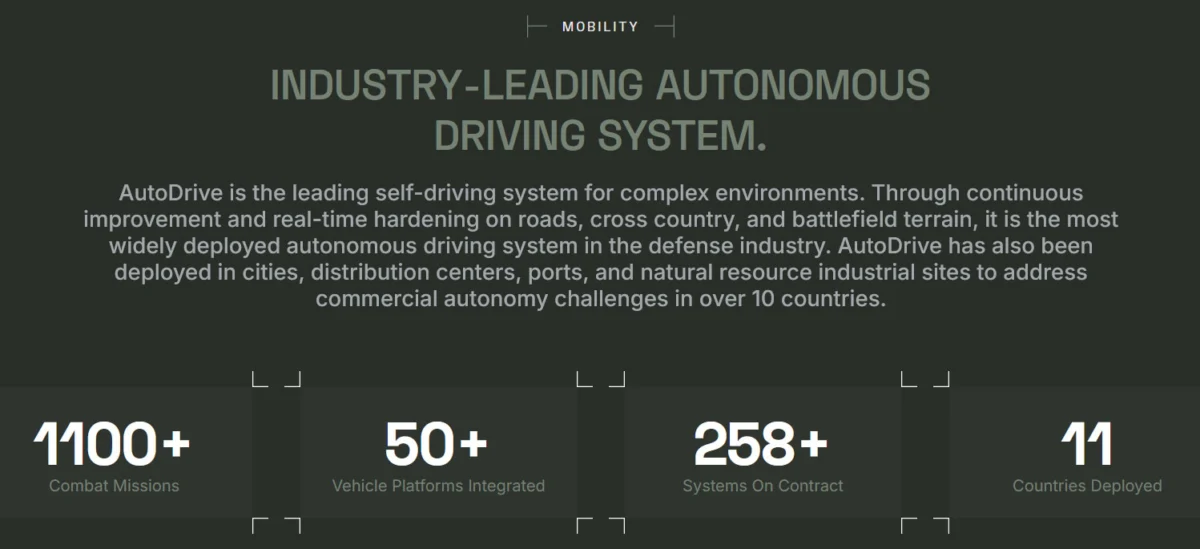
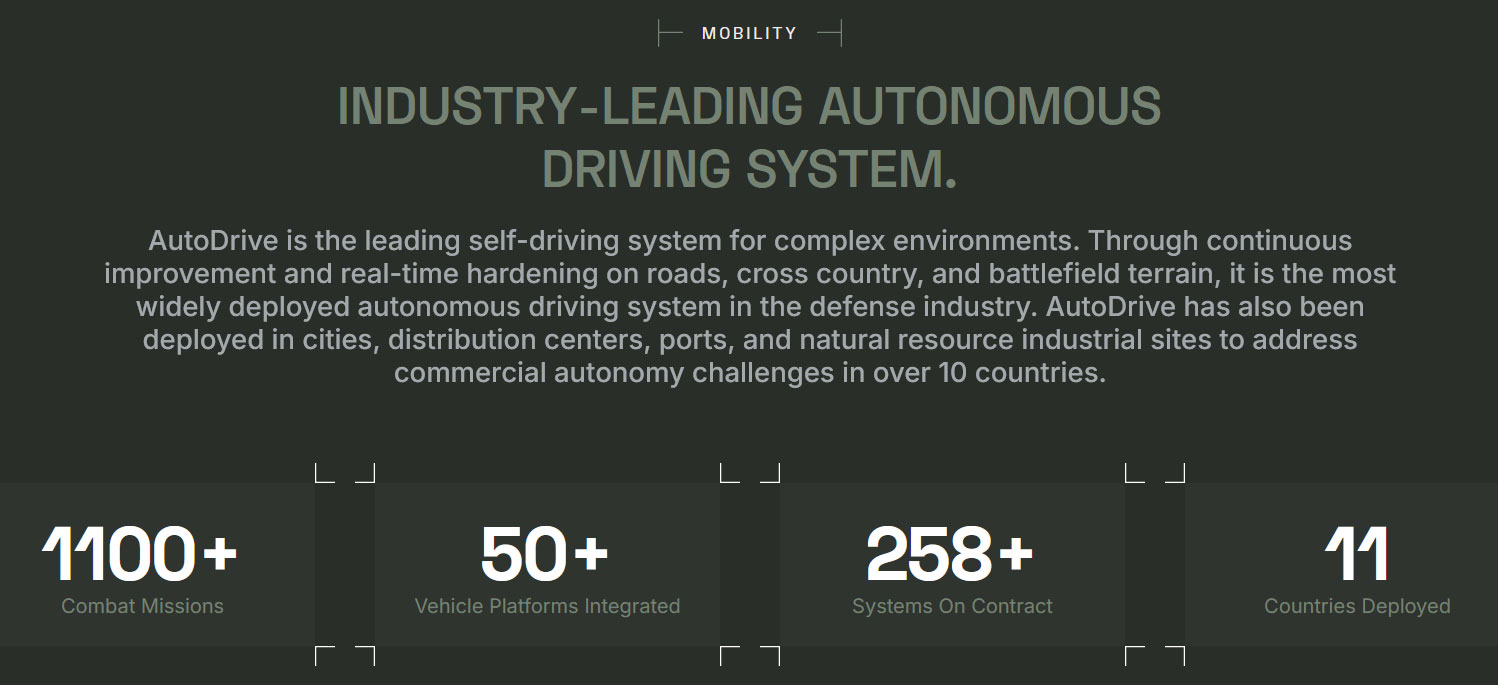
At the heart of the Sandhills 2.0 test platform is the Ford F-250 pickup truck, retrofitted with Forterra’s sophisticated "AutoDrive" system. The choice of a commercial-off-the-shelf (COTS) vehicle is a calculated strategic decision. According to Forterra’s vice president of defense, utilizing the F-250 platform ensures that spare parts are readily available, drastically simplifying maintenance and repair logistics in austere environments.
The Forterra AutoDrive system transforms the standard consumer truck into a high-level autonomous agent capable of navigating rough terrain and complex obstacle courses without human intervention. By using a platform that is already mass-produced, the Army reduces the cost-per-unit while ensuring that the infrastructure for supporting the fleet is already established.
The "Edda" Turret: A Precision Drone Killer
The most innovative aspect of the Sandhills 2.0 setup is the integration of the "Edda" C-UAS turret, manufactured by Austin-based startup 9 Mothers. Weighing in at a mere 23 kilograms (approximately 50 pounds), the turret is designed to be lightweight enough to mount on a wide variety of vehicles without impacting their handling or performance.
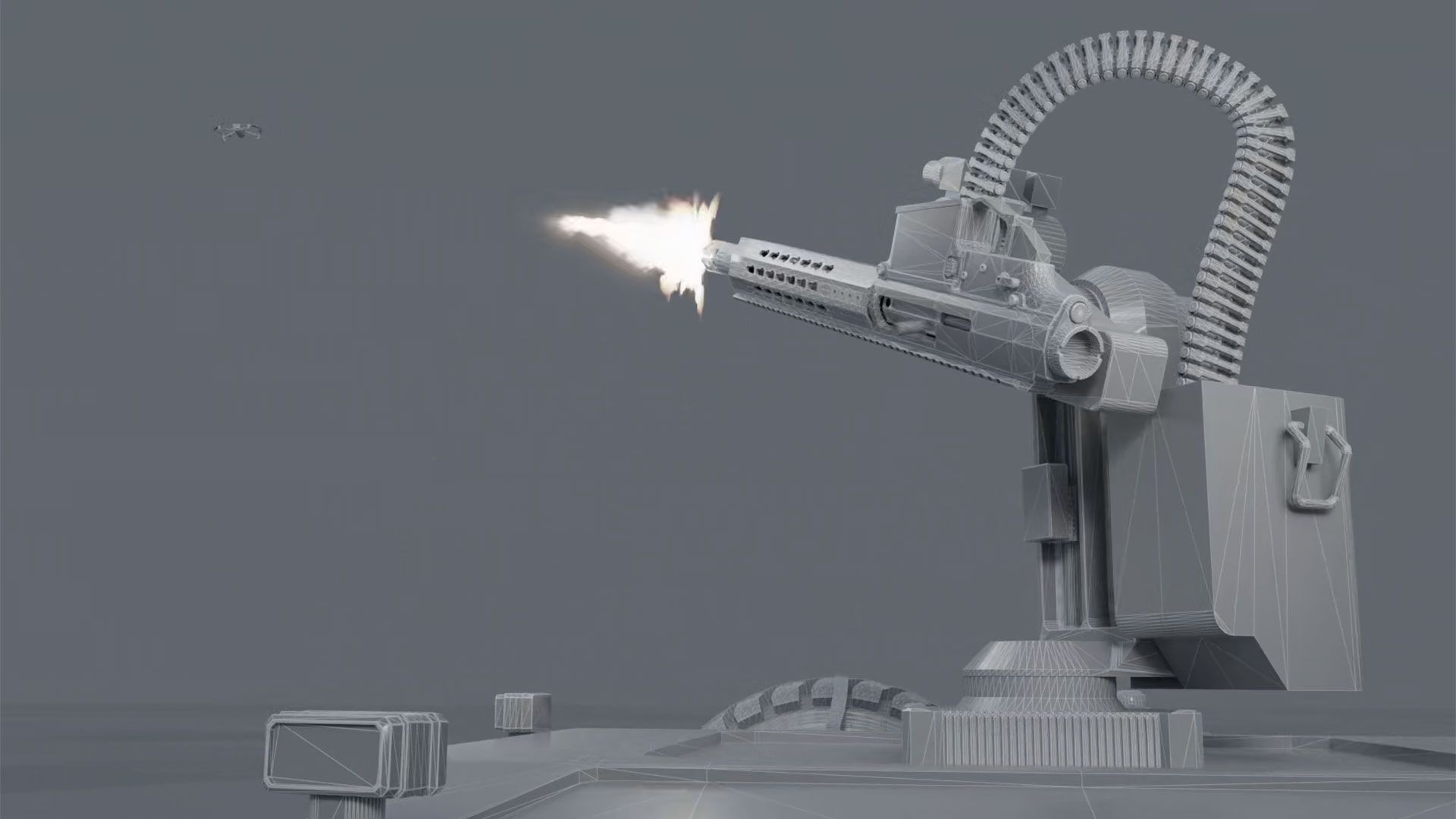
The Edda system functions as an autonomous hunter-killer. It is engineered to neutralize fast-moving drone threats—specifically those with a diameter of 7 inches or larger—at engagement ranges between 10 and 100 meters (33 to 328 feet).
Tactical Stealth and Acoustic Detection
One of the most impressive features of the Edda system is its detection methodology. Rather than relying solely on active radar—which emits signals that can be picked up by enemy electronic warfare (EW) suites—the Edda utilizes an acoustic detection array. By "listening" for the specific sound profile of incoming drones, the system can identify threats while remaining electronically quiet.
Once a drone is detected acoustically, an onboard visual tracking system locks onto the target. The mechanical precision of the turret is nothing short of clinical: 9 Mothers claims the platform can execute a 5-degree movement in under 15 milliseconds, with a precision of 1.5 arcminutes. This allows the system to track and engage drones that are moving at high velocities, effectively turning a shotgun into a high-precision, automated anti-aircraft weapon.
Implications for Modern Warfare
The integration of autonomous breaching vehicles equipped with C-UAS capability addresses a critical gap in contemporary combined-arms operations. Breaching—the act of creating a path through obstacles, minefields, or fortifications—is inherently one of the most dangerous tasks in warfare. Historically, it requires soldiers to operate in close proximity to enemy defensive lines, leaving them highly vulnerable to drone-delivered munitions or artillery.
By offloading the breaching and defensive duties to autonomous vehicles, the Army can keep human soldiers at a safer distance. If a Sandhills 2.0 unit is destroyed, the loss is purely material rather than human. Furthermore, the ability of these trucks to autonomously scan for and destroy incoming FPV drones allows them to act as a mobile "shield" for advancing armored elements, effectively neutralizing the enemy’s ability to swarm, scout, or strike from the air.
Critical Analysis: Questions Remain
Despite the successes demonstrated at Fort Bragg, defense analysts and military observers remain cautious. While the technical specifications of the Edda turret are impressive on paper, there is a notable lack of publicly available field data regarding its real-world efficacy.
Key questions that need to be addressed before widespread deployment include:
- Kill Probability (Pk): What is the percentage of successful drone neutralizations per single shot?
- Engagement Limits: What is the maximum speed of a target drone that the Edda can reliably track and hit?
- Capacity: How many drone targets can the system handle in a minute-long engagement?
- Resilience: How does the acoustic detection system perform in high-noise environments, such as a battlefield filled with artillery fire, tank engines, and explosions?
Furthermore, the reliance on a shotgun as the primary weapon suggests that the system is optimized for close-in defense. While this is perfect for individual vehicle protection, it does not necessarily address the threat of high-altitude drones or larger, more durable loitering munitions.
The Road Ahead
The U.S. Army’s pursuit of the Sandhills 2.0 program is a clear indicator that the military is moving toward a more decentralized, roboticized frontline. The combination of commercial truck platforms, advanced AI driving systems, and ultra-fast, lightweight turret technology represents a modular, scalable approach to the drone threat.
As the conflict in Ukraine continues to evolve and other global powers increase their investment in autonomous swarm technology, the U.S. Army is clearly aiming to get ahead of the curve. The Fort Bragg exercise proved that the basic concept works—the F-250 can drive itself, the Edda can find a drone, and the shotgun can fire. The next phase will undoubtedly involve stress-testing these systems against more sophisticated electronic jamming, complex swarming maneuvers, and the harsh realities of multi-day field operations.
If successful, the Sandhills 2.0 project could lead to a standard issue, multi-role autonomous platform that serves as a staple of the American infantry brigade, providing the protective layer needed to dominate the skies of the 21st-century battlefield. For now, the military community will be watching closely as these automated sentinels transition from the proving grounds of North Carolina to the potential reality of future high-intensity conflicts.