

Okayama Prefecture, often celebrated for its mild climate and the tranquil beauty of the Seto Inland Sea, is currently undergoing a quiet gastronomic revolution. Moving far beyond the standardized offerings of national chains, a new wave of local artisans is redefining the humble burger and sandwich. By integrating hyper-local ingredients—ranging from freshwater trout and heritage beef to the savory riches of the fishing port—these establishments are turning fast-casual dining into a medium for cultural storytelling.
This report explores six standout destinations across Okayama, each offering a unique bite of the region’s geography and history.
The Rise of "Terroir" Dining in Okayama
The concept of terroir—the idea that food should reflect the environment from which it comes—is the driving force behind Okayama’s emerging burger scene. Culinary experts note that the prefecture’s diverse landscape, spanning the Chugoku Mountains in the north to the archipelago in the south, provides a pantry of rare ingredients that are difficult to source elsewhere.
From the "Sozuri" meat of Tsuyama, a technique born from the traditional cattle culture of the region, to the "Garaebi" shrimp harvested in Kasaoka, these burgers are not merely meals; they are edible landmarks.
A Chronology of Innovation
The evolution of these specialty items has been steady, marked by significant milestones in local community development:
- 2014: Sanyo Gakuen University launches a collaborative project in the Oshima district, leading to the development of the "Oshima Burger" as a tool for regional revitalization.
- May 2025: The Mizunosato Okutsu Lake Visitor Center undergoes a massive renovation, establishing a hub for outdoor tourism that incorporates local "wellness" cuisine, including the unique "Kagami Flounder Sandwich."
- January 2026: Gon-chan Burger opens its doors in Kasaoka, bridging the gap between traditional "Kasaoka Ramen" culture and modern burger trends.
Destination Spotlight: Six Regional Icons
1. KAGAMINO Foods & Goods COHAN (Kagamino Town)
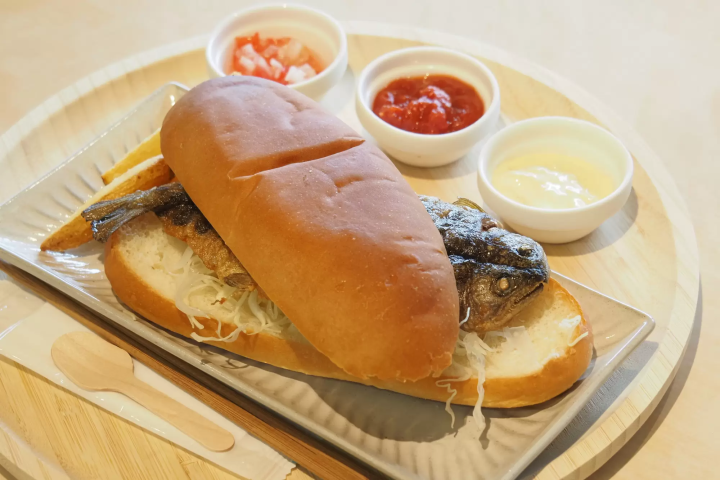
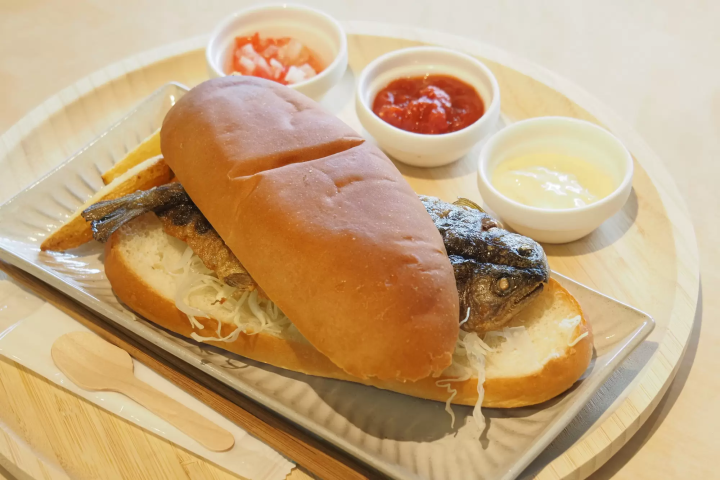
Situated in the serene northern highlands overlooking Lake Okutsu, COHAN serves as a culinary gateway to the mountains. Their signature Kagami Flounder Sandwich challenges conventional expectations. In local Kagamino dialect, the amago trout—a prized freshwater fish—is colloquially known as "hirame" (flounder). The sandwich features a whole, deboned fish that is crispy from head to tail, paired with a trio of house-made dips: salsa, tomato, and tartar.
2. Trippy (Tsuyama City)
Located within the multi-purpose complex BARNDOOR, Trippy offers a masterclass in custom craftsmanship. Diners can choose between standard Wagyu or the traditional "Wagyu Sozuri" patty. The term sozuri refers to the labor-intensive process of scraping meat from the bone, a practice deeply rooted in Tsuyama’s history. The result is a texture that balances firm elasticity with a deep, concentrated umami flavor.
3. Restaurant Hoshi no Sato (Ibara City)
Bisei-cho is globally recognized for its commitment to preserving dark skies, but its culinary offerings are equally luminous. The Bisei Burger is a testament to sustainable agriculture, featuring a 100% "Bisei Manten Pork" patty, famous for its sweet, clean fat. Topped with a local "Hoshi no Sato" egg and served on a fragrant 8-grain bun, it is a balanced, wholesome representation of Bisei’s natural bounty.
4. Gon-chan Burger (Kasaoka City)
Inspired by the legendary Kasaoka Ramen culture, this shop utilizes "mature chicken"—birds that have finished their egg-laying cycle—to provide a dense, rich flavor profile. The Chicken Chashu Burger is a dual-textured experience, combining the chewiness of marinated chicken with the succulent juiciness of a 100% domestic beef patty. It is a bold, modern interpretation of local soul food.
5. Cafe Terrace Sasaeai (Oshima, Kasaoka City)
Available only on Saturday mornings, the Oshima Burger is a triumph of community-driven development. Born from student-led research, the shop offers burgers featuring "Garaebi" (small shrimp) caught at the local port. The shrimp cutlet burger, encased in a soft rice-flour bun, provides a delicate, oceanic flavor that has become a weekly ritual for locals and visitors alike.
6. Shurakukan Honkan (Bizen City)
Set in a 140-year-old traditional house in the heart of the Bizen pottery district, this establishment offers a sophisticated take on the burger. The Bizen Burger uses "Bizen Kurogyu" beef and, most intriguingly, replaces traditional pickles with the citrusy, sweet-and-sour notes of local kumquat. The interplay between the rich, lean meat and the bright fruit acidity creates a flavor profile that is truly unique to the area.
Supporting Data: Why Local Ingredients Matter
The shift toward locally sourced ingredients in Okayama is supported by a growing consumer demand for "traceable" food.
| Ingredient Category | Key Benefit | Regional Origin |
|---|---|---|
| Sozuri Beef | High-density umami | Tsuyama |
| Amago Trout | Lean, sustainable protein | Kagamino |
| Bisei Manten Pork | Sweet, high-quality fat | Ibara |
| Garaebi Shrimp | Fresh, seasonal supply | Oshima Port |
According to local tourism boards, the introduction of these signature dishes has correlated with increased foot traffic in rural districts like Kagamino and Oshima, where visitors now equate the travel experience with specific, high-quality local dishes.
Official Perspectives: The Future of Okayama Dining
"The goal of these burger initiatives is not just to feed the traveler, but to provide an entry point into Okayama’s broader culture," says a spokesperson for the Kagamino Tourism Bureau. "When a visitor eats a ‘Kagami Flounder’ sandwich, they aren’t just having lunch; they are learning about our local dialect, our fishing traditions, and the pristine water quality of our streams."
The integration of outdoor activities—such as kayaking at Lake Okutsu or pottery workshops in Bizen—with these dining experiences creates a "Wellness Tourism" model that encourages longer stays and more meaningful engagement with the prefecture.
Implications for Travelers
For the culinary tourist, these six locations offer a blueprint for a comprehensive tour of Okayama. However, due to the artisanal nature of these burgers, visitors are advised to note the following:
- Limited Availability: Establishments like Cafe Terrace Sasaeai operate on restricted schedules (Saturday mornings only).
- Freshness Over Volume: Many of these burgers are produced in limited quantities using fresh, daily-sourced ingredients. Arriving early during peak lunch hours is highly recommended.
- Cultural Context: Engaging with the staff at these locations often reveals the "why" behind the ingredients—the history of the Bizen kilns, the heritage of Tsuyama cattle, or the community spirit of the Oshima fishing port.
As Okayama continues to refine its culinary identity, these burgers stand as a testament to the prefecture’s ability to modernize tradition without losing the essence of its regional identity. Whether you are traversing the northern peaks or the southern coastline, the local burger scene offers a delicious, authentic way to experience the heart of Japan.











