

The literary world’s most anticipated event for independent fantasy authors has officially kicked off. The 11th Annual Self-Published Fantasy Blog-Off (SPFBO 11) is underway, marking another year of discovery, rigorous critique, and the celebration of untethered creativity. As the community turns its eyes toward the slush pile, the judges at Fantasy Faction have begun the arduous process of thinning the field.
For the uninitiated, the SPFBO serves as a vital barometer for the health and innovation of the indie fantasy scene. Founded by author Mark Lawrence, the contest has grown from a niche experiment into a massive, multi-blog operation that provides visibility to hundreds of self-published titles annually. This year, the stakes remain as high as ever, as the judges sift through their allocation of 30 titles to determine which will rise to the semi-finals.
The Process: A Subjective Crucible
The selection process is a marathon, not a sprint. The judging panel—a diverse cohort of 14 experienced readers and critics—approaches their 30-book roster without a predetermined order or a "worst-to-best" ranking. Instead, the team reviews the entries in batches of five. This "First Five to Fall" represents the inaugural group of eliminations for this particular judging team.
It is a point of recurring emphasis for the organizers that "all reading is subjective." The elimination of a book from this competition is not a condemnation of its quality, but rather a reflection of the specific tastes and requirements of this particular panel. As the industry knows, a book that misses the mark for one reader can easily become the next breakout hit for another. The SPFBO exists to provide a platform for these authors, and the judges remain deeply appreciative of the courage required to submit one’s work to such public scrutiny.

The First Five: A Detailed Chronology of Departures
The first wave of eliminations highlights the sheer breadth of sub-genres currently flourishing in the indie space. From epic traditional quests to gritty, high-concept superhero fiction, the variety is staggering.
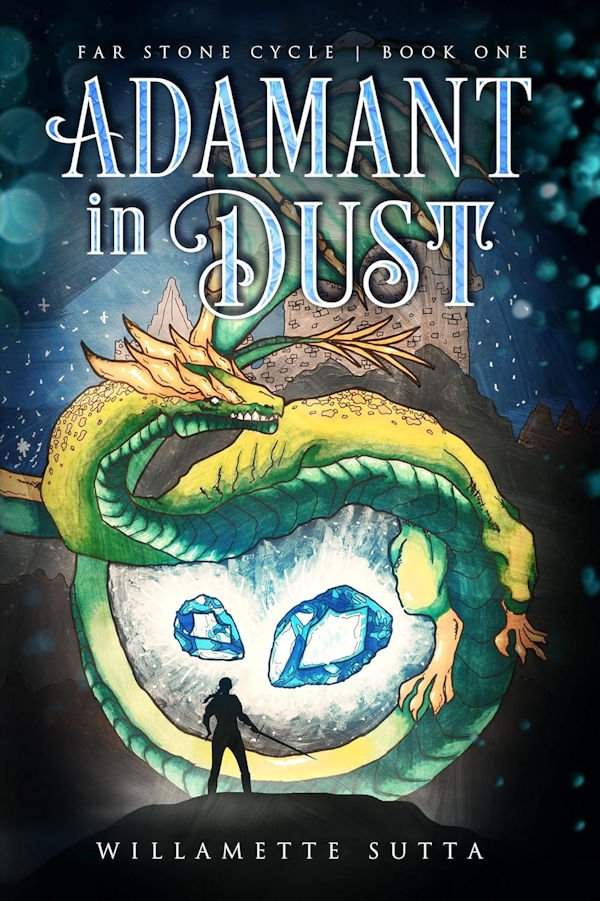
1. Adamant in Dust (Far Stone Cycle #1) by Willamette Sutta
This traditional high fantasy entry centers on the kingdom of Miran, the broken Far Stone Endurant, and the protagonist Pergi. The narrative hinges on a classic prophecy trope: a princess tasked with saving her realm, forced to navigate the political and magical fallout of her sister’s disappearance on her wedding day.
The Verdict: While the judges noted the author’s evident enthusiasm, the execution struggled to break new ground. The consensus was that the narrative felt too safe, relying on familiar genre tropes that failed to distinguish it from a crowded market. While the inclusion of a wyvern was a high point for some, the slow, exposition-heavy opening led many readers to lose interest before the central conflict could gain momentum.
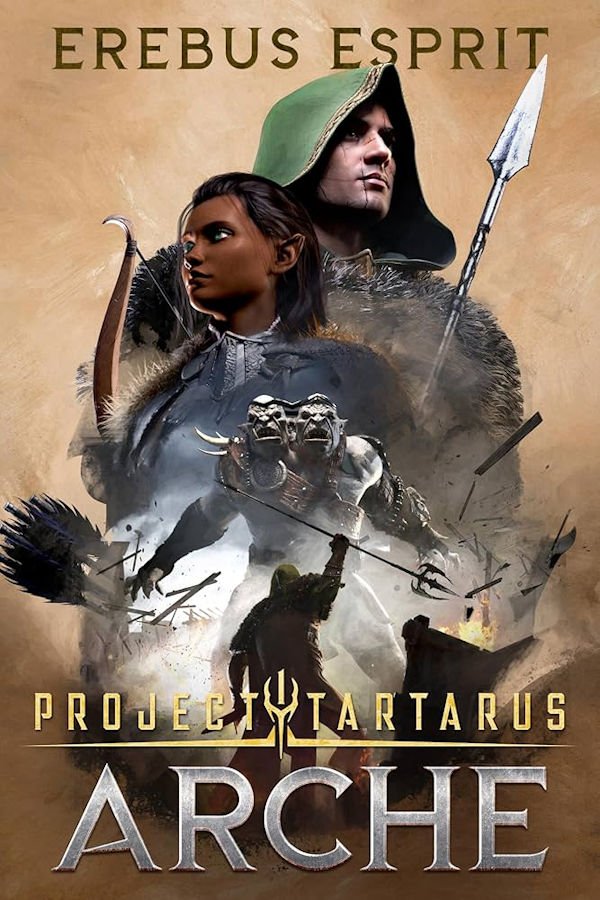
2. Arche (Project Tartarus #1) by Erebus Esprit
Venturing into the popular realm of LitRPG, Arche introduces a protagonist thrust into a dangerous, mysterious afterlife—"Tartarus"—with no memory and a system that assigns "levels" to everyone.
The Verdict: The book proved to be a divisive entry. The judges acknowledged the potential of the world-building and the intriguing setup for the series. However, the "crunchy" nature of the genre—specifically the heavy reliance on stat blocks and exhaustive mechanical explanations—created a significant barrier to immersion for several judges. While fans of hard-coded progression fantasy may find this appealing, it failed to capture the broader panel’s interest.
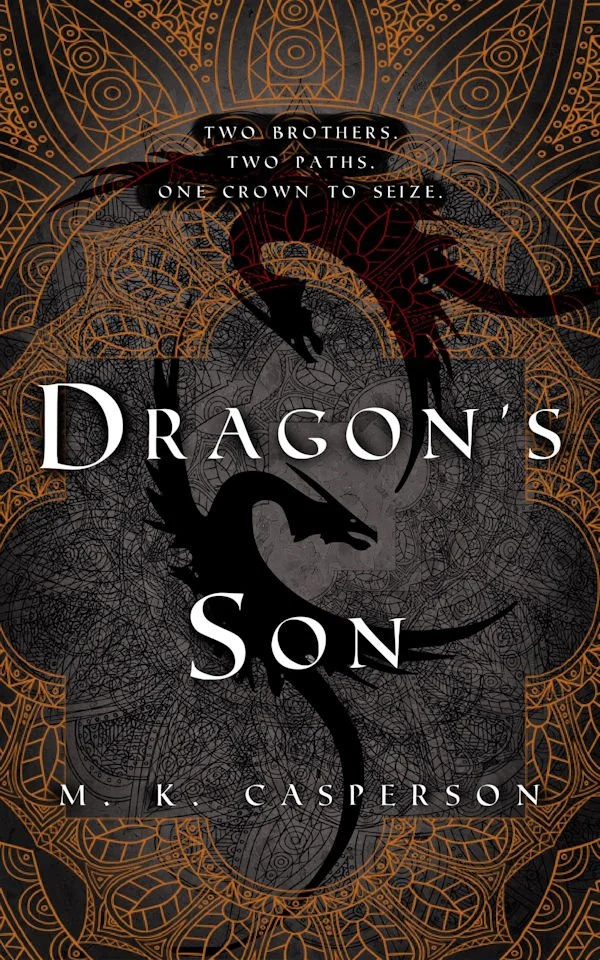
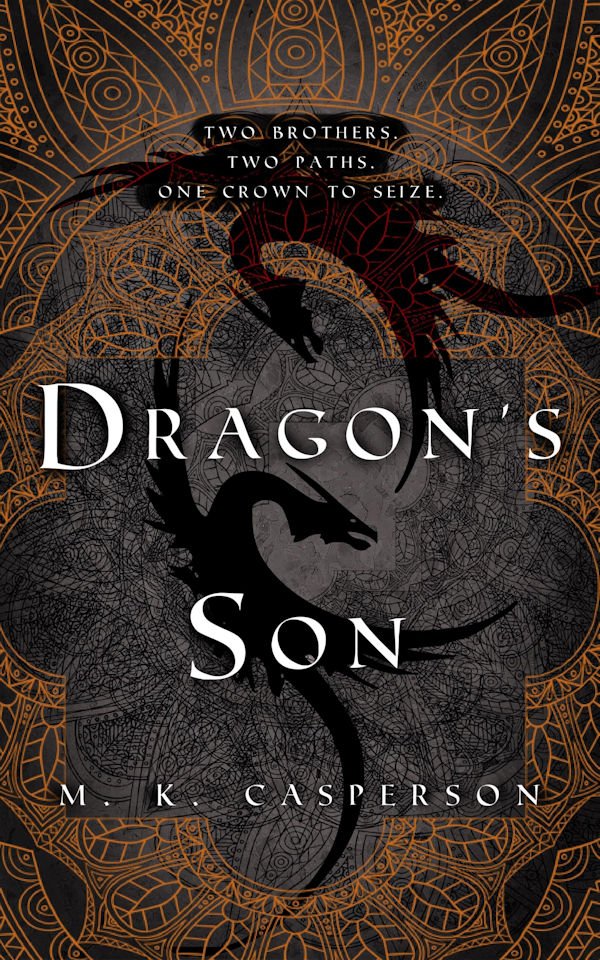
3. Dragon’s Son by M. K. Casperson
A tale of court intrigue and draconic heritage, this novel follows the Beotian Empire and the struggle of Princess Amarea to manage her husband, Alexis, who harbors a monstrous, draconic secret.
The Verdict: The judges praised the fast-paced nature of the prose and the engaging court politics. However, the speed proved to be a double-edged sword; the rapid pacing meant the story often relied on "telling" rather than "showing," which hindered emotional connection. Additionally, the panel flagged the depiction of a 12-year-old child bride as a point of contention, noting that aging the character up might have alleviated some of the discomfort surrounding the narrative’s romantic elements.
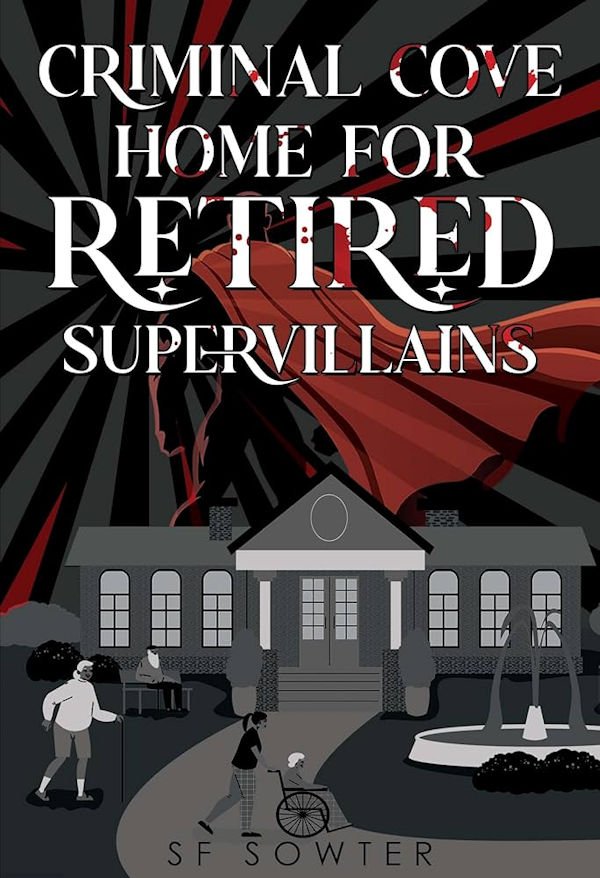
4. Home for Retired Supervillains (Criminal Cove #1) by SF Sowter
With a premise that caught the judges’ attention immediately, this story follows former supervillains confined to a high-tech facility in 2035. It is a darkly comedic exploration of aging, regret, and the blurred lines between hero and villain.
The Verdict: The concept was lauded, but the execution suffered from pacing issues. Where other books were too fast, this was too slow, bogged down by an excess of detail. Furthermore, the specific brand of abrasive humor and graphic content did not resonate with the panel, proving that even among judges who enjoy grimdark, tone and character voice are paramount to success.
5. The Waking of Storm and Flame (The Fates of Aten #1) by N. A. Betts
A debut epic fantasy, this novel follows Alira Verbrandt, a princess who discovers her divine bloodline as an empire threatens her homeland.
The Verdict: The prose itself was a highlight, standing out for its quality and flow. However, the book struggled to find its footing in the early chapters. The necessity of front-loading a massive amount of world-building data caused the story to lose direction, leaving the judges struggling to engage with the core narrative arc.
Supporting Data: The Judging Panel
The integrity of the SPFBO relies entirely on the expertise of its judges. This year’s panel at Fantasy Faction is comprised of 14 individuals, each bringing their own distinct critical lens to the table:
- The Panel: Adawia Asad, Eva Geraghty, Evelyn Grimald (“E.G.” Stone), Julia Kitvaria Sarene, Karen Lucia, Kerry Smith, Kit Caelsto, Maureen Neuman, Robert Max Freeman, Sara Rosevear, Sherry Cammer, Stacey Markle, Tianna Twyman, and Yaniv Rosenfeld Cohen.
This diversity of experience is intentional. By utilizing a panel with varying preferences for tone, pacing, and sub-genre, the SPFBO ensures that every book is evaluated through a multifaceted prism, even if the final result is a difficult "no."
Official Responses and Industry Implications
The announcement of the first five cuts has sparked the usual discourse within the indie community. Authors are reminded that the SPFBO is an evaluation of a specific book against a specific panel, not an objective assessment of an author’s career.
"We know it is tough to get judged like this," says Jennie Ivins, the editor and coordinator for this team. "We definitely appreciate the courage to put your work forward to a contest."
For the independent publishing industry, the SPFBO continues to be a vital pipeline. It filters the thousands of books released each year, highlighting those that balance technical execution with narrative ambition. The lessons from these first five cuts—that pacing must be intentional, that exposition must be integrated, and that tone must be consistent—serve as a masterclass for indie authors looking to refine their craft for future submissions.
Moving Forward
With 25 books remaining for this specific judging team, the competition is far from over. As the field narrows, the reviews will shift from initial impressions to in-depth critiques of the semi-finalists. Readers and authors are encouraged to follow the progress on the official SPFBO website, where the full list of 300 entrants is being tracked.
As the leaves of the "blossom tree" turn, so too will the pages of these 30 books. For the authors who have been cut, the journey does not end here; the feedback provided by the judges serves as a valuable tool for revision and growth. For those still in the running, the next few weeks will be critical as the judges narrow the list down to the best of the best.
The SPFBO 11 is not just a contest; it is a community conversation about what makes fantasy thrive. Whether a book makes it to the finals or is cut in the first round, the exposure provided by this platform remains one of the most significant boons for the independent author in the modern literary landscape.









No comments yet. Be the first to join the conversation!