
 Evan Lee Salim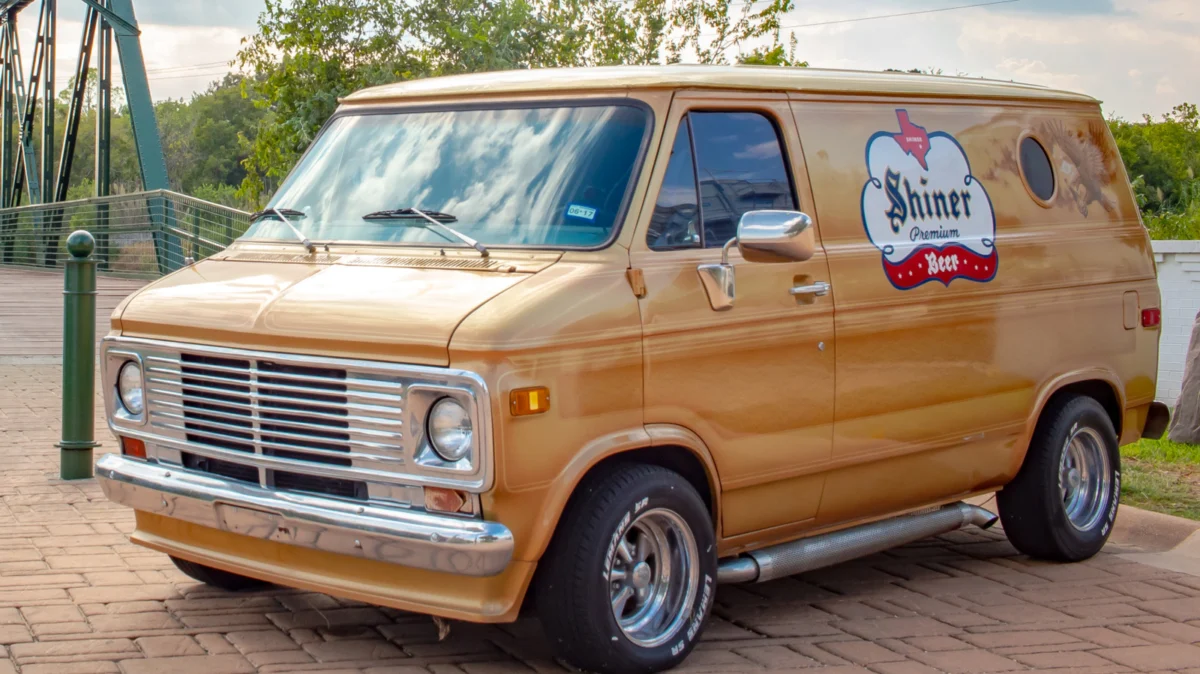
The 1970s occupy a paradoxical space in automotive history. Often criticized by purists for the "Malaise Era"—a period defined by choking emissions regulations, plummeting horsepower figures, and the looming shadow of the fuel crisis—the decade was nonetheless a hotbed of creative rebellion. For the average driver, the factory-stock vehicles of the era, from the humble Ford Pinto to the early, austere Honda Civics, were often uninspiring.
However, in the driveways and garages of America, a different story was unfolding. Enthusiasts, tired of the era’s tepid performance, took matters into their own hands. They transformed mundane commuters and iconic muscle cars alike into rolling expressions of personal identity. This was the era of the "street machine," where the goal was as much about attitude as it was about speed. From the raked stance of a lifted Camaro to the heavy, rhythmic thumping of an 8-track or cassette deck, the ’70s car scene was a masterclass in over-the-top personalization.
A Chronology of Customization: The Shift in Automotive Culture
To understand the modification trends of the 1970s, one must first understand the social context. The 1960s were the pinnacle of the factory-built muscle car, but by 1973, rising insurance premiums and federal safety standards had effectively killed the high-compression engine.
Early 1970s: The Drag Strip Influence
In the early part of the decade, the aesthetic was strictly "pro-street." If you couldn’t make your car faster at the drag strip, you made it look like you were ready to compete at the NHRA Nationals. This led to the adoption of functional drag-racing equipment—traction bars, wide-profile tires, and aggressive suspension setups—for daily driving.
Mid-to-Late 1970s: The Rise of the Custom Van and "Street Machine"
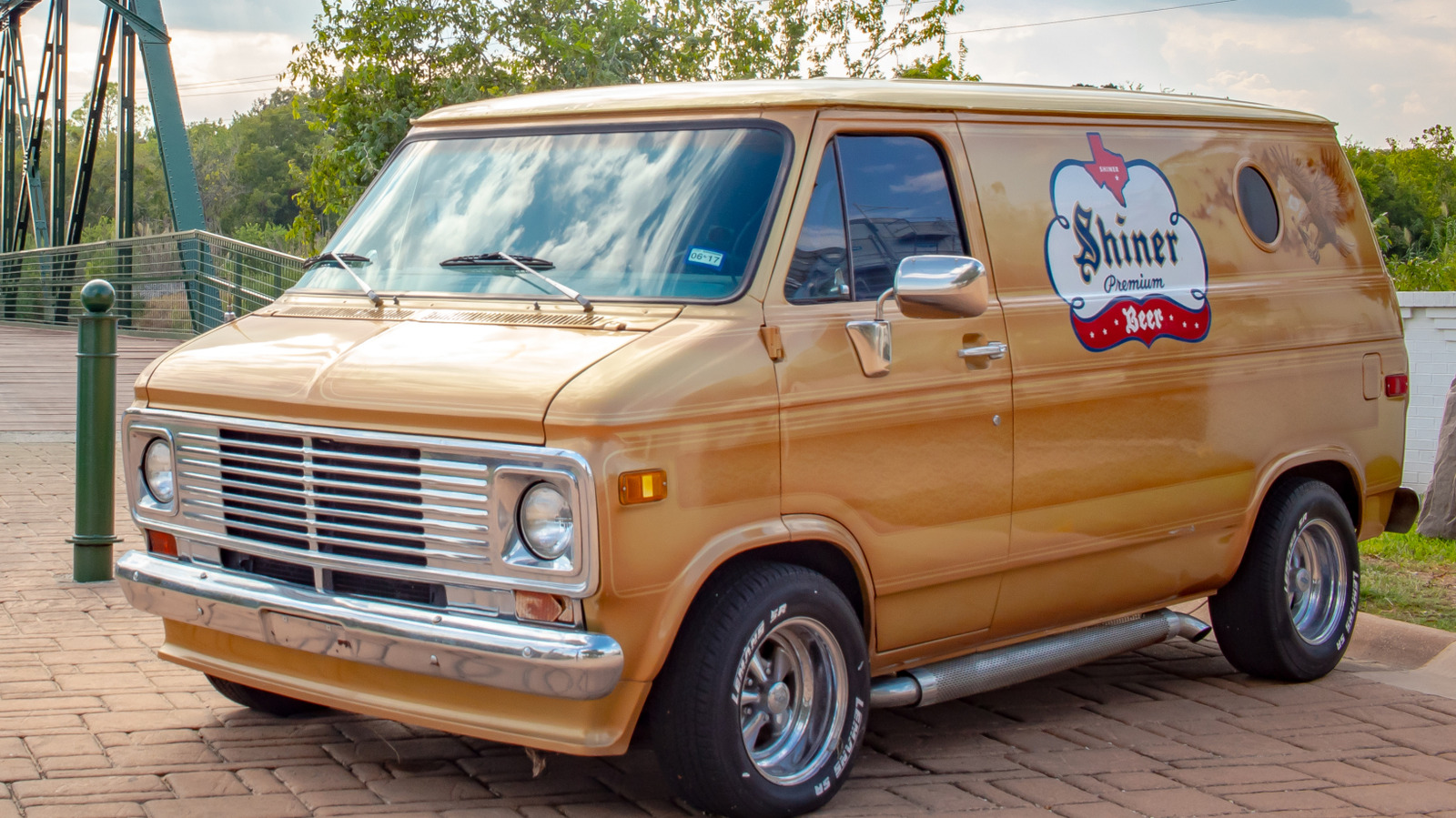
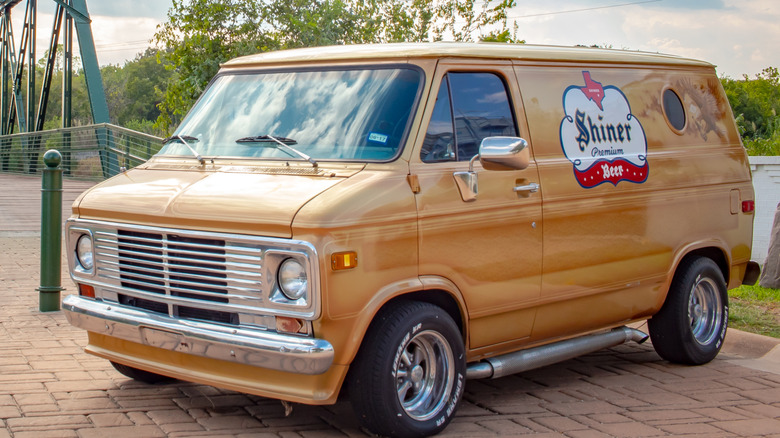
As the decade progressed, the focus shifted from pure performance to lifestyle customization. The "Vanning" movement took hold, turning Ford Econolines and Chevy Vans into mobile lounges. This era cemented the popularity of side pipes, elaborate interior upholstery, and high-fidelity audio systems. By the late ’70s, even Japanese imports began receiving the "custom treatment," with owners adding slot mags and window louvers to transform small, economy-focused imports into personalized cruisers.
The Five Pillars of ’70s Car Modification
The trends that defined the decade were rarely subtle. They were designed to be noticed, heard, and admired. Below is a breakdown of the most significant modifications that shaped the visual and auditory landscape of the era.
1. Side Pipes: A Loud Declaration of Presence
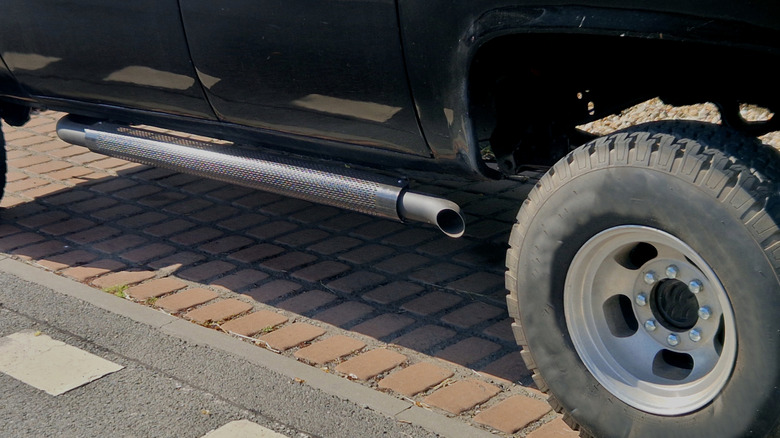
Few modifications are as synonymous with the 1970s as side pipes. While the concept originated on purpose-built racing machines to save weight and maximize exhaust flow, the ’70s adaptation was purely about bravado. By running the exhaust system along the rocker panels and terminating just ahead of the rear wheels, owners turned their vehicles into rolling soundboards.
The cultural impact of the side pipe was so profound that manufacturers took notice. The 1978-1979 Dodge Li’l Red Express pickup remains the ultimate factory homage to this trend, featuring vertical exhaust stacks behind the cab. Even today, the appeal persists; manufacturers continue to produce modern "retro" side pipe kits, proving that the desire for a raw, aggressive exhaust note remains a powerful draw for classic car collectors.
2. Fat Tires, Air Shocks, and the Raked Stance
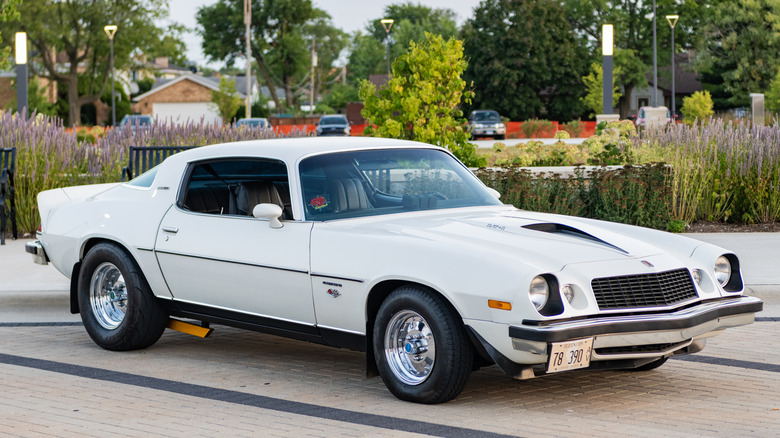
The "raked" look—where the rear of the vehicle sits significantly higher than the front—was the visual shorthand for a performance machine in the ’70s. This look was achieved through a combination of heavy-duty air shocks and, frequently, an "over-tired" setup.
Owners would squeeze the widest rear tires possible into their wheel wells, often allowing them to protrude past the fender line. While this provided a crude form of "mechanical grip" on the strip, it was often used to simulate a drag-ready appearance. Adjustable air shocks were the technological enabler, allowing owners to pump up their rear suspension for the desired "aggressive" stance before hitting the cruise strip.
3. Window Louvers: Functional Aesthetics
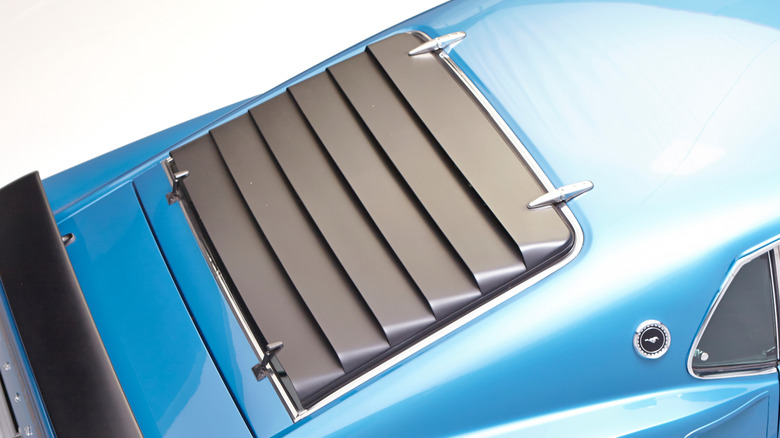
Rear window louvers are a hallmark of late-’70s design, particularly for fastback coupes like the Ford Mustang II and the Chevrolet Camaro. From an engineering perspective, they served a legitimate purpose: they reduced interior heat and blocked harsh UV rays, a practical necessity in the days before high-efficiency window tinting.
However, their popularity was driven by their visual complexity. They added a sense of technical intricacy to the car’s rear profile. The trend became so iconic that modern automotive design has circled back to it; the current Dodge Challenger offers factory-authorized louver accessories, proving that the aesthetic holds a timeless appeal for enthusiasts of the "pony car" silhouette.
4. The Cassette Revolution
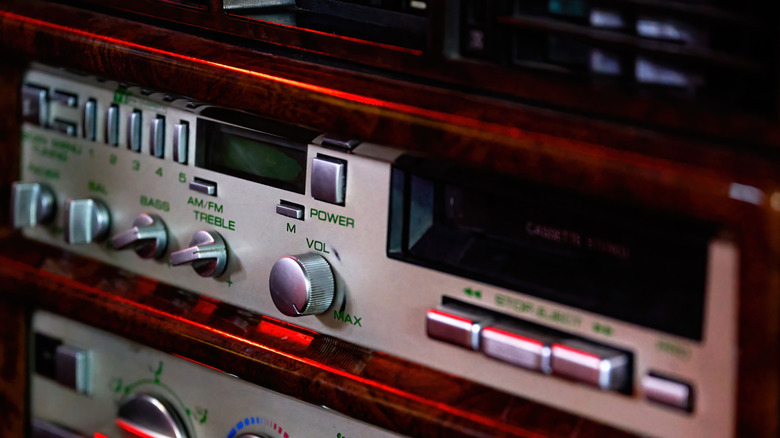
The 1970s saw the democratization of high-fidelity car audio. Before the cassette deck, drivers were limited to the radio or the fleeting popularity of the bulky 8-track player. The cassette tape changed the game, offering superior sound quality and, crucially, the ability for the user to create their own "mix tapes."
This was the first time that the average driver had full control over their auditory environment. Aftermarket manufacturers like Pioneer, Alpine, and Clarion turned dashboard installation into a high-tech industry. For a period-correct ’70s build, a high-end cassette deck isn’t just an accessory; it is the centerpiece of the interior experience.
5. Slot Mag Wheels: The Universal Icon
If there is one part that defines the decade, it is the "slot mag." Despite the name, many of these wheels were cast from aluminum, yet "mag" became the universal term for any high-performance aftermarket wheel. The pioneering Ansen Sprint wheel, with its clean, five-hole design, became the gold standard.
The ubiquity of the slot mag was its greatest strength. You could find them on everything from a dune buggy to a Ford Gran Torino (as seen on the iconic Starsky & Hutch cruiser). They were adaptable, durable, and possessed a timeless design language that bridged the gap between raw muscle and the emerging custom-car movement.
Implications for Modern Enthusiasts
The modifications of the 1970s have aged into a distinct aesthetic category known as "period-correct." While modern performance engineering has moved toward fuel injection, aerodynamic optimization, and low-profile tires, there is a growing segment of the automotive community dedicated to preserving the ’70s "Street Machine" style.
Market Trends and Value
Classic car auctions currently show a bifurcated market. While "survivor" cars with their original, unmolested factory condition often fetch the highest prices, there is a massive sub-market for high-quality, period-correct restorations. Vehicles that have been outfitted with vintage-style slot mags, functional period-style side pipes, and authentic aftermarket audio equipment are seeing increased interest from Gen X and Millennial buyers who grew up idolizing these modified machines.
Implications for Future Restoration
For restorers, the challenge is finding original-spec parts. Because many of these items (like air shocks or old-school cassette decks) were subjected to heavy wear and tear, "new old stock" (NOS) parts are becoming increasingly rare and expensive. However, the surge in interest has prompted a cottage industry of reproduction parts manufacturers.
Conclusion
The 1970s were not a decade of technical perfection, but they were a decade of immense character. The modifications that emerged during this time—the loud exhausts, the jacked-up rears, the slot-mag wheels—were not merely about vanity. They were about reclaiming the automobile as a canvas for self-expression. In an age where modern cars are becoming increasingly homogenized by software and safety regulations, looking back at the ’70s serves as a reminder of what happens when human ingenuity meets a set of wrenches and a desire to stand out from the crowd. Whether you love them or hate them, these modifications helped define an era that continues to influence the way we view, customize, and cherish our cars today.


 Raul Delapena Setiawan
 Neng Nana




