Nana Muazin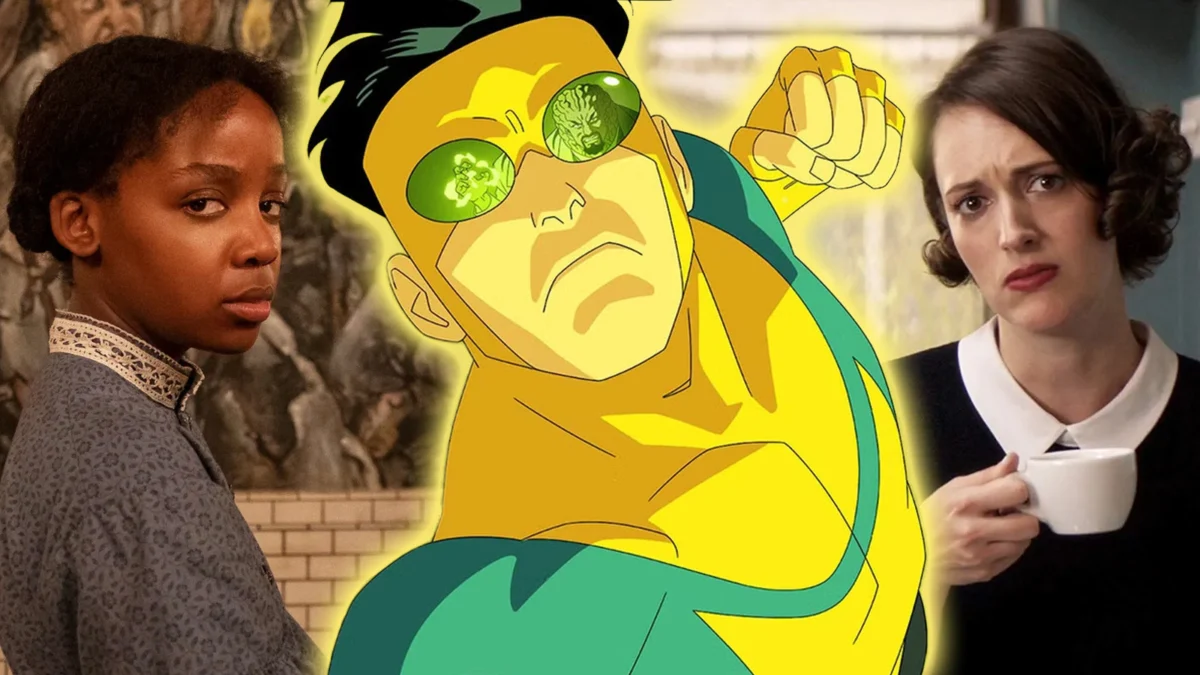
When the streaming landscape began its rapid metamorphosis in the early-to-mid 2010s, the battle for digital supremacy seemed to be a one-horse race. Netflix had effectively monopolized the "prestige" conversation with House of Cards and Orange Is the New Black, establishing a template for original content that looked, felt, and functioned like high-end cable television. Competitors like Hulu were viewed as secondary, and the concept of a tech conglomerate—namely Amazon—producing high-caliber original fiction was met with significant skepticism.
That perception shifted irrevocably in 2015 when Amazon Prime Video secured its first Emmy Award. In the decade since, the streaming wars have escalated into a volatile arena marked by corporate consolidation and the frequent "sloppification" of media content. Yet, amidst this landscape of fluctuating quality, Amazon has consistently managed to serve as a home for auteur-driven, experimental, and genre-defining television. Below, we rank the ten most significant series in the history of Prime Video, tracing the platform’s evolution from a digital experiment to a titan of the modern television industry.
10. Reacher (2022–Present)
The Anatomy of a Modern Blockbuster
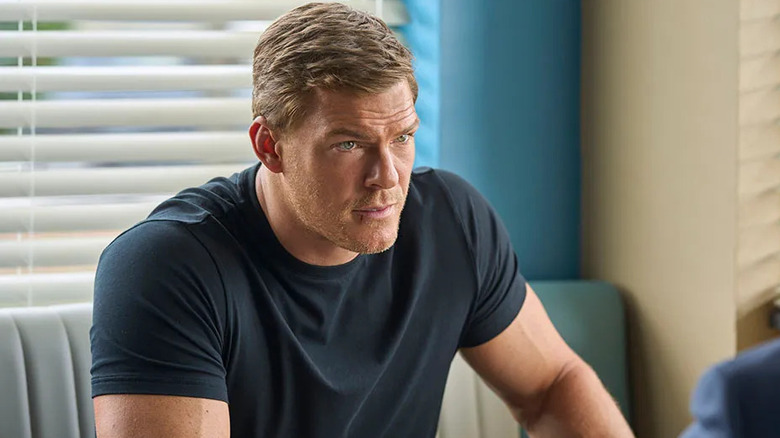
For years, Paramount struggled to translate Lee Child’s Jack Reacher novels into a sustainable film franchise, with the casting of Tom Cruise creating a persistent friction between the character’s literary description and his on-screen portrayal. When Amazon acquired the rights, they prioritized physical authenticity and character charisma. The casting of Alan Ritchson proved to be a masterstroke. Ritchson’s Reacher is a force of nature—at once an unstoppable physical threat and a sharply observant drifter. By balancing high-octane action with a self-aware script, the series has become the benchmark for contemporary action-thrillers. With Season 3’s record-breaking viewership and a spin-off focused on Frances Neagly (Maria Sten) already in the works, Reacher stands as the crown jewel of Amazon’s populist entertainment strategy.
9. Transparent (2014–2019)
A Watershed Moment for Streaming
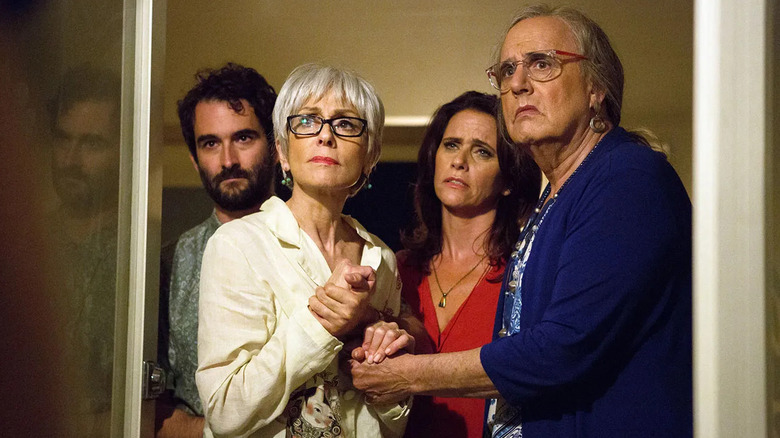
Transparent arrived in 2014, acting as a cultural catalyst during a period when the American public was only just beginning to broaden its understanding of the trans experience. Creator Joey Soloway, drawing from personal experience, crafted an intimate portrait of Maura Pfefferman, a trans woman navigating her identity in her 70s. While the series’ legacy is now complicated by the off-screen controversies surrounding lead actor Jeffrey Tambor, its impact on the industry cannot be overstated. It was the first streaming series to win a "Best Series" Golden Globe, effectively proving that Amazon could compete with the most prestigious cable networks. It forced an entire industry to move beyond surface-level representation, demanding that viewers engage with the complex, often messy realities of gender identity and family dynamics.
8. The Legend of Vox Machina (2022–Present)
From Tabletop to Television Triumph
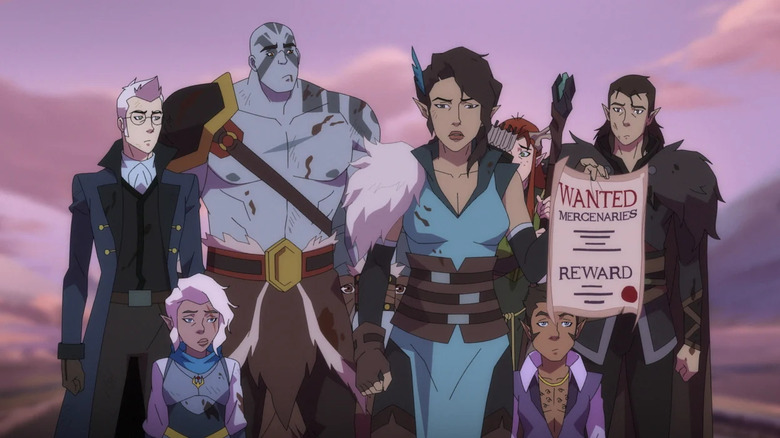
Few projects illustrate the disruptive potential of modern media better than The Legend of Vox Machina. Born from the wildly successful "actual-play" Dungeons & Dragons series Critical Role, this animated fantasy series turned hundreds of hours of improvisational gameplay into a tightly paced, narratively efficient television epic. By maintaining the spontaneity of its source material while imposing the structural rigor of a premium show, the creative team—led by the original voice cast—succeeded where many high-budget fantasy adaptations have failed. It is a rare example of a streaming platform nurturing a niche, fan-funded project into a mainstream hit without diluting its chaotic, joyful spirit.
7. Bait (2026)
Satirizing the Casting Machine
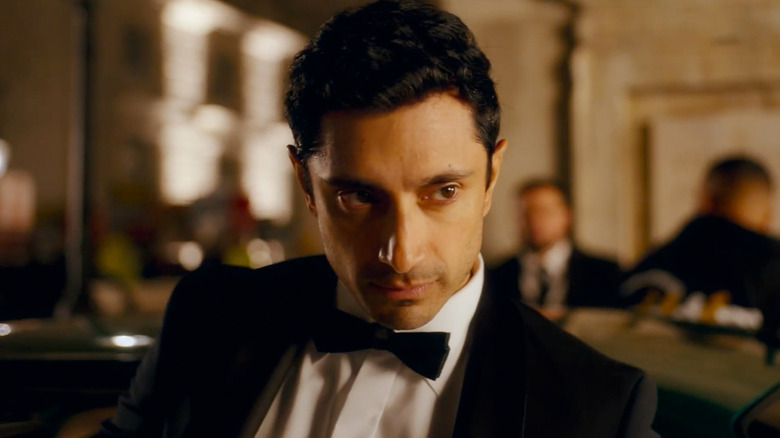
The most recent entry on this list, Bait, offers a biting meta-commentary on the contemporary entertainment industry. Starring Riz Ahmed as a struggling actor who fumbles a James Bond audition, the series explores the intense, often toxic pressure surrounding high-profile casting processes and the politics of representation. Ahmed’s performance, layered with his own proximity to the industry’s exclusionary practices, gives the series an emotional weight that elevates it above typical satire. Bait serves as a poignant reminder that even as platforms lean toward franchise content, there is still space for challenging, self-reflective narratives that interrogate the systems behind the screen.
6. I’m a Virgo (2023)
Surrealism as Social Critique
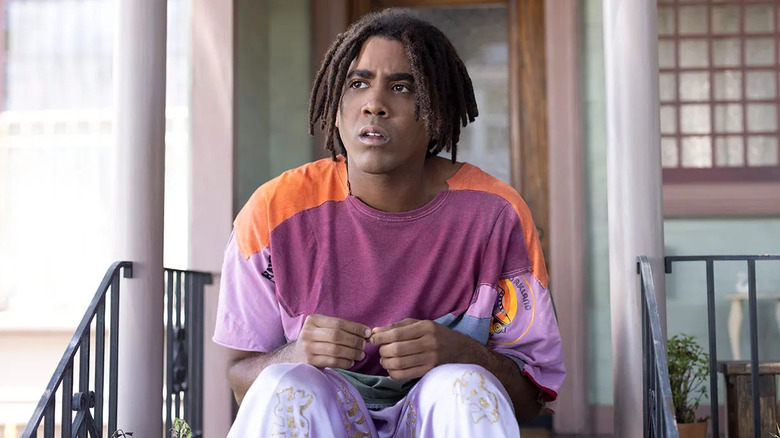
Boots Riley’s I’m a Virgo is arguably the most imaginative entry in the superhero genre today. By focusing on Cootie, a 13-foot-tall young man navigating a world that simultaneously exploits and fears him, the series offers a scathing critique of capitalism and modern media. While The Boys may have a larger footprint, I’m a Virgo provides a deeper, more surreal exploration of what it means to be an "outsider" in America. It represents an evolution in Amazon’s strategy: betting on distinct, visionary filmmakers who are given the canvas to create works that defy traditional genre tropes.
5. Invincible (2021–Present)
Redefining the Superhero Genre
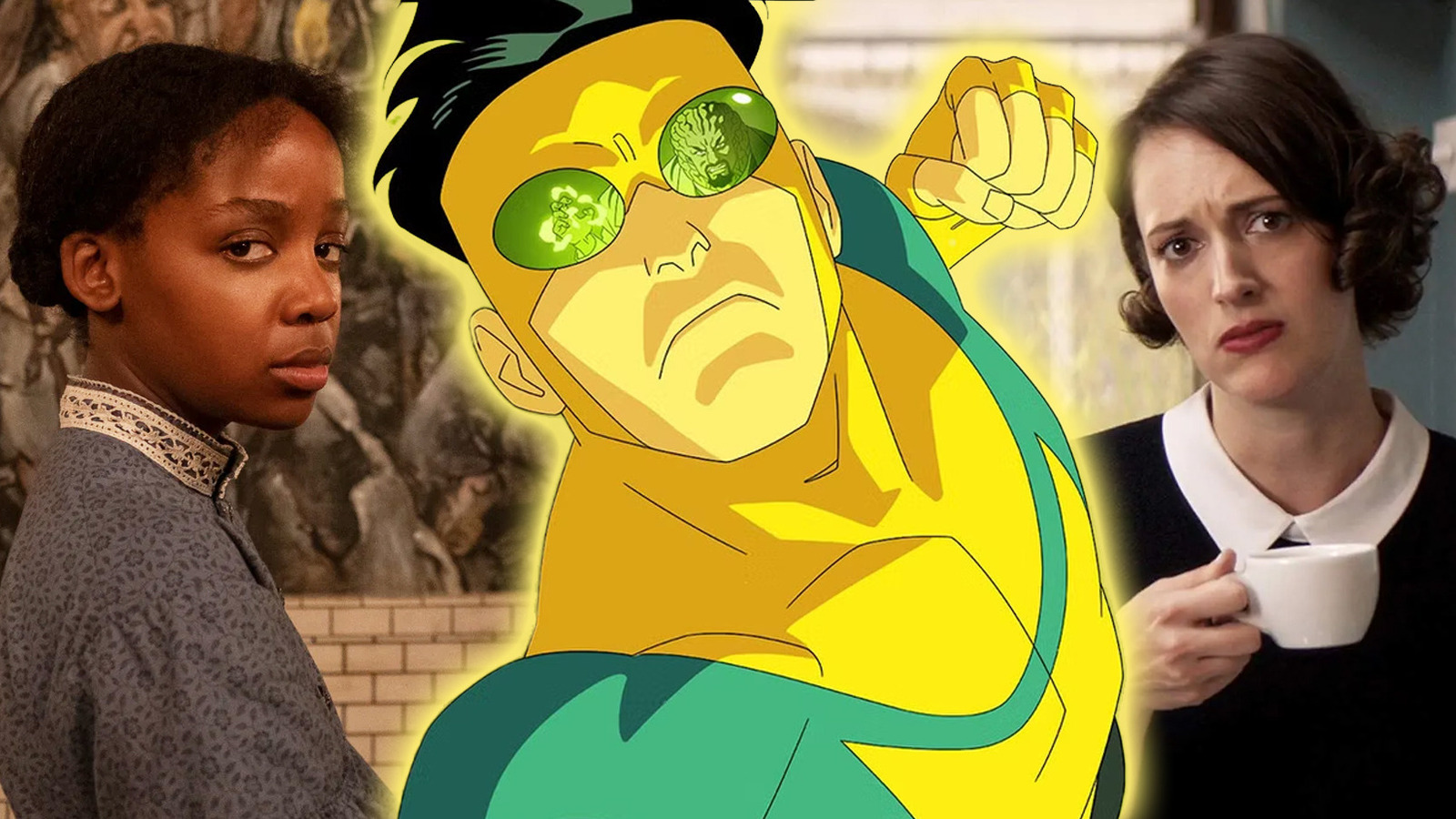
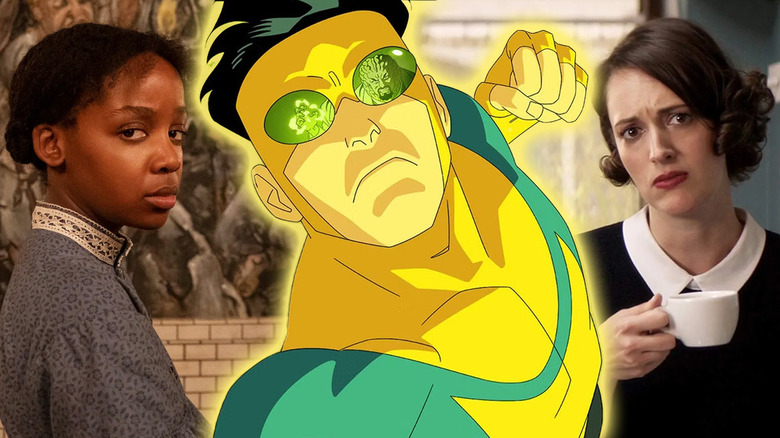
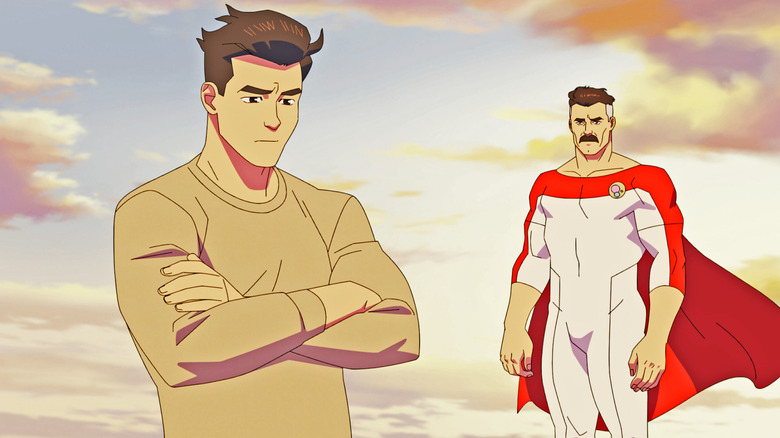
Robert Kirkman’s Invincible is the definitive adult animated series of the current era. Adapting his own comic book work, Kirkman manages to improve upon the source material decades later, tightening plot points and injecting profound human realism into a world of god-like beings. The vocal performances—led by Steven Yeun, Sandra Oh, and J.K. Simmons—anchor the show’s high-stakes violence in genuine emotional turmoil. The series has become an exemplar of how to handle mature superhero narratives, proving that adult animation can be just as complex and character-driven as live-action prestige dramas.
4. Undone (2019–2022)
Existentialism Through Rotoscope
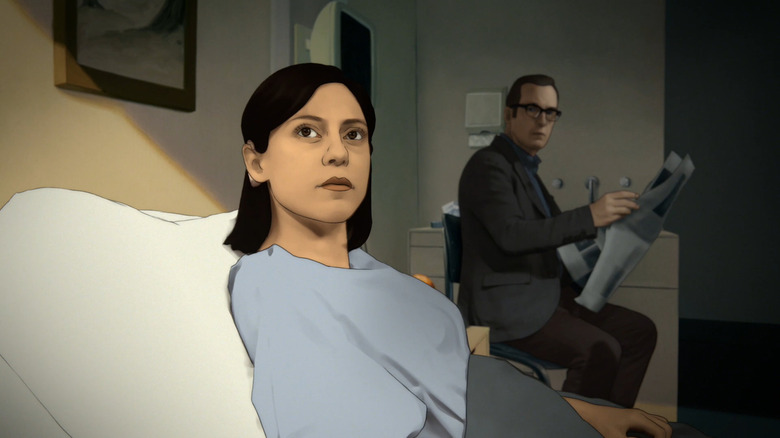
Co-created by Raphael Bob-Waksberg and Kate Purdy, Undone utilizes the unique medium of rotoscoping to tell a haunting story of memory, trauma, and mental health. Rosa Salazar’s portrayal of Alma, a woman who may or may not be traveling through time, invites the audience into a state of perpetual ambiguity. Like BoJack Horseman before it, Undone is a masterclass in existential inquiry. Its ability to balance stylistic experimentation with deep, human-centric storytelling cements its place as one of the most sophisticated pieces of television produced by any streamer.
3. The Marvelous Mrs. Maisel (2017–2023)
The Standard-Bearer for Period Comedy
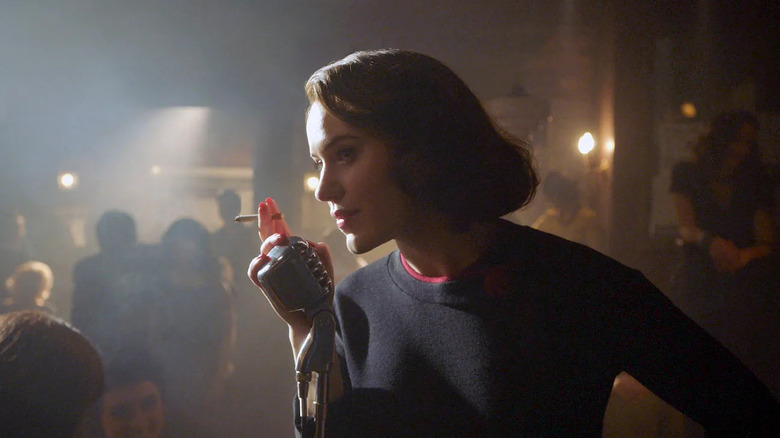
When The Marvelous Mrs. Maisel debuted, it was Amazon’s most ambitious project to date: a lavish, period-piece comedy from the creator of Gilmore Girls. It quickly became the first streaming show to secure an Emmy for Outstanding Comedy Series, setting the bar for everything that followed. The series’ success relies on more than its impeccable production design; it is driven by a sharp, intelligent, and relentlessly charming script. Miriam Maisel’s journey from a housewife to a stand-up comedian serves as a brilliant metaphor for the struggle for creative agency. It remains a magnum opus of television comedy, defined by its wit and its complete command of its own world.
2. The Underground Railroad (2021)
A Masterpiece of Cinematic Storytelling
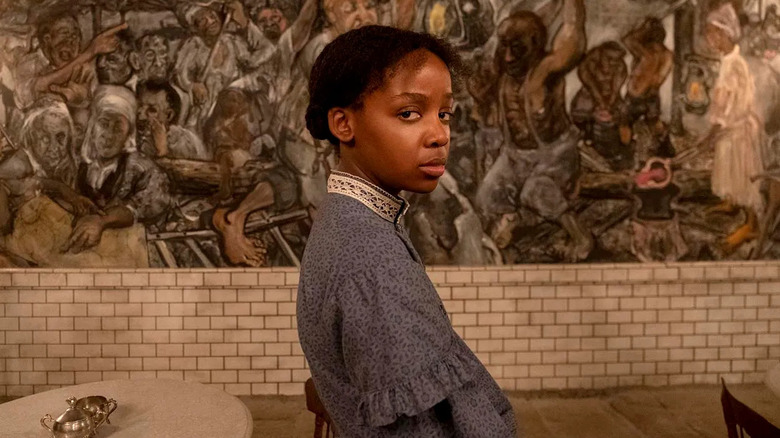
Barry Jenkins’ The Underground Railroad is, in many ways, the pinnacle of Prime Video’s original content. By treating the miniseries format with the same visual care and narrative depth as a feature film, Jenkins transformed Colson Whitehead’s novel into a haunting, essential piece of history-bending art. The show’s relative lack of massive, sustained cultural conversation is a byproduct of its distribution model, but it stands as a testament to what happens when a generational filmmaker is given total creative control. It is a grueling, beautiful, and profoundly important work that demands to be seen.
1. Fleabag (2016–2019)
The Ultimate Expression of Radical Empathy
If The Marvelous Mrs. Maisel represents the peak of polished, world-building comedy, Fleabag represents the absolute zenith of human-centric drama. Over two perfect seasons, Phoebe Waller-Bridge redefined the potential of the television medium. Fleabag is not just a show about a woman behaving badly; it is a profound exercise in radical empathy. By breaking the fourth wall, the protagonist invites the audience into her most private moments of grief, shame, and desire. It forced viewers to confront their own flaws through the lens of a character who refuses to hide her own. While Amazon has since pursued shows with larger budgets and higher spectacle, Fleabag remains the most significant and influential series in the streamer’s history. It changed the language of television, proving that the most powerful stories are often the most intimate ones.
Implications for the Future
The progression from Transparent to Fleabag and finally to genre-defying works like The Underground Railroad highlights a clear trend: Amazon Prime Video functions best when it empowers singular creative voices. As the industry moves toward a model dominated by safe, IP-driven content, these ten shows serve as a reminder that the "streaming wars" are not just a competition for subscribers, but a competition for cultural relevance. For Amazon, the future of their platform will likely depend on whether they continue to invest in the risky, visionary projects that defined their most celebrated successes, or if they succumb to the temptation of total creative homogenization. For now, however, these ten series stand as evidence that when the corporate machine gets it right, it can produce art that rivals the best in human history.

 Nana Wu
 Layla Zulfa