
 Nana Wu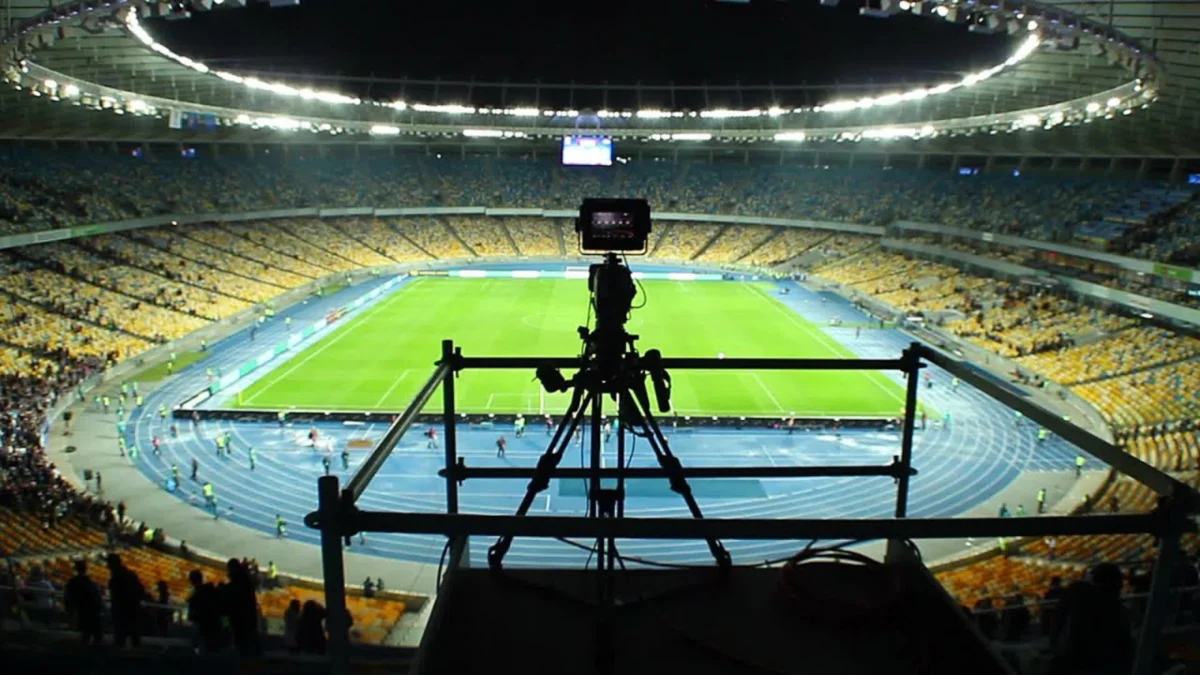
In an era defined by media fragmentation and the rapid erosion of traditional linear television audiences, one pillar of the entertainment landscape remains resolutely unshakeable: live sports. According to a landmark report from eMarketer, shared exclusively with ADWEEK, the ecosystem surrounding live sports advertising is undergoing a profound transformation, positioning itself as a $20 billion juggernaut by 2027.
This shift, driven by the aggressive convergence of traditional broadcast and connected TV (CTV) strategies, signals a new chapter in how brands reach consumers. While other genres of television struggle to hold the attention of a digital-native audience, live sports continues to command massive, simultaneous viewership, making it the most coveted real estate in the media-buying world.
The State of the Industry: Converged TV Ad Spend
For the first time, eMarketer has isolated U.S. converged ad spend on sports, providing a granular look at how dollars are flowing into the ecosystem. This data combines legacy linear television budgets with the rapidly expanding CTV marketplace, treating them as a unified engine rather than siloed channels.
The numbers reveal a trajectory that defies broader market trends. In 2027, the industry is projected to clear the $20 billion threshold. By 2030, that figure is expected to swell to nearly $25 billion. This growth is not merely incremental; it represents a fundamental re-allocation of advertising capital from general entertainment into the high-stakes, high-impact world of live sports programming.
A Chronology of the Sports-Media Pivot
To understand how we arrived at this $20 billion forecast, one must look at the last decade of media evolution.
2015–2019: The Linear Fortress
During this period, live sports remained the "last man standing" of traditional cable. As cord-cutting began to accelerate, sports rights fees skyrocketed. Advertisers, fearing the loss of mass reach, doubled down on the NFL, NBA, and MLB, viewing these broadcasts as the only reliable way to achieve "reach at scale."
2020–2022: The Pandemic Acceleration
The COVID-19 pandemic served as a catalyst for digital adoption. When live sports returned to empty stadiums, viewership patterns shifted. Fans began experimenting with streaming services, and the traditional "water cooler" moment moved from the office breakroom to social media platforms and OTT apps. This period forced legacy broadcasters to integrate digital components into their sports packages.
2023–2025: The Rise of the Converged Buy
We are currently in the era of convergence. Advertisers are no longer buying "TV" or "Digital"; they are buying "Live Sports Audience." The integration of programmatic buying into live sports environments has allowed brands to target specific demographics during games, bridging the gap between the reach of linear and the precision of digital.
2026–2030: The $20 Billion Horizon
The upcoming years are expected to be defined by technical maturation. With the integration of AI-driven ad insertion, interactive shoppable ads, and personalized dynamic creative, the value of every minute of commercial airtime during a live game will increase significantly.
Supporting Data: Why Sports Commands a Premium
The eMarketer report underscores a critical reality: while television as a whole is fragmenting, the "Live Event" category is consolidating.
The Audience Fragmentation Paradox
As viewers migrate to on-demand platforms, the ability for a brand to place a message in front of millions of people at the exact same time has become a scarce resource. Sports is the only genre left that delivers this.
- Mass Reach: Major games—from the Super Bowl to the NBA Finals—consistently draw tens of millions of viewers.
- Cultural Currency: Sports are "spoiler-proof." Because the outcome is unknown, the audience watches in real-time, effectively neutralizing the threat of DVR or ad-skipping technology.
- The CTV Advantage: Unlike traditional cable, CTV offers advertisers access to rich first-party data. This allows brands to serve ads that are relevant to the user’s history, even within the context of a massive live broadcast.
The Spending Breakdown
The shift to a $20 billion business is fueled by a move away from static ad-buying. Brands are increasingly moving toward "total video" strategies. In 2024 and 2025, we are seeing a marked increase in mid-tier sports properties—such as women’s sports leagues and niche college conferences—receiving the same programmatic investment as major national leagues, further inflating the total market size.
Official Responses and Industry Sentiment
Industry leaders are viewing this data as a validation of their long-term digital transformation strategies.
"The numbers confirm what we have observed on the front lines," said an executive from a major media agency, requesting anonymity. "Advertisers are no longer asking if they should invest in sports; they are asking how they can optimize their spend across the linear-CTV divide. The $20 billion figure isn’t just a goal; it’s a reflection of the reality that sports is the bedrock of the modern media portfolio."
Analysts at eMarketer note that this is the first time the market has been analyzed in this specific "converged" manner. "By looking at the total pot of money—traditional and digital—we see a much clearer picture of the value of sports," a lead analyst stated. "It’s not that linear is dying; it’s that it is evolving into a hybrid ecosystem where the delivery mechanism matters less than the content itself."
Implications: What This Means for the Future
The projected growth to $25 billion by 2030 carries significant implications for every stakeholder in the advertising value chain.
1. For Advertisers: The Cost of Entry
The "Sports Premium" is only going to increase. Smaller brands may find themselves priced out of the largest marquee events, forcing them to turn to data-driven, programmatic ad buys during regional or niche sports events. The ability to use first-party data to target viewers during these games will be the primary differentiator between successful campaigns and wasted spend.
2. For Broadcasters: The Digital Pivot
Traditional networks can no longer afford to treat their digital arms as secondary. The $20 billion milestone is predicated on the seamless integration of linear and streaming. Networks that fail to provide a unified reporting and buying interface will lose out to platforms like Amazon Prime Video or YouTube TV, which have built their infrastructure on a digital-first foundation.
3. For Consumers: The End of "Traditional" Commercials?
As the value of ad slots rises, the user experience will likely change. We should expect to see more "non-interruptive" advertising. Picture-in-picture ads, virtual product placement (where a logo is digitally inserted onto the court or field), and gamified commercial breaks will become the standard. The goal for advertisers is to maintain the "live" feeling while ensuring the brand is integrated into the viewing experience rather than a distraction from it.
4. For Leagues and Teams: The Power Shift
As advertising dollars flow more heavily into converged media, sports leagues gain more leverage. With the ability to offer brands an integrated package of linear broadcast reach and targeted digital exposure, teams and leagues are transforming into full-service media houses. Expect to see leagues invest heavily in their own direct-to-consumer apps, creating a proprietary environment where they control both the content and the ad-serving infrastructure.
Conclusion: A Resilient Future
The forecast of a $20 billion sports advertising market by 2027 is a testament to the enduring power of live, shared human experiences. In a digital world where almost everything is personalized, on-demand, and asynchronous, the live game remains the final, powerful point of convergence.
As we look toward 2030, the line between "TV" and "Digital" will continue to blur until it disappears entirely. The advertising dollars will follow the eyeballs, and the eyeballs are staying firmly locked on the screen when the whistle blows. For brands, agencies, and media companies, the strategy is clear: embrace the convergence or risk being sidelined in the most lucrative arena in the industry.
For more insights into the future of media and advertising, join ADWEEK at Cannes Lions 2026. Engage with industry leaders, participate in critical conversations, and gain the intelligence needed to navigate the evolving media landscape.


 Azzam Bilal Chamdy
 Sagoh
Sagoh





