The digital landscape is currently witnessing a profound schism in how major media platforms approach the rise of artificial intelligence. While the music streaming industry has moved with aggressive, defensive speed to safeguard its ecosystem from an influx of synthetic content, the world of online video—led by the behemoth that is YouTube—appears to be taking a vastly different, and arguably more permissive, approach.
As AI-generated content continues to proliferate, the divergence in strategy reveals a fundamental truth about the internet economy: whether you fight the bots or invite them in depends entirely on where your money comes from.
The Music Industry’s Defensive Wall: A Chronology of Action
The music industry’s reaction to AI-generated "slop"—a colloquial term for low-effort, mass-produced content created by AI models—has been swift and increasingly punitive. The fear is palpable: that platforms will be flooded with mediocre, AI-cloned tracks that dilute the value of human artistry and siphon away royalty payments from legitimate creators.
The "Groundhog Day" cycle of policy updates began in earnest as major platforms realized the scale of the threat.
- Early 2024: The industry consensus began to shift from passive observation to active containment. Major labels and streaming services initiated dialogues regarding the training of AI models on copyrighted music without consent.
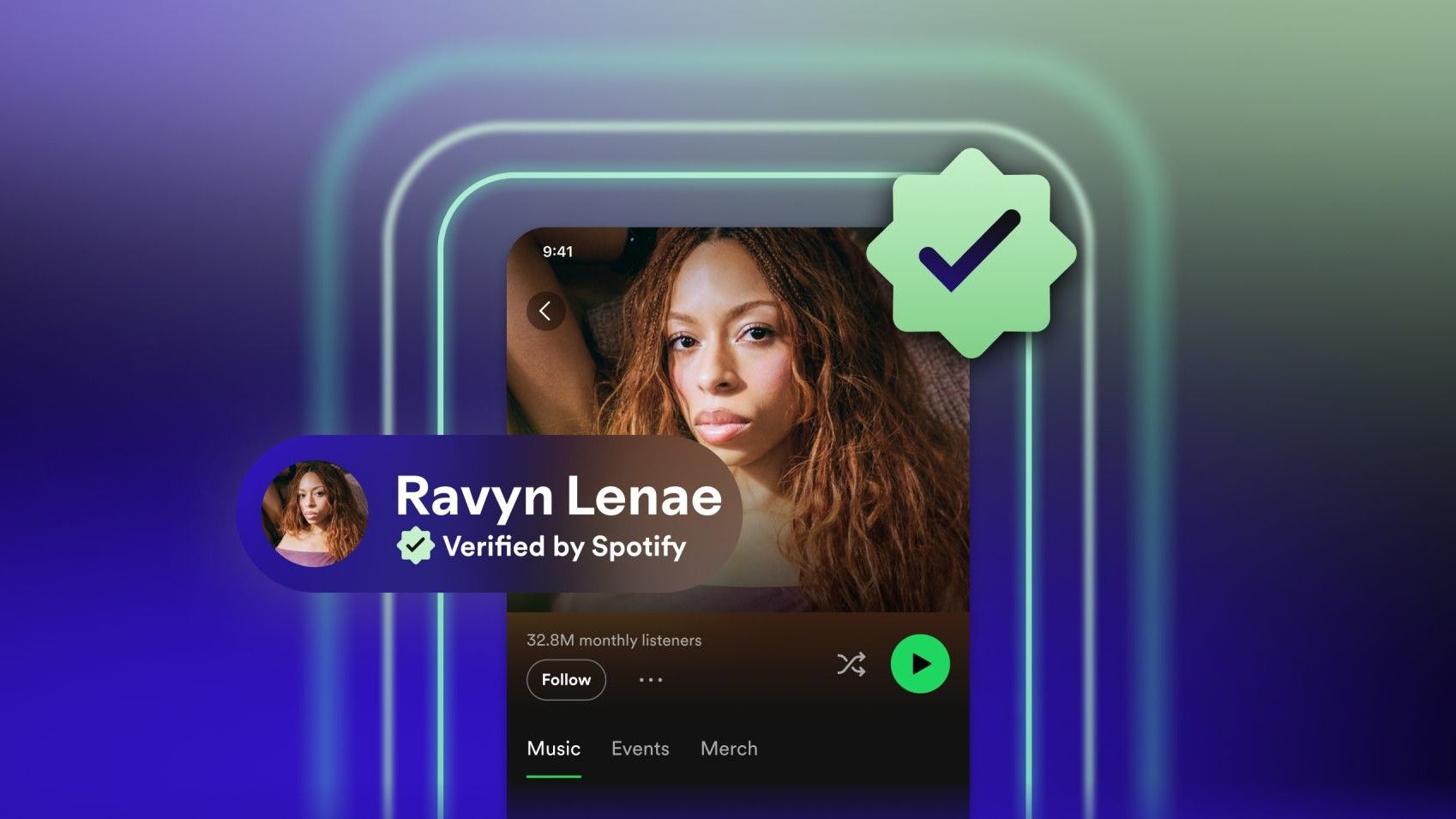
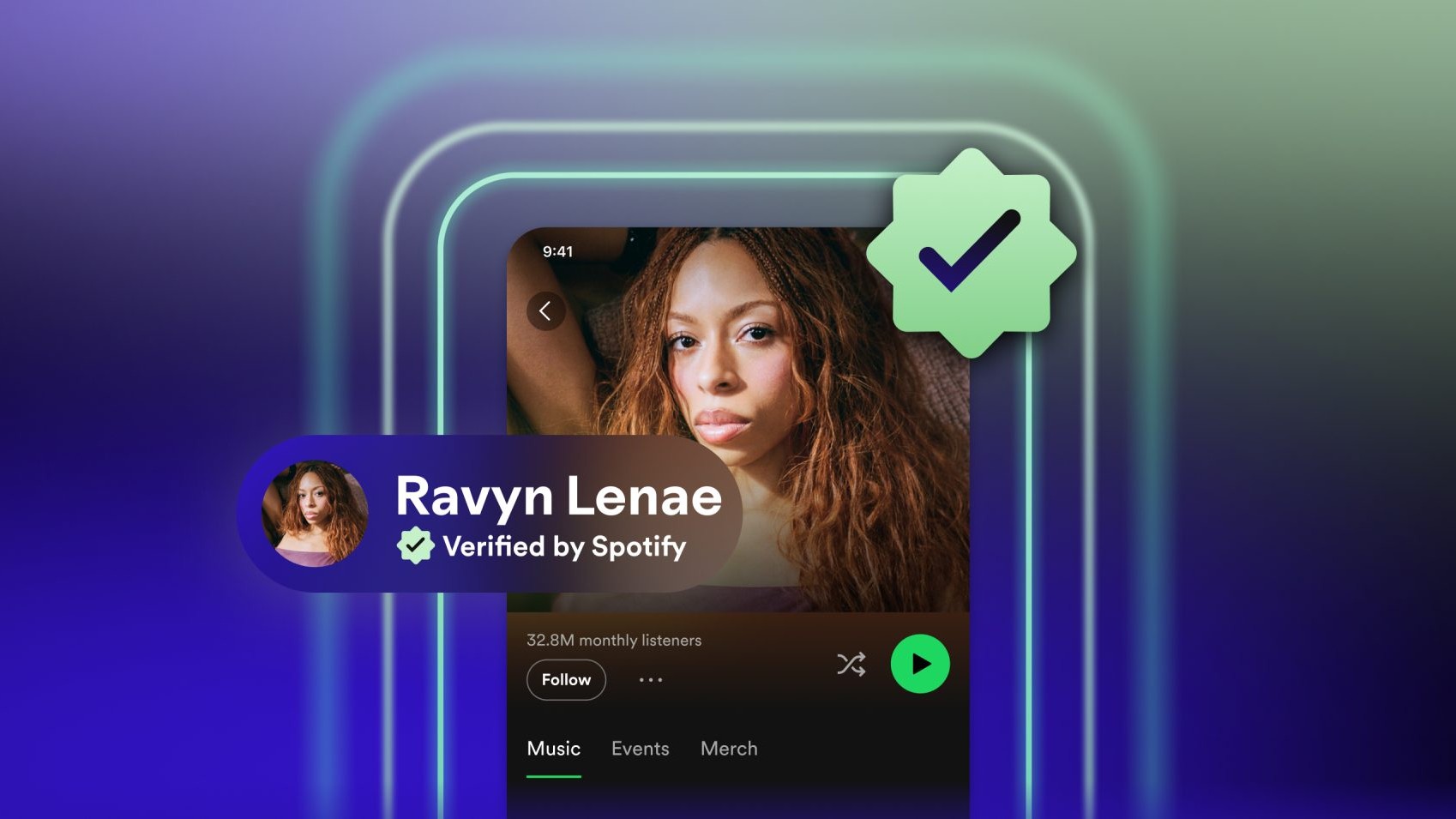
- Recent Weeks: Spotify escalated its defensive posture. The platform announced it would begin appending "AI Persona" tags to profiles identified as AI-generated, effectively quarantining them from editorial playlists and algorithmic recommendations. This is a crucial move; by removing these tracks from the "Discover Weekly" and "Release Radar" pipelines, Spotify is protecting its users from a degraded listening experience.
- The Apple and TIDAL Fronts: Apple Music has similarly introduced a "Made With AI" label to increase transparency. More aggressively, TIDAL has implemented policies that effectively cut AI-generated tracks off from the royalty pool, ensuring that subscription revenue is reserved for human musicians.
These platforms are not merely labeling content; they are actively building digital moats to protect the economic viability of their subscription models.
The YouTube Paradox: A Shrinking Definition of Success
In stark contrast to the music industry’s defensive stance, YouTube’s recent policy shifts appear, to many creators, to be an invitation for more synthetic content. The most contentious of these is the quiet revision of how the platform defines a "view."
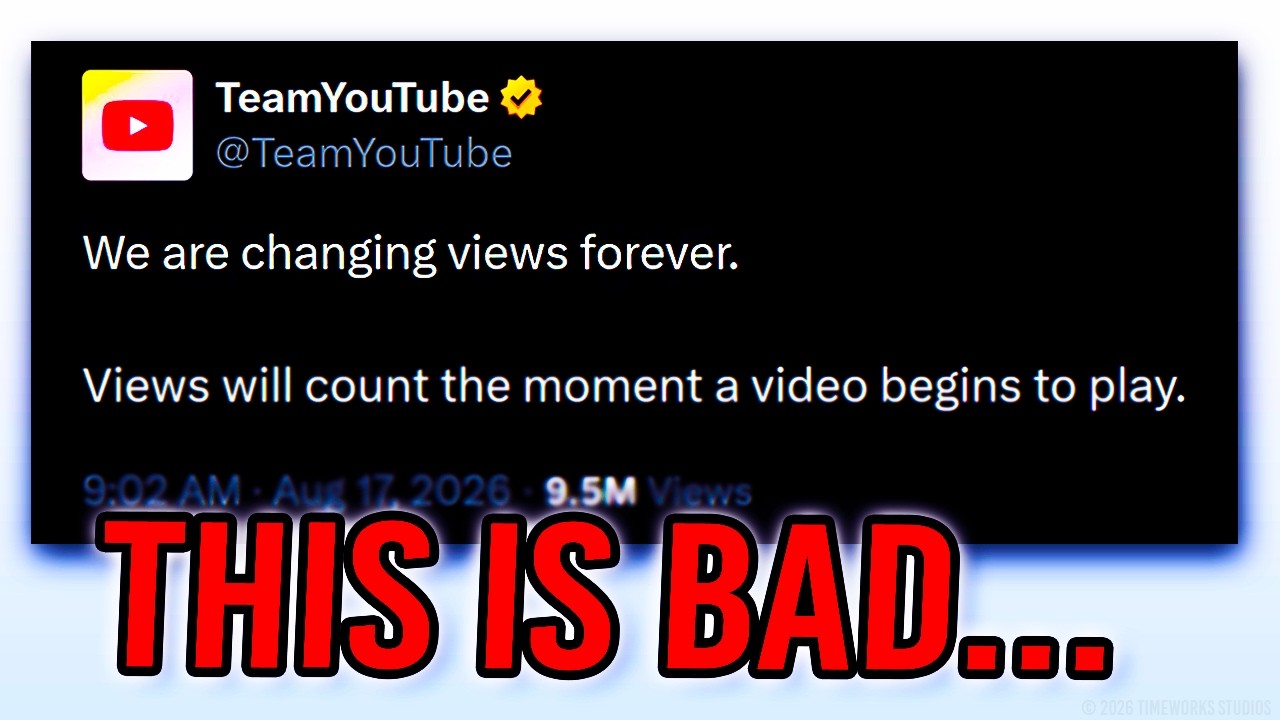
Historically, YouTube required a user to engage with a video for a threshold of 10 to 30 seconds before it was registered as a legitimate "public view." This acted as a rudimentary quality filter; if a viewer clicked on a thumbnail but immediately abandoned the video, the creator was not rewarded with a view count. As of August 24, that threshold has effectively vanished. A view is now registered the moment playback begins.
For the average user, this sounds like a minor technical adjustment. For the content creator community, it is a catastrophic shift. Critics argue that this change directly incentivizes the proliferation of "AI slop." By lowering the barrier to entry for registering a view, YouTube is rewarding the very thing AI models excel at: creating eye-catching, high-click-through-rate thumbnails that lead to vapid, low-quality, or repetitive content.
Why the Approaches Diverge: The Economics of Attention vs. Subscription
To understand why YouTube is moving in the opposite direction of Spotify, one must look at the fundamental business models of these platforms.
The Subscription Model: Music Platforms
Spotify, Apple Music, and TIDAL are, at their core, subscription-based businesses. Their revenue is generated through monthly recurring payments from users. Because they operate on a limited royalty pool—where every stream is a piece of a fixed pie—fraudulent or mass-produced AI tracks represent a direct financial threat to legitimate artists. If an AI "artist" generates ten million fake streams, that money is effectively stolen from the pockets of professional musicians. Consequently, these platforms are financially incentivized to prioritize quality, authenticity, and user satisfaction to retain their subscriber base.
The Ad-Based Model: The YouTube Engine
YouTube operates under a different paradigm. While it does have a subscription arm (YouTube Premium), its primary engine is advertising. Ad-based platforms thrive on total attention and the sheer volume of "inventory"—or, in this case, video slots—available to sell to advertisers.
In an ad-driven model, the quality of the content is secondary to the fact that the content exists and is being viewed. If a viewer clicks on an AI-generated video and watches for five seconds before moving on, that still counts as an ad-viewing opportunity. From the perspective of YouTube’s bottom line, a video produced by a human genius and a video generated by a prompt-driven bot are indistinguishable if they both hold the user’s attention long enough to display an ad.
Enforcement vs. Prevention: The "Papering Over the Cracks" Strategy
YouTube maintains that it is not ignoring the AI problem. Its "Inauthentic Content" policy has seen the removal of entire channels that churn out mass-produced, low-quality, or emotionally manipulative videos. In July, the company explicitly outlined three categories of content that are now ineligible for monetization:
- Generic and repetitive content.
- "Off-putting" or emotionally manipulative content.
- Unregulated AI personas.
While these measures look robust on paper, they suffer from a fatal flaw: they are reactive. Enforcement happens after the fact. These channels are often permitted to flourish for weeks, gathering millions of views and generating ad revenue, before the platform eventually catches up. There are no preemptive badges, no warnings to the viewer before the video begins, and no algorithmic barriers that keep this content out of the main feed.
In the music world, Spotify’s policy acts as a gatekeeper—an act of prevention. In the video world, YouTube’s policy is essentially "papering over the cracks" after the damage to the user experience has already been done.
The Implications for the Future of Content
The implications of this divide are significant for both creators and consumers.
For creators, the message from YouTube is clear: the platform is prioritizing quantity and immediate engagement metrics over the long-term health of the creative ecosystem. By rewarding instantaneous views, the platform is inadvertently creating a "race to the bottom" where the most successful creators are those who can best manipulate the algorithm with AI-generated bait.
For consumers, the risk is a steady erosion of trust. If a user clicks on a thumbnail only to be met with low-effort, synthetic content repeatedly, their loyalty to the platform will eventually waver. While YouTube may be maximizing its ad revenue in the short term, it risks commoditizing its own library until it becomes indistinguishable from the low-quality "click-farm" content that already plagues the wider web.
Ultimately, the platforms are revealing their true colors. Music services are protecting the value of their human-curated subscriptions, while YouTube is leaning into the massive, high-volume churn of an ad-driven economy. Whether this strategy will lead to long-term sustainability or a slow decay of user experience remains to be seen. But as long as the money follows the click, the bots—and the "slop" they produce—are likely to remain the most frequent guests on the YouTube homepage.