Dwi Wanna
The global media landscape is currently undergoing its most profound transformation since the advent of cable television. A series of seismic corporate maneuvers, strategic platform acquisitions, and shifting audience behaviors have placed Hollywood’s legacy titans and Silicon Valley’s tech behemoths on a collision course. At stake is not merely market share, but the fundamental definition of "entertainment" and control over the most valuable piece of real estate in the modern home: the television screen.
As artificial intelligence begins to automate creative processes and tech platforms pivot from being mere distributors to becoming dominant content hubs, the stewardship—and censorship—of media is evolving into a story of geopolitical and cultural significance.
The Strategic Shift: From Gatekeepers to Content Kings
For decades, the power dynamic in media was clear: studios produced content, and cable providers delivered it. Today, that hierarchy is collapsing. Amazon, YouTube, and Meta are no longer content with being the delivery mechanism; they are aggressively moving to own the entire viewer experience. By integrating their own streaming services and advertising ecosystems directly into the hardware of the home, these tech giants are engaging in a zero-sum game of attention theft from legacy studios.
In response, traditional media companies are attempting to secure their survival through a wave of unprecedented consolidation. They are seeking the "scale effect"—a level of infrastructure and financial leverage that allows them to compete with the near-infinite resources of Big Tech.
The Fox-Roku Gambit
The $22 billion deal for Roku is the definitive move of this new era. By acquiring the platform that serves as the "gateway to TV" for millions of homes, Fox is positioning itself as the tollbooth of the streaming age. Despite competition from Apple, Google, and Amazon, Roku remains the dominant interface for many viewers. With this acquisition, Fox effectively forces every other major streamer—from Netflix to Disney—to negotiate on its terms. Like the cable rollups of the 1990s, Fox is betting that combining a lean content library with total platform control will yield the power to dictate the future of digital advertising.
The Paramount-Skydance-Warner Megadeal
Parallel to the Fox maneuver is David Ellison’s $111 billion bid to merge Paramount, Skydance, and Warner Bros. Discovery. This deal, bolstered by financial backing from Oracle—with Larry Ellison himself pledging his own shares as a backstop—represents a desperate attempt to create a behemoth capable of standing toe-to-toe with Netflix and The Walt Disney Company. It is an acknowledgment that in the current market, mid-sized players are effectively obsolete.
Chronology of a Power Shift
The current state of play did not happen overnight; it is the culmination of a multi-year migration of eyeballs from cable to digital platforms.
- 2023: Nielsen’s "The Gauge" report begins showing consistent, month-over-month declines in traditional broadcast and cable viewership, while YouTube’s share of TV time accelerates to record highs.
- Early 2024: YouTube solidifies its status as the world’s largest media company, reporting over $60 billion in annual revenue—a figure that dwarfs the earnings of many traditional legacy studios.
- Mid-2024: Meta shifts its strategy, announcing that Instagram will begin testing longform, episodic video on its TV apps. This marks a departure from the short-form dominance of Reels and a direct assault on the traditional "premium" television window.
- Late 2024: A wave of project cancellations—including Amazon MGM Studios dropping an OpenAI-related film—signals a growing tension between creative independence and the political/corporate interests of Silicon Valley.
- Present: The industry enters a phase of "Platform Wars 2.0," where hardware integration (Samsung TV deals, Roku interfaces) becomes more important than the content library itself.
Supporting Data: The New Media Hierarchy
The numbers paint a stark picture for legacy media. YouTube currently commands the largest share of TV watch time, according to Nielsen, while legacy streaming services like Netflix show signs of stagnation.
| Platform/Conglomerate | 2024 Annual Revenue/Ad Revenue | Strategic Focus |
|---|---|---|
| YouTube | $60B+ | Dominating TV time via long-form reach |
| Meta (Reels) | $50B+ | Monetizing creators; hardware integration |
| Legacy Studios (Combined) | Varies (Declining) | Mergers for scale/survival |
Meta’s decision to bake its apps directly into Samsung televisions is a strategic masterstroke. By bypassing the mobile device and targeting the "biggest screen in the house," Meta is effectively putting its $50 billion advertising engine in direct competition with the premium CPMs (cost per thousand impressions) that once belonged exclusively to network television.
Official Perspectives and Corporate Tensions
The transition into this new era is marked by a profound contradiction. Tech leaders often champion "free speech" and "open markets," yet their actual business decisions suggest a trend toward corporate curation and political alignment.
The "Free Speech" Paradox
The cinematic reflection of this trend, Sony’s The Social Reckoning, features a portrayal of Mark Zuckerberg declaring, "I am a free speech absolutist." This echoes the rhetoric of Elon Musk at X and Jeff Bezos at the Washington Post. However, the reality of content management tells a different story.
The Cost of Alignment
The recent decision by Amazon MGM Studios to abandon the production of Artificial, a film about OpenAI CEO Sam Altman, has sent shockwaves through Hollywood. When combined with the news that A24 is accepting $75 million from Google for AI research, it becomes clear that "creative freedom" is becoming secondary to "tech-corporate synergy."
Similarly, Apple’s friction with Jon Stewart and the cancellation of its Gawker project suggest that even the most "creative" tech-driven studios are subject to the same pressures that once plagued traditional media, if not more severe ones due to the vast, multifaceted interests of the parent corporations.
Implications: The Future of Attention
The implications of this shift are twofold: one for the consumer, and one for the creative industry.
The Risk of a "Slop" Economy
As AI-driven content begins to proliferate, there is a legitimate concern among creators regarding the quality of the media landscape. If the industry becomes a race to the bottom—prioritizing content that is cheap to generate and optimized for engagement rather than artistic integrity—the result could be an environment dominated by "slop," or low-value, high-volume media.
The Zero-Sum Battle for Time
For Disney, Paramount, and other legacy players, the stakes could not be higher. They have already lost the battle for the smartphone. If they lose the battle for the living room—if the plurality of TV time is permanently captured by YouTube, Instagram, and other creator-led platforms—the traditional media business model may never recover.
Every minute a viewer spends watching a creator on a TV-integrated app is a minute not spent on a subscription-based premium service. As these tech platforms continue to scale their ad revenue, they are not just competing for viewers; they are actively draining the capital necessary for the high-budget, scripted storytelling that defined the 20th and early 21st centuries.
Conclusion
The next few years will be defined by a fundamental restructuring of the entertainment industry. The "flywheel" effect of Big Tech—where hardware, software, and advertising create a self-reinforcing loop—is now moving faster than ever.
Legacy media is currently in a state of frantic realignment, attempting to buy the leverage they need to survive. However, the true test will be whether they can preserve the quality and independence of their content in an ecosystem increasingly dominated by algorithms, AI-generated tools, and the shifting political priorities of tech moguls. As the screens of our homes become the primary battleground, the viewers are the only ones guaranteed to be caught in the crossfire of this industrial revolution.

 Iffa Jayyana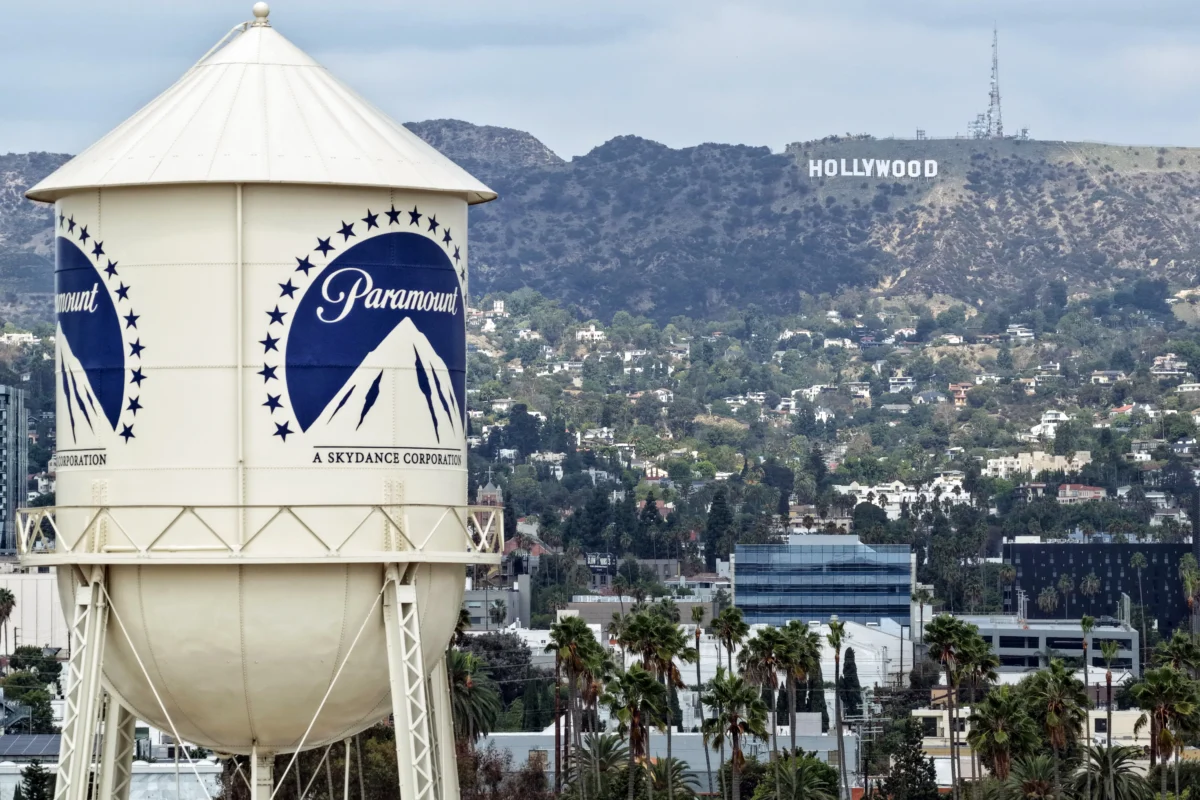
 Lina Hope