Nana Muazin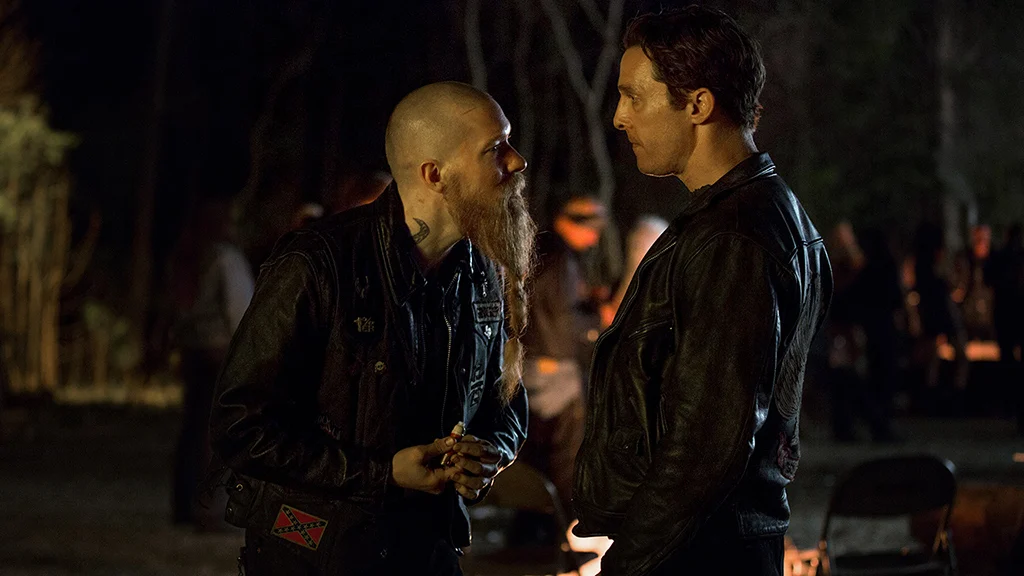
By Leandro Beroldo
June 24, 2026
In the modern landscape of “Peak TV,” the line between a sprawling multi-season narrative and a standalone cinematic experience has become increasingly porous. While television is traditionally defined by its episodic, serialized nature, some installments possess a gravity so immense they cease to feel like mere chapters. Through unparalleled production value, singular emotional arcs, or self-contained narratives that push the boundaries of the medium, these episodes offer viewers a complete, feature-length impact within the confines of a standard hour.

These are not just high-water marks for their respective series; they are masterclasses in pacing, tension, and storytelling that could have arguably been released as independent feature films.
The Evolution of the "Event Episode"
The concept of the "special episode" has evolved significantly over the last three decades. In the early days of broadcast television, an event episode was often defined by a stunt—a crossover, a musical number, or a major character death. Today, however, the bar has been raised by prestige streaming platforms and high-budget cable networks.
Modern audiences now expect "movie-level" production. When we look at the trajectory of television since the turn of the millennium, we see a shift toward cinematic language—long-take cinematography, complex sound design, and a narrative density that once belonged exclusively to the silver screen. These 15 episodes represent the pinnacle of that evolution, proving that a story does not need three hours and a theatrical budget to achieve the weight of a classic film.
Chronology: A History of Cinematic Television
To understand how we arrived at this era of perfection, we must look at the timeline of these milestones.
- 2001: The Sopranos ("Pine Barrens") and Band of Brothers ("Bastogne") set the template for genre-bending and visceral realism.
- 2008: Lost ("The Constant") proved that high-concept science fiction could balance complex mechanics with raw, human sentiment.
- 2013–2016: The "Golden Age" of the blockbuster episode, featuring the peak of Breaking Bad ("Ozymandias"), True Detective ("Who Goes There"), Black Mirror ("San Junipero"), and Game of Thrones ("Battle of the Bastards").
- 2019–2023: The current era, where character studies like The Bear ("Fishes") and Succession ("Connor’s Wedding") use real-time intensity to mirror the chaotic pacing of feature-length thrillers.
Supporting Data: Why These Episodes Resonate
Why do these specific episodes stick with audiences long after the credits roll? The answer lies in their narrative architecture.
1. The Power of Containment
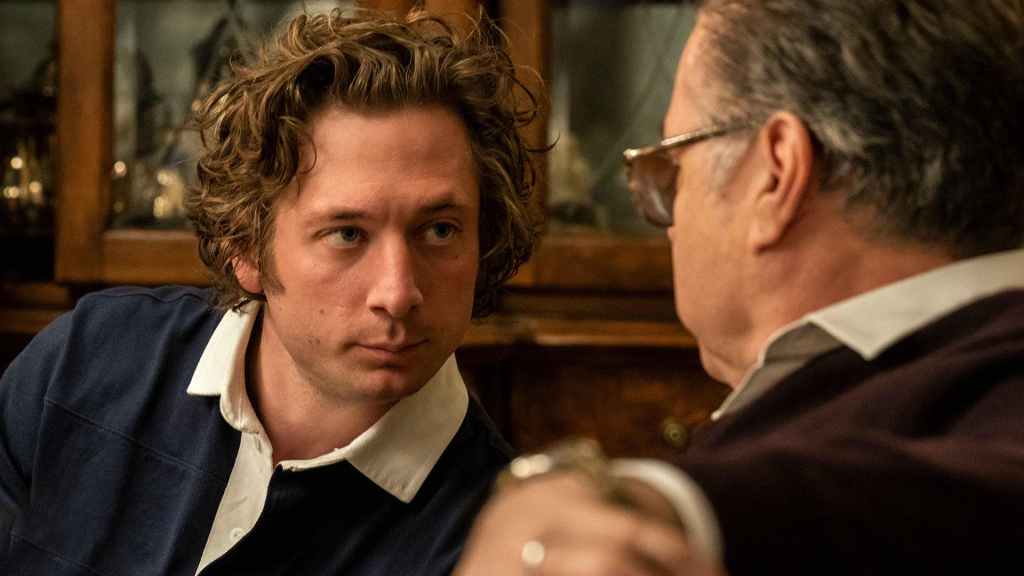
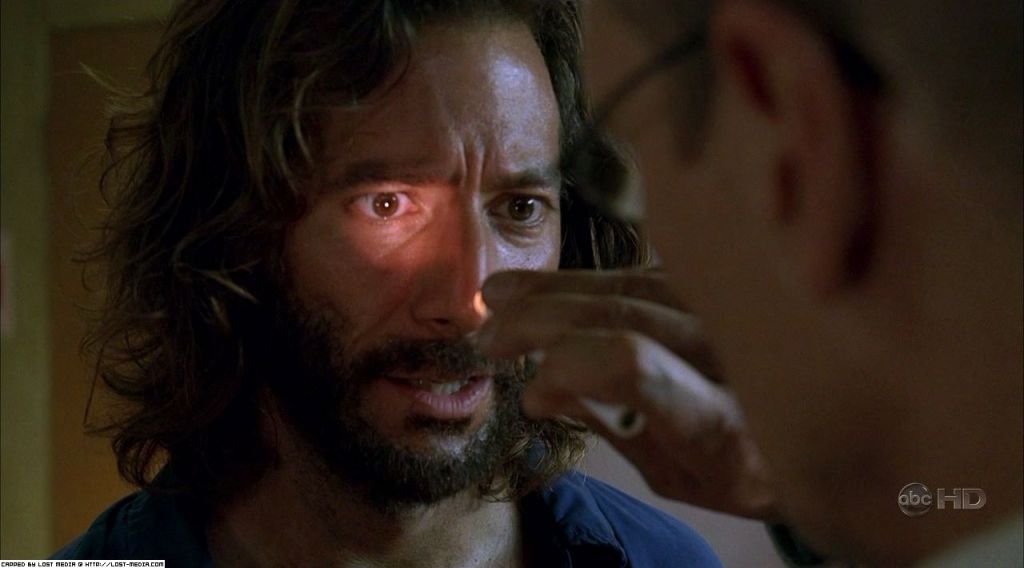
Episodes like The Bear’s "Fishes" or Succession’s "Connor’s Wedding" function through the compression of time. By limiting the scope of the action—a dinner table or a private jet—the showrunners force the audience to focus on micro-expressions and dialogue-driven tension. This is a staple of chamber dramas, and when executed with this level of precision, it mimics the psychological intensity of films like Who’s Afraid of Virginia Woolf? or 12 Angry Men.
2. Technical Ambition
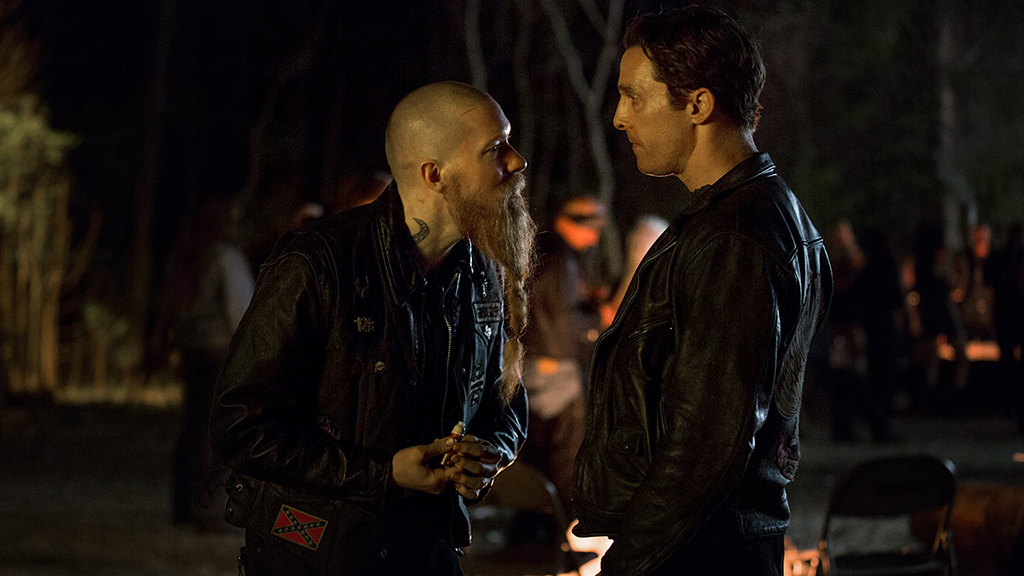
True Detective’s "Who Goes There" is defined by its infamous six-minute tracking shot. It is a technical feat that demands the viewer remain present, mirroring the protagonist’s own descent into a dangerous criminal underworld. This choice is inherently cinematic, prioritizing visual storytelling over dialogue to convey character state and environmental dread.
3. The "Standalone" Emotional Arc
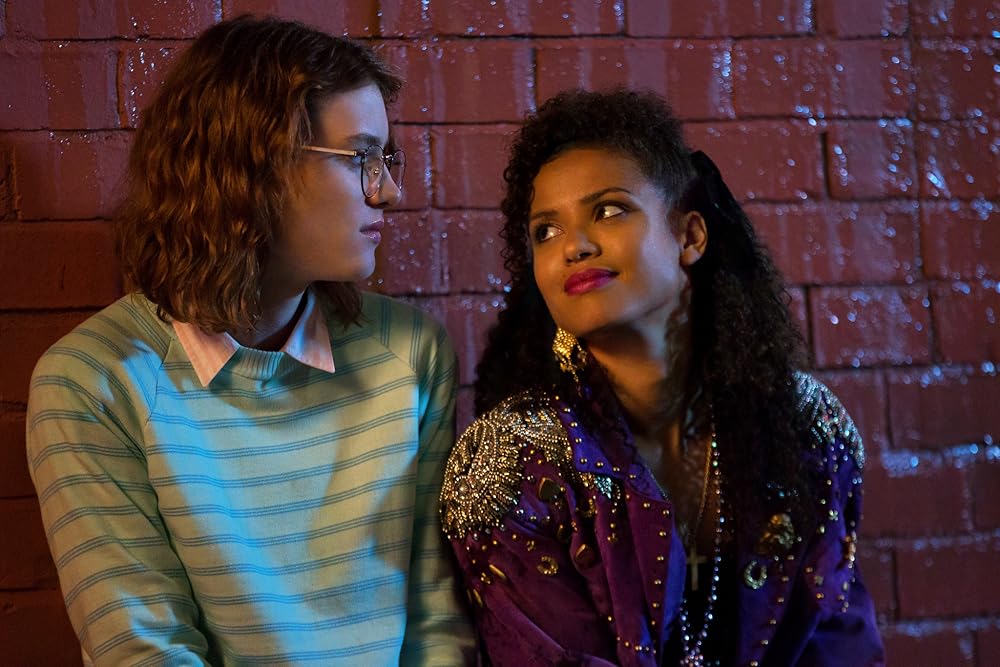
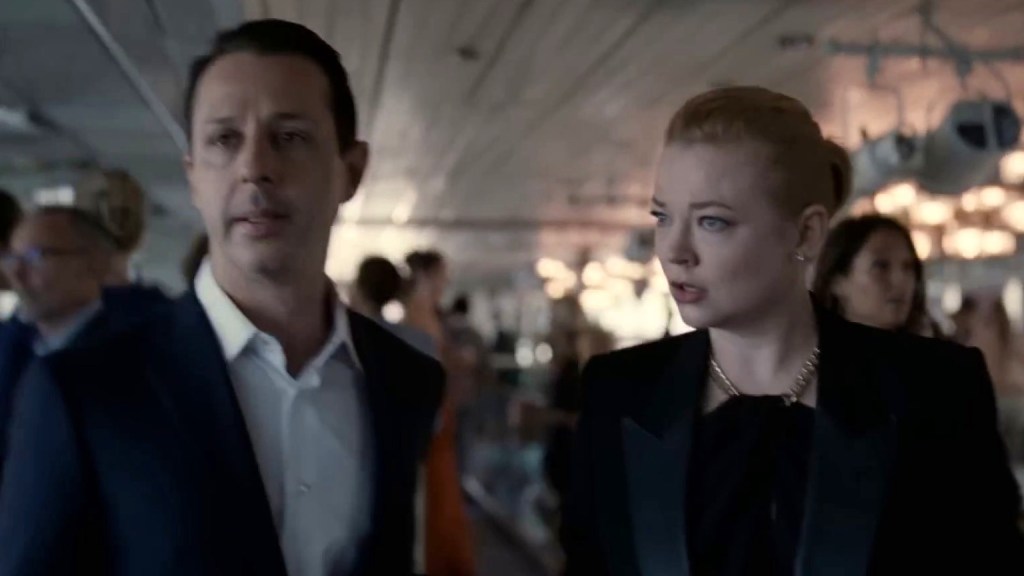
Black Mirror’s "San Junipero" remains a standout because it subverts the show’s typical nihilism. It presents a beginning, middle, and end that requires zero knowledge of the previous anthology episodes. It functions as a complete, self-contained romance that utilizes science fiction not as a gimmick, but as a vehicle for a profound exploration of love and mortality.
The 15 Definitive Episodes
The Masterpieces of Tension and Tragedy
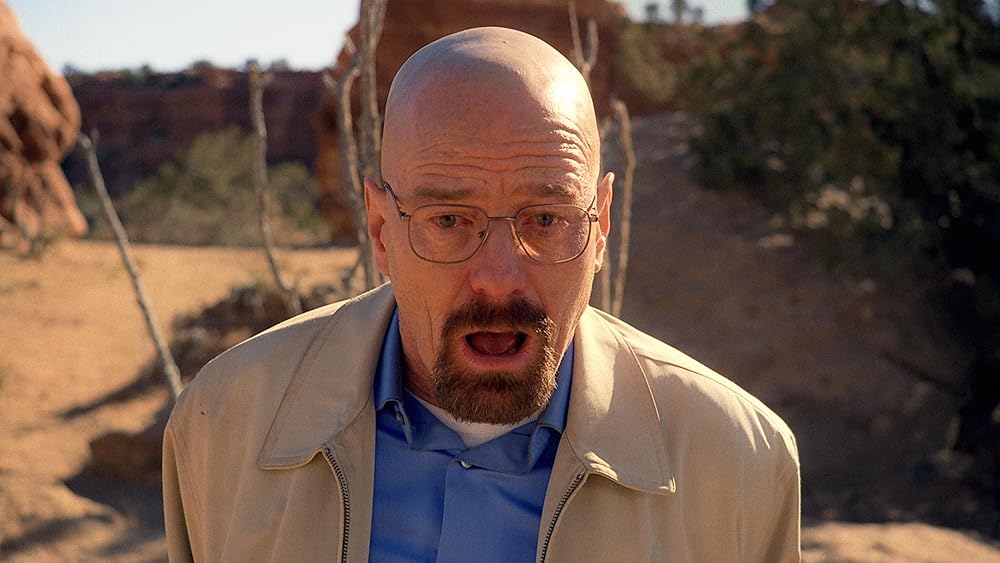
- Breaking Bad – "Ozymandias" (2013): The collapse of Walter White’s empire is perhaps the most devastating hour of television ever produced. It plays out with the gravity of a Greek tragedy, stripping away the show’s veneer of "cool" crime to reveal the rot underneath.
- Succession – "Connor’s Wedding" (2023): By handling the death of a patriarch in real-time, the episode forces the audience to experience the grief and corporate chaos alongside the siblings. It is a feat of editing and performance that demands a big-screen viewing.
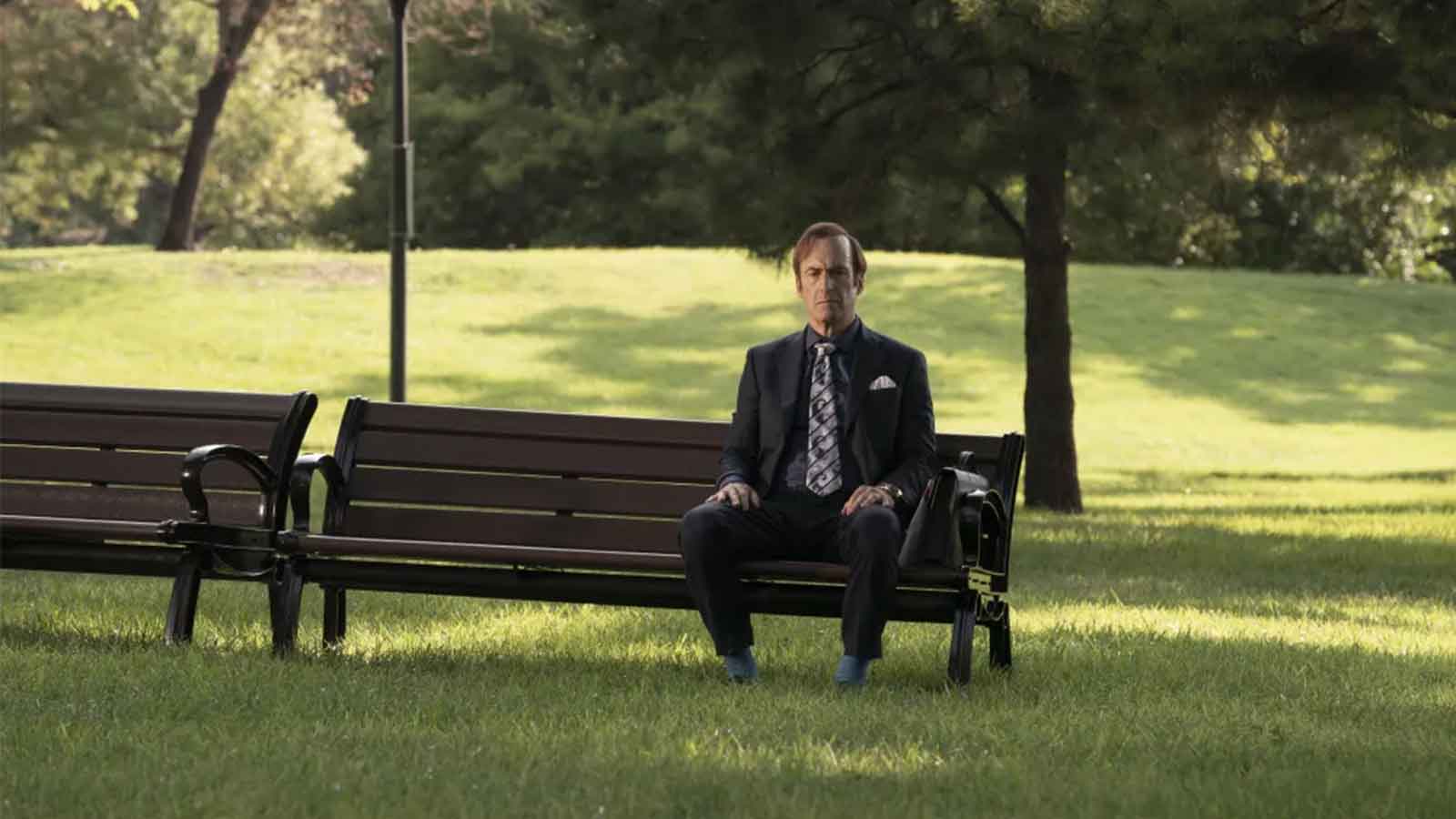
- Better Call Saul – "Plan and Execution" (2022): A masterclass in narrative payoff. The episode brings years of setup to a chilling, sudden conclusion that echoes the best thriller films of the 1970s.
The Visual and Genre Spectacles
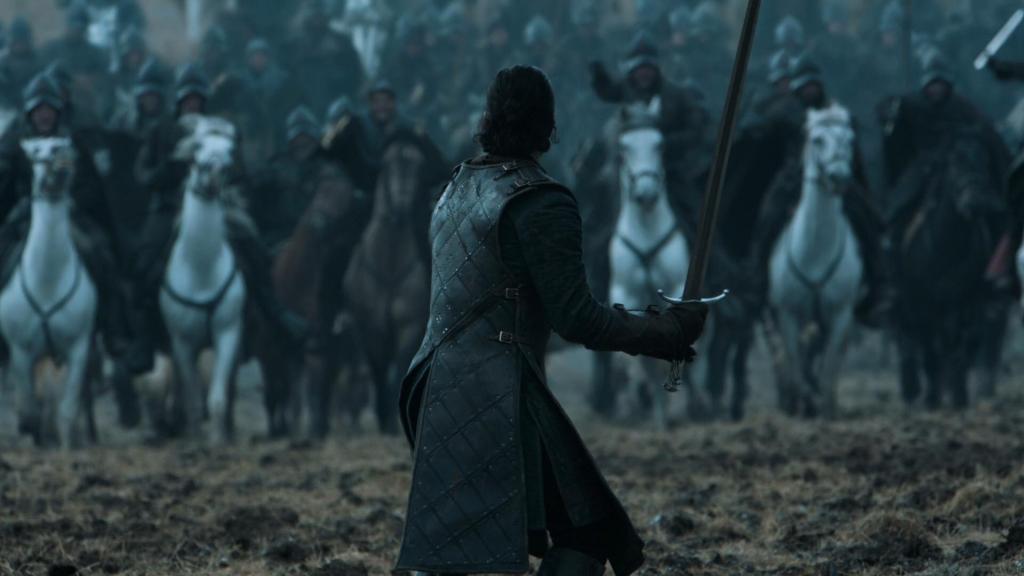
- Game of Thrones – "Battle of the Bastards" (2016): At the time, its scale was unprecedented. It remains a standard-bearer for how to film large-scale medieval warfare on a budget that, while high, still defied the logic of what television could achieve.
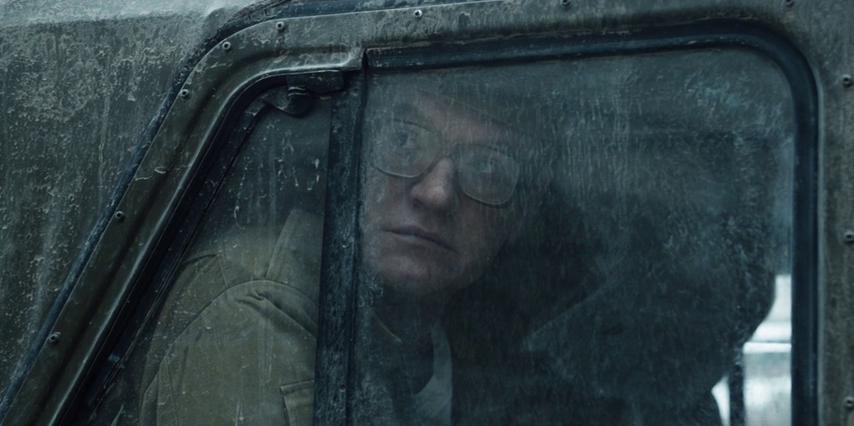
- Chernobyl – "Please Remain Calm" (2019): This episode captures the creeping, invisible horror of radiation sickness. It functions as a disaster film, but one that is more interested in the terrifying logistics of survival than in cheap pyrotechnics.
- Stranger Things – "The Massacre at Hawkins Lab" (2022): This episode served as a blockbuster climax, tying together complex lore with a visual flair that rivaled major theatrical horror releases.
Experimental and Psychological Journeys
- BoJack Horseman – "The View from Halfway Down" (2020): An experimental descent into the mind of a character facing his own mortality. Its surreal imagery and existential dread place it in the same category as avant-garde art films.
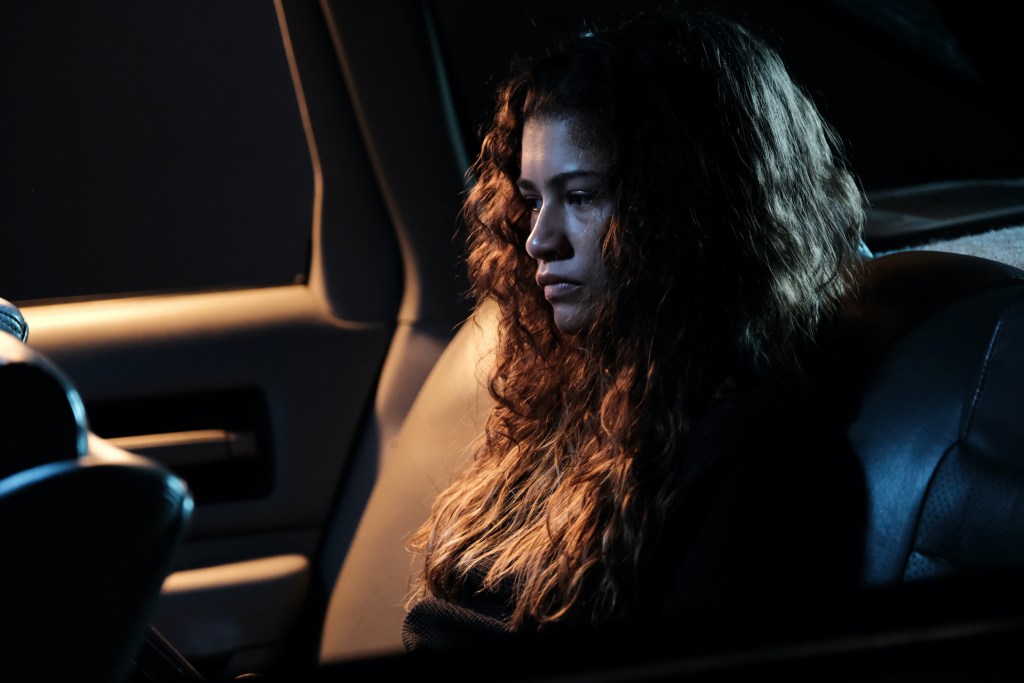
- Euphoria – "Stand Still Like the Hummingbird" (2022): A relentless, anxiety-inducing episode that documents a character’s total psychological break. Its pacing makes it feel like an exhausting, necessary watch.
- Lost – "The Constant" (2008): This episode redefined the capabilities of science fiction television, using time-travel as a metaphor for the desperation to hold onto the people we love.
Character-Driven Portraits
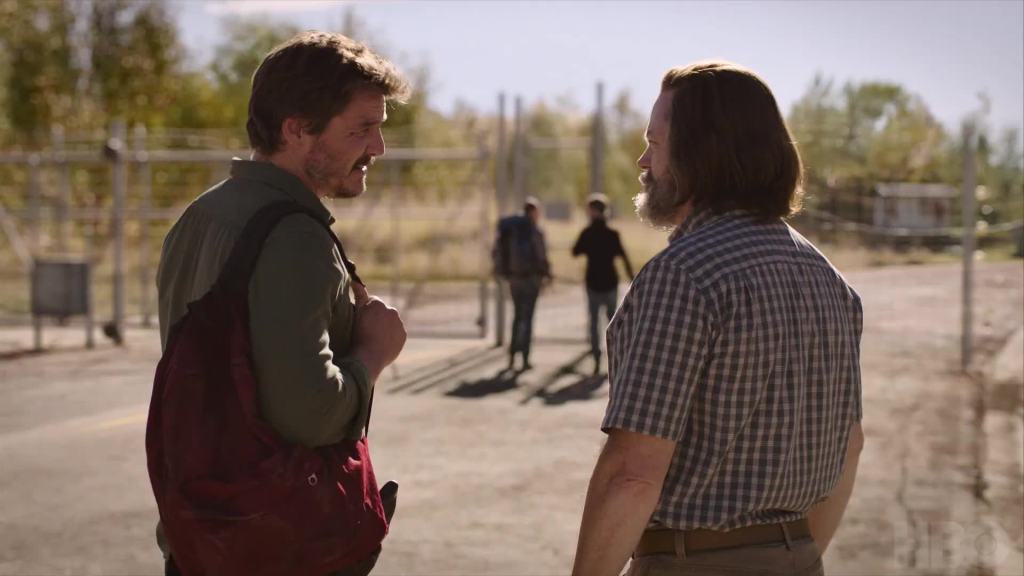
- The Last of Us – "Long, Long Time" (2023): A standalone romance that barely touches the primary plot of the series. It stands as a perfect short film about love in the face of the end of the world.
- The Bear – "Fishes" (2023): A visceral, chaotic exploration of family trauma. It is arguably the most stressful hour of television ever committed to film.
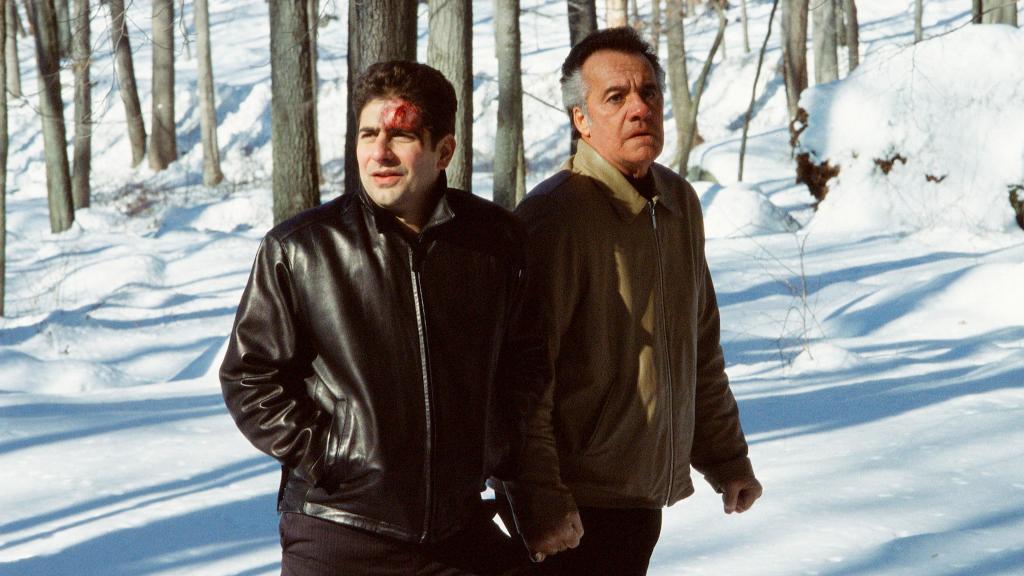
- The Sopranos – "Pine Barrens" (2001): It demonstrated that a show could pivot from mob violence to dark comedy without losing its identity. Its "lost in the woods" premise is a masterclass in tone.
- Band of Brothers – "Bastogne" (2001): The gold standard for war dramas. It focuses on the psychological and physical attrition of the soldiers, functioning more like a documentary-style feature than a standard episode.
- Black Mirror – "San Junipero" (2016): An optimistic, visually stunning, and emotionally resonant sci-fi romance that remains the show’s most enduring installment.
- True Detective – "Who Goes There" (2014): A gritty, atmospheric thriller that uses the long-take to immerse the viewer in the heart of darkness.
Implications: The Future of Episodic Storytelling
The success of these episodes signals a permanent shift in how showrunners approach the episodic format. We are moving toward a future where the "filler episode" is obsolete. Audiences now demand that every hour of television be treated with the same narrative importance and technical rigor as a feature film.
This trend has profound implications for the industry. As streamers look to reduce costs while maintaining quality, they are finding that the "event episode" is the most effective way to drive subscriptions and social media discourse. However, it also places immense pressure on creators. To consistently deliver these "movies-within-a-series" requires not only astronomical budgets but also a level of creative focus that can lead to burnout.
Furthermore, this shift challenges the definition of "television" itself. If an episode of a show can stand entirely on its own—as is the case with The Last of Us or Black Mirror—is it still television, or is it a short film distributed via a streaming platform?
Ultimately, these fifteen episodes prove that the best stories are not defined by the length of the platform, but by the depth of the vision. Whether they are war epics, psychological breakdowns, or quiet romances, they have succeeded in breaking the shackles of the "TV episode" label, proving that greatness can indeed be found in an hour-long package. As we look ahead, the challenge for the next generation of showrunners will be to continue this tradition, pushing the medium even further into the realm of true, cinematic art.

 Iffa Jayyana
 Lina Hope