Layla Zulfa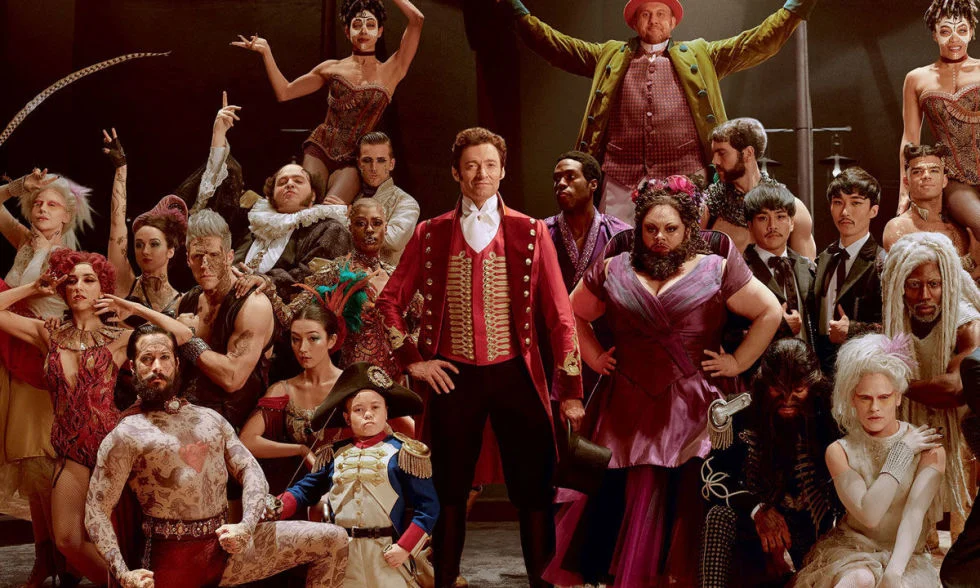
By Leandro Beroldo
June 19, 2026
Cinema is often heralded as a universal language, a medium capable of bridging cultural and emotional divides. Yet, the history of film is equally defined by deep-seated polarization. Certain movies ascend to the status of "untouchable classics," embedded in our collective consciousness through critical acclaim, endless quoting, and massive box-office dominance. However, for every viewer moved to tears by a sweeping romance or left breathless by a sci-fi epic, there is another who finds the same film tedious, pretentious, or fundamentally disconnected from their sensibilities.

Why do some films transcend their medium to become cultural touchstones for the majority, while simultaneously alienating a vocal minority? The answer lies at the intersection of expectation, pacing, and subjective resonance. As we explore fifteen films that have defined generations, we find that the very qualities that make them "masterpieces" are often the exact reasons why they fail to connect with a significant portion of the audience.
The Mechanics of Polarized Cinema: Why We Disagree
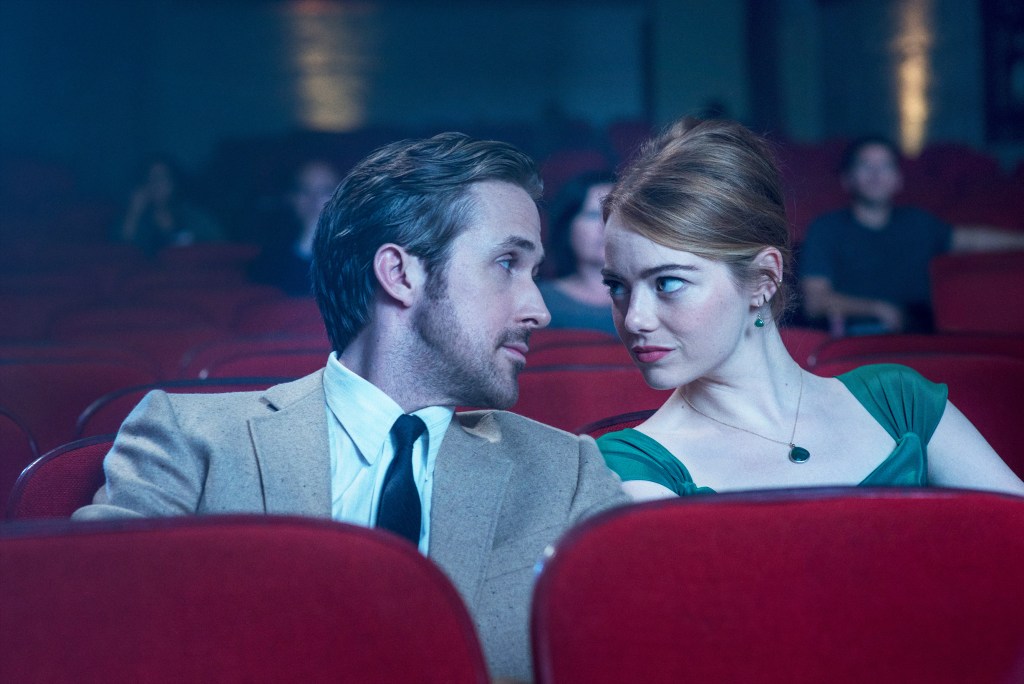
To understand why audiences clash over films like The Godfather or La La Land, one must look at the "Hype-Expectation Gap." When a film is universally praised, the social pressure to enjoy it can create a barrier to entry. If a viewer approaches a "perfect" movie with the expectation of a life-changing experience, any flaw—be it a slow second act or an awkward dialogue choice—is magnified.
Furthermore, cinematic trends dictate audience tastes. The rise of "high-concept" cinema, as seen in the work of Christopher Nolan or the surrealist chaos of Everything Everywhere All at Once, often demands a specific type of intellectual engagement. When a viewer seeks escapism or grounded realism, these films can feel like an assault on the senses or an exercise in self-indulgence.
A Chronological Breakdown of Divisive Hits
The list of films that sit on this "love-it-or-hate-it" pedestal spans decades, reflecting the shifting tides of what society values in storytelling.
The Foundation of Disconnect (1968–1999)
- 2001: A Space Odyssey (1968): Stanley Kubrick’s magnum opus is a technical marvel, yet it remains the gold standard for "boring" in the eyes of critics who favor narrative momentum over atmospheric ambiguity. Its slow-burn pacing and minimal dialogue are, for many, an insurmountable wall.
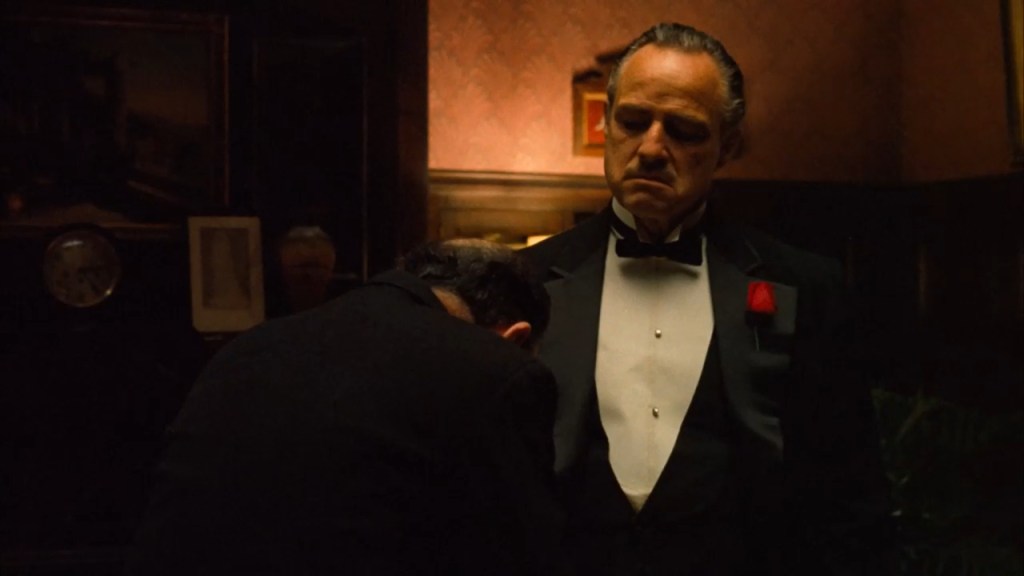
- The Godfather (1972): Often cited as the greatest film ever made, it serves as the ultimate litmus test for pacing. Modern viewers raised on shorter, punchier narratives frequently find the sprawling, deliberate nature of the Corleone saga to be a slog.
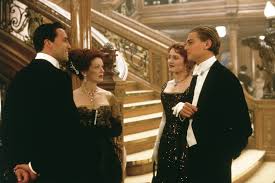
- Titanic (1997): James Cameron’s disaster-romance defined the late 90s, but it remains a lightning rod for criticism regarding its dialogue and the "melodramatic" nature of its central romance, which some viewers feel lacks the depth to justify its three-hour runtime.
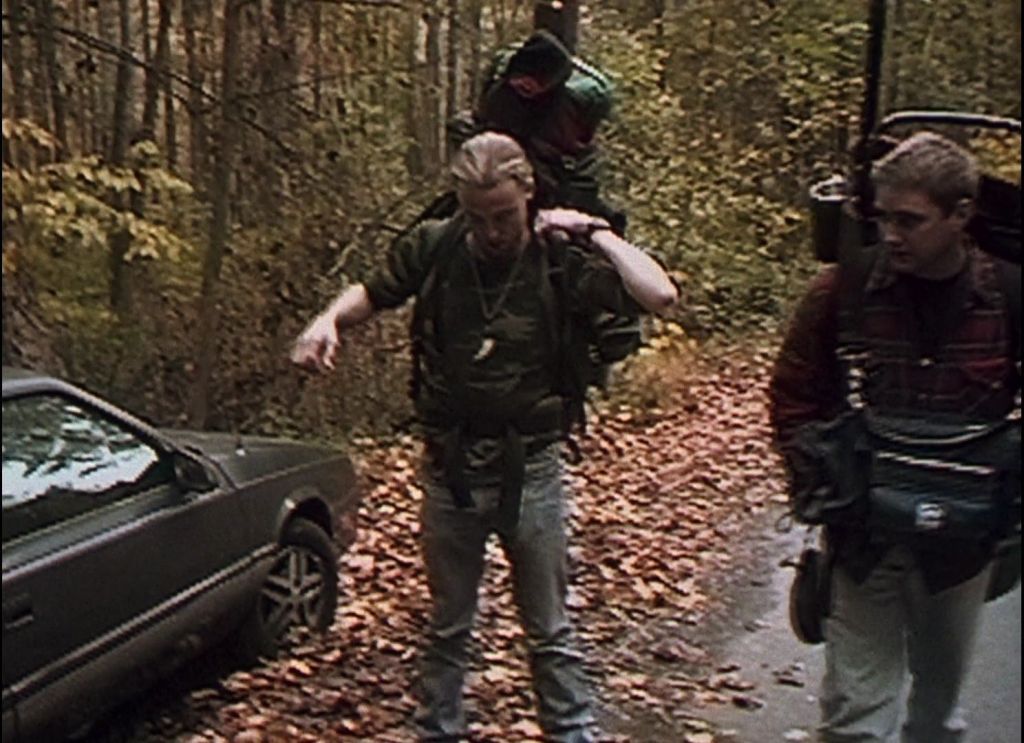
- The Blair Witch Project (1999): While it birthed a genre, its "found footage" aesthetic is a polarizing choice. For some, it is the height of immersive horror; for others, the shaky camera work and lack of traditional resolution feel like a gimmick.
The Modern Era of Polarization (2004–2022)
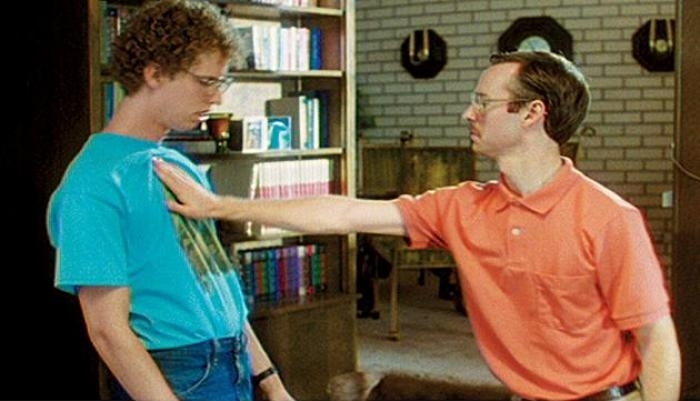
- Napoleon Dynamite (2004): A pioneer of the "cringe comedy" subgenre, its success relies entirely on whether the viewer finds the protagonist’s awkwardness charming or insufferable. There is rarely middle ground.
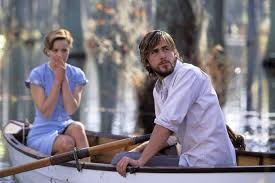
- The Notebook (2004): This film set the blueprint for modern romantic dramas, yet its reliance on heightened sentimentality often leads to accusations of manipulation rather than genuine emotional resonance.
- Avatar (2009): Visually, it remains unparalleled. However, the recurring criticism of its narrative—often dismissed as "Pocahontas in space"—suggests that stunning VFX cannot always compensate for a predictable, formulaic script.
- Frozen (2013): Its cultural saturation is the primary source of its divisiveness. When a film becomes a global phenomenon, the inevitable "backlash" is less about the quality of the animation and more about the exhaustion of its constant presence in the cultural sphere.
- Interstellar (2014): A film of massive ambition, it frequently faces criticism for sacrificing character development in favor of complex scientific exposition, leaving some viewers feeling intellectually stimulated but emotionally detached.
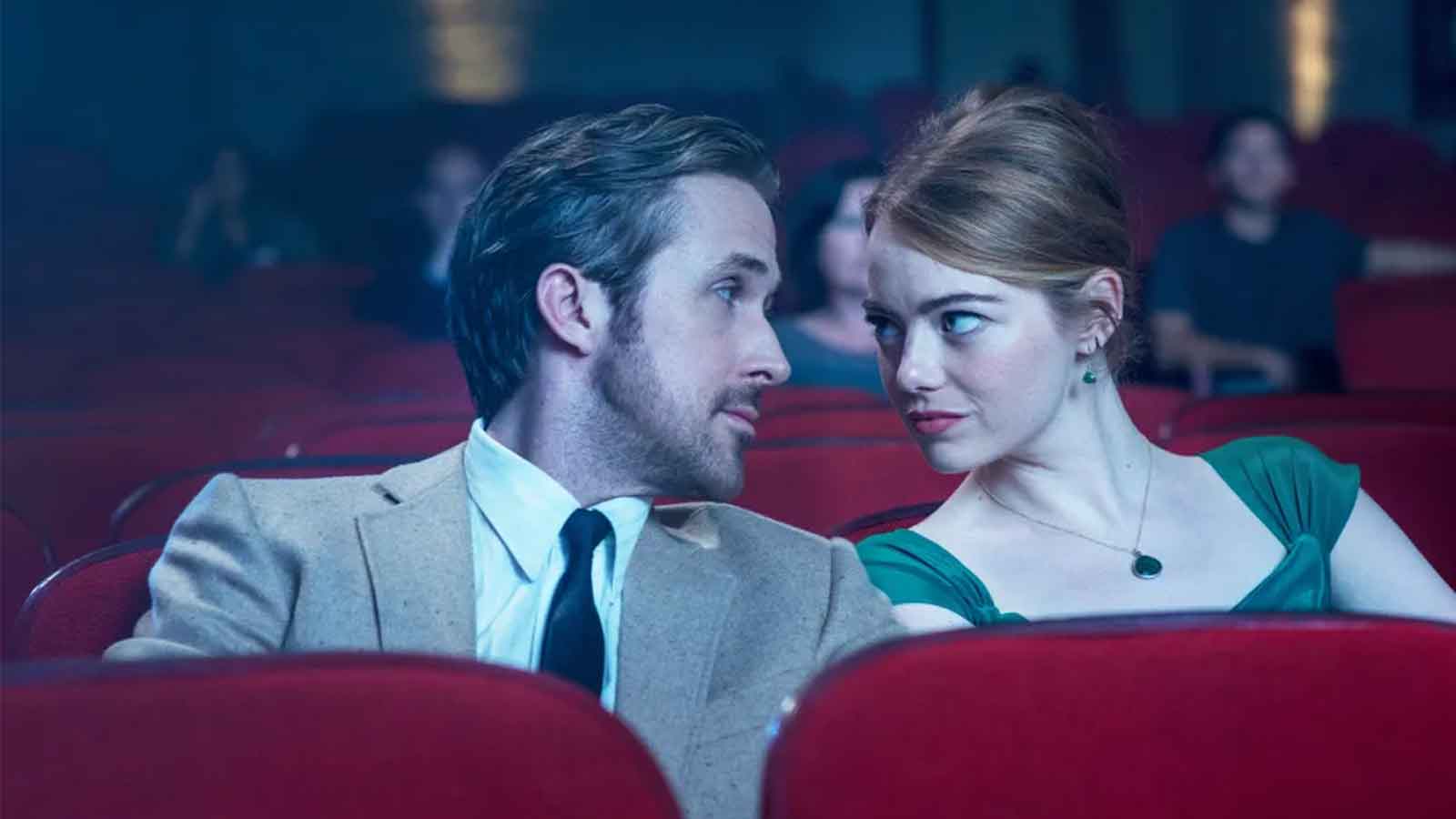
- La La Land (2016): While lauded for its homage to classic musicals, its critics argue that the film prioritizes style over substance, resulting in a cold, "hollow" emotional core.
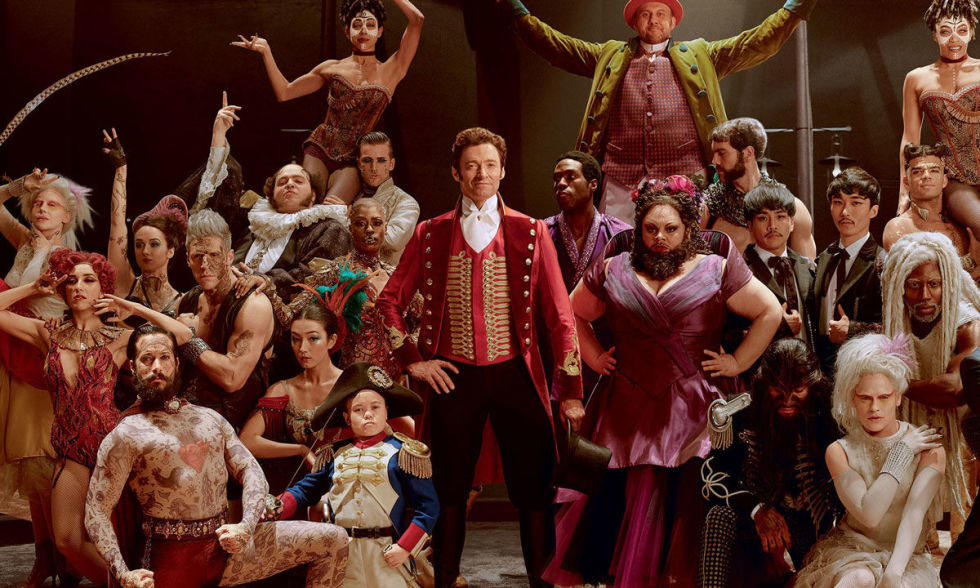
- The Greatest Showman (2017): A massive commercial success, its glossy, pop-heavy aesthetic is often cited as a mask for a shallow, historical sanitization that fails to provide depth to its characters.
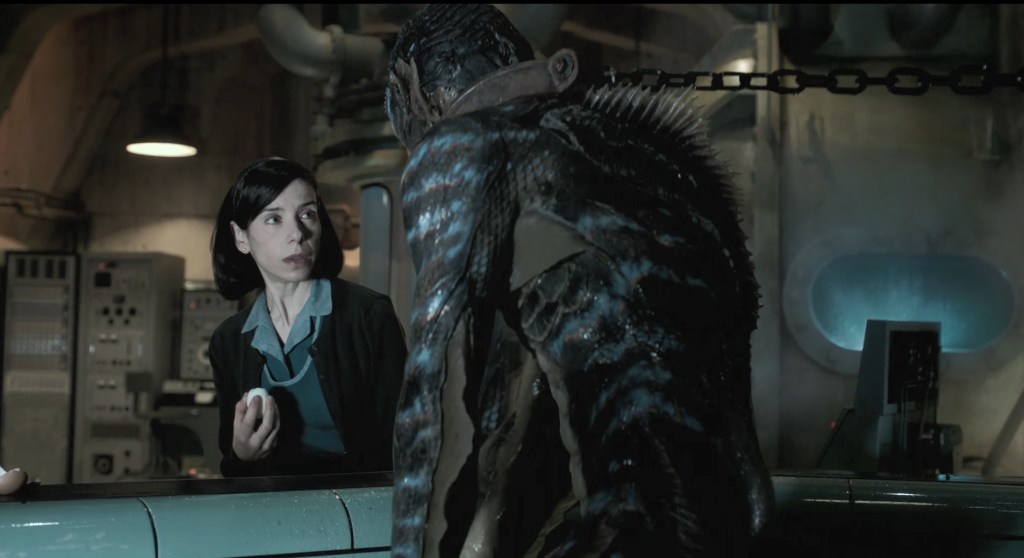
- The Shape of Water (2017): Guillermo del Toro’s dark fairy tale challenged audiences with its central romance. For many, it was a beautiful allegory; for others, the unconventional nature of the relationship created a persistent sense of unease.
- Joker (2019): By stripping away the spectacle of comic book movies for a gritty, dark character study, the film invited intense debate. Critics often argued it mistook "edginess" and visual gloom for genuine thematic depth.
- Everything Everywhere All at Once (2022): The most recent entry on this list, its frenetic editing and maximalist style represent the modern era of filmmaking. While it captured the zeitgeist, it proved too overwhelming for those who prefer more traditional, linear storytelling.
Supporting Data: The Sociology of Taste
Market research and audience sentiment analysis suggest that age and exposure play a significant role in these perceptions. A study of streaming platform engagement metrics indicates that "classic" films often have a high "drop-off rate" during the first 30 minutes, particularly among viewers under the age of 30. This suggests that the "slow-burn" style of the 70s and 80s struggles to compete with the instant gratification of modern, algorithmic-driven content.
Furthermore, social media has accelerated the "hate-watch" phenomenon. When a film is widely declared a masterpiece, it becomes a target for contrarian discourse. Platforms like Letterboxd and Reddit have become echo chambers where "unpopular opinions" are not just shared, but curated into identities.
Official Responses and Industry Impact
Filmmakers are increasingly aware of this divide. Directors like James Cameron and Christopher Nolan have famously defended their longer runtimes, arguing that patience is a requirement for immersion. Conversely, the rise of shorter, punchier films suggests that studios are paying attention to the audience’s decreasing attention spans.
In response to the "hollow" criticisms of spectacle-heavy films like Avatar, the industry has shifted toward "emotional anchor" storytelling, where technical prowess is secondary to character arcs. This shift is a direct result of the discourse surrounding these polarizing hits—the industry listens when the "universally loved" films fail to generate long-term cultural affection.
Implications: Does the Disconnect Matter?
Does it matter if a movie is "universally" loved? In the grand scheme of cinema, the answer is a resounding no. In fact, the most impactful films are often those that provoke a strong reaction—whether that reaction is adoration or disdain.
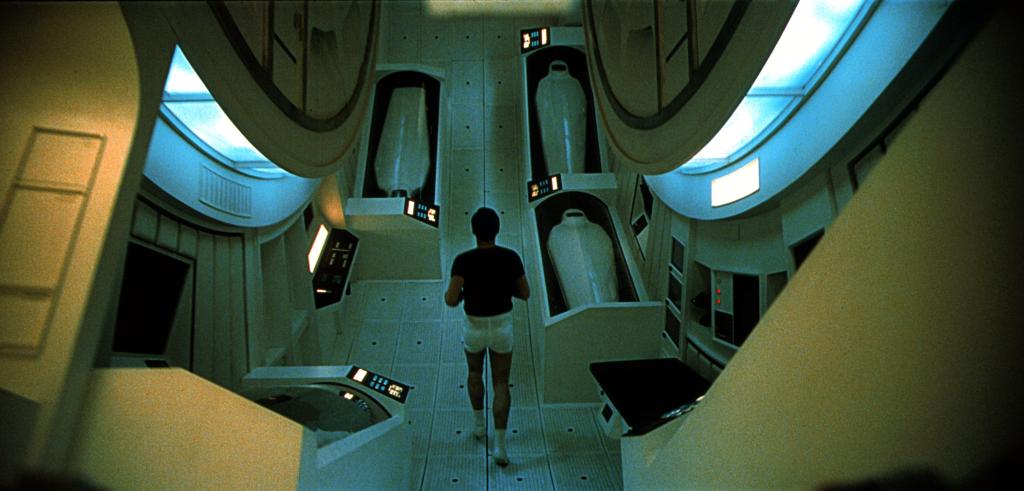
A film that everyone finds "okay" is soon forgotten. A film that divides the world, like The Godfather or 2001: A Space Odyssey, remains relevant for decades precisely because it demands an opinion. These movies force us to define what we value in art: Is it pacing? Is it emotional realism? Is it visual audacity?
The reality is that "universally loved" is a misnomer. There is no such thing as a perfect film, only a perfect match between a story and a viewer. The next time you find yourself unable to stand a movie that everyone else seems to adore, don’t feel isolated. You are simply engaging in the most fundamental part of the cinematic experience: the act of discerning what truly matters to you. The history of film is not a monolith of agreement; it is a vibrant, chaotic, and deeply subjective conversation that is made better by every dissenting voice.


 Nana Muazin
 Nana
Nana