Note: This article contains major spoilers for the DC Studios film "Supergirl" and the graphic novel "Supergirl: Woman of Tomorrow."
The release of DC Studios’ Supergirl was intended to be a flagship moment for the newly restructured DC Universe. However, the film has arrived amidst a turbulent landscape of critical skepticism and a box office performance that has struggled to find its footing. While the project was initially heralded as a faithful adaptation of Tom King and Bilquis Evely’s celebrated graphic novel, Supergirl: Woman of Tomorrow, the final product on screen represents a radical departure from its source material.
As audiences and critics alike grapple with the film’s grim tone and structural deviations, a larger conversation has emerged regarding the ethics of adaptation and the creative vision of studio leadership. Why did a film marketed on the pedigree of an acclaimed comic book veer so sharply from its identity? Through recent insights from director Craig Gillespie and writer Ana Nogueira, we can finally trace the internal logic—and the external mandates—that fundamentally reshaped the Last Daughter of Krypton’s cinematic debut.
The Chronology of a Vision Shift
To understand the current state of Supergirl, one must look at the timeline of its development. The project was conceived during a transitional period for DC, with James Gunn and Peter Safran taking the reins to build a cohesive, interconnected cinematic universe.
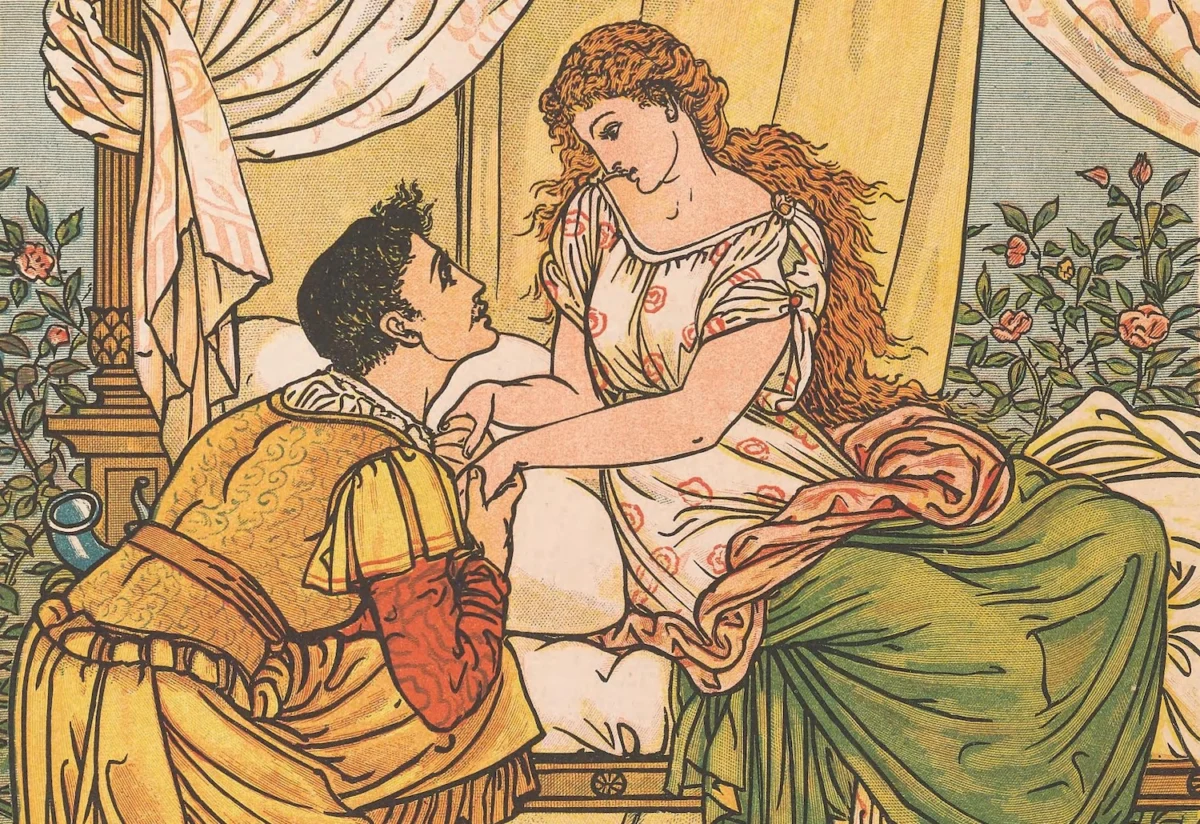
Initially, the anticipation centered on the prospect of bringing Bilquis Evely’s ethereal, cosmic, and color-saturated aesthetic to life. In the source material, the story is a space-faring odyssey that balances high-concept sci-fi with intimate character study. However, the production cycle saw a distinct pivot.
Director Craig Gillespie, known for his work on I, Tonya and Cruella, was brought in to helm the project. According to his recent remarks, the decision to pivot away from the source material was not an accident—it was a deliberate stylistic choice made during the earliest stages of pre-production. Gillespie noted that upon receiving the script from Ana Nogueira, he intentionally chose not to consult the graphic novel. He sought to build a world defined by its tactile reality rather than its comic book origins, setting the stage for a "grit-first" approach that would eventually define the film’s polarizing aesthetic.
Supporting Data: Why the "Darker" Direction?
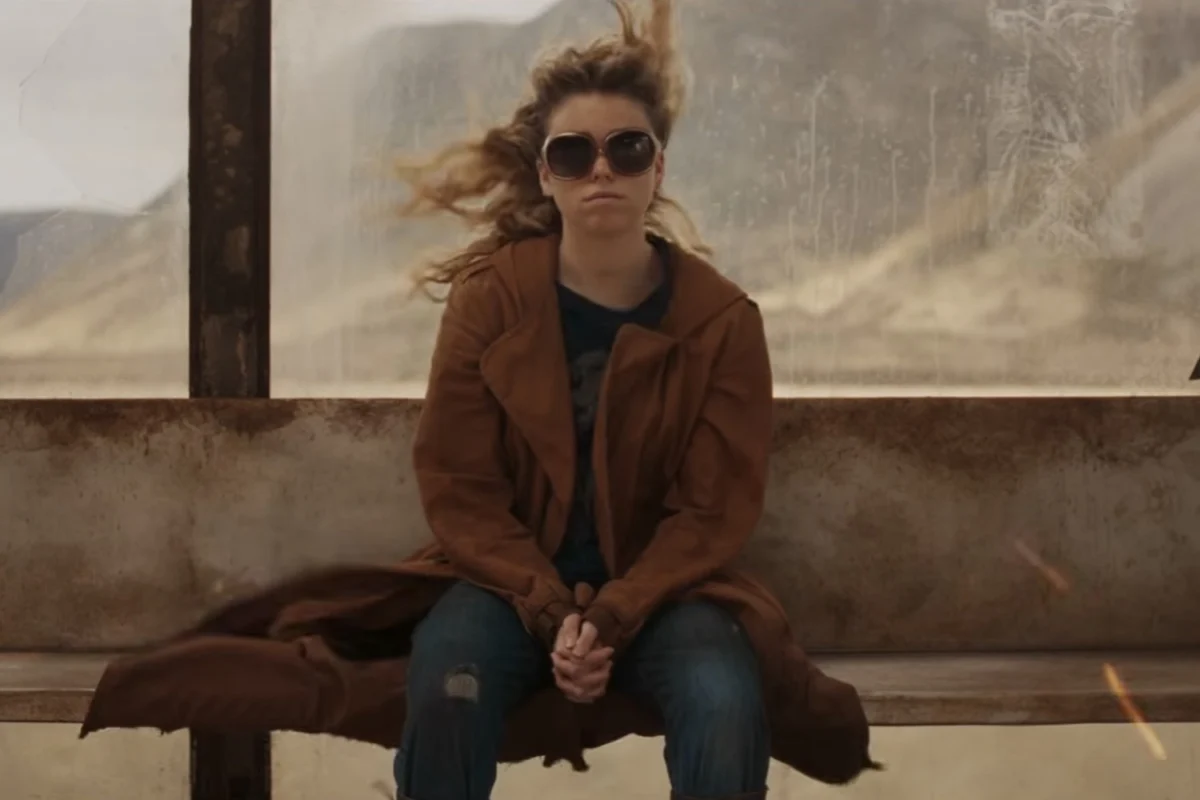
The most frequent criticism levied against Supergirl is its visual departure from the source material. Where the comic book offers a vibrant, neon-soaked, and imaginative cosmic backdrop, the film leans into a desaturated palette.
The Aesthetic of the Underworld
Gillespie’s defense of this visual shift is grounded in his interpretation of the "fringe" worlds Kara Zor-El inhabits. In his interviews with EveryManCinema, the director emphasized his desire to ground the intergalactic setting in something familiar to a grounded, human experience.
"I wanted to feel the poverty. I wanted to feel the crime and the dust and the texture," Gillespie explained. By focusing on the "underworld" of the galaxy, the production team aimed to differentiate the film from the clean, high-tech tropes often associated with Superman-adjacent stories. This creative decision extended to the character’s design as well; Gillespie actively pushed to delay the introduction of Supergirl’s iconic costume. He argued that forcing Kara into the "superhero outfit" too early would undermine the thematic weight of her journey, preferring to keep her in weathered, pragmatic gear to emphasize the character’s isolation and resilience.
The Inclusion of Lobo
Perhaps the most significant deviation from the source text is the prominence of the intergalactic bounty hunter, Lobo. In the original graphic novel, Lobo’s presence is minimal, but the film elevates him to a central co-lead.
Writer Ana Nogueira confirmed in an interview with Variety that this was not an organic narrative choice, but a directive from the studio brass. Gunn and Safran identified an opportunity to integrate the popular character into the new DC Universe, viewing Supergirl as the perfect vessel. Nogueira was tasked with weaving the character into a story that was originally designed as a two-person odyssey between Kara and the young Ruthye. While purists may lament the shift, Nogueira points out that the move was strategically sound for world-building, as it allowed the studio to introduce a major, space-faring anti-hero into the broader DC continuity.
Official Responses: Navigating the Moral Compass
One of the most complex elements of Woman of Tomorrow is its ending—a somber, morally ambiguous conclusion involving the character Ruthye and her quest for vengeance. The film’s decision to alter this sequence has become a lightning rod for debate.
The Burden of Justice
In the graphic novel, the story concludes with a significant time jump, showing a mature Ruthye exacting final, cold-blooded retribution against the villainous Krem. The film, however, opts for a different resolution. Nogueira explained that the production team felt the time jump was unfeasible for the cinematic format and that the dark nature of the original ending required adjustment to fit the character arc they were building for Kara.
"We wanted to craft a villain who would deserve this, but we also wanted Kara to really care about preserving Ruthye’s innocence," Nogueira stated. By having Kara take on the burden of the final confrontation, the film positions the protagonist as a protector of youth, contrasting her moral framework with that of her cousin, Superman. This serves as a conscious effort by the writers to establish that, while Kara is a hero, her methods are distinct and informed by her unique, often traumatic upbringing.
Implications for the DC Universe
The divergence of Supergirl from its source material serves as a microcosm for the challenges currently facing DC Studios. The tension between "honoring the source" and "executing a studio vision" is a perpetual conflict in comic book cinema, but in this instance, the stakes feel significantly higher.
A Fractured Fanbase
The negative critical reception highlights a fundamental disconnect: the audience for Woman of Tomorrow was largely comprised of fans who specifically sought out the graphic novel for its unique visual language and thematic nuance. By stripping away those elements, the film inadvertently alienated its core supporters before the cameras even started rolling. The shift toward a "gritty" aesthetic is a well-worn path in the superhero genre, and for many viewers, the decision to apply this lens to a property that was specifically chosen for its non-traditional, colorful, and poetic nature felt like a betrayal of the IP’s soul.
The Ripple Effect
As Nogueira noted, the implications of these changes extend to future projects, specifically the upcoming Man of Tomorrow. If the DC Universe is to function as a cohesive entity, the "moral compass" of its leads must be defined clearly and early. By making Kara’s path more brutal and less idealistic than Clark Kent’s, the studio has set up an interesting dichotomy. However, the success of this strategy relies entirely on whether audiences will accept this darker iteration of the character.
If the goal was to create a standalone, "prestige" take on Supergirl, the film’s deviations might have been viewed as bold artistic choices. But as part of a shared universe, these changes carry the weight of future expectations. With the studio currently facing a "disappointing box office run," the pressure is mounting on James Gunn and his team to determine whether this gritty, studio-mandated direction is the right path for the DCU, or if a course correction is necessary.
Conclusion: A Lesson in Adaptation
The Supergirl situation is a poignant reminder that cinema is a medium of collaboration, where the vision of the writer, the director, and the studio often collide. While Gillespie’s desire for grit and Nogueira’s structural pivots were driven by a desire to craft a compelling cinematic narrative, the result has been a film that feels caught between two worlds—neither a faithful adaptation of a beloved comic nor a completely original piece of standalone cinema.
For now, the fate of the DC Universe rests on how it learns from these missteps. Whether future entries will lean closer to the visual language of the comics or continue to prioritize the "gritty, underworld" aesthetic remains to be seen. What is clear, however, is that for fans and creators alike, the "Woman of Tomorrow" will be remembered as much for what it changed as for what it kept.