Laily UPN
In the world of interactive entertainment, a sequel is meant to be a celebration—a refinement of the mechanics, narrative, and artistry that made the original entry a success. Yet, history is littered with cautionary tales: projects so profoundly disconnected from the soul of their predecessors, so technically crippled, or so fundamentally misguided that the fanbase collectively rejects them as canon.
While Sonic the Hedgehog (2006) remains the cultural shorthand for franchise self-destruction, it is far from an isolated incident. Whether due to aggressive corporate interference, rushed development cycles, or a complete lack of understanding regarding the "it factor" of a series, these ten games represent the most spectacular failures in gaming history.

The Mechanics of Failure: How Good Franchises Go Wrong
What makes these ten titles particularly fascinating to analysts is the diversity of their downfall. Some were victims of the "rushed release" cycle, where developers were forced to ship a beta-state product to meet quarterly fiscal goals. Others suffered from an identity crisis—designers attempting to "modernize" or "mature" a series, only to strip away the very charm that established the brand’s identity in the first place.
The most painful failures, however, are the "confident" ones: projects where developers believed they were innovating, only to release a product that fundamentally misunderstood its audience. These failures serve as a sobering reminder that a brand name alone is not enough to sustain a legacy.

1. Postal III: The Canonical Erasure
Released: 2011 | Developer: Running with Scissors/Akella
Postal III is not merely a bad game; it is a fundamental misunderstanding of the series’ transgressive, satirical roots. While the Postal series is known for its absurdity, the third entry replaced biting social commentary with a messy, floaty, and joyless gameplay loop.
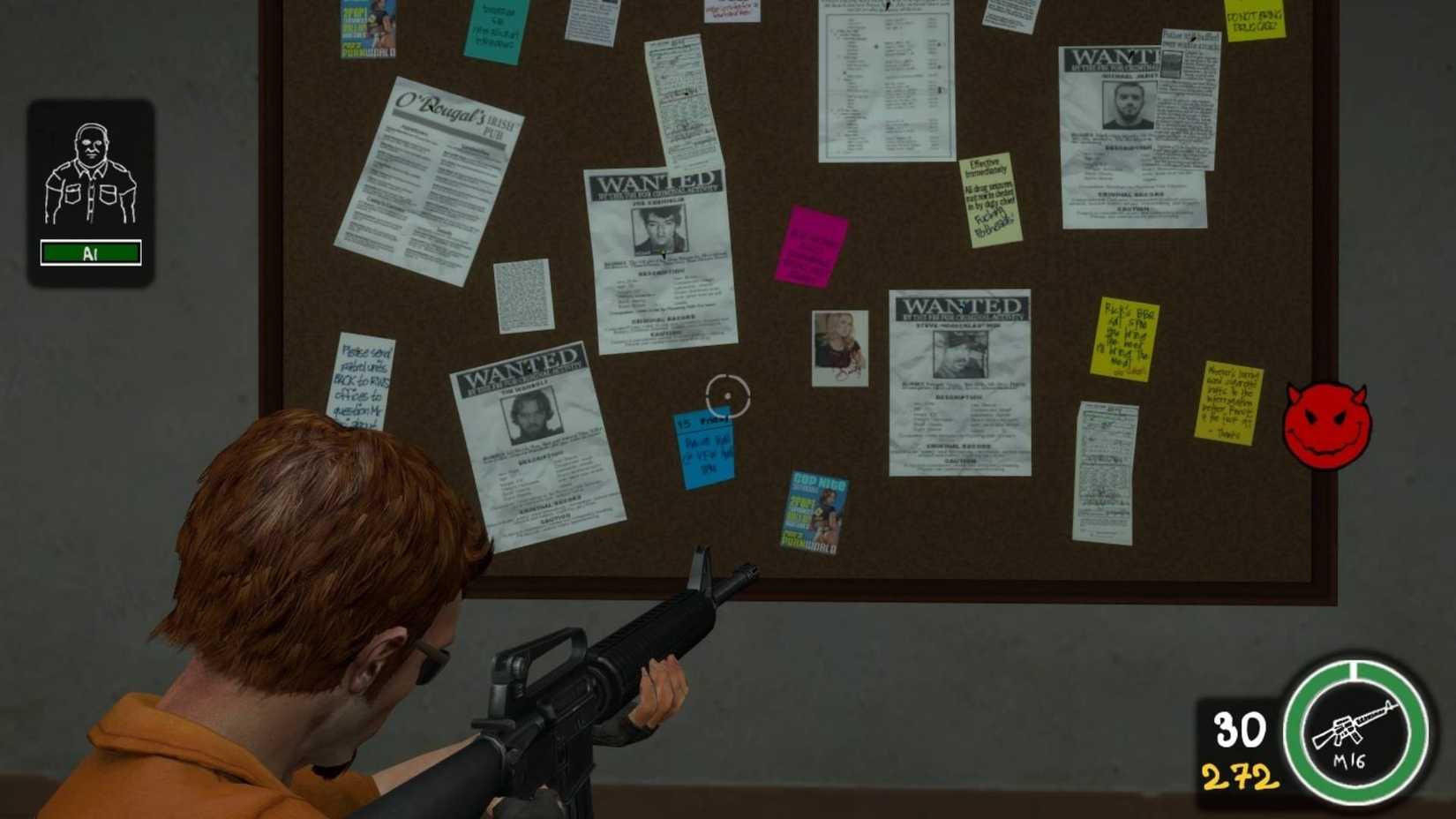
Implications: The failure was so absolute that it holds the unique distinction of being "retconned" out of existence. In the Postal 2: Paradise Lost DLC, the developers officially declared the events of the third game to be a drug-induced dream sequence. It is perhaps the most honest piece of damage control in industry history.
2. Tony Hawk’s Pro Skater 5: A Hollow Shell
Released: 2015 | Developer: Robomodo
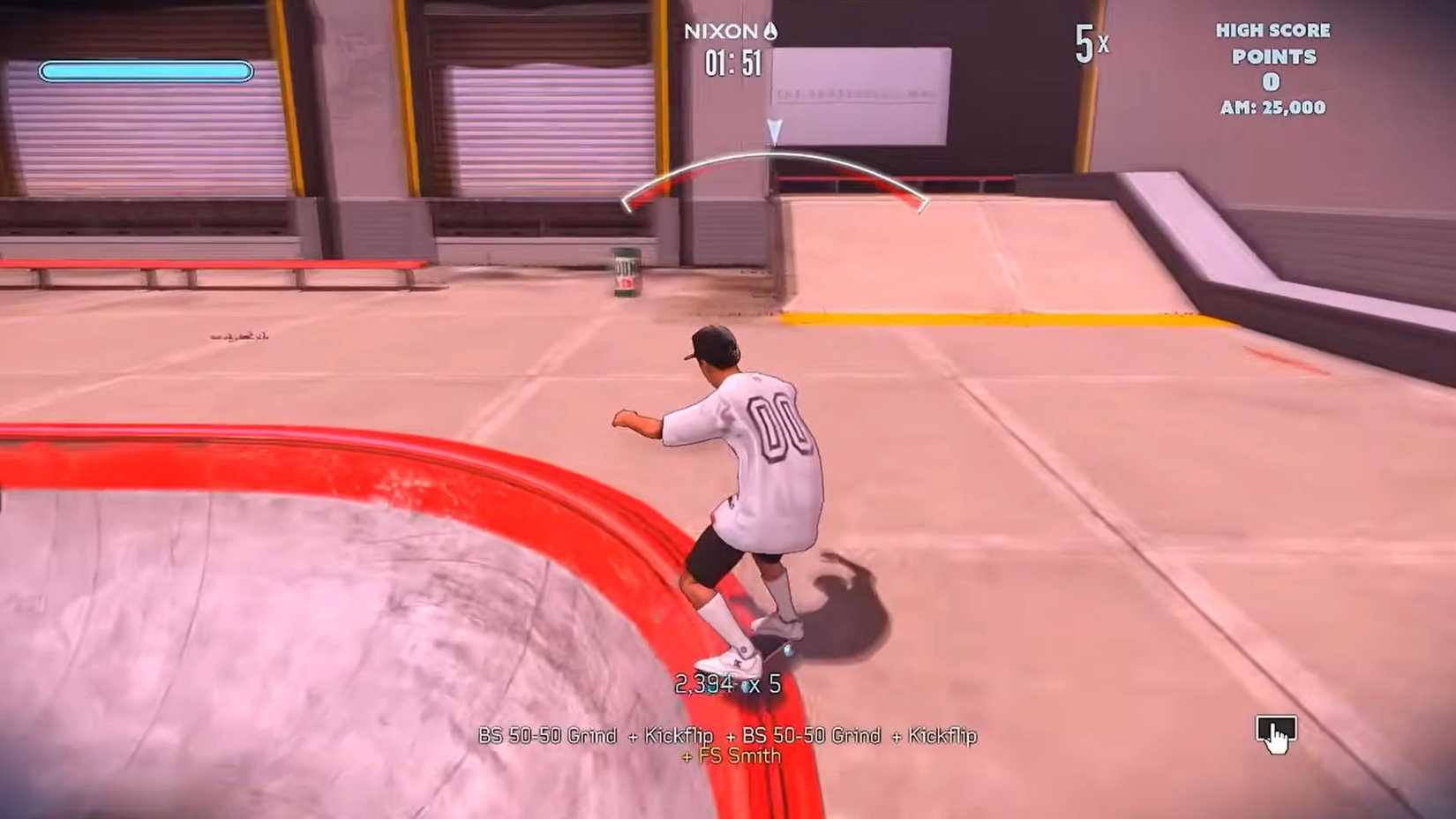
At its peak, Tony Hawk’s Pro Skater was a masterclass in flow-state gaming. THPS5 arrived as a confused, sterile imitation. Most damning was the absence of NPCs; the levels, once vibrant skate parks filled with life, were reduced to empty, soulless assets. With broken controls at launch—most notably the ill-placed "Slam" button—the game felt like a checklist of features created by a team that had never actually felt the rhythm of a THPS game.
3. Payday 3: The Server Catastrophe
Released: 2023 | Developer: Starbreeze Studios
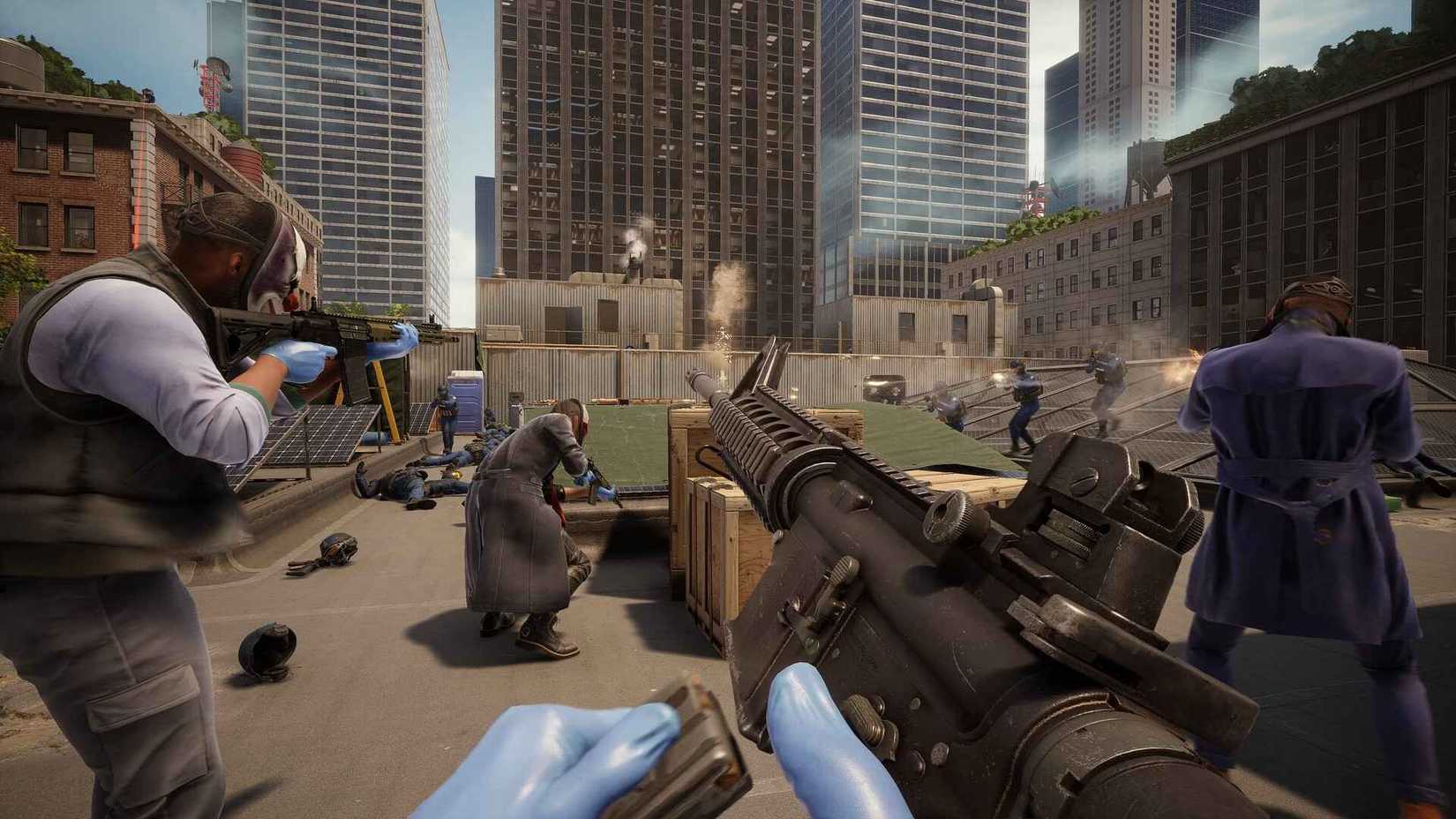
Payday 2 remains a legend for its post-launch support and chaotic charm. Payday 3, however, launched with a mandatory "always-online" requirement for a game that could have functioned perfectly offline. When the servers inevitably collapsed at launch, players were left staring at login screens for days. Once the servers stabilized, the game revealed an identity crisis, trading the arcade-style fun of its predecessor for tedious, tactical slogs that felt entirely out of place.
4. Dead Rising 4: Stripping Away the Tension
Released: 2016 | Developer: Capcom Vancouver
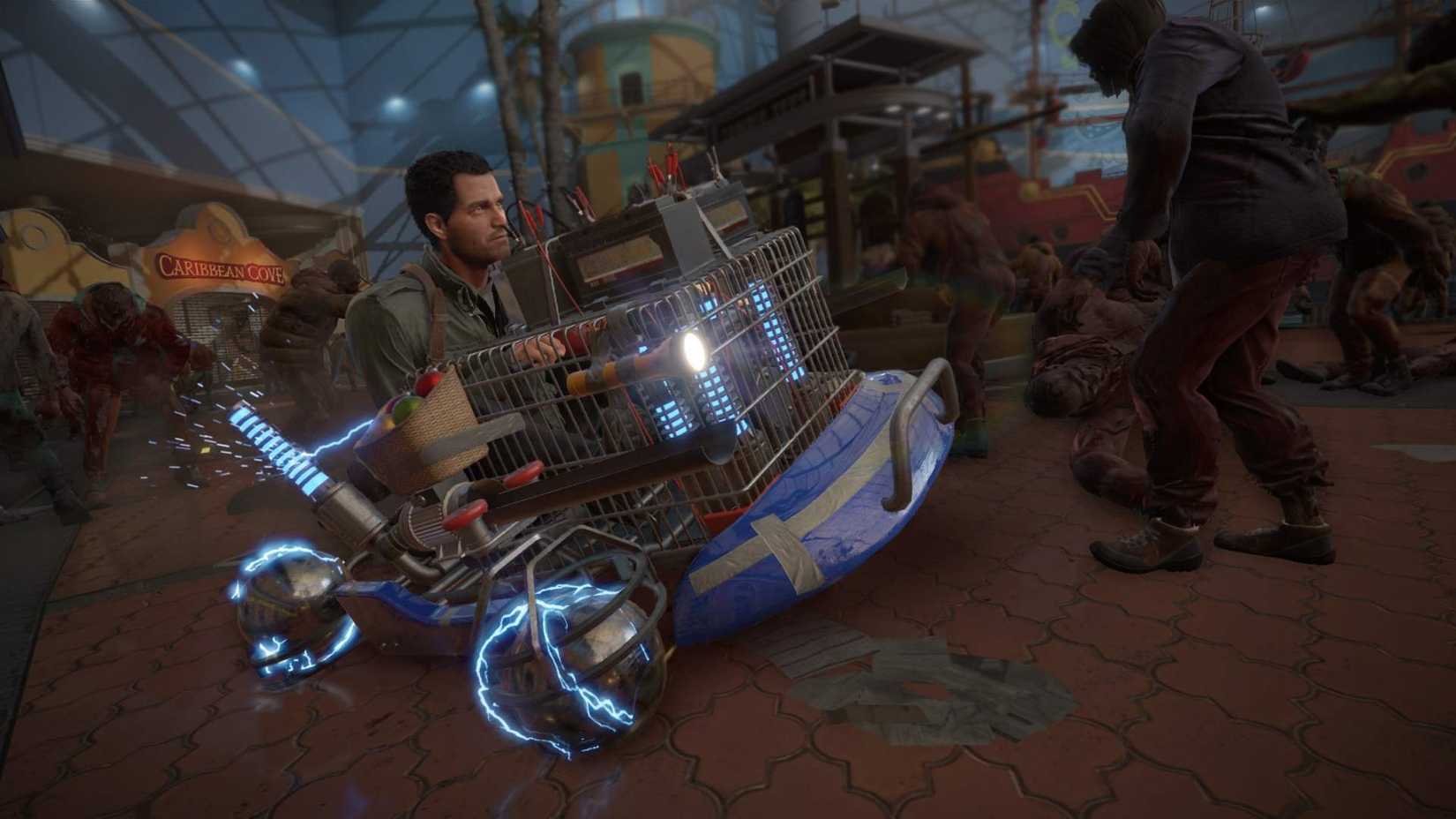
The defining feature of Dead Rising was its crushing, beautiful tension. Players had to manage a strict timer, making impossible choices about which survivors to save and which to leave to the undead. Dead Rising 4 removed the timer entirely. With that change, the stakes vanished. Frank West, once a cynical, grounded journalist, was transformed into a generic "dad joke" machine. It was a classic case of a sequel sanding down the edges of a franchise until nothing sharp—or interesting—remained.
5. Spyro: Enter the Dragonfly
Released: 2002 | Developer: Check Six Games/Equinoxe
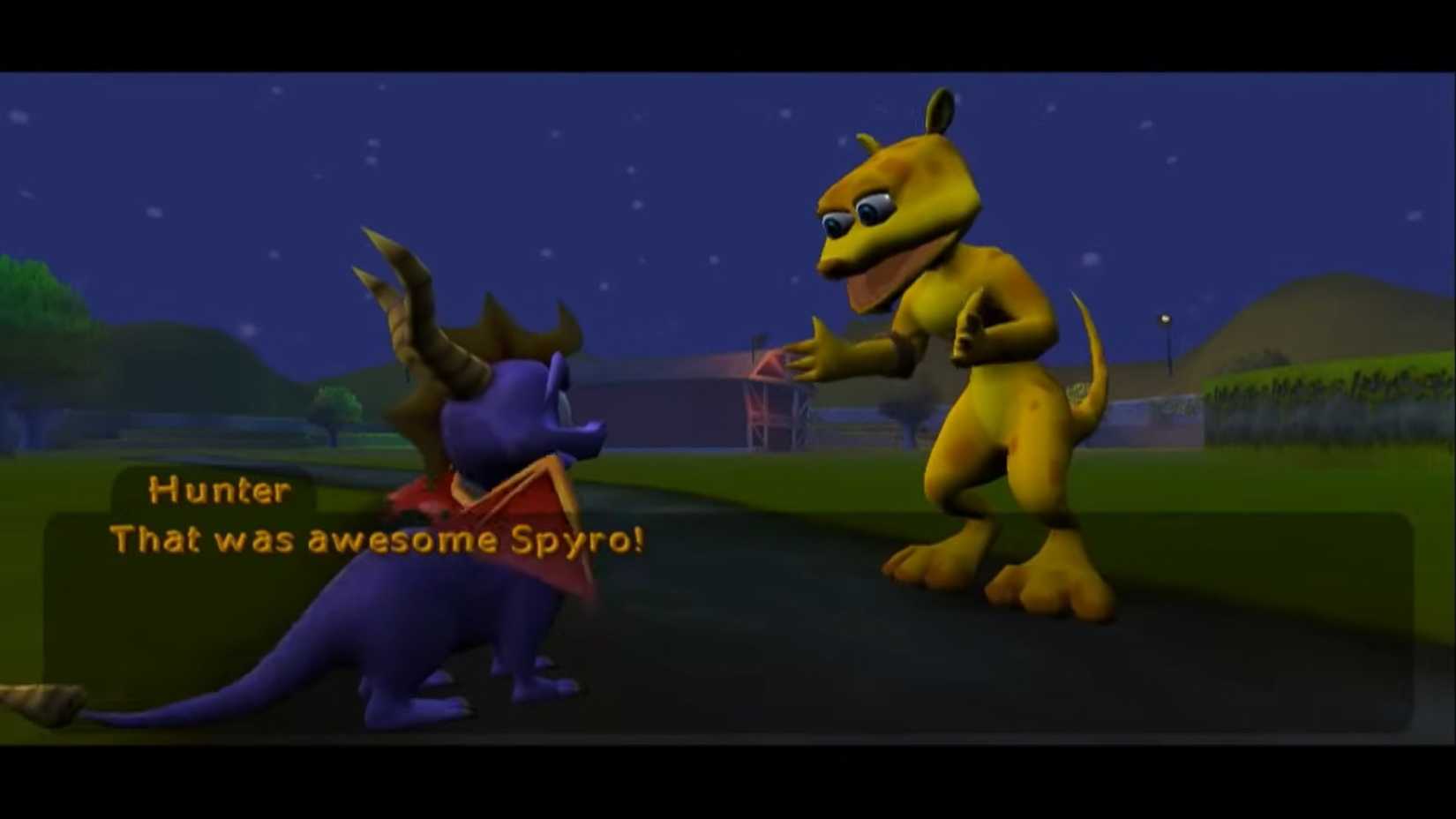
Enter the Dragonfly is a technical disaster of the highest order. While the level concepts were arguably sound, the execution was plagued by abysmal frame rates, catastrophic loading times, and glitches so severe they could crash the console from the options menu. It serves as the primary example of a game that required another year of polish, proving that even a beloved dragon can’t save a project that is literally held together by broken code.
6. Saints Row (2022): The Identity Crisis
Released: 2022 | Developer: Volition

The Saints Row reboot attempted to ground a franchise known for its over-the-top, glorious stupidity. The result was a game that felt embarrassed by its own name. The characters lacked charisma, the humor fell flat, and the gameplay felt clunky and uninspired. By attempting to "rebrand" the series for a modern audience, the developers alienated the core fanbase, leaving behind a game that felt like a generic open-world title wearing a Saints Row skin.
7. Paper Mario: Sticker Star
Released: 2012 | Developer: Intelligent Systems
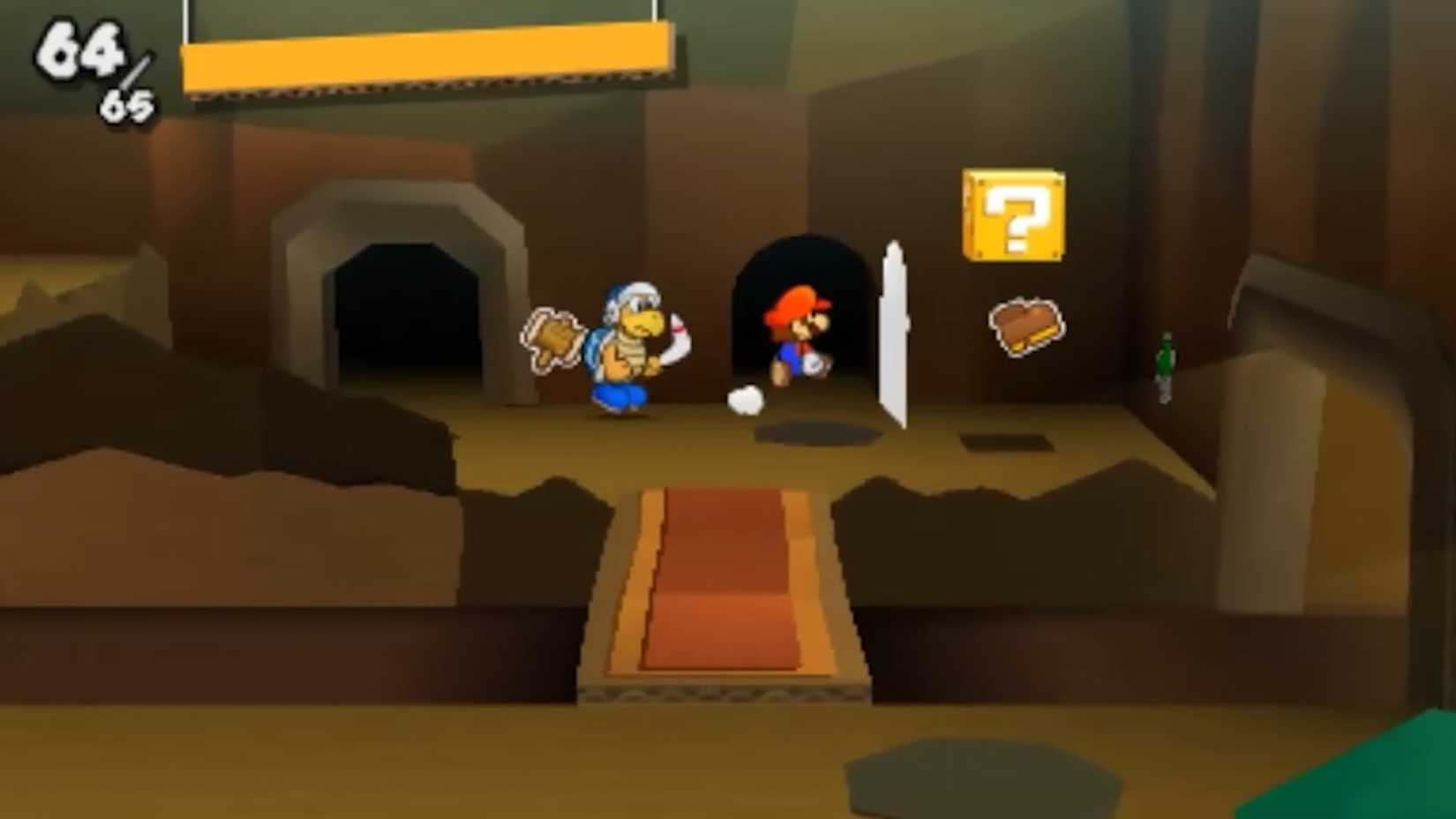
In a move that baffled RPG enthusiasts, Sticker Star removed experience points. By tying combat to a finite resource (stickers), the game actively incentivized players to avoid combat entirely. It created a circular, hollow loop where fighting served no purpose other than to spend the resources required to fight again. When the best strategy in an RPG is to run away from every enemy, the core design has failed at a foundational level.
8. SimCity (2013): The Always-Online Fallacy
Released: 2013 | Developer: Maxis
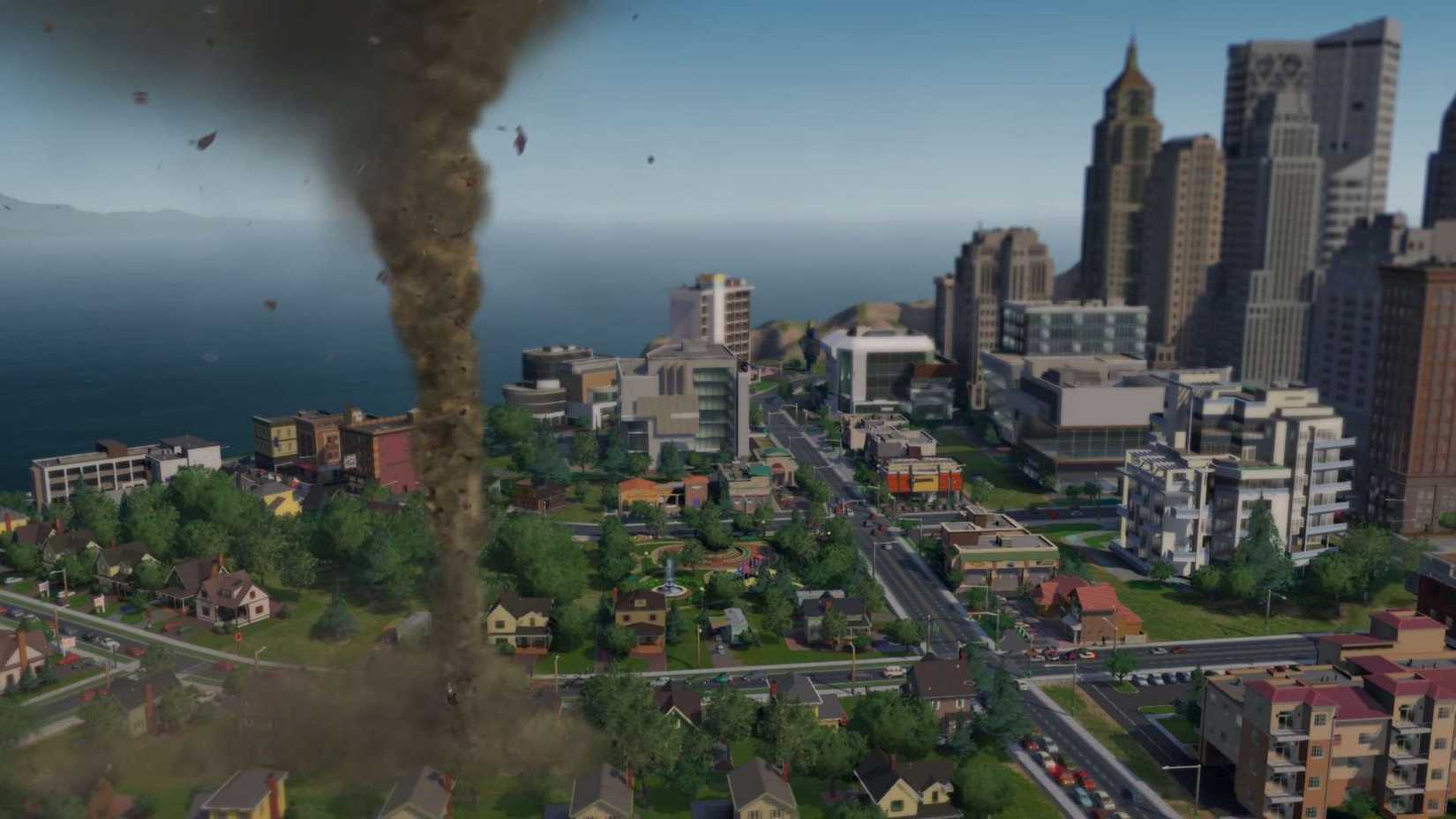
Ten years of anticipation for a new SimCity culminated in a PR nightmare. EA forced an always-online requirement that, as later leaks confirmed, was purely for DRM purposes—the servers weren’t even simulating the city traffic or population correctly. City sizes were microscopic compared to SimCity 4, and the simulation agents were famously broken. Its failure was so profound that it effectively ceded the city-builder crown to the burgeoning Cities: Skylines franchise.
9. Mega Man X7: The Identity Shift
Released: 2003 | Developer: Capcom
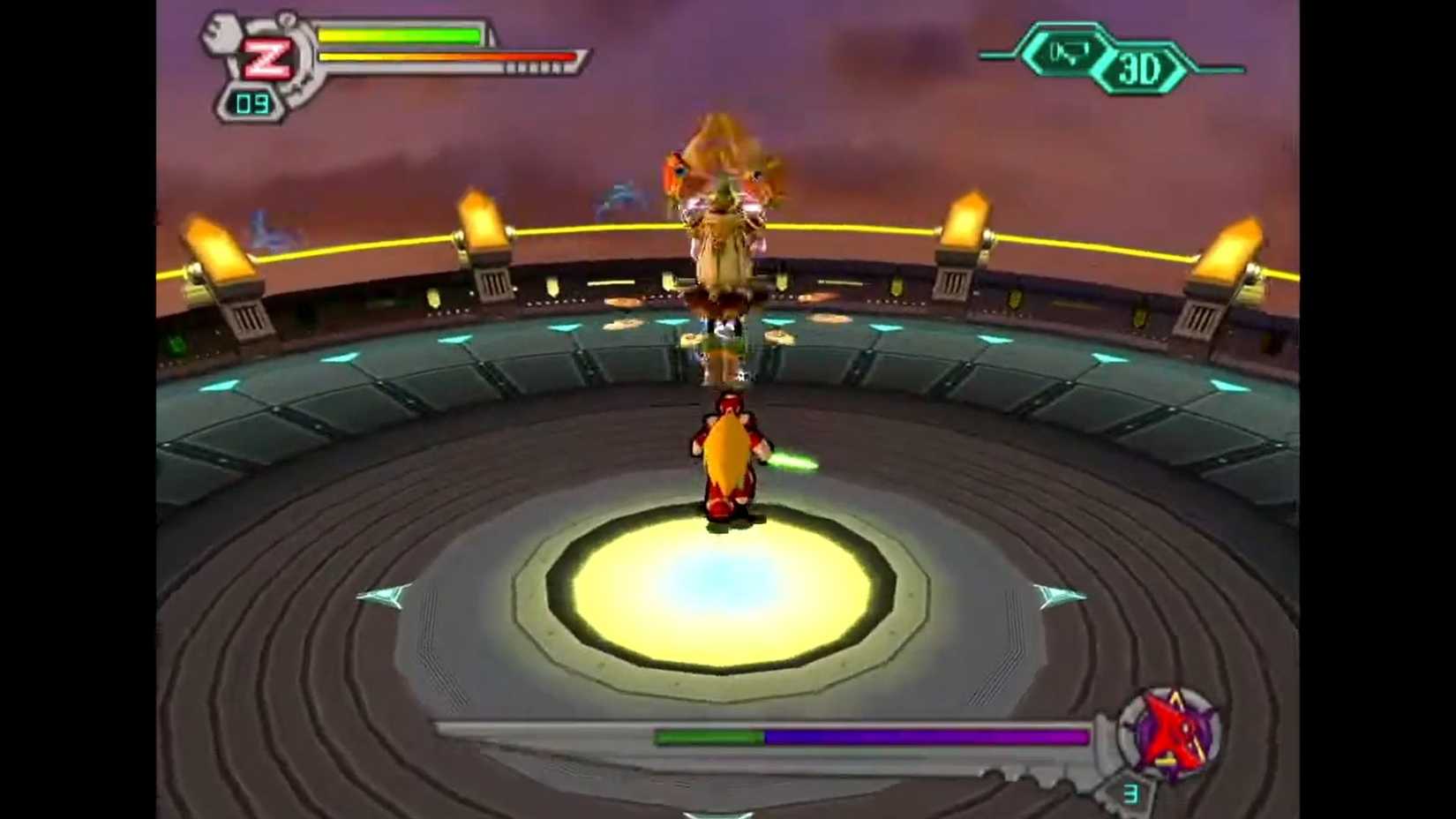
Mega Man X7 marked the franchise’s awkward transition into 3D. The game introduced a clunky, cel-shaded perspective that fundamentally ruined the precision of the Mega Man formula. Perhaps the most egregious sin was the inability to play as the titular character, X, for the first half of the game. Combined with the infamous "Flame Hyenard" boss battle—a loop of repetitive, ear-piercing audio—it stands as a masterclass in how not to evolve a platforming series.
10. Bomberman: Act Zero
Released: 2006 | Developer: Hudson Soft
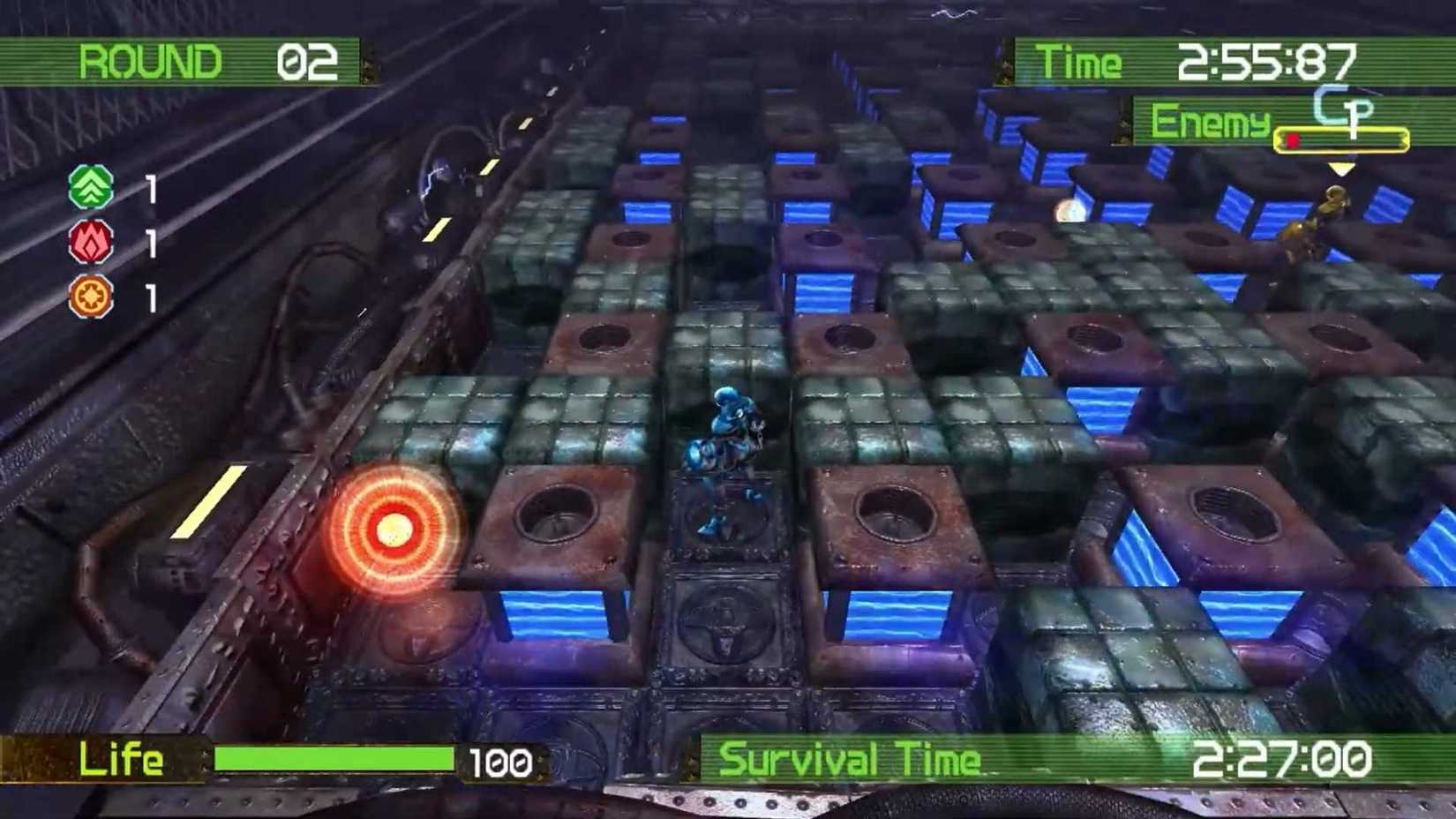
Bomberman: Act Zero is a textbook example of "dystopian drift." The developers took a colorful, cheerful, and iconic series and decided it needed to be a "gritty, dark, futuristic shooter." The result was a visual and mechanical disaster. The environments were identical, the collision detection was broken, and the charm was completely eradicated. It remains the gold standard for how to alienate a fanbase by misreading the fundamental appeal of your own IP.
Implications for the Industry
The legacy of these ten titles is not just in their low review scores, but in the shifts they caused in the gaming industry. These failures often forced publishers to pivot, leading to the rise of indie darlings like Cities: Skylines or the "remaster" craze that seeks to fix the reputations of original classics.
For developers, these games serve as a permanent warning: understand your core audience, respect the mechanics that built your legacy, and never, ever ship a product because a corporate roadmap demands it. When a sequel loses its identity, it doesn’t just fail; it risks taking the entire franchise down with it.

 Nana Wu
 Dwi Wanna