

For the modern cinephile, Letterboxd has evolved from a niche database into the digital equivalent of a water cooler, a diary, and a high-stakes debating chamber all rolled into one. It is the premier platform where film buffs log their latest watches, craft pithy one-liners, and curate lists that track everything from their favorite A24 horror flicks to obscure 1970s exploitation cinema. In an era where digital presence dictates cultural relevance, Letterboxd has become a mandatory stop for anyone looking to document their cinematic journey.
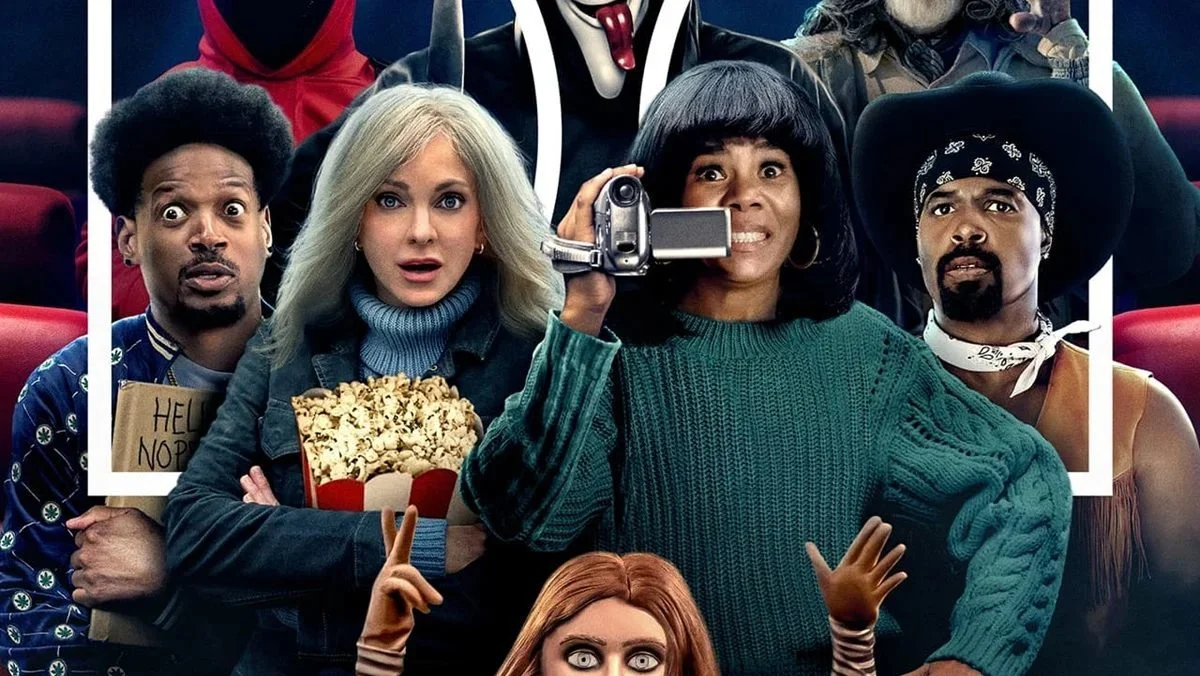
However, as the platform’s influence has ballooned, so has the interest of major film studios. Recognizing that the most dedicated moviegoers reside in these comment sections, Paramount Pictures recently attempted to infiltrate this ecosystem to market the upcoming Scary Movie 6. Their strategy? Creating a verified Letterboxd account for Brenda Meeks, the iconic, chaos-loving character portrayed by Regina Hall in the Scary Movie franchise. While the intention was to foster community engagement and viral excitement, the execution has served as a masterclass in how "brand-voice" marketing can feel like a hollow, corporate imitation of authentic fan culture.
A Chronology of a Digital Miss
The campaign kicked off in late May, specifically on May 28, when the account, operating under the handle @itsbrendabitch, suddenly populated the site with 24 logs in a single sitting. For a community that prides itself on organic, slow-burn engagement, the sudden influx of logs—each accompanied by a lukewarm, one-line review—felt less like a passionate fan joining the fold and more like a social media intern checking a box on a marketing spreadsheet.
The account quickly upgraded to a "Patron" status, the platform’s $49.99-per-year premium tier, signaling that the studio was willing to put actual capital behind this digital avatar. Yet, the substance of the logs betrayed a lack of creative depth. Rather than leveraging the character’s specific brand of irreverent, high-energy humor, the reviews felt generic. They were the cinematic equivalent of "route-one" football: predictable, uninspired, and devoid of the wit that has made the Scary Movie franchise a staple of parody culture.
Supporting Data: The "Low Effort" Critique
To understand why this campaign has been met with skepticism, one must look at the logs themselves. The account focused heavily on horror staples, likely in an attempt to align the character with the genre roots of the upcoming film. However, the accompanying commentary lacked the sharp, satirical edge one would expect from a character like Brenda Meeks.
For example, when reviewing genre classics, the account offered critiques that could have been generated by a basic AI prompt. There was no attempt to inhabit the character’s unique voice; there was no reference to her specific "pirate" habits or her penchant for over-the-top reactions. The reviews felt sanitized for a corporate approval process.
There were, however, fleeting moments of potential. The account noted of the film Ma (2019), "her hair was on point," a nod to the fact that Brenda’s new look in the upcoming sequel is inspired by Octavia Spencer’s titular character. Similarly, when reviewing a trifecta of Jackie Chan films—Rush Hour, Shanghai Noon, and Rumble in the Bronx—the account kept the review consistent: "I liked when he did a flip." While these moments drew a slight chuckle, they were the exception, not the rule. When compared to the high standard of comedy writing usually found on the platform, these entries felt like an outsider trying, and failing, to speak the local dialect.
The Evolution of Studio Marketing
The shift toward "native" marketing on platforms like Letterboxd is not inherently a bad idea. Studios have long sought to bypass traditional advertising channels to connect directly with the "super-fans" who drive box office conversation. When done correctly, this can feel like a genuine gift to the community.
However, the "Brenda Meeks" experiment highlights a fundamental disconnect. Modern audiences are hyper-aware of digital artifice. When a brand tries to adopt the persona of a user—especially a character as beloved and specific as Brenda—it runs the risk of triggering the "Hello, Fellow Kids" phenomenon. This is the distinct, uncomfortable sensation that occurs when corporate entities attempt to replicate the organic, messy, and often weird energy of internet subcultures. It is a form of "cultural appropriation" of the fan experience, and it rarely lands with the demographic it intends to win over.

Official Responses and Industry Silence
As of this writing, Paramount has not released a formal statement regarding the engagement metrics or the reception of the @itsbrendabitch account. Historically, studios are reluctant to acknowledge "failed" social media experiments, preferring to let the content fade into the background as the marketing cycle shifts toward more traditional trailer drops and press junkets.
Industry analysts suggest that while the "Brenda" account may have achieved a high number of impressions, the conversion of that attention into genuine excitement for Scary Movie 6 remains questionable. In the world of social media marketing, volume is not the same as value. When users realize that a "persona" is being maintained by a committee of marketers rather than a human being (or even a well-written creative team), the perceived authenticity of the interaction drops to near zero.
Implications: The Death of Authenticity?
The failure of this campaign serves as a warning for future digital marketing efforts. The lesson is not that studios should avoid Letterboxd, but that they must respect the culture of the platform. Cinephiles go to Letterboxd for community, not for advertisements.
If a studio wants to engage with this demographic, they must be willing to provide actual value. This could take the form of:
- Curated Lists: Partnering with filmmakers to share their "Top 10" lists, which provides genuine insight into their inspirations.
- Interactive Watch Parties: Hosting events that encourage real discussion rather than scripted, one-way monologues.
- Transparency: If an account is branded as a marketing tool, lean into the meta-humor of it rather than pretending to be a real user.
The "Brenda" account’s reliance on the lowest common denominator of humor suggests that Paramount underestimated their audience. They assumed that by simply putting a recognizable face on the account, the audience would automatically engage. Instead, they highlighted the gap between "brand-safe" marketing and the sharp, observational, and often cynical wit that defines modern film discourse.
The Verdict: A Lesson in Tone
As Scary Movie 6 approaches its theatrical release on Friday, June 5, the marketing focus will inevitably shift back to the film itself. The Letterboxd account will likely become a forgotten footnote in the movie’s promotional history.
However, the episode remains a valuable case study. In an age where every interaction can be monetized, the most valuable commodity is still authenticity. When a brand tries to "fake it," the audience—armed with the ability to spot corporate phoniness from a mile away—will always respond with a cold shoulder. The Scary Movie franchise is built on the foundation of subverting tropes and poking fun at the status quo. By playing it safe and attempting to "blend in" with the Letterboxd crowd, the marketing team inadvertently became the very thing the franchise used to mock: a cliché.
Ultimately, if brands want to be part of the conversation, they need to bring more to the table than a subscription fee and a list of generic reviews. They need to understand that the users of Letterboxd are not just consumers; they are critics, archivists, and fans who value the integrity of the conversation above all else. Until studios learn to treat these platforms with the respect they deserve, they will continue to find themselves on the outside looking in, trying to participate in a party to which they haven’t quite learned the password.










No comments yet. Be the first to join the conversation!