


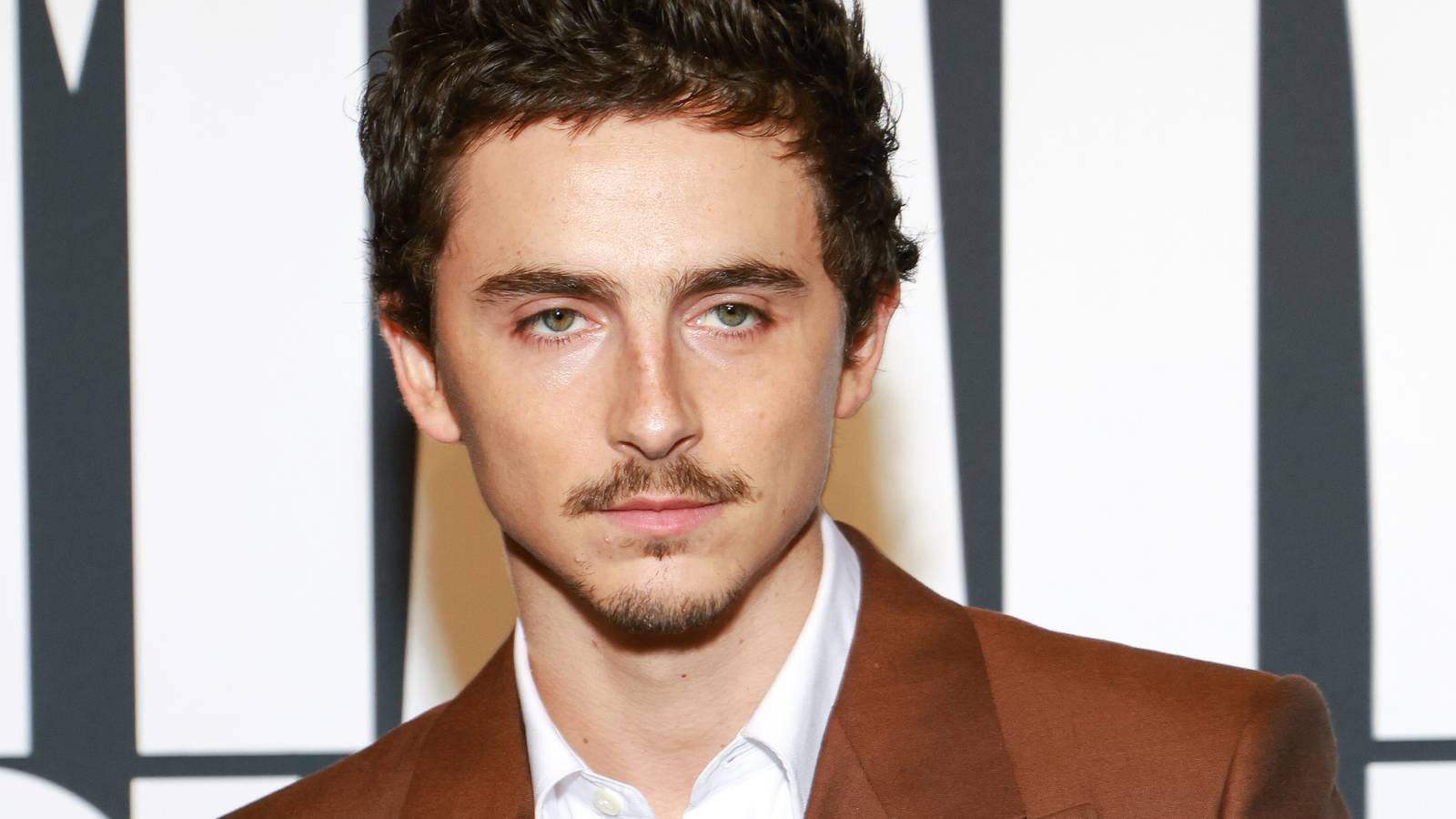
In the current landscape of Hollywood, few names carry the weight and critical prestige of Timothée Chalamet. From the sweeping, arid sands of Arrakis in Dune to the whimsical chocolate-making of Wonka, Chalamet has solidified his status as a bona fide box office titan. Yet, for every global blockbuster that dominates the cultural conversation, there lies a corner of his filmography that remains tragically undersung. Among these, the 2017 coming-of-age crime drama Hot Summer Nights stands out as a pivotal, albeit overlooked, chapter in his ascent to stardom. As the film makes its way to Netflix this June, it offers audiences a rare, intimate look at the raw, burgeoning talent that would eventually take over the world.
The Context: A Star in the Making
To understand the significance of Hot Summer Nights, one must revisit the landscape of 2017. At the time, Chalamet was a rising performer on the cusp of a meteoric rise. While he had appeared in high-profile projects like Christopher Nolan’s Interstellar (2014), his screen time there was brief. It was the trifecta of 2017—Call Me By Your Name, Lady Bird, and Hot Summer Nights—that truly signaled his arrival.
While Call Me By Your Name earned him an Academy Award nomination and universal acclaim, and Lady Bird placed him in the orbit of an indie powerhouse, Hot Summer Nights operated in the shadows. With a modest box office return of less than $250,000, it was easy for the film to vanish into the noise of a busy cinematic year. However, for those willing to look closer, the film serves as a foundational piece of evidence regarding Chalamet’s range and his innate ability to anchor a narrative, even when the script doesn’t always match the intensity of his performance.
The Chronology of a Cult Classic
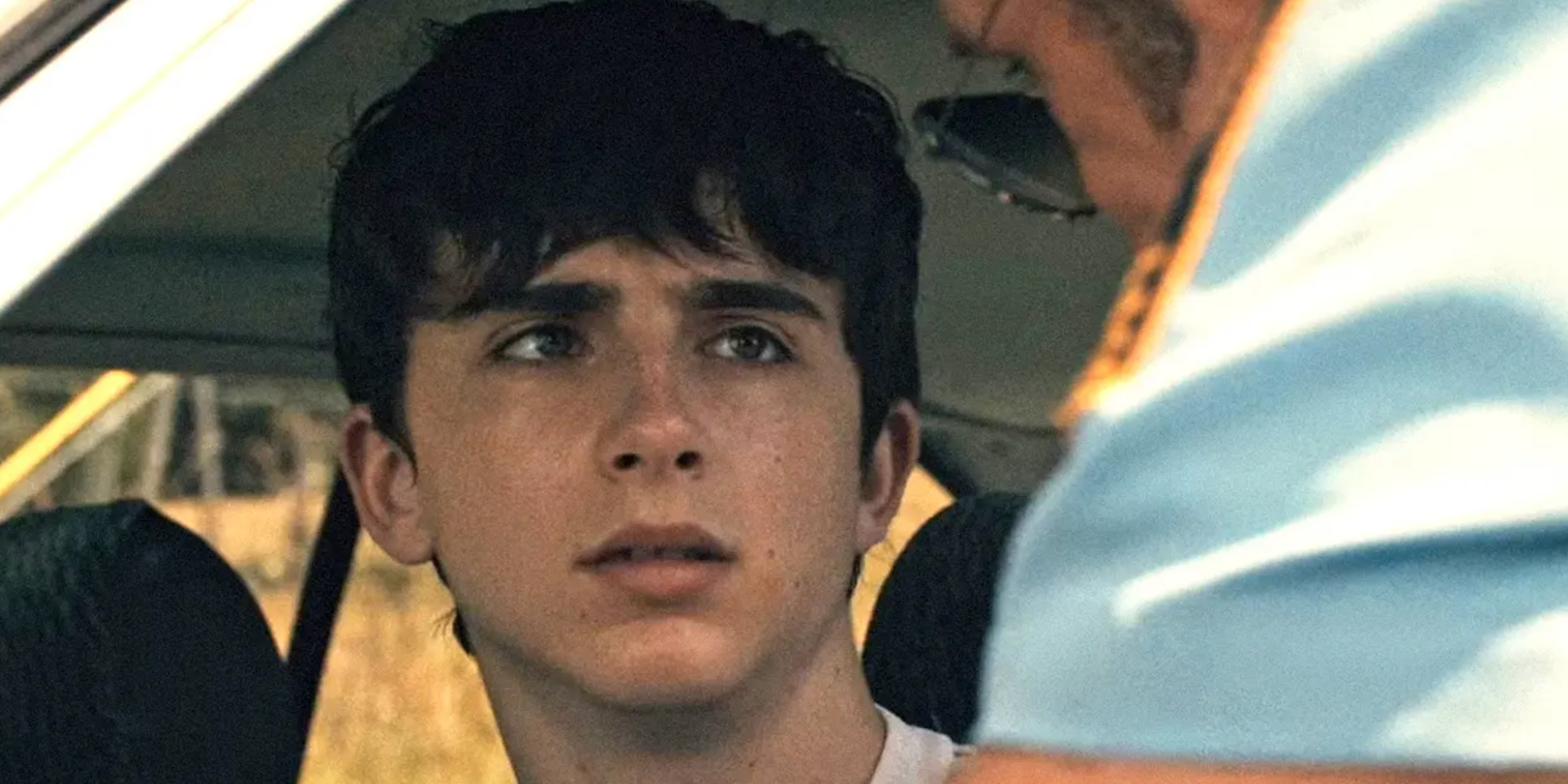
Set against the humid, neon-soaked backdrop of 1991 Cape Cod, the film follows Daniel Middleton (Chalamet), a socially awkward teenager sent to spend the summer with his aunt. What begins as a classic tale of teenage ennui quickly devolves into a high-stakes descent into the local drug trade.
- The Catalyst: Daniel’s arrival in Cape Cod marks the start of a transformative, albeit dangerous, summer.
- The Collaboration: His partnership with the local rebel, Hunter Strawberry, pushes Daniel into a world of illicit commerce, creating a friction that drives the film’s narrative engine.
- The Re-Discovery: Following its limited theatrical release in 2018, the film drifted into the periphery of streaming catalogs, largely ignored by the mainstream despite its cult-like aesthetic appeal.
- The Streaming Revival: As of June 1, 2026, its arrival on Netflix provides a long-overdue opportunity for a wider audience to re-evaluate the project not as a failed blockbuster, but as a compelling character study.
Analyzing the Aesthetic and Narrative Impact
Director Elijah Bynum, in his directorial debut, aimed to capture the visceral, chaotic energy of youth. While the film holds a 46% approval rating on Rotten Tomatoes—largely due to critiques regarding a disjointed screenplay—the cinematography and atmosphere are undeniable triumphs. The film is aesthetically lush, utilizing a vibrant color palette that perfectly encapsulates the hazy, dreamlike quality of summer memories.
The criticisms leveled against the film often focus on its plot structure, which some found to be derivative of 90s crime dramas. However, these critiques often overlook the film’s primary strength: its cast. The chemistry between Chalamet and co-star Maika Monroe provides the necessary grounding for the film’s more outlandish stylistic choices. Monroe, who has carved out an impressive career in horror and thriller genres (It Follows, Longlegs), delivers a performance that feels lived-in and authentic, acting as the perfect foil to Chalamet’s tentative, nervous energy.

The Chalamet Factor: A Masterclass in Early Range
What makes Hot Summer Nights essential viewing today is the window it provides into Chalamet’s process. In his current roles, Chalamet often exudes a regal, brooding, or hyper-confident energy. In Hot Summer Nights, he portrays a level of vulnerability that is rarely seen in his more recent, polished work. He captures the essence of a boy attempting to shed his skin, oscillating between extreme insecurity and the reckless bravado of a young man discovering his own power.
It is a performance defined by "aloofness"—a specific, calculated choice that makes Daniel Middleton feel like a real, flawed human being rather than a cinematic archetype. Watching this performance through the lens of his later success—his Oscar-nominated turns in A Complete Unknown and Marty Supreme—one can identify the building blocks of his current craft. He was already experimenting with the micro-expressions and physical tics that have since become his signature.
Supporting Cast and Director Vision
The strength of the film is bolstered by a stellar supporting cast that elevates the material. Beyond Monroe, the presence of veteran actors like William Fichtner and Thomas Jane adds a layer of gravity to the proceedings. The inclusion of Maia Mitchell, whose career trajectory has also been defined by a mix of television and film, adds further depth to the ensemble.
Elijah Bynum’s directorial voice, while perhaps unrefined at the time, shows a clear ambition to blend genres—mixing the sun-drenched aesthetic of a coming-of-age movie with the gritty, high-stakes tension of a crime caper. Even when the script falters, the visual storytelling keeps the audience engaged. It is a film that dares to be messy, a trait that makes it feel surprisingly fresh compared to the more sanitized, focus-tested blockbusters of today.
Implications for Modern Audiences
The re-release of Hot Summer Nights on a major streaming platform like Netflix carries several implications for the film industry and for Chalamet’s legacy:
- The "Discovery" Effect: It highlights the role of streaming services in reclaiming "forgotten" films. Many projects that failed at the box office due to poor timing or lack of marketing find a second life online, where audience word-of-mouth can rewrite their critical standing.
- Redefining the Career Arc: For fans of Chalamet, the film serves as a reminder that a performer’s trajectory is not just defined by their hits, but by the risks they took when they were still finding their footing. It invites fans to stop ranking his films solely by box office success and start considering them by the depth of the character work.
- The Demand for Mid-Budget Cinema: Hot Summer Nights occupies a space that is increasingly rare in modern Hollywood: the mid-budget, character-driven drama. Its newfound attention may signal a renewed audience appetite for these types of projects, moving away from the dominance of massive IP-driven franchises.
Final Verdict: Why You Should Watch
It would be unfair to suggest that Hot Summer Nights reaches the narrative heights of Dune: Part Two or the historical emotional depth of Little Women. It is a smaller, flawed, and occasionally chaotic project. Yet, it is precisely that lack of perfection that makes it so compelling.

If you are a fan of Timothée Chalamet, this film is mandatory viewing. It is a time capsule of a young actor on the precipice of global fame, taking risks and playing roles that demand emotional vulnerability. As the film hits Netflix, it is an invitation to look past the Rotten Tomatoes score and engage with a piece of cinema that is as vibrant, energetic, and unpredictable as a summer night in Cape Cod. Whether you are there for the 90s nostalgia, the strong supporting cast, or the raw talent of a future superstar, Hot Summer Nights is a reminder of the magic that happens when a young, hungry cast is given the space to play.











No comments yet. Be the first to join the conversation!